
Unlocking Efficiency: A Deep Dive into Modern Self-Storage Property Management Strategies
Discover how technology and evolving operational models are reshaping the landscape of managing self-storage facilities for optimal performance.
Essential Insights: Key Takeaways
- Technology is Pivotal: The integration of specialized software for self storage units is no longer a luxury but a necessity for efficient operations, automating tasks from billing to access control.
- Remote Capabilities Transform Management: The rise of remote property management allows for overseeing multiple facilities from anywhere, enhancing flexibility and often reducing operational costs.
- Customer Experience Remains Key: Despite automation, providing excellent customer service and maintaining secure, well-kept facilities are fundamental to tenant retention and business success in self storage property management.
The Evolution of Self-Storage Oversight
The administration of self-storage facilities, a critical component often referred to as self storage property management, has undergone a significant metamorphosis. Traditionally, this involved a constant on-site presence, with managers manually handling leases, payments, security checks, and tenant interactions. While this hands-on approach had its merits in direct customer engagement, it was often labor-intensive and less scalable, particularly for owners with multiple properties. The contemporary landscape, however, is increasingly characterized by technological adoption, enabling more streamlined, efficient, and often remote methods of operation. This shift addresses the growing demands of a dynamic market, where convenience, security, and operational agility are paramount for both facility owners and their clientele. Understanding these evolving methodologies is crucial for anyone involved in the self-storage industry, aiming to optimize resources and enhance profitability.
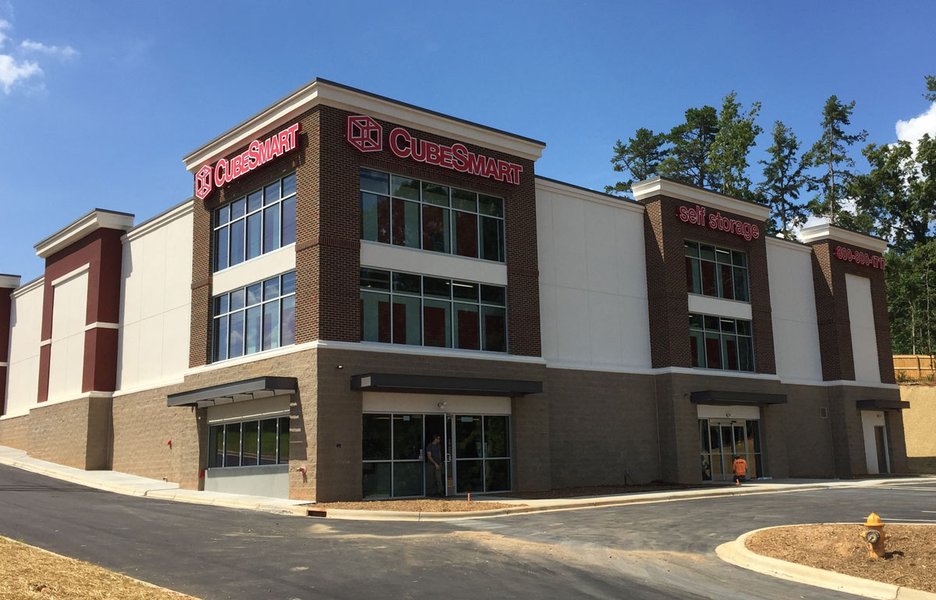
A modern self-storage facility, showcasing the type of property requiring sophisticated management.
The Digital Transformation: Leveraging Software Solutions
At the forefront of this transformation is the widespread adoption of specialized software for self storage units. These sophisticated platforms are designed to automate and centralize a multitude of administrative and operational tasks. Functions such as tenant onboarding, digital lease signing, automated invoicing, payment processing, and delinquency tracking are seamlessly handled, freeing up valuable time for management to focus on strategic initiatives rather than routine paperwork. Furthermore, these software solutions often provide comprehensive reporting dashboards, offering real-time insights into key performance indicators like occupancy rates, revenue streams, and unit turnover. This data-driven approach empowers managers to make informed decisions regarding pricing strategies, marketing efforts, and facility upgrades. The integration capabilities of such software, often linking with gate access systems, security cameras, and communication tools, create a cohesive ecosystem for managing the entire facility with enhanced precision and control. The initial investment in such technology typically yields significant returns through improved efficiency, reduced errors, and enhanced tenant satisfaction.
Embracing Remote Operations: The Future of Facility Management
Building upon the capabilities of advanced software, the concept of remote property management has gained considerable traction within the self-storage industry. This operational model allows facility owners and managers to oversee their properties from virtually any location with an internet connection. This is particularly advantageous for operators managing a portfolio of multiple sites, as it centralizes control and reduces the necessity for dedicated on-site staff at each location. Through cloud-based platforms, managers can remotely monitor security systems, manage gate access permissions, process online rentals and payments, and communicate with tenants via various digital channels. This notability not only introduces a significant layer of operational flexibility but also contributes to heightened efficiency and responsiveness. For instance, issues like unauthorized access attempts or maintenance alerts can be addressed promptly, often before they escalate. The ability to manage these critical functions off-site is a cornerstone of modern self storage property management, enabling leaner operations without compromising on security or service quality.
This video discusses strategies and tools for automating self-storage facilities, enabling effective remote management—a key aspect of modern operational approaches.
The capacity to engage in remote self storage unit management extends beyond mere oversight to active, real-time control over individual units and facility access. Modern systems can integrate electronic locks and individual unit alarms, which can be monitored and even controlled remotely. For example, if a tenant is delinquent on payment, access to their unit can be temporarily restricted automatically through the management software, and then reinstated once payment is received, all without manual intervention on-site. This level of automation in managing access and security not only enhances the protection of stored goods but also streamlines the collections process. Furthermore, tenant portals often allow customers to manage their accounts, make payments, and even initiate move-outs online, further reducing the administrative load on management and providing a convenient, 24/7 service for tenants.

Conceptual illustration of remote management technologies connecting various facility operations.
Comparative Analysis of Management Approaches
To better understand the nuances of different self-storage management styles, the following radar chart visually compares key aspects of Traditional On-Site Management, Software-Assisted Management (a hybrid approach), and Fully Remote/Automated Management. The dimensions evaluated include Cost Efficiency, Tenant Convenience, Scalability, Security Robustness, and Depth of Automation. This comparison highlights how each approach offers varying strengths, helping facility owners determine the best fit for their specific operational goals and resources. Fully remote systems often excel in scalability and automation, while traditional methods might offer a more personal touch in tenant interactions if not replicated through excellent digital communication tools.
This radar chart illustrates that while fully remote and automated systems generally score higher in efficiency, scalability, and automation, they also represent a higher initial investment. Software-assisted or hybrid models offer a balanced approach, significantly improving upon traditional methods across most metrics.
Core Pillars of Effective Self-Storage Management
Regardless of the specific management model adopted—be it fully hands-on, heavily reliant on software for self storage units, or geared towards comprehensive remote property management—certain fundamental pillars underpin the success of any self-storage facility. These include robust tenant relations, diligent facility maintenance and security, meticulous financial oversight, and proactive marketing and occupancy strategies. Neglecting any of these core areas can lead to decreased profitability, tenant dissatisfaction, and operational inefficiencies, even with the most advanced technological tools in place. Therefore, a holistic approach that balances technological enablement with sound management principles is essential.
Tenant Relations and Superior Customer Service
Building Positive Interactions
While automation handles many routine tasks, the human element in customer service remains indispensable. Clear communication, prompt responses to inquiries or issues, and a generally helpful and professional demeanor are vital for tenant satisfaction and retention. Even in a largely remote setup, providing multiple channels for support (phone, email, chat) and ensuring timely, empathetic responses can make a significant difference. Well-defined rental agreements and facility policies, clearly communicated at the outset, also help prevent misunderstandings and foster a transparent relationship with tenants. Positive tenant experiences often lead to favorable online reviews and word-of-mouth referrals, which are invaluable marketing assets.
Facility Upkeep and Unwavering Security
Maintaining a Safe and Appealing Environment
The physical condition and security of a self-storage facility are paramount. Regular inspections, preventive maintenance schedules, and prompt repairs ensure that the property remains clean, functional, and appealing to current and prospective tenants. Security is a top concern for anyone storing their belongings. This encompasses not only physical measures such as robust perimeter fencing, adequate lighting, high-quality locks, and comprehensive CCTV surveillance, but also sophisticated access control systems. Modern remote self storage unit management often integrates these security features, allowing for real-time monitoring and alerts. Furthermore, digital security—protecting tenant data and online payment systems from cyber threats—is an equally critical aspect of maintaining trust and operational integrity.
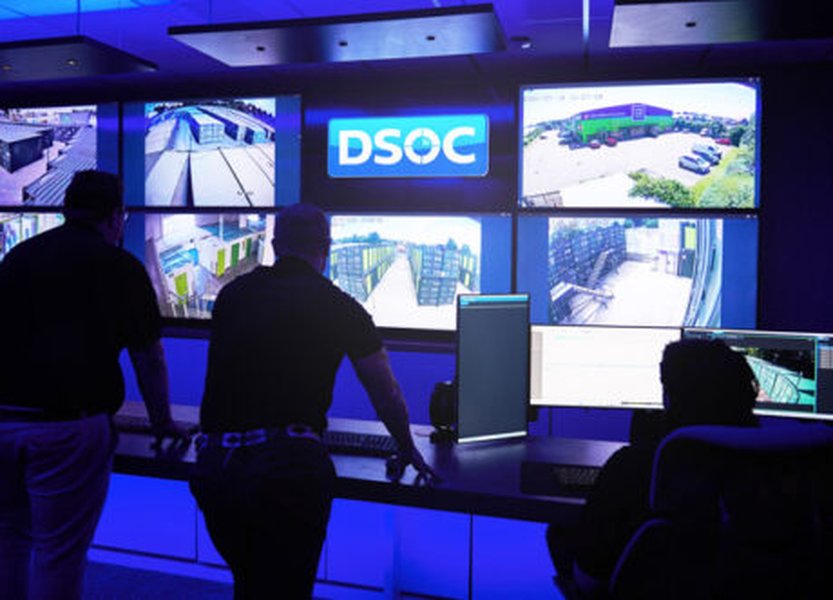
Advanced CCTV systems are crucial for security and can be monitored remotely.
Mindmap: Interconnected Components of Self-Storage Management
The following mindmap illustrates the interconnected nature of various components within self-storage property management. Effective management requires a synergistic approach where technology, operations, customer service, financial stewardship, and security measures all work in concert to achieve business objectives and tenant satisfaction. Understanding these relationships is key to developing a comprehensive management strategy.
This mindmap visually breaks down self-storage property management into its core functional areas, showing how technology underpins many aspects, from operations to tenant interaction and security, all contributing to overall financial health and facility upkeep.
Key Features in Self-Storage Management Software
Choosing the right software for self storage units is a critical decision that can significantly impact operational efficiency and profitability. Different software packages offer a range of features catering to various facility sizes and management styles. The table below outlines common features found in self-storage management software, categorized by typical software tiers, to help operators identify what might best suit their needs. These tools are instrumental in enabling effective remote property management and day-to-day operations.
| Feature Category | Basic Software Tier | Advanced Software Tier | Enterprise Software Tier |
|---|---|---|---|
| Tenant Management | Contact database, basic unit assignment | Digital lease signing, communication logs, tenant portal | Advanced CRM features, automated communication workflows, multi-property tenant history |
| Billing & Payments | Manual invoicing, basic payment tracking | Automated invoicing, online payments, auto-pay options, late fee automation | Integrated payment gateways, complex recurring billing, detailed financial reporting, multi-currency support |
| Unit Management | Unit availability tracking | Interactive facility map, unit type categorization, maintenance tracking | Dynamic pricing tools, advanced unit status tracking (e.g., cleaning, repair), integration with smart locks |
| Reporting | Basic occupancy reports | Customizable reports (financial, operational), delinquency reports | Advanced analytics, business intelligence dashboards, multi-facility consolidated reporting, forecasting |
| Access Control & Security | Manual gate code management (if any) | Integration with gate systems, basic security alerts | Full integration with advanced security systems (CCTV, individual unit alarms), remote gate operation, detailed access logs |
| Remote Capabilities | Limited or none | Web-based access, basic remote monitoring | Full cloud-based platform, mobile apps for managers & tenants, comprehensive remote facility control |
| Marketing & Online Rentals | None or manual website updates | Website integration, basic online reservation/rental forms | Built-in marketing tools, SEO optimization, integration with listing sites, full e-commerce rental process |
This table provides a general overview. Specific features and their depth can vary significantly between different software providers. It's crucial for operators to assess their current needs and future growth plans when selecting a software solution.
Frequently Asked Questions (FAQ)
What are the primary benefits of using specialized self-storage management software?
Specialized software for self-storage units offers numerous benefits, including automation of routine tasks like billing and payment reminders, streamlined tenant management, improved accuracy in record-keeping, enhanced security through integration with access control systems, and valuable reporting for data-driven decision-making. It also facilitates online rentals and payments, improving tenant convenience and operational efficiency, often leading to reduced labor costs and increased revenue.
How does remote property management work for self-storage facilities?
Remote property management for self-storage facilities leverages cloud-based software and integrated hardware (like smart gates and cameras) to allow owners and managers to oversee operations from anywhere with an internet connection. This includes managing rentals, processing payments, monitoring security, controlling access, and communicating with tenants remotely. It often reduces the need for constant on-site staff, especially for tasks that can be automated or handled digitally.
Is it possible to manage a self-storage facility completely unmanned or remotely?
Yes, with the right technology and systems in place, it is increasingly possible to manage a self-storage facility largely unmanned or fully remotely. This involves robust self-storage software, automated gate and unit access, online rental and payment platforms, surveillance systems, and often a call center or remote customer service support. While physical maintenance and occasional on-site visits might still be necessary, daily operations can be highly automated for remote self storage unit management.
What are the key security considerations for remote self-storage management?
Key security considerations include reliable access control systems (smart gates, individual unit locks/alarms), comprehensive video surveillance with remote viewing capabilities, adequate lighting, secure perimeter fencing, and robust cybersecurity measures to protect tenant data and online transactions. Prompt response protocols for security alerts are also crucial, which can be facilitated by automated notifications to remote managers or third-party monitoring services.
Recommended Further Exploration
- What are the latest technological advancements in self-storage security systems?
- How can I effectively market my self-storage facility to increase occupancy rates?
- What are the key legal considerations and best practices for self-storage rental agreements?
- Compare the costs and benefits of third-party management versus in-house management for self-storage facilities.
References
Last updated May 19, 2025