
The Benefits of Being Selfless
Discover how altruism enhances our mental, physical, and social well-being
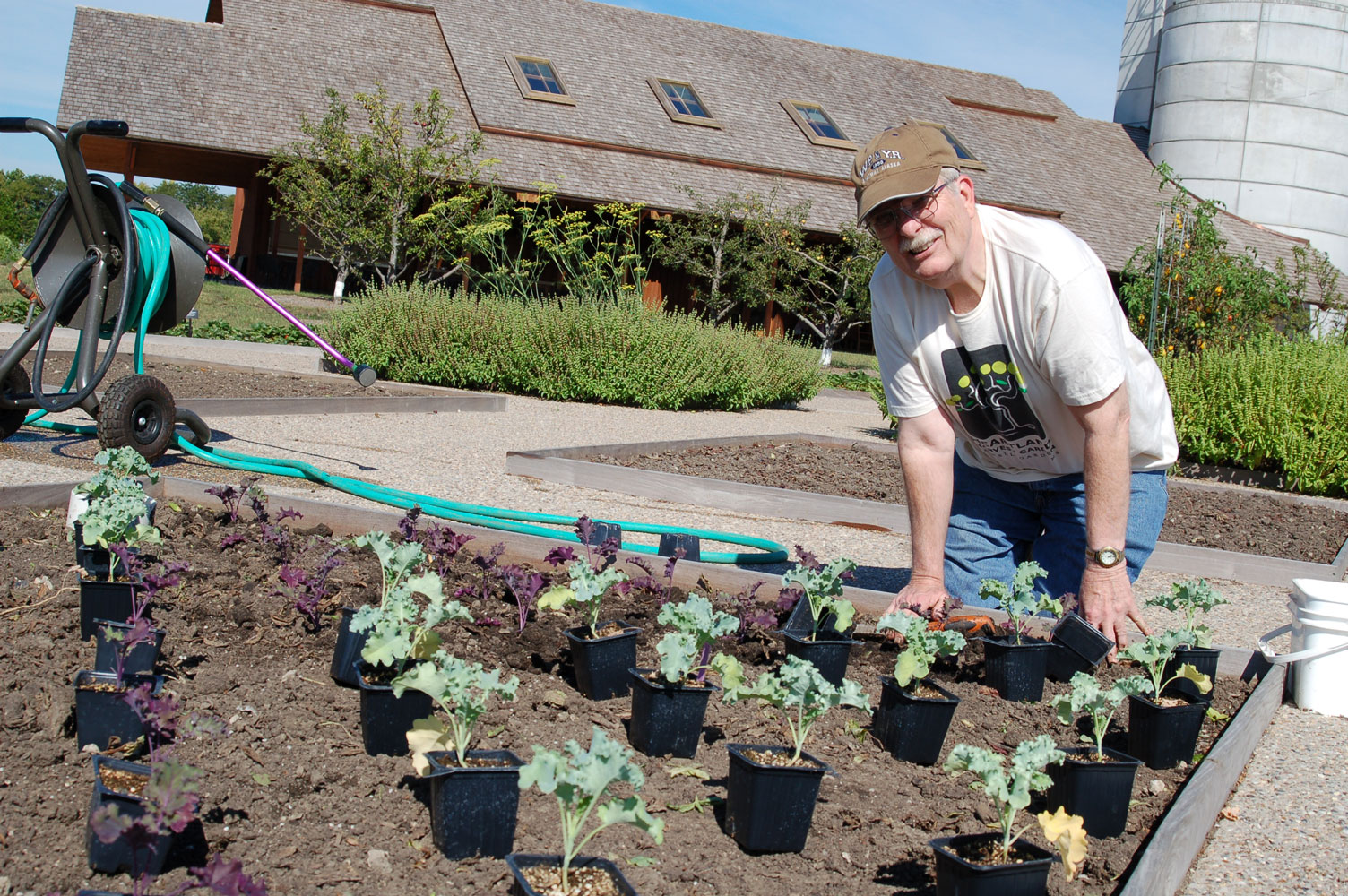
Key Highlights
- Enhanced Mental and Emotional Health: Selflessness reduces stress, improves self-esteem, and fosters happiness.
- Stronger Social Bonds and Community: Altruistic behavior builds lasting relationships, trust, and a sense of belonging.
- Personal Growth and Fulfillment: Engaging in selfless actions deepens one’s purpose, gratitude, and overall life satisfaction.
Introduction
Selflessness, the act of prioritizing the needs of others above our own, is a quality that radiates positive effects across multiple aspects of life. Choosing a life of altruism not only benefits those who receive assistance but also yields significant rewards for the giver. Researchers, psychologists, and spiritual leaders have long underscored the importance of selflessness in cultivating a healthy, balanced, and fulfilling lifestyle. This comprehensive overview will explore the tangible benefits of being selfless in areas such as mental health, emotional well-being, physical health, and social relationships.
Mental and Emotional Health Benefits
Reduced Stress and Anxiety
Numerous studies suggest that selfless acts lead to a decrease in stress and anxiety. When individuals engage in altruistic behavior, such as volunteering or helping someone in need, their focus shifts from personal challenges to the well-being of others. This shift in perspective can temporarily lift the emotional burden of personal difficulties. Scientific research has indicated that selfless acts can help lower stress hormones like cortisol. Lower cortisol levels contribute to an overall sense of calm and reduce the adverse effects of chronic stress on the body.
Improved Self-Esteem and Happiness
Helping others often leads to what is known as the "helper's high," a burst of positive emotions and physiological responses that include the release of endorphins. The act of giving naturally aligns with higher self-esteem. When one feels useful and recognized, self-worth improves. Altruistic behaviors can reinforce the belief that individual actions make a significant difference in the lives of others, boosting personal fulfillment and overall happiness. This cycle of positivity not only elevates mood but also strengthens one’s self-identity.
Emotional and Spiritual Growth
Selflessness encourages emotional intelligence by fostering empathy and compassion. As individuals repeatedly engage in altruistic acts, they enhance their ability to understand and share the feelings of others. This empathetic approach can lead to profound emotional growth, making it easier to navigate interpersonal relationships. Moreover, many spiritual traditions align selflessness with moral growth, suggesting that focusing on the well-being of others can lead to a deeper connection with one’s inner self and a higher purpose in life.
Physical Health Advantages
Lower Blood Pressure and Reduced Stress Hormones
The benefits of selflessness extend into the realm of physical health. Numerous studies provide evidence that selfless behavior can reduce blood pressure and manage stress more effectively by lowering cortisol levels. These physiological benefits are largely attributed to the reduction of stress through compassionate behavior. When the body experiences less stress, the risk of associated health problems such as heart disease decreases.
Enhanced Immune System Function
There is also emerging research that suggests a connection between altruistic behavior and enhanced immune system function. Engaging in acts of kindness can initiate a series of biochemical responses in the body that promote better overall health. Although the precise mechanisms remain the subject of ongoing study, it appears that the positive mental state induced by selfless actions encourages a stronger, more resilient immune system.
Increased Longevity
A lifestyle characterized by selflessness can result in longer life spans. This is partly due to the direct physiological benefits of reduced stress and improved immune function. Moreover, the social interactions linked with altruistic behavior contribute to a more robust support network, which is known to have a significant impact on longevity. Regular social support and meaningful relationships act as buffers against the daily stressors that typically contribute to aging.
Strengthening Social Bonds and Community Impact
Building Trust and Community Spirit
One of the most apparent social benefits of being selfless is the strengthening of social bonds. Altruism inherently builds trust and mutual respect among individuals. When people see acts of kindness, they are more likely to pay it forward, creating a cascading chain of generosity. This has a profound impact on community cohesion, as selfless actions help build robust networks of interdependence and support.
Increased Sense of Belonging
Engaging in selfless acts often creates a stronger sense of belonging in social environments, from close-knit family units to broader community groups. This feeling of inclusion helps reduce societal isolation and engenders a more compassionate and interconnected community. When individuals make a concerted effort to contribute to the well-being of others, they help forge a community ethos rooted in care, respect, and shared responsibility.
Strengthening Relationships
Whether it is within families, neighborhoods, or even professional environments, selflessness paves the way for stronger and more resilient relationships. Acts of kindness serve as foundational building blocks for trust and mutual understanding. They provide the emotional glue that holds relationships together, making the network of social interactions more robust and satisfying.
Personal Growth, Fulfillment, and Self-Discovery
Finding Meaning and Purpose
Personal fulfillment is often linked to the feeling of contributing to something beyond oneself. For many, selflessness offers a unique opportunity to explore spiritual and personal values, leading to a heightened sense of purpose. This process of self-discovery and personal growth is intertwined with experiencing gratitude and fostering a deeper connection to life. In many ways, selfless actions provide the foundation for a more focused and meaningful existence.
Developing Personal Resilience
Selflessness is not solely about giving; it is also about expanding one’s horizons. By stepping outside the self-centered perspective, individuals often discover a greater sense of inner resilience. They learn that overcoming personal struggles is more manageable when sharing abilities and compassion with others. In addition, such experiences can reinforce the idea that personal well-being is intrinsically linked to the health and happiness of those around them.
Embracing Gratitude
When we focus on the needs of others, we cultivate gratitude for what we have. This increased sense of gratitude acts as a counterbalance to many negative emotions, fostering an atmosphere of optimism and contentment. Selfless actions remind us that even small gestures can create a ripple effect of positivity, which in turn benefits both the giver and receiver. Embracing this outlook not only facilitates personal growth but also nurtures a balanced, fulfilling life.
Practical Examples and Applications
Volunteering and Community Service
One of the simplest ways to practice selflessness is through volunteering. Whether it’s spending time at local shelters, participating in community clean-ups, or mentoring young individuals, volunteering offers structured opportunities that can benefit both individuals and communities. The interactions in such settings often lead to enhanced social networks and can be a powerful antidote against isolation.
Acts of Kindness in Daily Life
Beyond formal volunteering, selflessness can permeate everyday activities. Simple acts such as helping a neighbor with groceries, offering a listening ear to a friend in distress, or even greeting someone with a smile can foster an environment of mutual support and respect. These small gestures collectively contribute to an atmosphere where kindness becomes the norm, reinforcing community values and promoting a better quality of life for all involved.
Mentorship and Skill Sharing
Another vital aspect of selflessness is the willingness to share knowledge and skills. Mentorship, whether in professional settings or personal relationships, not only aids in the growth of others but reaffirms the mentor’s own capabilities and strengths. This reciprocal process builds confidence, enhances self-esteem, and ensures that wisdom is passed to future generations, solidifying the legacy of selfless behavior.
Balanced Selflessness: Avoiding Burnout
Understanding Boundaries
While selflessness brings a host of rewarding benefits, it is crucial to maintain balance. Overcommitting to the needs of others without considering personal well-being can lead to burnout, emotional fatigue, and even resentment. An essential aspect of practicing healthy altruism involves setting personal boundaries. This means recognizing when it is appropriate to offer help and when it is necessary to focus on self-care. By managing these boundaries effectively, individuals can ensure that their selfless endeavors continue to be sustainable and fulfilling.
Integrating Self-Care with Altruism
Integrating self-care practices alongside selfless actions is paramount. Regular reflection on personal limits, ensuring sufficient rest, and nurturing one’s mental health equip individuals with the stamina required for sustained altruistic behavior. By ensuring that selflessness does not come at the expense of personal health, one can maintain a healthy balance that benefits both the individual and the broader community.
Comprehensive Benefits Table
| Benefit Category | Description | Examples |
|---|---|---|
| Mental & Emotional Health | Reduced stress, improved self-esteem, increased happiness, and emotional resilience. | Helping a friend, engaging in community service, daily acts of kindness. |
| Physical Health | Lower blood pressure, reduced cortisol levels, improved immune system, and increased longevity. | Engaging in stress-reducing selfless activities, volunteer work, compassionate interactions. |
| Social Bonds | Strengthened relationships, enhanced trust, and a reinforced sense of community and belonging. | Volunteering, mentorship, community group participation. |
| Personal Growth | Deeper sense of purpose, fulfillment, gratitude, and personal resilience. | Mentorship, skill sharing, reflection on personal values. |
| Balanced Living | Learning to set boundaries, integrating self-care with altruistic acts, avoiding burnout. | Establishing personal limits, regular self-care routines, mindful giving. |
References Section
- Selflessness - Minimalism Made Simple
- Importance of Selflessness - Believe in Mind
- The Power of Selflessness - Fondation Jasmin Roy
-
Benefits of Selflessness - The CP Diary
- Being Selfless - LinkedIn Pulse
Recommended Exploration
Last updated March 15, 2025