
Understanding SEO: The Foundation of Online Visibility
Unlock your website's potential with effective search engine optimization techniques.
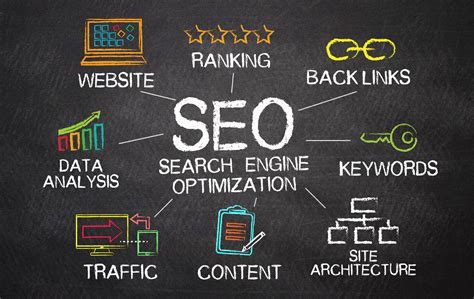
Key Takeaways
- SEO enhances website visibility by improving rankings in organic search results.
- Comprehensive SEO involves on-page, off-page, and technical strategies to optimize all aspects of a website.
- Effective SEO strategies lead to increased organic traffic, better user engagement, and higher conversion rates.
What is SEO?
SEO, or Search Engine Optimization, refers to a collection of strategies and practices aimed at increasing a website's visibility in search engine results pages (SERPs) like Google, Bing, or Yahoo. By optimizing various elements of a website—from its content and structure to its technical configuration and backlink profile—SEO helps search engines better understand and rank the site, thus connecting it with users seeking relevant information, products, or services (Moz, Search Engine Land).
The Importance of SEO
In an increasingly digital world, SEO plays a pivotal role in ensuring that a website stands out amidst the vast ocean of online content. Effective SEO not only drives more organic (unpaid) traffic to a website but also enhances user experience, builds credibility, and fosters brand awareness. As businesses and individuals strive to reach their target audiences, SEO becomes indispensable in achieving sustainable online growth and visibility (Mailchimp, Backlinko).
Core Components of SEO
1. Keyword Research
Keyword research is the foundation of SEO, involving the identification of the words and phrases that potential visitors use when searching for information, products, or services related to a website's content. By understanding and targeting these keywords, website owners can align their content with user intent, thereby increasing the likelihood of higher rankings and attracting more qualified traffic (GeeksforGeeks).
2. On-Page SEO
On-Page SEO focuses on optimizing individual pages within a website to improve their search engine rankings. Key aspects include:
- Content Quality and Relevance: Creating valuable, informative, and engaging content that meets the needs of users and matches search intent.
- Title Tags and Meta Descriptions: Crafting compelling and keyword-rich titles and descriptions that accurately reflect page content and encourage clicks from search results.
- Header Tags (H1, H2, H3): Utilizing headers to structure content logically, making it easier for both users and search engines to navigate.
- Internal Linking: Establishing connections between related pages within the website to enhance navigation and distribute link equity (Search Engine Land).
3. Off-Page SEO
Off-Page SEO encompasses all activities that occur outside of a website but contribute to its authority and ranking in search results. The primary focus is on building a strong backlink profile through:
- Backlink Acquisition: Earning links from reputable and relevant websites, which signal to search engines the site's credibility and authority.
- Social Media Engagement: Promoting content through social platforms to increase visibility and generate organic backlinks.
- Influencer Outreach: Collaborating with industry leaders and influencers to gain exposure and earn high-quality backlinks (Google SEO Starter Guide).
4. Technical SEO
Technical SEO involves optimizing the non-content elements of a website to improve its backend structure and overall performance. Key components include:
-
Website Speed: Ensuring fast load times to enhance user experience and reduce bounce rates.
-
Mobile-Friendliness: Designing responsive websites that perform well on mobile devices, catering to the growing number of mobile users.
-
Secure Sockets Layer (SSL): Implementing HTTPS to secure data transmission and boost search rankings.
- Google SEO Starter Guide
5. Content Optimization
Content optimization involves refining website content to align with the targeted keywords and user intent. This includes:
Benefits of SEO
Implementing effective SEO strategies offers numerous benefits, including:
1. Increased Organic Traffic
Higher rankings in SERPs lead to more visibility, resulting in increased organic traffic. Unlike paid advertising, organic traffic is targeted and sustainable, often leading to higher conversion rates due to the relevance of search intent (Backlinko).
2. Enhanced User Experience
SEO isn't solely about search engines; it also focuses on improving the overall user experience. Factors like fast load times, mobile optimization, and easy navigation contribute to a positive user experience, encouraging longer visits and higher engagement rates (Neil Patel).
3. Credibility and Trust
Websites that rank higher in search results are often perceived as more credible and trustworthy by users. SEO helps establish a brand's authority through quality content and a robust backlink profile, fostering trust among the target audience (Moz).
4. Cost-Effectiveness
Compared to traditional advertising and paid search, SEO offers a cost-effective way to attract targeted traffic. While it requires an initial investment of time and resources, the long-term benefits of sustained organic traffic outweigh ongoing costs of paid campaigns (Digital Marketing Institute).
5. Competitive Advantage
Businesses that prioritize SEO gain a competitive edge in their industry. By consistently applying best practices and staying updated with search engine algorithms, they can outperform competitors, attract more customers, and establish a strong online presence (Ahrefs).
Implementing an Effective SEO Strategy
1. Conduct Comprehensive Keyword Research
Begin by identifying keywords that are relevant to your business, products, or services, and that have a high search volume with manageable competition. Tools like Google Keyword Planner, Ahrefs, and SEMrush can aid in uncovering valuable keywords that align with your target audience's search behavior (GeeksforGeeks).
2. Optimize On-Page Elements
Integrate identified keywords naturally into your content, meta tags, headers, and URLs. Ensure that each page has a unique title tag and meta description that accurately reflect its content. Organize your content logically with the use of header tags and incorporate internal links to related pages to facilitate user navigation and distribute link equity throughout your site (Search Engine Land).
3. Develop High-Quality Content
Create valuable and engaging content that addresses the needs and questions of your target audience. Focus on providing comprehensive information, incorporating relevant keywords, and ensuring readability. Utilize various content formats, such as articles, blog posts, videos, and infographics, to cater to different user preferences and enhance engagement (Yoast, GeeksforGeeks).
4. Build a Robust Backlink Profile
Acquire backlinks from authoritative and relevant websites within your industry. High-quality backlinks serve as endorsements for your content, signaling to search engines that your site is trustworthy and valuable. Strategies for obtaining backlinks include guest blogging, influencer outreach, and creating shareable content that naturally attracts links (Backlinko).
5. Improve Technical SEO
Enhance your website's technical infrastructure to ensure optimal performance and accessibility. This includes optimizing page load speed, ensuring mobile responsiveness, implementing secure HTTPS protocols, and creating a structured sitemap to aid search engines in crawling and indexing your site effectively. Regularly audit your site for technical issues and resolve them promptly to maintain a healthy SEO foundation (Google SEO Starter Guide).
6. Monitor and Analyze Performance
Use analytics tools like Google Analytics and Google Search Console to track your SEO performance. Monitor key metrics such as organic traffic, keyword rankings, bounce rates, and conversion rates. Analyzing these metrics helps identify areas for improvement and allows for data-driven adjustments to your SEO strategy to achieve better results (Ahrefs).
7. Stay Updated with SEO Trends
SEO is a dynamic field, with search engine algorithms constantly evolving. Stay informed about the latest SEO best practices, algorithm updates, and industry trends by following reputable SEO blogs, participating in webinars, and engaging with SEO communities. Adapting your strategies to align with current trends ensures sustained SEO effectiveness and maintains your site's competitive edge (Digital Marketing Institute).
Advanced SEO Techniques
1. Schema Markup and Structured Data
Implementing schema markup helps search engines better understand your website’s content by providing additional context through structured data. This can lead to enhanced search results, such as rich snippets, which improve click-through rates by making your listings more informative and visually appealing (Google SEO Starter Guide).
2. Voice Search Optimization
With the rise of voice-activated devices, optimizing for voice search is increasingly important. This involves focusing on natural language queries, optimizing for local searches, and using long-tail keywords that mirror how people speak. Voice search optimization can capture a broader audience and cater to the growing trend of hands-free information retrieval (Search Engine Land).
3. Mobile-First Indexing
As mobile traffic continues to surpass desktop, search engines prioritize mobile-friendly websites in their indexing and ranking processes. Ensuring that your site is responsive, has fast mobile load times, and offers a seamless mobile user experience is critical for maintaining and improving your search rankings (Google SEO Starter Guide).
4. Content Freshness and Updating
Regularly updating your content keeps it relevant and accurate, which is favored by search engines. Fresh content signals that your website is actively maintained, providing users with up-to-date information. Incorporate recent data, trends, and insights into your existing content to enhance its value and ranking potential (GeeksforGeeks).
5. User Experience (UX) Signals
Search engines increasingly consider user experience metrics, such as dwell time, pages per session, and bounce rate, as indicators of content quality. Enhancing UX through intuitive navigation, engaging design, and valuable content can positively influence these metrics and boost your SEO performance (Moz).
Challenges in SEO
While SEO offers significant benefits, it also presents several challenges:
1. Constantly Evolving Algorithms
Search engines regularly update their algorithms to enhance user experience and search result relevance. Staying abreast of these changes and adapting your SEO strategies accordingly is essential but can be resource-intensive (Wikipedia).
2. High Competition
With the increasing importance of online presence, many industries see fierce competition in search rankings. Achieving and maintaining high rankings requires continuous effort, innovation, and investment in quality SEO practices (Backlinko).
3. Time-Intensive Results
SEO is a long-term strategy, and it can take months to see significant results. Patience and persistence are necessary, as well as managing expectations around the time frame for achieving desired outcomes (Digital Marketing Institute).
4. Technical Complexity
Implementing technical SEO requires a solid understanding of web technologies, coding, and site architecture. For those without technical expertise, optimizing technical SEO elements can be challenging and may require professional assistance (Google SEO Starter Guide).
5. Keeping Up with Trends
The digital landscape is constantly changing, with new SEO trends and best practices emerging regularly. Staying informed and adapting to these shifts is crucial for maintaining SEO effectiveness (Search Engine Land).
Future of SEO
The future of SEO will likely be shaped by advancements in artificial intelligence, machine learning, and changes in user behavior. Key trends include:
1. AI and Machine Learning
Search engines are increasingly leveraging AI and machine learning to better understand user intent and deliver more relevant search results. SEO strategies will need to adapt by focusing on creating content that aligns with these advanced understanding capabilities, emphasizing natural language and context (Google SEO Starter Guide).
2. Voice and Visual Search
The growing use of voice assistants and visual search means that optimization strategies must expand beyond traditional text-based queries. Incorporating multimedia optimization, structured data, and conversational content will become more important (Search Engine Land).
3. Increased Emphasis on User Experience
As user experience becomes a more significant ranking factor, SEO will integrate more closely with UX design. Factors like page load speed, mobile usability, and interactive elements will continue to gain importance (Moz).
4. Personalization of Search Results
Search engines are enhancing their ability to deliver personalized results based on user behavior, location, and preferences. SEO strategies must account for individual user profiles and tailor content to meet diverse needs (Backlinko).
5. Integration with Other Marketing Channels
SEO will increasingly intersect with other digital marketing disciplines, such as content marketing, social media, and email marketing. A holistic approach that integrates SEO with these channels will drive comprehensive online success (Neil Patel).
Recap
Search Engine Optimization (SEO) is a multifaceted strategy focused on enhancing a website's visibility and ranking in organic search results. By effectively implementing keyword research, on-page and off-page SEO, technical optimizations, and content strategies, businesses and individuals can drive more targeted traffic, improve user experience, and establish authority in their respective fields. Despite challenges like evolving algorithms and high competition, SEO remains a critical component of digital marketing, with future trends emphasizing AI, user experience, and the integration of various marketing channels (Moz, Search Engine Land, Google SEO Starter Guide).
Last updated January 11, 2025