
Exploring seRNAseq in Depth
A comprehensive discussion on seRNAseq methodologies, applications, and challenges
Key Takeaways
- Clarification of Term: seRNAseq is used to describe single-embryo RNA sequencing, a specialized method to study gene expression in individual embryos, though it may sometimes be confused with scRNA-seq.
- Methodological Significance: This technique enables high-resolution analyses of gene expression during early developmental stages and can reveal insights into embryogenesis and the effects of paternal or maternal factors.
- Technical and Analytical Considerations: As with other single-cell RNA sequencing methods, seRNAseq faces challenges such as low RNA input, technical noise, and dropout events, requiring specialized protocols, normalization, and quality control measures.
Introduction to seRNAseq
The term “seRNAseq” generally refers to single-embryo RNA sequencing, a technique that harnesses the power of next-generation sequencing to explore the transcriptome of individual embryos. This specialized method has evolved as a pivotal tool in developmental biology, providing unique insights into early embryonic development, gene regulation, and the potential impact of parental factors, such as paternal obesity, on offspring gene expression.
However, it is important to note that the term can sometimes be a source of confusion. In many discussions, similar terminology such as “scRNA-seq” (which stands for single-cell RNA sequencing) is used to refer to the sequencing of individual cells. While scRNA-seq is broad and applies to any single cell in various tissues, seRNAseq is a niche application focusing on entire embryos—a context that demands high sensitivity given the limited number of cells involved.
Conceptual Framework and Methodology
Understanding seRNAseq
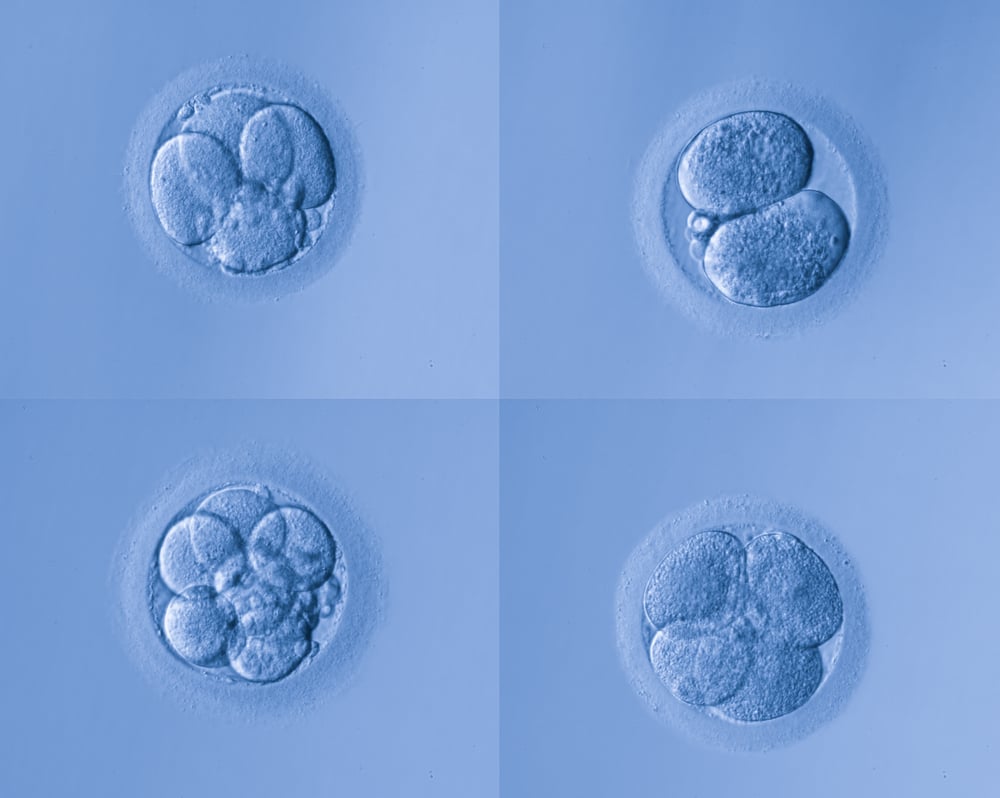
Single-embryo RNA sequencing (seRNAseq) is designed to capture the full transcriptome of an embryo at a specific developmental stage. In many model systems, embryos develop from a small number of cells (for example, eight-cell mouse embryos), providing a unique snapshot into the molecular processes that drive early development. The technique’s ability to analyze the transcriptome at the level of a single embryo distinguishes it from methods that average expression profiles across many embryos or cells.
Researchers leverage seRNAseq to investigate key developmental transitions, gene regulatory networks, and epigenetic modifications. For instance, studies have used this technology to monitor the expression of regulatory genes such as Gata6 and Samd4b, both of which have roles during fat cell differentiation. Elevated levels of these genes in embryos derived from fathers with obesity have been recorded, suggesting a link between parental metabolic status and embryonic gene expression patterns.
Steps Involved in seRNAseq
The process of seRNAseq mirrors many of the steps involved in other RNA sequencing methods, with added specificity to account for the low amount of starting material inherent in embryonic samples. The key steps include:
1. Single-Embryo Isolation
The first critical step is the isolation of individual embryos. Because embryos comprise just a few cells, meticulous handling and isolation techniques are mandatory to ensure the integrity of the sample. Methods such as micromanipulation and laser capture microdissection (LCM) are used to isolate embryos without contamination.
2. RNA Extraction and Purification
Given the small quantity of RNA present in a single embryo, efficient RNA extraction and purification protocols are essential. Special reagents and protocols are optimized to minimize loss of RNA and to protect against degradation. This step typically involves the use of highly sensitive extraction kits that can cope with picogram-scale inputs.
3. Library Preparation
Library preparation for seRNAseq often mirrors protocols developed for single-cell sequencing. This includes reverse transcription to synthesize cDNA, followed by amplification steps. Due to the limited starting material, it is crucial that amplification methods (such as those based on Smart-seq2 or similar full-length transcript sequencing strategies) are both sensitive and accurate. Full-length cDNA protocols are especially advantageous as they allow for the exploration of alternative splicing events and complete transcript isoform analysis.
4. Sequencing and Data Acquisition
Sequencing is then carried out using next-generation sequencing platforms. The choice of platform may vary based on the required depth of coverage and the specific aspects of gene expression being studied. High-throughput sequencers enable researchers to capture a detailed snapshot of the transcriptome, ensuring that even low-abundance transcripts are detected, despite the inherent technical challenges of sequencing tiny RNA quantities.
5. Quality Control and Normalization
Quality control (QC) remains a pivotal part of the process. Given the often high technical noise associated with low-input RNA sequencing, meticulous QC measures are implemented post-sequencing to identify and eliminate low-quality data. This includes analyses of read mapping ratios, the number of detected expressed genes, and the use of spike-ins to calibrate measurement. The normalization step is equally important, as it addresses issues like varying sequencing depths and potential dropout events, which are prevalent in single-embryo or single-cell analyses.
Comparison with scRNA-seq
While both seRNAseq and scRNA-seq leverage similar technological principles, their applications diverge significantly. Single-cell RNA sequencing is a wide-ranging approach applied to any individual cell across tissues, allowing for the exploration of cellular heterogeneity throughout the organism. In contrast, seRNAseq is particularly focused on the analysis of embryos.
The distinction is critically important: seRNAseq is optimized such that even when only a handful of cells are present, the entire transcriptomic landscape of the developmental unit (the embryo) is uncovered. Consequently, the computational and statistical challenges associated with data interpretation—such as dropout normalization and noise reduction—are approached with strategies that are slightly different from those used in bulk or even general scRNA-seq studies.
Applications and Research Implications
Developmental Biology and Embryogenesis
One of the primary applications of seRNAseq is in the field of developmental biology. Knowing which genes are expressed at each stage of embryonic development provides pivotal insights into the mechanisms of cell fate determination, tissue differentiation, and early developmental patterning. For instance, by analyzing the expression profiles of single embryos at various stages (for example, from the eight-cell stage to later blastocyst stages), researchers can chart the trajectories of gene regulatory networks that drive development.
Beyond basic developmental biology, seRNAseq has yielded insights into how environmental factors and parental health status may impact embryogenesis. In studies focusing on metabolic influences, such as the effects of paternal obesity, researchers have detected changes in the transcript levels of genes that are also involved in adipogenesis (the formation of fat cells). Such findings prompt further investigation into the epigenetic and genetic mechanisms that might be influenced by parental diet or health, thereby potentially affecting offspring development.
Medical Research and Reproductive Health
From a clinical perspective, seRNAseq holds promise in the evaluation of reproductive health and in the early diagnosis of developmental disorders. By obtaining a comprehensive transcriptome from a single embryo, clinicians and researchers can potentially identify biomarkers that flag developmental abnormalities or genetic defects early in a pregnancy. These biomarkers may pave the way for new interventions, improved reproductive technologies, or more tailored strategies for managing high-risk pregnancies.
Moreover, seRNAseq contributes to the study of assisted reproductive technologies (ART). Understanding gene expression profiles at the single-embryo level can help in optimizing conditions for in vitro fertilization (IVF) by providing criteria for selecting embryos with the best developmental potential.
Evolutionary and Comparative Genomics
In the realm of evolutionary biology and comparative genomics, seRNAseq allows for cross-species comparisons of embryonic gene expression. Differential patterns of gene expression across species during embryogenesis can be examined, thereby offering clues to evolutionary adaptations, species-specific developmental programs, and conserved genetic pathways. Such studies are critical for understanding both the diversity and unity of developmental processes amongst different organisms.
Technical Challenges and Considerations
Sensitivity and Input Limitations
One of the foremost challenges of seRNAseq is the limited amount of starting material. Because each embryo comprises a very small number of cells, the total amount of RNA obtainable is minuscule. This limitation necessitates the use of highly sensitive amplification techniques that can generate robust signal without introducing significant biases.
Low input material also raises the possibility of dropout events—a situation where some transcripts may not be detected simply because they are below the detection threshold. Dropouts complicate the subsequent data analyses, increasing the variability and necessitating computational methods that can accurately differentiate between truly unexpressed transcripts and technical artifacts.
Normalization and Quality Control
Normalization in seRNAseq is challenging due to the inherent technical noise and variable capture efficiency. Techniques must be adapted to account for fluctuations in RNA input, sequencing depth, and amplification artifacts. Quality control steps typically include the analysis of spike-in controls, evaluation of mitochondrial read ratios, and statistical measures to ensure that low-quality or degraded RNA samples are filtered out.
For instance, while traditional bulk RNA sequencing methods employ normalization strategies that average gene expression over thousands of cells, seRNAseq must contend with the high variability seen in single embryo samples. As such, specialized normalization protocols and imputation methods—developed for single-cell analyses—are often applied in seRNAseq projects.
Data Analysis and Interpretation
Data generated from seRNAseq are typically high-dimensional and noisy, necessitating robust computational frameworks to extract biologically meaningful insights. Gene identification, differential expression analysis, and pathway enrichment require algorithms that account for the increased technical variability. Researchers often use statistical models that incorporate dropout distributions and variance stabilization, thereby enhancing the reliability of their findings.
Interpretation of seRNAseq data involves complex analyses such as clustering, principal component analysis (PCA), and differential gene expression, adapted from single-cell RNA sequencing methodologies. The comprehensive data not only reveal the global transcriptional landscape of the embryo but also provide the opportunity to explore alternative splicing and isoform variability, which are essential for understanding developmental regulation.
Comparative Summary: seRNAseq vs. scRNA-seq
Below is a table that summarizes the main differences between seRNAseq and scRNA-seq, highlighting aspects that are particularly relevant when choosing an approach for specific research goals:
| Aspect | seRNAseq (Single-Embryo RNA-seq) | scRNA-seq (Single-Cell RNA-seq) |
|---|---|---|
| Sample Source | Entire embryo at a particular developmental stage | Individual cells isolated from tissues or cultures |
| Cellularity | Low cell number; additional challenges due to few cells per embryo | Large-scale profiling of thousands to millions of cells, enabling population-level analysis |
| Applications | Developmental biology, embryogenesis studies, IVF optimization | Cell type identification, disease modeling, tissue heterogeneity analysis |
| Technical Challenges | Minimal RNA input, increased dropout events, sensitivity to technical variation | High dimensionality and noise; requires rigorous normalization and batch-effect correction |
| Data Interpretation | Focus on developmental pathways and gene regulatory networks in early embryos | Identifying cell subpopulations, pathway enrichment, and dynamic gene expression changes across diverse cells |
Conclusion
seRNAseq represents a highly specialized and powerful methodology designed for analyzing gene expression in single embryos. By providing complete transcriptomic insights at a crucial developmental stage, seRNAseq has emerged as an invaluable tool in developmental biology, reproduction research, and comparative genomics. Despite technical challenges such as low RNA input and increased variability, advancements in library preparation, normalization, and data analysis continue to enhance the reliability and depth of the results obtained.
As research continues to evolve, seRNAseq will undoubtedly contribute to our understanding of early embryonic development and how intrinsic and extrinsic factors shape the gene expression programs fundamental to life itself.
References
RNA-seq basics, applications and protocol - Genome Medicine
Single-cell RNA-seq insights - Nature
Genetics and Transcriptomics Analysis - Frontiers in Genetics
New trends in single-cell studies - Nature Communications
RNA-Seq Basics and Applications - Technology Networks
Single-cell RNA-seq methodologies - EMBO Press
Overview of Single-Cell Sequencing - Wikipedia
Full-text article on single-cell sequencing - PMC
Single-embryo RNA sequencing study - Nature
Learn More
Last updated February 18, 2025