
Settlement Expansions and Peace Negotiations
Understanding the Complex Impact of Settlements on Middle East Peace Efforts
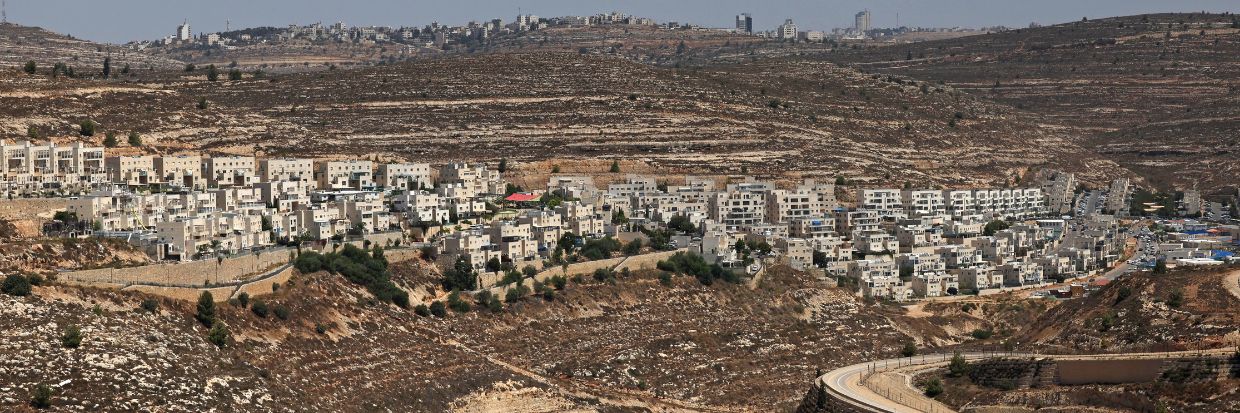
Key Highlights
- Undermining Territorial Integrity: Settlements fragment Palestinian land, complicating the establishment of a contiguous state.
- Deep-rooted Distrust and Violence: The expansion of these outposts fuels mistrust and can provoke violent confrontations.
- Political and Legal Obstacles: Domestic pressures, international legal challenges, and discriminatory practices further deepen the conflict.
Introduction
The Israeli-Palestinian conflict has long been marred by disputes over land, identity, and political sovereignty. One particularly contentious aspect of this enduring conflict is the expansion of settlements. Settlement expansions refer to the systematic construction and enlargement of Israeli communities in territories that Palestinians claim for a future sovereign state. This practice has surfaced as a core complication in peace negotiations, as it directly affects the prospects and the viability of a two-state solution.
In this discussion, we will explore the multifaceted role of settlement expansions, detailing how they undermine the factual and legal basis for peace. We will assess the impact of these expansions on territorial integrity, trust-building, political dynamics, and international law. This comprehensive analysis uncovers both the symbolic and practical dimensions of settlements that continue to obstruct the path to a sustainable peace.
Territorial Integrity and Viability of a Palestinian State
One of the primary consequences of settlement expansions is their disruptive impact on the territorial coherence that is vital for the creation of a viable Palestinian state. The expansion of settlements often results in a fragmented geography, wherein Palestinian lands become interspersed with Israeli communities. This physical fragmentation complicates efforts to delineate clear and contiguous borders essential for statehood.
Fragmentation of Land
As settlements continue to grow, they encroach upon areas that Palestinians consider integral to their future state. The mosaic-like layout of these settlements makes it increasingly difficult to secure a contiguous territorial unit. The division can lead to:
- A reduction in the geographic area available for a sovereign Palestinian state.
- Challenges in ensuring proper connectivity between Palestinian communities.
- Obstacles to establishing a unified infrastructure and administering governance efficiently across dispersed regions.
The segmented geography not only diminishes the physical space but also erodes the political and economic viability necessary for a sovereign state. Without clear territorial boundaries, economic integration, administrative efficiency, and security coordination suffer greatly.
Illustrative Table: Impact on Territorial Cohesion
| Aspect | Impact of Settlements | Resulting Challenges |
|---|---|---|
| Geographical Fragmentation | Discontinuous land that disrupts territorial coherence | Difficulties in establishing unified governance |
| Infrastructure Disruption | Interspersed settlements impede network planning | Problems in developing integrated transport and utility networks |
| Economic Viability | Fragmented markets limit growth and development | Inefficient resource allocation and hindered economic progress |
Erosion of Trust and Increased Tensions
Trust is a crucial element for any successful negotiation, particularly in regions scarred by decades of conflict. Settlement expansions have a significant negative impact on trust-building measures between Israelis and Palestinians. The persistent growth of settlements is perceived as a unilateral move that signals an unwillingness to compromise, fostering an environment where peace negotiations are approached with deep-seated skepticism.
Provocation of Violence and Mistrust
The cycle of settlement expansion, demolition of Palestinian property, and subsequent evictions creates a volatile environment that often escalates into violence. Such actions:
- Trigger retaliatory responses from affected Palestinian communities.
- Entrench a narrative of injustice and oppression among the Palestinian population.
- Increase the likelihood of sporadic violent encounters or organized clashes.
Each violent incident further deepens mistrust, making it increasingly difficult for the negotiating parties to engage in meaningful dialogue. This ongoing cycle of provocation and response creates an atmosphere where negotiation efforts are continuously undermined by the fear of renewed conflict.
Diplomatic Deadlock and Negotiation Barriers
The impact of settlement expansions on the peace process extends into the realm of international diplomacy as well. Palestinian negotiators have frequently cited settlements as a clear indication that any peace talks are essentially compromised from the start. When one party perceives the other as not genuinely committed to a peaceful resolution, the negotiation process tends to reach an impasse.
This diplomatic deadlock is further compounded by the fact that settlement activity is often seen as part of a broader strategy aimed at preemptively reducing the land available for a Palestinian state. Consequently, the mere continuation of settlement expansions sends a message that any negotiated solution is being undermined, thus reducing the willingness of Palestinian negotiators to engage with proposals that do not address the settlement issue.
Political Dynamics and Domestic Pressures
Beyond the immediate physical and security-related obstacles, settlement expansions also play a significant role in the political arena. Domestic political dynamics in Israel and broader regional influences significantly affect the course of negotiations, often in ways that fortify settlement activities.
Internal Political Pressures
Israeli domestic politics are a notable factor in perpetuating settlement expansions. Many Israeli leaders face intense political pressure from right-wing factions and settler communities. This internal dynamic often leads to:
- The continuation or even acceleration of settlement construction, despite international criticism.
- A political environment where concessions in peace talks are seen as undermining national security or identity.
- Constraints on policymakers who might otherwise be open to negotiation compromises, fearing electoral repercussions.
The domestic debate within Israel thus becomes inherently intertwined with the broader peace process, with settlement policy acting as both a symbol of national identity for some and a point of international contention for others.
International Legal and Diplomatic Implications
The legal discourse surrounding settlements further complicates the peace negotiations. The international community, including organizations and several national governments, largely perceives these settlements as violations of international law. Such a widespread view not only delegitimizes the settlement expansion policy but also complicates diplomatic efforts by:
- Creating friction between Israel and its international partners, thus reducing diplomatic leverage.
- Muddling negotiations since any potential solution must contend with these legal and moral challenges.
- Reinforcing the perception among Palestinians and international observers that the settlements are a deliberate tactic to permanently undermine the feasibility of a two-state solution.
The international legal dimension acts as an additional constraint on the peace process, as any proposal must navigate not only bilateral discussions but also align with broader principles of international law and human rights.
Long-term Strategic and Humanitarian Implications
Settlement expansions have ramifications that extend well beyond immediate political and territorial concerns. They fundamentally affect the long-term strategic landscape of the region and have severe humanitarian implications, which further disrupt the potential for peace.
Strategic Obstruction of a Two-State Solution
Many analysts argue that the ongoing expansion of settlements is strategically aimed at making the formation of a viable Palestinian state virtually impossible. This broader strategy is seen in the way settlements are strategically placed to:
- Create a network of Israeli presence that extends deep into Palestinian territories.
- Solidify a demographic advantage that makes future political reassignment of land extremely challenging.
- Ensure that any eventual state boundaries are skewed in favor of existing settlement clusters.
The deliberate and continual spread of settlements forces any future peace deal to confront questions of territorial contiguity and demographic balance. Critics argue that rather than paving the way for a realistic Palestinian state, these expansions are configured to preclude it, thus undermining the entire framework of a two-state solution.
Humanitarian Issues and Quality of Life
In addition to the geopolitical ramifications, settlement expansions directly affect the lives of Palestinians on the ground. They often lead to:
- Restrictions on freedom of movement due to the installation of checkpoints and security barriers often associated with settlement expansion.
- Loss of access to agricultural lands, water resources, and other critical infrastructure supporting Palestinian livelihoods.
- Heightened risks of violence and confrontation, as settlers and Palestinian residents come into closer and more frequent contact.
These humanitarian issues exacerbate daily hardships and foster an environment of resentment. The resulting socioeconomic disparities not only worsen the immediate living conditions of Palestinians but also diminish the broader prospects for a societal landscape where mutual coexistence might be feasible.
Interplay of International Relations and Diplomatic Maneuvering
The influence of settlement expansions is not confined to the borders of the Israeli and Palestinian territories; it also significantly affects international relations and diplomatic discussions. The expanded settlements complicate dialogue on several fronts:
Global Diplomatic Stance and International Pressure
Nearly all major international bodies and an overwhelming majority of governments consider the settlement expansions illegal under international law. This widespread condemnation:
- Creates a persistent diplomatic dilemma for Israel, as it must reconcile its domestic policies with international expectations.
- Reinforces the narrative that peace negotiations are inherently unequal, as Palestinians insist on the cessation or reversal of settlement activities before meaningful negotiations can resume.
- Complicates the role of mediators who must navigate between conflicting international legal interpretations and geopolitical interests.
Moreover, the actions of key international players, especially nations with significant political and economic clout, sometimes reflect a divided stance. This inconsistency not only hampers cohesive diplomatic pressure but also lends credence to the arguments of those who see settlement expansions as a tactic to solidify long-term claims to contested territories.
Media Narratives and Public Perception
The portrayal of settlement expansions is deeply embedded in media narratives, both in the region and internationally. The extensive coverage of violence linked to these settlements, along with reports on legal breaches, strongly influences public perception and diplomatic stances. This media scrutiny not only reinforces the status quo of mistrust but also elevates the settlement issue as a symbolic and tangible counterpoint in the quest for peace.
Long-Term Implications for Peace and Stability
Settlement expansions have the potential to cast long shadows over the entire peace process. Their continued growth can result in a series of entrenched consequences that will shape future negotiations and regional stability:
Entrenchment of a De Facto Reality
As settlements expand, a de facto reality takes hold that complicates any future redrawing of borders. These establishments often become permanent fixtures of the landscape, serving as anchor points that will be very difficult to reverse even when political circumstances change. This entrenchment makes it challenging to revert to a status quo that would enable a two-state solution.
Impact on Generational Perspectives
The long-term nature of settlement expansions also affects generational attitudes on both sides. Younger generations grow up in an environment marked by physical separation, reduced interaction, and persistent conflict narratives. Such environments foster deep-seated mistrust and can harden public sentiments against any form of compromise.
In combination, these factors suggest that settlement expansions are not merely a tactical or logistical challenge but represent a profound strategic obstacle with far-reaching implications for any future peace or reconciliation effort.
Conclusion
Settlement expansions are central to understanding why peace negotiations between Israelis and Palestinians are so fraught with difficulty. They undermine territorial integrity, dismantle trust between the parties, and reinforce an environment of violence and legal discontinuity. The physical fragmentation of Palestinian land, coupled with domestic political pressures and international legal disputes, coalesce into a formidable barrier that obstructs both the potential for a contiguous Palestinian state and the broader prospects for a negotiated peace.
In dissecting these complex dynamics, it becomes evident that settlements are not an isolated issue; they are intricately woven into the socio-political and legal fabric of the conflict. As long as settlement expansions continue unabated, any discussions aimed at realizing a two-state solution or a comprehensive peace settlement will be compromised by an environment defined by mistrust and entrenched barriers. The challenge moving forward is to address these multifaceted issues through a combination of diplomatic pressure, legal action, and a renewed commitment to dialogue that takes into account both the humanitarian and strategic consequences of settlement policy.
Moving towards peace will require confidence-building measures that transcend territorial disputes and focus on rectifying the systemic imbalances that have been created by prolonged settlement expansion. Only by acknowledging and addressing these deep-rooted issues can a lasting and just resolution be achieved.
References
- Document on Negotiations Breakdown - United Nations
- Israel's Settlement Expansions Show It's Not Interested in Peace - Mic
-
Israel Continues Settlement Expansion - The Organization for World Peace
- UN Press Release on Settlement Issues - United Nations
Related Queries for Further Exploration
 d3n8a8pro7vhmx.cloudfront.net
Last updated February 27, 2025