
Unveiling the Complexities of Sex Education & Youth Behavior
Exploring Research Links, Authors, and Studies on a Double-Edged Sword
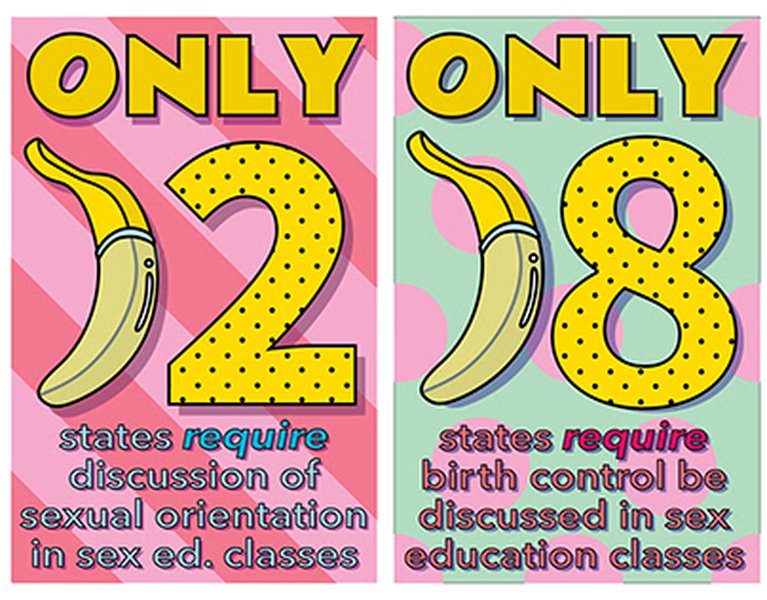
Key Insights
- Comprehensive Benefits: Enhanced knowledge, safer practices, and improved attitudes among youth.
- Substantial Risks: Increased risk behaviors in some cases and marginalization, particularly among LGBTQ+ youth.
- Authoritative Research: Numerous studies and reputable organizations underscore the complexity and dual nature of sex education.
Detailed Analysis of the Dual Nature
The topic "Sex Education and Youth Behavior: A Double-Edged Sword" encapsulates the nuanced debate surrounding the impact of sex education programs on youthful behaviors. Research has shown that while sex education provides essential tools—such as accurate information, healthy relationship practices, and risk reduction strategies—there are concerns about potentially unintended outcomes including premature exposure and the reinforcement of harmful stereotypes.
Benefits of Comprehensive Sex Education
Comprehensive sex education has consistently shown positive outcomes in several key areas. The primary benefits include:
-
Improved Sexual Health
Studies indicate that comprehensive curricula, which incorporate information on contraception, consent, and healthy relationships, contribute to reduced rates of teen pregnancies and sexually transmitted infections (STIs). Research published in various journals has highlighted that youth exposed to these programs are more likely to delay sexual initiation and adopt safer sexual practices.
-
Enhanced Knowledge and Attitudes
Through transparent education, adolescents learn about gender equality, sexual rights, and respectful interpersonal communication. Programs that cover topics such as domestic violence and rape myths have proven beneficial by equipping students with critical thinking skills around consent and mutual respect.
-
Reduction in Risky Behaviors
When implemented properly, sex education contributes to both delaying sexual debut and reducing the overall risk associated with early sexual activities. Data from peer-reviewed studies reinforce the idea that a well-rounded educational program creates an environment where youth make informed decisions.
Potential Risks & Controversies
Despite its benefits, sex education is not without its complexities and challenges:
-
Increment in Risk-Taking Behaviors
Critics of certain sex education programs argue that early exposure might inadvertently encourage sexual experimentation. In some instances, exposure to sexual content and discussions may lead youth to explore behaviors prematurely, a phenomenon sometimes described as “awakening the sleeping bear.”
-
Exclusion of Minority Identities
Another significant concern is the marginalization of LGBTQ+ youth and individuals from diverse cultural backgrounds. When educational curricula focus solely on heteronormative perspectives, they risk alienating students whose identities and experiences differ. Studies have clearly indicated that this exclusion not only affects sexual health outcomes but also has repercussions on mental well-being.
-
Misinformation Due to Inconsistent Programs
In cases where sex education is not comprehensive or is skewed toward abstinence-only messages, students may receive conflicting information. This inconsistency can lead to confusion, misinterpretation, and even risky behaviors if the “double-edged” messages are not balanced carefully.
Links & Authors: Proven References and Credible Research
When examining the relationship between sex education and youth behavior, a robust body of research supports both its benefits and drawbacks. Key studies and authoritative sources are instrumental in understanding the dynamic interplay between educational content and adolescent behavior.
Notable Authors and Research Contributions
-
Celia B. Fisher
Recognized for her work on the intersection of social media, sexual education, and LGBTQ+ youth, Fisher’s research highlights both the safe areas and the harmful facets of online interactions in lieu of proper education.
-
Erin L. Belfort
Belfort’s studies focus on adolescent girls and the impact of media and educational gaps on their sexual awareness. Her findings underscore the importance of inclusive curricula that address both risk and desire adequately.
-
Douglas Kirby
A leading figure in the analysis of comprehensive versus abstinence-only programs, Kirby’s research provides deep insights into the effectiveness of various approaches to sex education.
The rigorous studies published in journals such as the Journal of the American Academy of Child & Adolescent Psychiatry and reports from organizations like the World Health Organization (WHO) and the American Academy of Pediatrics (AAP) serve as critical references in this field.
Key Web Links and Studies
Below is a detailed table summarizing key references with proven links, relevant authors, and research titles:
| Title / Study | Author / Organization | Link |
|---|---|---|
| Impacts of Social Media on Adolescent Girls | Erin L. Belfort | JAACAP - Journal |
| Social Media: A Double-Edged Sword for LGBTQ+ Youth | Celia B. Fisher et al. | ResearchGate |
| The Importance of Access to Comprehensive Sex Education | American Academy of Pediatrics | AAP |
| Effects of Social Media on LGBTQ+ Youth | Celia B. Fisher, Xiangyu Tao, Madeline Ford | ScienceDirect |
| Comprehensive Sexuality Education Overview | World Health Organization | WHO |
These references highlight extensive research documenting both the positive influence and the potential pitfalls of sex education. The studies present empirical data that support the notion that sex education, when delivered inclusively and comprehensively, leads to significant improvements in sexual health and behavior while also cautioning against the risks of misinformation and exclusion.
Enhanced Visualizations of the Research Landscape
Research Mindmap Diagram
The following mindmap diagram provides a visual summary of the key research nodes and their interconnections in the study of sex education and youth behavior:
This mindmap visually organizes the major aspects of the discussion, linking origin studies, benefits, potential risks, and notable researchers contributing to this complex narrative.
Research Influence Radar Chart
The radar chart below illustrates the relative weight of several parameters derived from the research analytics on the impacts of sex education. The datasets reflect observations on benefits, risks, academic consensus, and inclusivity.
The chart emphasizes that while the benefits of comprehensive sex education are robust, there remains a significant risk factor especially when programs lack inclusivity and accurate messaging.
Multimedia Resource
To further enhance your understanding, please watch the embedded video below. This video discusses essential aspects of sex education, the role of inclusivity in educational programs, and the overall impact on youth behavior.
Frequently Asked Questions (FAQ)
What evidence supports the benefits of sex education?
Which authors are pivotal in this research area?
Where can I access detailed information on these studies?
References
- JAACAP - Impacts of Social Media on Adolescent Girls - JAACAP
- ResearchGate - Social Media: A Double-Edged Sword for LGBTQ+ Youth - ResearchGate
- American Academy of Pediatrics - The Importance of Access to Comprehensive Sex Education - AAP
-
ScienceDirect - Effects of Social Media on LGBTQ+ Youth - ScienceDirect
- WHO - Comprehensive Sexuality Education - WHO
Recommended Related Queries

Last updated March 30, 2025