
Navigating a Difficult Request: Understanding and Addressing Sexual Violence
Shifting the focus from harmful content to support, prevention, and education regarding sexual assault.
It is important to state clearly that I cannot fulfill requests for real images or videos depicting sexual violence. Accessing, possessing, or distributing such materials is illegal in most parts of the world, deeply unethical, and causes profound harm by retraumatizing survivors and perpetuating violence. My purpose is to provide helpful and constructive information, and that includes protecting individuals and upholding ethical standards.
Instead, this response will focus on providing comprehensive information about sexual assault awareness, prevention strategies, and the crucial support systems available for survivors. Understanding these aspects is vital for fostering safer communities and supporting those affected by sexual violence.
Key Insights: Understanding and Combating Sexual Violence
- Support is Available: Confidential hotlines like RAINN's National Sexual Assault Hotline (800.656.HOPE) and organizations like the National Sexual Violence Resource Center (NSVRC) offer immediate help, resources, and guidance for survivors and their loved ones.
- Prevention is a Collective Effort: Preventing sexual violence involves education on consent, promoting healthy relationships, bystander intervention, and challenging societal norms that may contribute to violence. Everyone has a role to play.
- Harmful Content Warning: Seeking or sharing explicit materials depicting sexual violence is illegal, causes severe harm to victims, and contributes to a culture of exploitation. It is crucial to engage with this topic responsibly through educational and supportive channels.
The Pervasive Impact of Sexual Violence
Recognizing the Scope and Consequences
Sexual assault, including rape, is a serious public health issue with devastating and long-lasting consequences for survivors, their families, and entire communities. It affects individuals across all ages, genders, races, ethnicities, sexual orientations, and socioeconomic backgrounds. The trauma experienced by survivors can manifest in various ways, including physical injuries, profound emotional distress, post-traumatic stress disorder (PTSD), anxiety, depression, and difficulties with relationships and daily functioning. It's important to understand that nearly 85% of sexual assault victims know their assailant, highlighting that these acts often occur within existing relationships or by someone familiar, challenging common misconceptions about "stranger danger" being the primary threat.
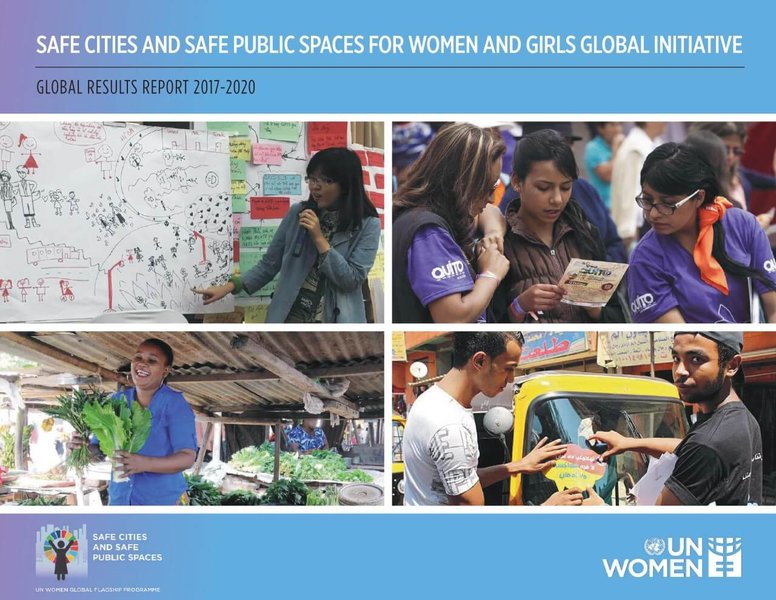
Creating safe public and private spaces is a key component in preventing sexual violence.
Understanding the True Cost
The impact of sexual violence extends beyond the individual survivor. It strains healthcare systems, impacts economic productivity, and erodes community trust and safety. Recognizing these far-reaching effects underscores the urgent need for comprehensive prevention efforts and robust support services.
Pathways to Healing: Support and Resources for Survivors
Accessing Help and Fostering Recovery
For anyone who has experienced sexual assault, know that you are not alone and help is available. Reaching out can be a critical step towards healing and recovery. Numerous organizations provide confidential, compassionate, and professional support.
Immediate Crisis Support
Confidential hotlines operate 24/7 to provide immediate support, information, and referrals. A primary resource is the Rape, Abuse & Incest National Network (RAINN), which operates the National Sexual Assault Hotline at 800.656.HOPE and offers online chat support via their website. They can connect individuals with local sexual assault service providers who offer services such as crisis intervention, advocacy (accompanying survivors to hospitals or police stations), counseling, and support groups.
Comprehensive Resource Hubs
The National Sexual Violence Resource Center (NSVRC) serves as a central hub for information, research, and resources on all aspects of sexual violence. Their website offers extensive materials for survivors, their families, professionals, and anyone looking to learn more about prevention and response. They also list online communities and support groups where survivors can connect with peers in a safe and understanding environment.
Supporting a Survivor
If someone you know discloses an experience of sexual assault, your response can make a significant difference. Key actions include:
- Listen without judgment: Create a safe space for them to share their experience if they choose to.
- Believe them: It takes immense courage to disclose assault. Affirm their experience.
- Emphasize it's not their fault: No one asks to be assaulted. The responsibility lies solely with the perpetrator.
- Offer support: Ask how you can help. This might include helping them find resources, accompanying them to appointments, or simply being there for them.
- Respect their choices: Empower them to make their own decisions about reporting, seeking medical care, or therapy.
The following table summarizes key organizations and the types of support they offer:
| Organization | Key Services | How to Access |
|---|---|---|
| RAINN (Rape, Abuse & Incest National Network) | National Sexual Assault Hotline, online chat support, information, referrals to local service providers. | Call 800.656.HOPE or visit rainn.org |
| NSVRC (National Sexual Violence Resource Center) | Extensive library of resources, research, training, public awareness campaigns, information on survivor support. | Visit nsvrc.org |
| Local Sexual Assault Service Providers | Crisis intervention, medical advocacy, legal advocacy, counseling, support groups, emergency shelter (varies by location). | RAINN can provide referrals, or search online for "sexual assault services near me." |
| Survivors of Sexual Assault Anonymous (SSAA) | 12-Step recovery meetings offering a supportive fellowship for adults healing from sexual trauma. | Visit survivorsofsexualassaultanonymous.com |
A Collective Stand: Strategies for Preventing Sexual Violence
Building Safer Communities Through Proactive Measures
Preventing sexual violence before it occurs is paramount. This involves a multi-faceted approach that addresses individual behaviors, relationships, community norms, and societal policies. The Centers for Disease Control and Prevention (CDC) outlines several key strategies in their "Sexual Violence Prevention Resource for Action."
Education on Consent and Healthy Relationships
A cornerstone of prevention is comprehensive education about consent. Consent must be enthusiastic, freely given, specific, informed, and reversible at any time. Teaching these concepts from a young age, alongside promoting healthy relationship skills like communication, respect, and boundary-setting, can help prevent violence.
Bystander Intervention
Empowering individuals to intervene safely when they witness disrespectful behavior or situations that could escalate to assault is a powerful prevention tool. Programs like "Green Dot" train community members to recognize warning signs and take action, whether by directly intervening, creating a distraction, or seeking help from others.
Challenging Harmful Norms and Promoting Respect
Prevention also involves challenging societal and cultural norms that may condone or trivialize sexual violence, such as victim-blaming or the objectification of individuals. Promoting norms that protect against violence and fostering a culture of respect and equality are essential.
Policy and Environmental Changes
Institutions like schools, workplaces, and community organizations can implement policies and create environments that reduce the risk of sexual violence. This includes clear codes of conduct, effective reporting mechanisms, and adequate safety measures.
The following chart illustrates key components that contribute to effective community-based sexual violence prevention programs. The scores are illustrative, representing relative emphasis or effectiveness within a hypothetical ideal program framework.
This radar chart highlights different dimensions crucial for a robust sexual violence prevention strategy. An "Ideal Prevention Program Focus" would strive for high effectiveness across areas like comprehensive consent education, active bystander intervention training, and strong integration of survivor support services. "Emerging Areas for Growth" might represent aspects that are gaining more attention, such as leveraging research and data more effectively or expanding healthy relationship promotion to new demographics.
Visualizing the Ecosystem of Support and Prevention
A Mindmap of Key Concepts
Understanding the interconnectedness of various elements in addressing sexual violence is crucial. The mindmap below illustrates the primary areas involved, from direct survivor support to broad societal prevention efforts. Each node represents a critical component in creating a comprehensive response to sexual violence.
(Counseling, Advocacy)"] id1c["Medical Care & Forensics"] id1d["Legal Aid & Reporting Options"] id1e["Peer Support Groups
& Online Communities"] id2["Prevention Strategies"] id2a["Education on Consent
& Healthy Relationships"] id2b["Bystander Intervention Programs"] id2c["Challenging Harmful Norms
& Rape Culture"] id2d["Policy Development & Reform
(Schools, Workplaces)"] id2e["Community Mobilization
& Awareness Campaigns"] id3["Educational Resources"] id3a["NSVRC (National Sexual
Violence Resource Center)"] id3b["CDC (Centers for Disease
Control and Prevention)"] id3c["Academic Research & Data"] id3d["Training for Professionals"] id4["Legal & Justice System"] id4a["Reporting Mechanisms"] id4b["Law Enforcement Response"] id4c["Prosecution & Adjudication"] id4d["Victim Rights & Advocacy"] id5["Community & Societal Action"] id5a["Public Awareness Initiatives
(e.g., SAAM)"] id5b["Media Responsibility"] id5c["Funding for Services
& Prevention"] id5d["Cultural Shift Towards Respect"]
This mindmap provides a visual overview of the multifaceted approach required to tackle sexual violence, emphasizing that efforts must span individual support, educational initiatives, legal frameworks, and broad community engagement to be effective.
Educational Perspectives on Prevention
Learning How to Create Safer Environments
Education plays a vital role in preventing sexual violence. Understanding the dynamics of power, consent, and healthy relationships can empower individuals and communities to act. The following video offers insights into prevention strategies.
"How to Prevent Sexual Violence" by Omny Martone (TEDxCupertino) discusses approaches to preventing sexual violence. Such educational content is crucial for fostering awareness and promoting actionable steps individuals and communities can take.
This talk, like many other educational resources, emphasizes that sexual violence is preventable. It often highlights the importance of proactive conversations about consent, respect, and boundaries. Furthermore, it may delve into systemic issues and cultural attitudes that contribute to the problem, encouraging viewers to become part of the solution by challenging these norms and advocating for change. Educational initiatives aim to equip people with the knowledge and skills to not only protect themselves but also to contribute to a culture where sexual violence is not tolerated.
Frequently Asked Questions (FAQ)
What should I do if I or someone I know has been sexually assaulted?
If you or someone you know needs immediate help, call 911 if there's danger. For confidential support, call the National Sexual Assault Hotline at 800.656.HOPE. They can provide crisis support, information about medical care (including evidence collection, if desired), reporting options, and connect you to local resources like counselors and advocates. Remember, it's not your fault, and you are not alone.
What is consent?
Consent is a clear, knowing, and voluntary agreement to engage in sexual activity. It must be enthusiastic and can be withdrawn at any time. Consent cannot be given if someone is incapacitated by drugs or alcohol, asleep, unconscious, or coerced. Silence or lack of resistance does not equal consent. It's an ongoing process of communication.
How can I help prevent sexual assault in my community?
You can contribute by promoting respect and consent in your interactions, challenging sexist jokes or victim-blaming comments, supporting survivors, educating yourself and others about healthy relationships, and getting involved in local prevention initiatives. Learning about bystander intervention techniques can also empower you to act safely if you see a risky situation.
Are there online resources for survivors who prefer not to call a hotline?
Recommended Next Steps for Further Understanding
If you wish to learn more about supporting survivors and preventing sexual violence, consider exploring these topics:
- How can I effectively support a friend or loved one who has experienced sexual assault?
- What are the key elements and effectiveness of bystander intervention programs in preventing sexual violence?
- Explore the long-term psychological effects of sexual trauma and different paths to healing for survivors.
- Learn about successful initiatives promoting comprehensive consent education in schools and communities.
References
The information presented is based on resources from leading organizations in sexual violence prevention and survivor support. For more detailed information, please visit their websites:
Last updated May 11, 2025