
Understanding and Responding to Sexual Violence: A Guide to Support and Resources
Navigating a path to safety, healing, and justice with comprehensive information and support networks.
Requests for content depicting real sexual violence, such as "real rape videos," unfortunately touch upon material that is illegal, deeply harmful, and exploitative. Sharing, creating, or viewing such non-consensual material perpetuates trauma for survivors and is against the law in most jurisdictions. My purpose is to provide assistance that is safe, ethical, and respectful. Therefore, I cannot fulfill requests for such content.
Instead, this guide focuses on providing comprehensive information about sexual assault, resources for survivors, pathways to healing, and how to support those affected. If you or someone you know has experienced sexual violence, please know that you are not alone and help is available.
Key Insights for Support and Action
- Immediate confidential support is available 24/7: Hotlines like RAINN's National Sexual Assault Hotline (1-800-656-HOPE) offer free, confidential help anytime.
- Reporting sexual assault is a courageous step: There are multiple ways to report, and doing so can be a part of the healing process and help prevent future harm.
- Recovery from trauma is possible: With appropriate resources, therapy, and support networks, survivors can navigate the path to healing and reclaim their lives.
The Nature of Sexual Violence and Its Depiction
Understanding the Harm and Illegality
Sexual assault is a serious crime that inflicts profound physical, emotional, and psychological trauma on survivors. Content depicting real sexual violence is not only illegal to produce and distribute in many contexts (especially when involving minors or non-consensual acts) but also causes significant harm:
- Re-traumatization: Viewing such material can re-traumatize survivors and those who have experienced similar events.
- Exploitation: It exploits individuals who have been victimized, violating their dignity and privacy.
- Normalization of Violence: The availability of such content can contribute to the desensitization and normalization of sexual violence.
- Legal Consequences: Possessing or distributing illegal pornographic material, including non-consensual content, carries severe legal penalties.
Instead of seeking out harmful content, focusing on education, prevention, and support for survivors is crucial for addressing the root causes and consequences of sexual violence.
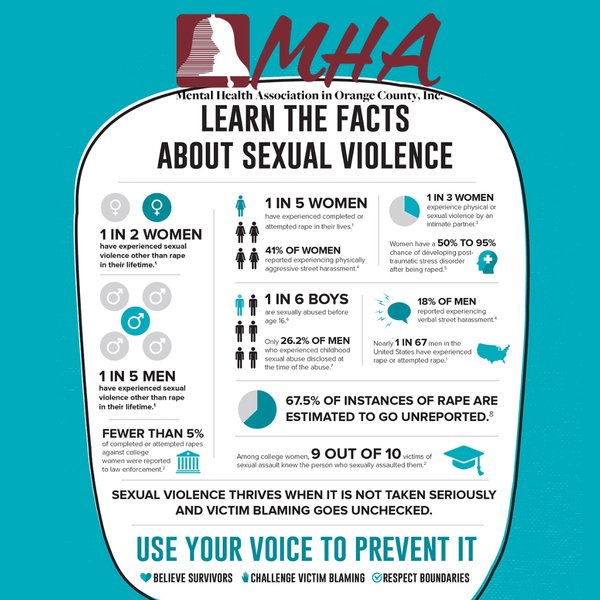
Promoting awareness and support is key to combating sexual violence.
Finding Immediate Support: Hotlines and Key Organizations
If you or someone you know needs immediate assistance or wants to talk to someone confidentially, several national and local organizations offer support. These services are typically free and available 24/7.
National Hotlines and Resources
These organizations provide crisis intervention, information, and referrals to local services across the country.
- RAINN (Rape, Abuse & Incest National Network): Operates the National Sexual Assault Hotline at 1-800-656-HOPE and offers online support at RAINN.org. They provide confidential support, information, and can connect you with local resources.
- National Sexual Violence Resource Center (NSVRC): Offers a wide range of resources for survivors, their families, and professionals. Visit nsvrc.org to find information and support.
- SAMHSA (Substance Abuse and Mental Health Services Administration): SAMHSA's National Helpline at 1-800-662-HELP (4357) offers confidential treatment referrals and information for individuals and families facing mental and/or substance use disorders, which can be co-occurring with trauma.
- VictimConnect Resource Center: Provides help for all crime victims, including those of sexual assault. Call 1-855-4VICTIM (1-855-484-2846) or chat online via their website.
Local Support
Many communities have local rape crisis centers and victim advocacy services that offer in-person support, counseling, support groups, and assistance with medical or legal processes. You can often find these resources through the national hotlines or by searching online for "rape crisis center near me."
Pathways to Healing: Understanding Trauma and Recovery
Sexual assault can lead to significant emotional and psychological trauma, including Post-Traumatic Stress Disorder (PTSD), anxiety, depression, and difficulties with trust and relationships. Healing is a personal journey and can take time, but recovery is possible.
Understanding the Impact of Trauma
Common reactions to trauma can include:
- Flashbacks, nightmares, and intrusive thoughts
- Avoidance of reminders of the assault
- Heightened anxiety, fear, or hypervigilance
- Feelings of numbness, detachment, guilt, or shame
- Difficulty sleeping or concentrating
- Changes in mood, including depression or irritability
It's important to remember that these are normal reactions to an abnormal event, and help is available to manage these symptoms.
Therapeutic Approaches and Coping Strategies
Professional Therapy
Several evidence-based therapies are effective for treating trauma related to sexual assault:
- Cognitive Behavioral Therapy (CBT): Helps individuals identify and change negative thought patterns and behaviors.
- Eye Movement Desensitization and Reprocessing (EMDR): A therapy designed to alleviate the distress associated with traumatic memories.
- Trauma-Focused Cognitive Processing Therapy (CPT): Helps individuals challenge and modify unhelpful beliefs related to trauma.
- Somatic Therapies: Focus on the mind-body connection and addressing how trauma is stored in the body.
Self-Care and Coping Mechanisms
Alongside professional help, self-care strategies can support healing:
- Establishing a routine and ensuring basic needs (sleep, nutrition) are met.
- Engaging in grounding techniques to manage anxiety or dissociation.
- Connecting with supportive friends, family, or support groups.
- Setting healthy boundaries in relationships.
- Engaging in activities that bring a sense of calm or joy.
- Avoiding alcohol or drugs as coping mechanisms, as they can exacerbate symptoms.
Visualizing Key Dimensions of Survivor Support Systems
Effective support systems for survivors of sexual assault are multi-faceted, addressing various needs from immediate crisis intervention to long-term healing and community engagement. The radar chart below illustrates some key dimensions that contribute to a comprehensive support framework. Ideally, all these aspects should be robust and accessible to every survivor.
This chart highlights areas such as immediate crisis response, access to specialized medical care (like Sexual Assault Nurse Examiners - SANEs), legal support, trauma-informed mental health services, ongoing support for long-term recovery, community-wide prevention efforts, and ensuring services are accessible and inclusive for all survivors.
Taking Action: Reporting Sexual Assault
Deciding whether and how to report a sexual assault is a personal choice. Survivors should be empowered to make the decision that feels right for them. If you choose to report, there are several avenues.
How to Report
- Law Enforcement: You can report to your local police department. They will take a statement and investigate the crime. A victim advocate may be available to support you through this process.
- Medical Professionals: If you seek medical attention after an assault, you can report it to the hospital staff. They may have Sexual Assault Nurse Examiners (SANEs) or Sexual Assault Forensic Examiners (SAFEs) who are specially trained to collect forensic evidence and provide care. This evidence collection (often called a "rape kit") can be done even if you are undecided about pressing charges immediately.
- Anonymous Reporting: Some jurisdictions or institutions offer options for anonymous or confidential reporting, which may not trigger a full investigation but can help authorities understand the prevalence of assault and provide support.
- Campus Authorities: If the assault occurred on a college campus, you can report it to campus security or Title IX coordinators.
Importance of Reporting
While the decision is personal, reporting can:
- Hold the perpetrator accountable and potentially prevent them from harming others.
- Allow for the collection of evidence that may be crucial if you decide to pursue legal action later.
- Connect you with victim services and support.
- Be an empowering step for some survivors in their healing journey.
It's important to know your rights. You have the right to have an advocate present during interviews and medical exams, and to be treated with dignity and respect throughout the process.
Supporting Someone Who Has Experienced Sexual Assault
If someone confides in you that they have experienced sexual assault, your support can make a significant difference. Here are some ways to help:
- Listen without judgment: Let them share as much or as little as they are comfortable with. Avoid asking probing questions or expressing disbelief.
- Believe them: False accusations are rare. Affirm that you believe them and that it's not their fault.
- Validate their feelings: Reassure them that their emotions are valid, whatever they may be (e.g., anger, fear, sadness, confusion).
- Emphasize it's not their fault: The blame for sexual assault always lies with the perpetrator.
- Offer practical support: This could be helping them find resources, accompanying them to appointments (if they want), or assisting with daily tasks.
- Respect their decisions: Do not pressure them to report, seek therapy, or take any action they are not ready for. Empower them to make their own choices about their healing process.
- Help them find resources: Gently suggest professional help, such as hotlines, counseling, or support groups, but respect their pace.
- Take care of yourself: Supporting a survivor can be emotionally taxing. Ensure you have your own support system.
This video from Fairfax County provides insights into supporting sexual assault survivors, emphasizing the importance of community and professional resources.
Navigating Support and Recovery: A Mindmap Overview
The journey after experiencing sexual assault can be complex. The mindmap below offers a visual representation of the various interconnected pathways to support and recovery, from immediate safety measures to long-term healing strategies and ways to help others.
(e.g., RAINN)"] id1b["Medical Attention
(SANE/SAFE Exams)"] id1c["Securing a Safe
Environment"] id2["Reporting Options"] id2a["Law Enforcement"] id2b["Title IX (Educational
Institutions)"] id2c["Workplace Reporting
Mechanisms"] id2d["Anonymous/Confidential
Reporting Channels"] id3["Healing & Recovery"] id3a["Professional Therapy
(CBT, EMDR, etc.)"] id3b["Support Groups
(Peer Support)"] id3c["Self-Care Strategies
(Grounding, Routine)"] id3d["Understanding Trauma
& Its Effects"] id3e["Legal Advocacy &
Victim Services"] id4["Supporting Others"] id4a["Listen & Believe"] id4b["Respect Autonomy
& Decisions"] id4c["Encourage Professional
Help (Gently)"] id4d["Educate Yourself
on Trauma"]
This mindmap illustrates that survivors have multiple avenues for seeking help, reporting (if they choose), and engaging in healing practices. It also highlights the important role that informed support from others can play in a survivor's recovery journey.
Key Support Organizations at a Glance
Here's a summary of some primary national organizations dedicated to supporting survivors of sexual assault, offering a range of services from immediate crisis intervention to long-term resources and advocacy.
| Organization | Primary Focus | Key Services Offered | Contact / Website |
|---|---|---|---|
| RAINN (Rape, Abuse & Incest National Network) | National anti-sexual violence organization | National Sexual Assault Hotline (phone & online chat), victim services, public education, policy advocacy. | 1-800-656-HOPE rainn.org |
| NSVRC (National Sexual Violence Resource Center) | Provides research, resources, and technical assistance on sexual violence | Resource library, training, public awareness campaigns, support for state coalitions and local programs. | nsvrc.org |
| SAMHSA (Substance Abuse and Mental Health Services Administration) | Leads public health efforts to advance behavioral health | National Helpline for mental health and substance use referrals, resources on trauma-informed care, disaster distress helpline. | 1-800-662-HELP (4357) samhsa.gov |
| The Center for Sexual Assault Survivors | Local/regional direct service provider (example type) | Crisis intervention, counseling, support groups, advocacy (medical and legal), community education. (Note: Many such centers exist locally) | Varies by location (search for local "rape crisis center") |
| NCTSN (National Child Traumatic Stress Network) | Raises standard of care and improves access to services for traumatized children, their families and communities | Develops trauma-informed interventions, provides training and resources for professionals and families. | nctsn.org |
This table is not exhaustive, but it provides a starting point for finding help. Many other specialized and local organizations also offer vital support.
Frequently Asked Questions (FAQ)
What should I do if I or someone I know needs immediate help after a sexual assault?
If you or someone else is in immediate danger, call 911. If safety is not an immediate concern but support is needed, the first step is to reach out to a trusted person or a confidential hotline like RAINN's National Sexual Assault Hotline at 1-800-656-HOPE. They can provide immediate emotional support, information about medical care (including a forensic exam, often called a "rape kit"), reporting options, and referrals to local resources. Prioritize physical and emotional safety.
Is it possible to report a sexual assault anonymously?
Options for anonymous or confidential reporting vary by jurisdiction and institution. Some police departments or organizations allow anonymous tips or third-party reporting, which may not always lead to a full criminal investigation but can help track incidents and provide data. Colleges and universities often have confidential reporting options through counseling services or Title IX offices. A local rape crisis center or the RAINN hotline can provide information specific to your area and situation.
What are some common emotional responses to sexual assault?
Survivors react to trauma in many different ways. Common responses include shock, fear, anxiety, numbness, guilt, shame, anger, sadness, and confusion. Some may experience flashbacks, nightmares, or have difficulty concentrating. These are all normal reactions to an extremely distressing event. It's important to remember that there's no "right" way to feel, and these responses can change over time. Support and therapy can help manage these emotions.
How can I best support a friend or loved one who has been sexually assaulted?
The most important things are to listen without judgment, believe them, and validate their feelings. Reassure them that it was not their fault. Offer practical support if they need it, but respect their autonomy and decisions about reporting, seeking therapy, or any other steps. Avoid pressuring them. Educate yourself about trauma and encourage them (gently) to connect with professional resources when they are ready. Remember to also take care of your own emotional well-being while supporting them.
Are there specialized resources for male survivors or LGBTQ+ individuals?
Yes, many organizations recognize that sexual assault affects people of all genders and sexual orientations and offer tailored support. Resources like RAINN can often direct individuals to services that are inclusive and understanding of the specific experiences of male survivors, LGBTQ+ survivors, and survivors from other marginalized communities. Some organizations specialize in these areas. For example, 1in6.org focuses on male survivors. It's important to find support that feels safe and affirming.
Recommended Further Exploration
To deepen your understanding or find more specific help, consider exploring these related topics:
- How does trauma-informed therapy help sexual assault survivors?
- What are the legal rights of sexual assault victims during the reporting process?
- How can communities work to prevent sexual violence?
- Understanding consent and healthy relationships.
References
The information provided is based on resources from established organizations. For more detailed information, please visit their websites:
Last updated May 14, 2025