
Discovering Shawwal: Insights into the Tenth Month
Unveiling the significance, historical events, and practices of Shawwal
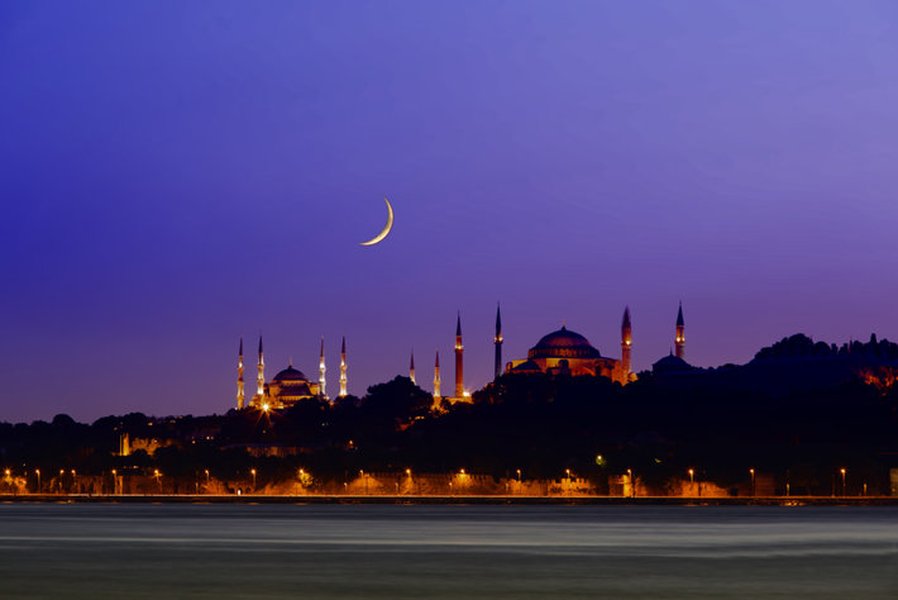
Highlights
- Spiritual Transformation: Shawwal follows Ramadan, emphasizing renewal, reflection, and the reward of fasting six additional days.
- Eid al-Fitr Celebration: Marking the joyous conclusion of Ramadan, this festival strengthens community and charitable spirit.
- Historical and Cultural Significance: With events like the Battle of Uhud and a rich etymology, Shawwal embodies both heritage and renewal.
Understanding Shawwal
Shawwal, the tenth month of the Islamic lunar calendar, carries immense significance for Muslims around the world. Occurring immediately after the month of Ramadan, Shawwal is not only a continuation of spiritual endeavors but also a period for renewal and celebration. The month derives its name from the Arabic verb shāla (شَالَ), meaning "to lift" or "to carry." Historically, this has been associated with the season when camels give birth, symbolizing new beginnings and the nurturing of life.
The month is primarily known for the celebration of Eid al-Fitr on its first day. Eid al-Fitr marks the end of Ramadan, a month characterized by intense fasting, prayer, and reflection. It is a day when Muslims gather for communal prayers, exchange warm greetings, and practice acts of charity such as giving Zakat al-Fitr. Beyond this day, Shawwal encourages the faithful to fast an additional six days, a practice that holds special merit in the Islamic tradition. The renowned saying of the Prophet Muhammad (PBUH) highlights that fasting during Ramadan followed by the six days of Shawwal is as rewarding as fasting for an entire year.
Etymology and Symbolism
The name "Shawwal" is thought to originate from the period when camels become pregnant and give birth, hence "lifting" or "carrying." This etymology underscores the themes of regeneration and sustenance in the Islamic tradition. Additionally, the month acts as a bridge between the intense spiritual focus of Ramadan and the regular rhythm of daily life, encouraging believers to maintain the habits cultivated during Ramadan.
Spiritual and Ritual Practices
Shawwal provides an opportunity for continuous spiritual growth. Its significance extends to several core practices:
Eid al-Fitr
Eid al-Fitr, celebrated on the first day of Shawwal, is one of the two major Islamic festivals. Traditionally, the day is filled with prayers in large congregations, feasting, socializing, and the distribution of Zakat al-Fitr—a mandatory charity given to help the needy complete the fast in a dignified manner.
Six-Day Fasting
Observing the six voluntary fasts in Shawwal is highly recommended. The Prophet Muhammad (PBUH) emphasized the spiritual and reward-based benefits of this practice. These fasts can be observed anytime during Shawwal (except on Eid itself), and many deem it as a continuation of Ramadan's virtuous discipline. This practice is celebrated as a means to consolidate the fasting habit and reinforce a year-round commitment to piety.
Historical Reflections
Shawwal also bears historical importance. One notable event is the Battle of Uhud, which began on the third day of Shawwal. This battle marked a turning point in Islamic history, offering lessons in perseverance and the consequences of strategic lapses. It serves as a reminder of the sacrifices that have shaped the Islamic community and reinforces the importance of unity and disciplined leadership.
Key Dates and Observations
In 2025, Shawwal is anticipated to commence on March 30 or March 31 and extend until April 28, depending on the sighting of the lunar crescent. The precise beginning of Shawwal is determined by both traditional moon-sighting practices and astronomical calculations. In regions like Saudi Arabia and Nigeria, local authorities and Islamic councils rely on these methods to settle on the exact starting day.
The role of specialized agencies and recently even advanced technologies—such as AI and drones—has enhanced the accuracy of moon sighting. This integration of technology with tradition ensures that the observance remains both faithful to its roots and adaptive to the modern context.
Cultural Practices and Community Celebrations
The celebration of Shawwal, especially Eid al-Fitr, varies by culture but retains universally recognized customs:
- Communal prayers and sermons, which provide spiritual guidance and reinforce community solidarity.
- Festive meals and gatherings, where families and friends come together to break the fast and celebrate the end of Ramadan.
- New clothing and decoration of homes, signifying a fresh start and the joy of transformation.
- Increased charitable activities, as the sharing of blessings through donations remains a key part of Islamic practice.
Visual Data Representation
To visually represent the various dimensions of Shawwal—such as spiritual growth, communal celebration, historical events, and cultural practices—we have prepared a radar chart. This chart provides a comprehensive view of how these factors interplay during Shawwal.
Mind Map of Shawwal Themes
The mind map below visually outlines the interconnected themes of Shawwal. It demonstrates how spiritual renewal, historical events, cultural practices, and community celebrations form an integrated framework for understanding this pivotal month.
Further Exploration with Multimedia
For an engaging multimedia perspective on Shawwal, consider watching this insightful video that covers the month’s significance, detailing the cultural and spiritual practices associated with it. The video provides a comprehensive narrative and can serve as an excellent supplementary resource.
Comprehensive Details in Tabular Format
The table below summarizes the key aspects associated with Shawwal, offering a quick reference on its cultural, historical, and spiritual dimensions.
| Aspect | Description | Key Dates/Events |
|---|---|---|
| Spiritual Practices | Observance of six voluntary fasts, continuation of Ramadan's discipline, communal prayers, worship, and charity. | Eid al-Fitr (1st day of Shawwal), six-day fasting |
| Cultural Traditions | Family gatherings, festive meals, new clothing, and decoration of homes symbolizing renewal. | Eid celebrations, communal prayers |
| Historical Significance | Notable events such as the Battle of Uhud that emphasize lessons in sacrifice and the evolution of early Islamic history. | Battle of Uhud (3rd day of Shawwal) |
| Moon Sighting & Observations | Determined through traditional methods and enhanced by modern technology. Variations in start dates based on local sightings. | Expected start: March 30/31, 2025 |
| Eid al-Fitr | Festival marking the end of Ramadan, celebrated with prayers, charity, and communal feasts. | March 30, 2025, or March 31, 2025, based on region |
Frequently Asked Questions
What is Shawwal and why is it significant?
Shawwal is the tenth month of the Islamic lunar calendar, occurring immediately after Ramadan. Its significance lies in the celebration of Eid al-Fitr—the festival marking the end of Ramadan—and the recommended voluntary fasting of six days, which offers spiritual renewal and substantial religious rewards.
How are the dates for Shawwal determined?
The start date for Shawwal is determined by the sighting of the lunar crescent. While traditional methods may vary by region, modern astronomical calculations and even advanced technologies like AI are increasingly being used to enhance accuracy. For example, in 2025, Shawwal is expected to begin on March 30 or 31.
Why fast six days in Shawwal?
The six days of fasting after Ramadan serve as a means to extend the spiritual benefits of the fasting practiced during Ramadan. According to prophetic tradition, fasting these additional days is equivalent in reward to fasting for an entire year, thus reinforcing commitment and continuity in worship.
What historical event is associated with Shawwal?
One of the major historical events associated with Shawwal is the Battle of Uhud, which occurred on the third day of the month. This battle is a crucial reminder of the sacrifices made in the early history of Islam and provides lessons on leadership and discipline.
References
- Islamic Relief UK - Islamic Calendar: Shawwal
- Time Express Nigeria - Sultan Declares 30th March 2025 as Shawwal
- Muslim Aid - Shawwal: Significance and Events
- Date Hijri - Shawwal 1446 AH Calendar
- Fiqh Council of North America - Ramadan & Shawwal Announcement
Recommended Searches
Last updated March 31, 2025