
Ensuring the Longevity of Airborne Electronic Equipment in Storage
Understanding Shelf Life and Best Practices for Avionic Component Preservation
The reliable operation of airborne electronic equipment, often referred to as avionics, is paramount to aviation safety. A critical, yet sometimes overlooked, aspect of maintaining this reliability is understanding and managing the shelf life of these components when they are not actively installed in an aircraft. Unlike components with a fixed operational life based on flight hours or cycles, shelf life pertains to the duration an electronic unit can remain in storage while still being expected to perform to its original specifications when eventually put into service. This comprehensive guide explores the factors influencing the shelf life of airborne electronic equipment, recommended storage conditions, and best practices for inventory management to ensure components are ready for use when needed.
Key Insights into Avionics Shelf Life
- Shelf life is distinct from operational life: It refers specifically to the time a component can be stored before its performance or reliability may degrade, independent of how long it has been used in an aircraft.
- Environmental conditions are critical: Temperature, humidity, and protection from contaminants significantly impact how long electronic components can be stored without degradation.
- Regular testing and inspection are vital: Periodically checking stored components can help identify potential issues before they are installed, ensuring their serviceability.
Defining Shelf Life for Airborne Electronics
Shelf life, in the context of airborne electronic equipment, is the period during which a component can be stored under specified conditions and still be expected to meet its performance requirements upon installation. This differs from the "life limited part" concept, which refers to components with a mandated replacement time based on usage, regardless of storage duration. For many electronic components, the primary concern during storage is not wear and tear from operation but degradation caused by environmental factors and the inherent properties of the materials used in their construction.
The concept of shelf life for electronic parts has been a consideration for logistics planning since at least the 1950s, highlighting its long-standing importance in maintaining a ready supply of functional components.
Factors Influencing Shelf Life
Several factors contribute to the degradation of electronic components during storage:
Materials and Construction
The types of materials used in electronic components, such as solders, adhesives, and plastics, can degrade over time. Solderability of component leads and PCB pads can diminish due to oxidation or intermetallic growth, affecting the quality of solder joints during assembly or repair. Materials like rubber and seals are particularly susceptible to degradation from extreme temperatures.
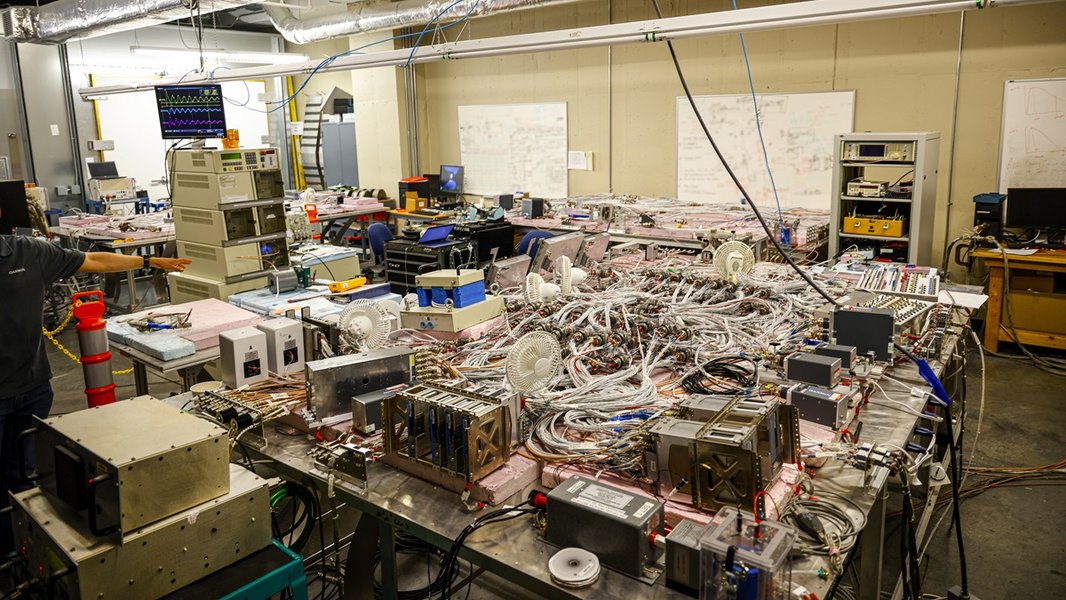
Technicians working on avionics equipment.
Environmental Conditions
Storage environment plays a crucial role. High temperatures accelerate chemical reactions that lead to material degradation. Humidity can cause moisture absorption, particularly in moisture-sensitive components like surface-mount devices (SMDs), which can lead to damage during the soldering process (e.g., the "popcorn" effect). Contaminants like dust and particles can settle on components and PCBs, potentially causing electrical shorts or performance issues.
Component Type
Different types of electronic components have varying shelf life characteristics. For instance, aluminum electrolytic capacitors typically have a shelf life of around 2 years, which can be reduced if stored at high temperatures. Batteries, including those in flight data recorders, are known to have defined shelf lives.
Packaging
Proper packaging is essential for extending shelf life. Sealed, moisture-barrier bags (MBB) with desiccant are commonly used for moisture-sensitive devices. Vacuum packaging can protect components from airborne contaminants and is particularly beneficial for long-term storage of PCBs by preventing deterioration due to environmental factors.
Recommended Storage Conditions
To maximize the shelf life of airborne electronic equipment, adhering to recommended storage conditions is crucial. These guidelines are often based on industry standards and manufacturer specifications.
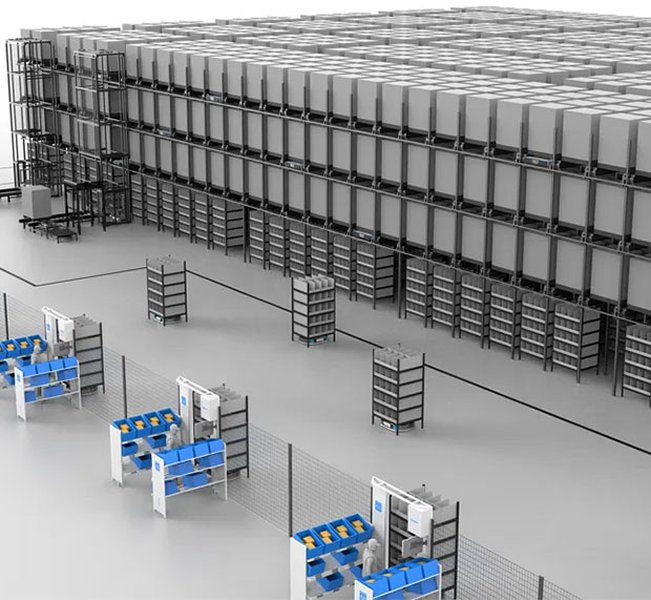
Automated storage system for aerospace components.
Temperature and Humidity Control
Maintaining a stable and controlled environment is paramount. Most aircraft parts and electronic components store optimally between 50-70°F (10-21°C). Some sources suggest a temperature range of 20-25°C for electronic components to minimize thermal stress. Low humidity levels are also critical, ideally at ≥ 5%, to prevent moisture absorption. Climate-controlled storage solutions with thermal insulation and refrigeration systems are highly effective in maintaining these conditions.
For components sensitive to moisture, the moisture sensitivity level (MSL) rating is important. If the MSL is exceeded due to improper storage, components may require baking or reconditioning before use, which can impact their shelf life and solderability.
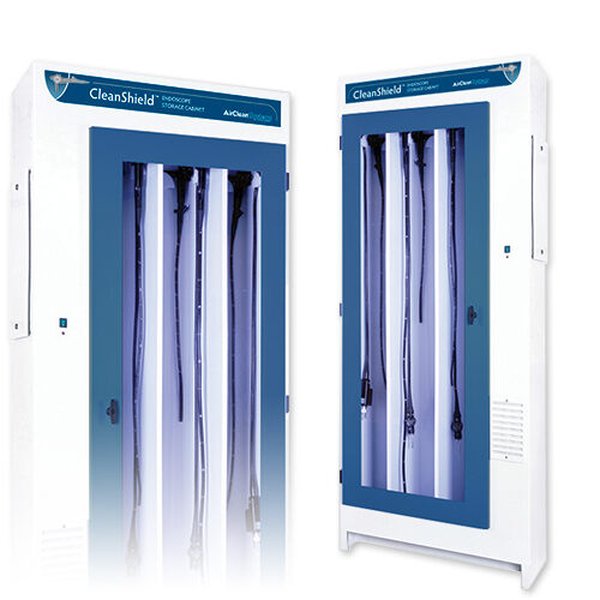
Clean storage cabinet, illustrating controlled environments.
Protection from Contaminants and ESD
Beyond temperature and humidity, protection from dust, particles, and electrostatic discharge (ESD) is vital. Storing electronics in a clean, dry, and secure location is essential. Using anti-static bags or boxes, especially for static-sensitive components, is a standard practice. Storing items on non-conductive materials like wooden pallets can also help mitigate ESD risks.
Proper Packaging and Handling
Keeping components in their original, unopened packaging is ideal. If components must be repackaged, using appropriate materials like sealed bags with desiccant and anti-static properties is necessary. Careful handling to avoid physical damage is also important.
Managing Shelf Life in Inventory
Effective inventory management is key to preventing the use of components that have exceeded their recommended shelf life. This involves implementing procedures for tracking, inspection, and testing.
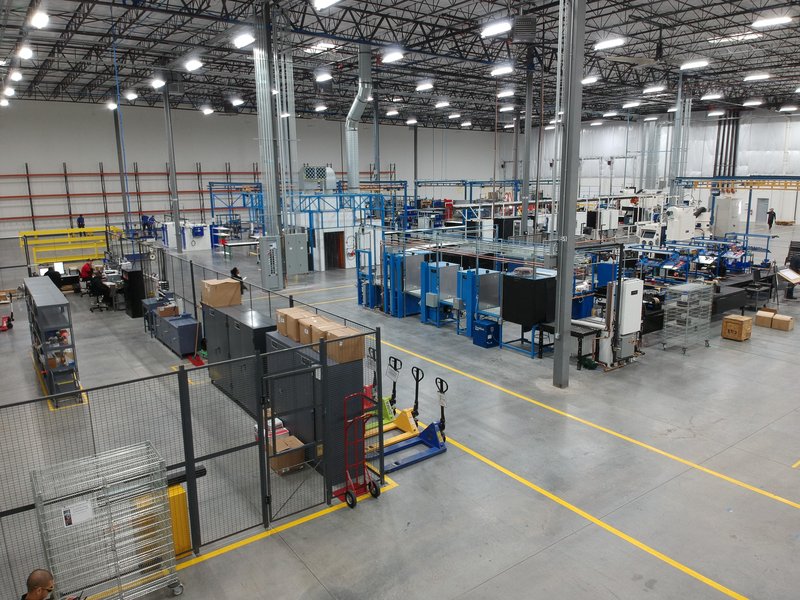
Avionics repair and overhaul facility, highlighting the need for serviceable parts.
Tracking and Documentation
Implementing a robust system for tracking the date of manufacture or receipt and the recommended shelf life of each component is fundamental. This can involve using databases, inventory management software, or even physical labeling systems. Manufacturers often provide specific shelf life recommendations for their products, which should be carefully documented and followed.
Periodic Inspection and Testing
Regularly inspecting stored components for signs of degradation, such as corrosion, damaged packaging, or physical deformities, is recommended. For critical or complex components, periodic function testing can provide confidence in their continued serviceability. This proactive approach helps identify potential issues before a component is urgently needed for installation, reducing the risk of unexpected failures.
The FAA's Inventory Management Guide outlines requirements and standards for the operation of inventory and storage locations, emphasizing the importance of proper management.
FEFO (First-Expired, First-Out) or FIFO (First-In, First-Out)
Employing inventory rotation strategies like FEFO or FIFO helps ensure that older components, which may be closer to their shelf life expiry, are used before newer ones. This minimizes the likelihood of components sitting in storage for excessive periods.
Specific Considerations for Airborne Electronic Equipment
Airborne electronic equipment encompasses a wide range of complexity, from simple mounts to intricate flight control computers. The shelf life considerations can vary depending on the type and criticality of the equipment.
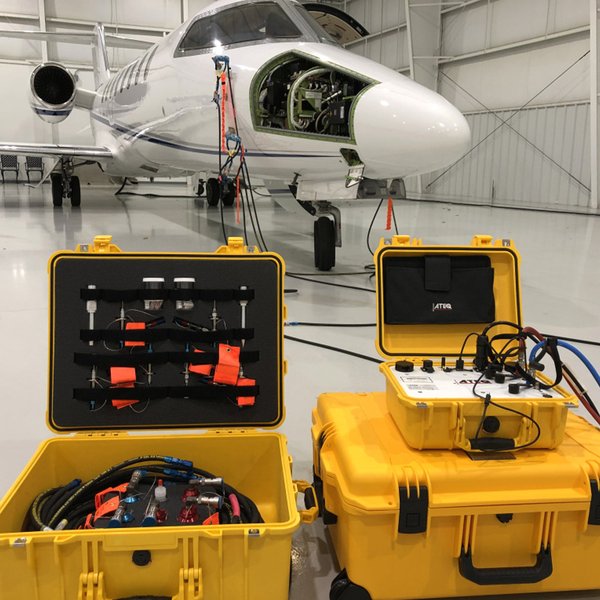
Avionics installation in an aircraft cockpit.
Classification of Equipment
Equipment classifications, such as Flight Critical and Flight Essential, highlight the importance of ensuring the reliability of these components. Anomalies in flight critical equipment can lead to immediate loss of aircraft control, underscoring the need for stringent shelf life management and testing.
Commercial Off-The-Shelf (COTS) Components
The use of COTS components in airborne electronic hardware presents specific challenges regarding shelf life and design assurance. COTS components are not always developed to the same rigorous aviation standards (like DO-254 for hardware) as custom-designed parts. Therefore, understanding the manufacturer's specifications and implementing appropriate testing and verification processes for COTS components is crucial.
Complex Systems
For complex avionics systems, like flight data recorders or communication modules, the shelf life may be influenced by the combined shelf life of various sub-components, including batteries and sensitive electronic parts. Periodic functional checks are particularly important for these systems.
Shelf Life of Specific Electronic Components
While it's challenging to provide universal shelf life guidelines for all airborne electronic equipment, some general periods are often referenced, though manufacturer specifications should always be the primary reference.
| Component Type | Typical Shelf Life Considerations | Notes |
|---|---|---|
| Simple Electronic Components (Resistors, Capacitors - excluding electrolytic) | Often cited as 2 years under controlled conditions. | Consult manufacturer datasheets for specific details. |
| Aluminum Electrolytic Capacitors | Approximately 2 years. High temperatures reduce shelf life. | May require reconditioning if stored for extended periods. |
| Moisture-Sensitive Devices (SMDs) | Dependent on MSL rating and packaging. Can be greater than 5 years in sealed MBB with desiccant for certain MSL levels. | Improper storage requires baking before use. |
| Batteries (Aircraft Main, APU, Flight Data Recorders) | Defined shelf life specified by the manufacturer. | Must be replaced after expiry regardless of use. |
| PCBs (Bare Boards) | Shelf life can be extended with proper vacuum packaging. | Solderability of pads can degrade over time. |
| Avionics Units (Less Complex, e.g., Mounts) | Longest suggested shelf life by some sources, potentially up to 5 years under ideal conditions. | Categories based on complexity and mechanical parts influence this. |
General shelf life considerations for various electronic component types.
Challenges and Solutions
Managing the shelf life of airborne electronic equipment presents several challenges for operators and maintenance facilities.
Storage Costs and Space
Providing climate-controlled and secure storage requires investment in infrastructure and ongoing costs. Efficient use of storage space is also a consideration, particularly for large inventories. Automated storage and retrieval systems can help optimize space and improve inventory management.
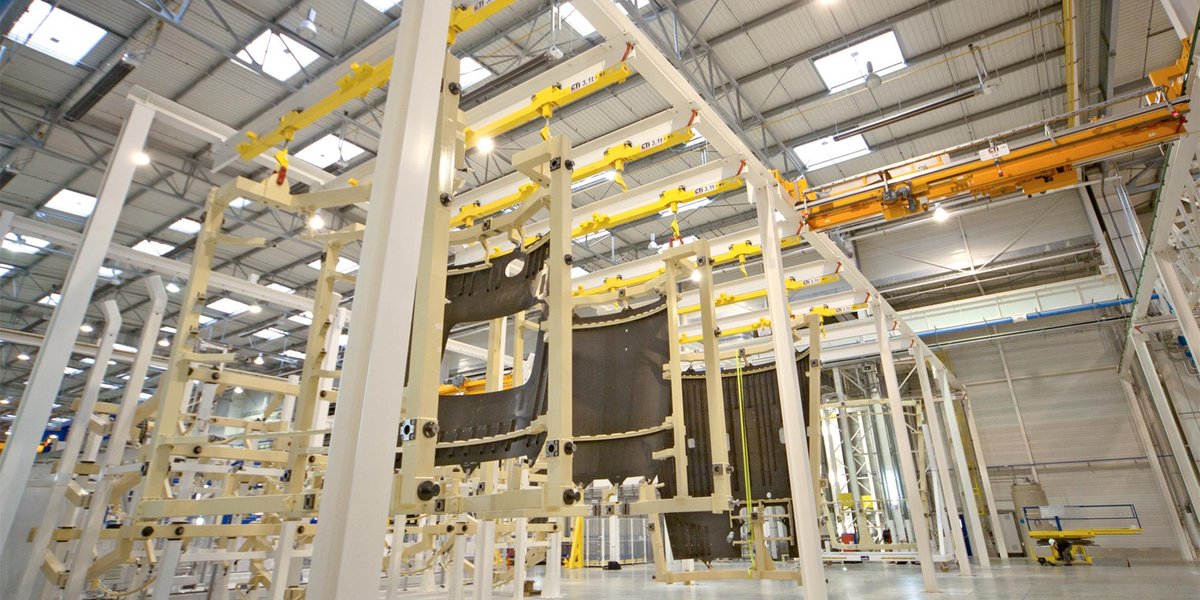
Automated storage system designed for efficiency.
Identifying and Tracking Shelf Life
Keeping track of the shelf life for a diverse range of components from various manufacturers can be complex. Standardized labeling and robust inventory management systems are essential to address this challenge.
Balancing Inventory Levels
Determining the optimal quantity of spares to stock is a balancing act between ensuring availability and minimizing the risk of components expiring in storage. Accurate forecasting of demand and lead times is crucial.
Ensuring Solderability
Degradation of solderability over time is a significant concern for electronic components and PCBs. Proper storage conditions, particularly regarding humidity and temperature, are vital. For components that have been in storage for extended periods, re-tinning of leads may be necessary to ensure reliable solder joints.
Frequently Asked Questions
What is the difference between shelf life and life limited parts?
Shelf life refers to how long a part can be stored before its usability might be compromised, similar to an expiration date on food. Life limited parts, on the other hand, have a maximum operational time or number of cycles after which they must be removed from service, regardless of how long they have been stored unused.
Do all electronic components have a shelf life?
While the impact varies, most electronic components can experience some form of degradation over time, especially if not stored correctly. Components with organic materials, electrolytic capacitors, and those susceptible to moisture or oxidation are particularly prone to shelf life limitations.
Can the shelf life of electronic components be extended?
While shelf life is an inherent characteristic, proper storage conditions, including strict control of temperature, humidity, and protection from contaminants and ESD, can help ensure that components reach their maximum potential shelf life as intended by the manufacturer. Reconditioning processes, like baking for moisture-sensitive devices or re-tinning leads, can sometimes restore usability but may not fully reset the shelf life.
What are the risks of using electronic components beyond their recommended shelf life?
Using components beyond their recommended shelf life increases the risk of premature failure, reduced performance, or inability to function to specifications. This can lead to increased maintenance costs, aircraft downtime, and potentially impact safety.
Where can I find specific shelf life information for a particular avionics component?
The most accurate source for shelf life information is the component manufacturer's datasheet or documentation. Aviation regulatory bodies and industry standards may also provide general guidance or requirements for certain types of equipment.
References
 amazon.com
Last updated April 28, 2025