
Exploring Shelf-Stable Powdered Supplements to Complement Astaxanthin and CoQ10
Enhancing Your Wellness Regimen with Stable Nutritional Support
Key Insights
- Astaxanthin and CoQ10 are potent antioxidants: Both compounds are recognized for their significant antioxidant properties, supporting various aspects of health including cardiovascular function and reducing oxidative stress.
- Powdered supplements offer shelf-stability: Many supplements in powder form are designed to be shelf-stable, providing convenience and longer storage options compared to liquids or some other forms.
- Strategic pairing enhances benefits: Combining Astaxanthin and CoQ10 with other complementary shelf-stable powdered supplements can create a synergistic effect, potentially amplifying their individual benefits for overall well-being.
Astaxanthin and Coenzyme Q10 (CoQ10) are well-regarded supplements, primarily recognized for their powerful antioxidant capabilities. Astaxanthin, a carotenoid found in red algae, is known for its potential benefits in areas like eye health, skin elasticity, and reducing inflammation. CoQ10, or ubiquinone, is a naturally occurring molecule in the body crucial for cellular energy production and is often supplemented for heart health and its antioxidant effects. Both are available in various forms, including powders.
When considering supplementing with Astaxanthin and CoQ10, you might be interested in other shelf-stable powdered supplements that can complement their actions and contribute to overall health. The shelf-stable nature of powders makes them convenient for storage and use, especially for those looking to maintain a consistent supplement routine without refrigeration.
Understanding Shelf-Stable Powdered Supplements
Shelf-stable powdered supplements are formulated to remain potent and safe for consumption when stored at room temperature for extended periods. This stability is often achieved through processes like freeze-drying or by incorporating ingredients that help maintain the integrity of the active compounds. Unlike some liquid or perishable forms, powders generally have a longer shelf life, making them practical for stocking up.
The primary advantage of powdered supplements lies in their versatility and ease of use. They can be easily mixed into water, juices, smoothies, or even incorporated into food, allowing for flexible dosing and consumption. This can be particularly appealing for individuals who have difficulty swallowing pills or capsules.
Manufacturers often include additives like lecithin and maltodextrin in protein powders to prolong their shelf life. Similarly, other powdered supplements may contain ingredients or undergo specific processing methods to ensure their stability at room temperature. Proper storage, typically in a cool, dark place with the container tightly sealed, is still crucial to maintain their quality over time.
The Science Behind Shelf Stability
The shelf stability of powdered supplements is largely due to their low moisture content. Microorganisms require water to grow and multiply, so removing moisture inhibits their activity. Manufacturing processes like spray drying or freeze-drying are commonly used to achieve this low moisture state. Additionally, packaging plays a significant role; opaque containers and airtight seals protect the powder from light, oxygen, and humidity, all of which can degrade supplements.
While many powders are inherently more stable than their liquid counterparts, the specific ingredients and formulation can also impact shelf life. Some vitamins and nutrients are more sensitive to degradation than others. For instance, Vitamin C (ascorbic acid powder) is known for its relative stability in powder form when stored correctly, and its antioxidant properties can even help protect other ingredients.
Understanding these factors can help you choose high-quality, truly shelf-stable powdered supplements to complement your Astaxanthin and CoQ10 intake.
Potential Shelf-Stable Powdered Supplements to Complement Astaxanthin and CoQ10
Astaxanthin and CoQ10 work primarily as antioxidants, protecting cells from damage caused by free radicals. To complement these benefits, consider powdered supplements that support antioxidant pathways, energy production, or overall cellular health. Here are some categories and specific examples:
Antioxidant Support
Enhancing the body's antioxidant defense system can create a synergistic effect with Astaxanthin and CoQ10. Several shelf-stable powdered supplements offer additional antioxidant power:
Vitamin C Powder
Vitamin C, or ascorbic acid, is a well-known and potent antioxidant. It works in both water-soluble and fat-soluble areas of the body, complementing the fat-soluble nature of Astaxanthin and CoQ10. L-Ascorbic Acid Powder is particularly noted for its stability in storage. Vitamin C also plays a role in collagen synthesis and immune function.
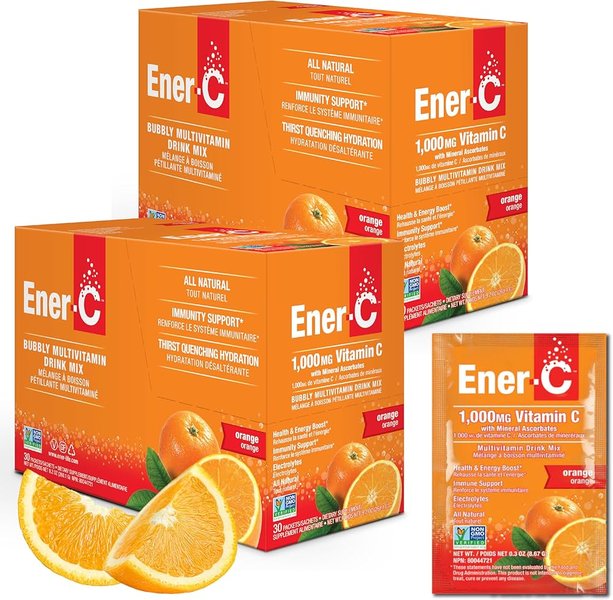
Ener-C Vitamin C Immune Support Powder
Vitamin E Powder
Vitamin E is another fat-soluble antioxidant that can work in conjunction with Astaxanthin and CoQ10 to protect cell membranes from oxidative damage. While often found in oil-based capsules, powdered forms of Vitamin E are also available and can offer shelf stability.
Green Tea Extract Powder
Rich in polyphenols, particularly EGCG (epigallocatechin gallate), green tea extract is a powerful antioxidant. The powdered form is shelf-stable and can be easily added to drinks. Green tea extract may also support metabolism and overall cellular health.
Energy and Mitochondrial Support
CoQ10 is vital for mitochondrial function and energy production. Supplements that support these processes can be excellent companions:
Creatine Powder
Creatine is a well-researched supplement known for its role in providing energy for muscle contractions. It can also have benefits for brain health. While primarily associated with athletic performance, creatine's support for cellular energy can align with CoQ10's function. Creatine monohydrate powder is a common and stable form.
B Vitamin Complex Powder
B vitamins are essential cofactors in various metabolic pathways, including energy production. While some B vitamins can be more sensitive to degradation than others, a well-formulated B complex powder can provide a range of these vital nutrients in a shelf-stable form, supporting overall energy metabolism alongside CoQ10.
Overall Wellness and Complementary Benefits
Beyond direct antioxidant or energy support, other powdered supplements can offer complementary benefits:
Probiotic Powders
Certain probiotic strains are formulated to be shelf-stable and do not require refrigeration. A healthy gut microbiome is linked to overall health and can influence nutrient absorption and immune function. Including a shelf-stable probiotic powder can support digestive health, which in turn can contribute to better utilization of other supplements like Astaxanthin and CoQ10. Examples include Bacillus coagulans, which is often found in shelf-stable formulations.
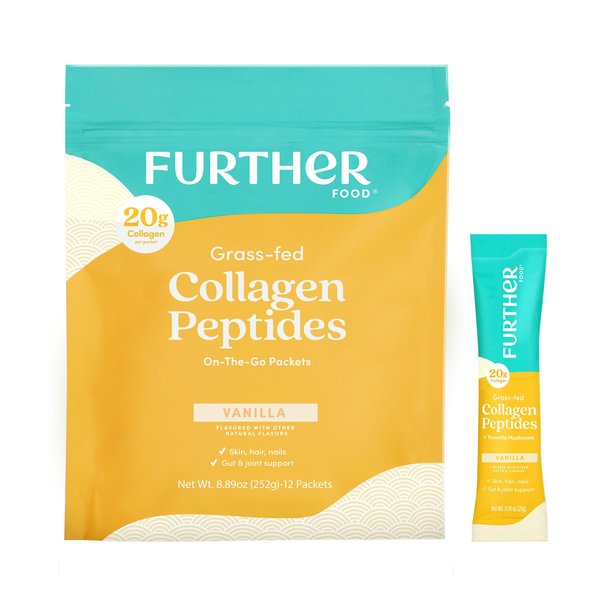
Further Food Vanilla Collagen Peptides Powder
Collagen Peptides Powder
Collagen is a major structural protein in the body, important for skin, joint, and connective tissue health. As Astaxanthin is sometimes used for skin health, collagen peptides powder can be a complementary addition for supporting skin elasticity and hydration. Collagen powders are generally shelf-stable.
Nutrient-Rich Powders (e.g., Vegetable or Microgreen Powders)
Freeze-dried vegetable or microgreen powders can offer a concentrated source of vitamins, minerals, and antioxidants, providing broad nutritional support. These powders are typically shelf-stable and can easily be added to smoothies or other foods to boost nutrient intake and complement the antioxidant actions of Astaxanthin and CoQ10.
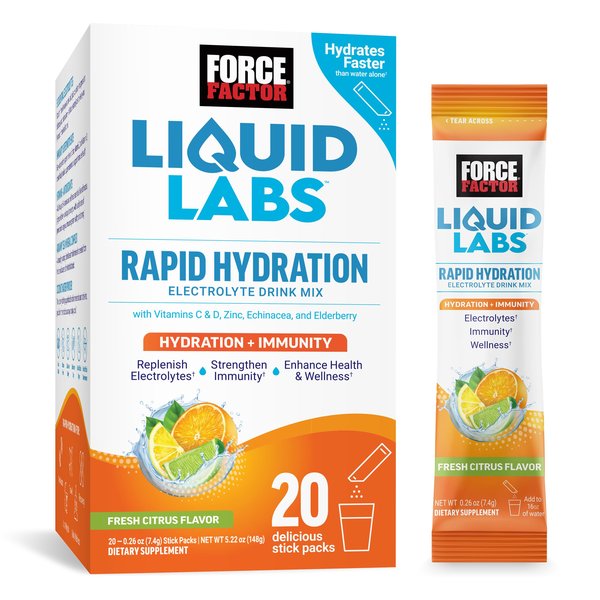
Force Factor Liquid Labs Immunity Electrolytes Powder
Considering Bioavailability and Absorption
While powders offer convenience and shelf stability, it's important to consider the bioavailability and absorption of the nutrients they contain. Some supplements are best absorbed when taken with food, particularly those that are fat-soluble like Astaxanthin and CoQ10. Taking powdered supplements mixed into a meal or a drink containing some fat can enhance their absorption.
For Astaxanthin, specifically, absorption is improved when consumed with a meal that contains healthy fats. Similarly, CoQ10 is a fat-soluble molecule, and its bioavailability is enhanced when taken with fat. When combining powdered supplements, consider whether any of them have specific recommendations for consumption to optimize absorption.
Comparing Shelf-Stable Powdered Supplements
To provide a clearer picture of how these supplements compare and complement Astaxanthin and CoQ10, consider the following table:
| Supplement | Primary Benefit(s) | Complementary Action with Astaxanthin & CoQ10 | Shelf Stability in Powder Form |
|---|---|---|---|
| Astaxanthin | Potent Antioxidant, Eye Health, Skin Health, Anti-inflammatory | Core antioxidant, works synergistically with other antioxidants | Generally good, especially from algae sources |
| Coenzyme Q10 | Cellular Energy Production, Antioxidant, Heart Health | Essential for energy, works with antioxidants to protect cells | Generally good, though bioavailability can be an issue |
| Vitamin C | Antioxidant, Immune Support, Collagen Synthesis | Broad-spectrum antioxidant support, complements fat-soluble antioxidants | Excellent as L-Ascorbic Acid Powder |
| Vitamin E | Fat-Soluble Antioxidant, Cell Protection | Protects cell membranes alongside Astaxanthin and CoQ10 | Good, but can be sensitive to oxidation over time |
| Green Tea Extract | Antioxidant (Polyphenols), Metabolism Support | Adds diverse antioxidant compounds | Good |
| Creatine | Energy Production (Muscles & Brain) | Supports cellular energy pathways related to CoQ10 | Excellent as monohydrate |
| B Vitamin Complex | Metabolism, Energy Production, Nervous System Function | Supports broad metabolic and energy functions | Varies by vitamin, but often formulated for stability |
| Probiotics (Shelf-Stable Strains) | Gut Health, Immune Support, Nutrient Absorption | Supports overall health and nutrient utilization | Specifically formulated strains are shelf-stable |
| Collagen Peptides | Skin, Joint, and Connective Tissue Health | Complements Astaxanthin's skin benefits | Generally good |
| Vegetable/Microgreen Powders | Broad Nutritional Support, Vitamins, Minerals, Antioxidants | Provides a spectrum of nutrients and antioxidants | Good when freeze-dried and stored properly |
Assessing Supplement Synergies
Combining supplements strategically can lead to enhanced benefits due to synergistic interactions. When considering shelf-stable powders to take with Astaxanthin and CoQ10, think about how their mechanisms of action might complement each other. For example, combining multiple antioxidants like Astaxanthin, CoQ10, Vitamin C, and Vitamin E can provide a broader range of protection against oxidative stress in different cellular compartments.
Similarly, pairing CoQ10, which is involved in ATP production, with Creatine, which helps regenerate ATP, could offer enhanced support for cellular energy levels. Probiotics, by improving gut health, can potentially enhance the absorption of all the supplements you are taking, thereby increasing their effectiveness.
However, it's also important to consider potential interactions or excessive intake of certain nutrients. While many of these supplements are generally considered safe at recommended dosages, it's always prudent to consult with a healthcare professional before starting any new supplement regimen, especially if you have underlying health conditions or are taking medications.
Visualizing Complementary Effects
To further illustrate the potential complementary benefits of these supplements when combined with Astaxanthin and CoQ10, consider the following radar chart. This chart provides a conceptual view of how different supplements might contribute to various health aspects, showing areas of overlap and unique contributions.
This radar chart is a conceptual representation of potential complementary benefits and is not based on clinical data. Individual results may vary.
Important Considerations When Choosing Powdered Supplements
When selecting shelf-stable powdered supplements to complement Astaxanthin and CoQ10, keep the following in mind:
Quality and Purity
Look for products from reputable manufacturers that undergo third-party testing for purity and potency. This ensures that the supplement contains the stated amount of active ingredients and is free from contaminants. Certifications like non-GMO and gluten-free may also be important depending on your dietary needs.
Source of Ingredients
For Astaxanthin, the best natural source is typically from the microalgae Haematococcus pluvialis. For other supplements, understanding the source and how the ingredients are processed can provide insight into their quality and potential effectiveness.
Additives and Fillers
Check the ingredient list for unnecessary additives, fillers, or artificial ingredients. While some additives are used for stability or flow, minimizing these can be preferable for some individuals.
Dosage
Ensure the powdered supplement provides a clinically relevant dosage of the active ingredient. Effective dosages for Astaxanthin typically range from 4 mg to 12 mg daily, while CoQ10 dosages can vary widely depending on the intended use. Refer to product labels and consult with a healthcare professional for personalized dosage recommendations.
Storage
Even though powdered supplements are shelf-stable, proper storage is crucial to maintain their quality. Store containers in a cool, dark, and dry place, away from direct sunlight and humidity. Ensure the lid is tightly sealed after each use.
Frequently Asked Questions
Recommended Further Exploration
- What are the combined benefits of taking Astaxanthin and CoQ10?
- Which shelf-stable probiotic powders are most effective?
- How can I improve the absorption of fat-soluble supplements?
- What are other powerful antioxidant supplements to reduce oxidative stress?
References

Last updated May 21, 2025