
Unearthing the Delights of Cape Cod Shellfishing: A Comprehensive Guide
Embark on a rewarding adventure to harvest fresh clams, oysters, and quahogs from Cape Cod's bountiful waters.
Highlights for a Successful Shellfishing Expedition:
- Permits are Paramount: Always obtain a town-issued recreational shellfishing permit for the specific area you plan to visit, as rules and regulations vary by town.
- Timing is Everything: The optimal time for shellfishing is typically an hour before low tide, when vast stretches of sandy or muddy flats are exposed.
- Essential Equipment: A clam rake, a wire basket or bucket, a shellfish gauge, and appropriate footwear (like waders or high rubber boots) are crucial for a productive and comfortable experience.
Shellfishing on Cape Cod, Massachusetts, offers a deeply satisfying experience, connecting you with the region's rich maritime traditions and providing access to some of the freshest seafood imaginable. Whether you're a seasoned enthusiast or a curious beginner, understanding the best methods, necessary equipment, ideal locations, and crucial regulations will significantly enhance your adventure. From digging for soft-shelled steamers to unearthing hard-shelled quahogs and plump oysters, Cape Cod's tidal flats offer a unique opportunity to gather your own delicious dinner.
Understanding Cape Cod's Shellfish Bounty
Cape Cod's waters are home to a variety of delectable shellfish, each with its own characteristics and preferred habitats. Knowing what to look for and where to find them is the first step towards a successful harvest.
Common Shellfish Species
When you venture out onto the flats of Cape Cod, you'll primarily encounter a few key types of shellfish:
- Quahogs (Hard-Shell Clams): These are the most common hard-shelled clams found on Cape Cod. They come in various sizes, each with a culinary designation:
- Littlenecks: The smallest quahogs, typically 1 to 2 inches across, perfect for eating raw or in pasta dishes.
- Cherrystones: Medium-sized quahogs, roughly 2 to 3 inches in diameter, ideal for grilling, steaming, or stuffed clams.
- Chowder Clams: The largest quahogs, exceeding 4 inches, best suited for hearty chowders and baked stuffed clam recipes.
- Steamers (Soft-Shell Clams): These clams are characterized by their brittle shells and long siphons. They are often found buried in softer mud and are excellent steamed and served with drawn butter. Look for small spouts of water or holes in the mud to locate them.
- Oysters: While some areas are open for recreational oyster harvesting, their season and locations can be more restricted. Wellfleet oysters are particularly renowned for their sweetness. Oysters are often found in beds and require specific conditions and regulations for harvesting.
- Mussels and Razor Clams: These are also present in some areas, though less commonly targeted by recreational shellfishers compared to clams and oysters.
Each town may have specific regulations on the types and sizes of shellfish permitted for harvest, so it's vital to consult local resources before you begin.
The Art of Timing: When to Go Shellfishing
One of the most critical factors for successful shellfishing is timing. The tides play a pivotal role in exposing the prime shellfishing grounds.
Harnessing the Low Tide
The best time to go clamming or oystering is generally about an hour before low tide. This period allows you to walk out onto the exposed sandy or muddy flats, making it significantly easier to locate and dig for shellfish. As the tide continues to recede, more ground becomes accessible, maximizing your potential harvest.
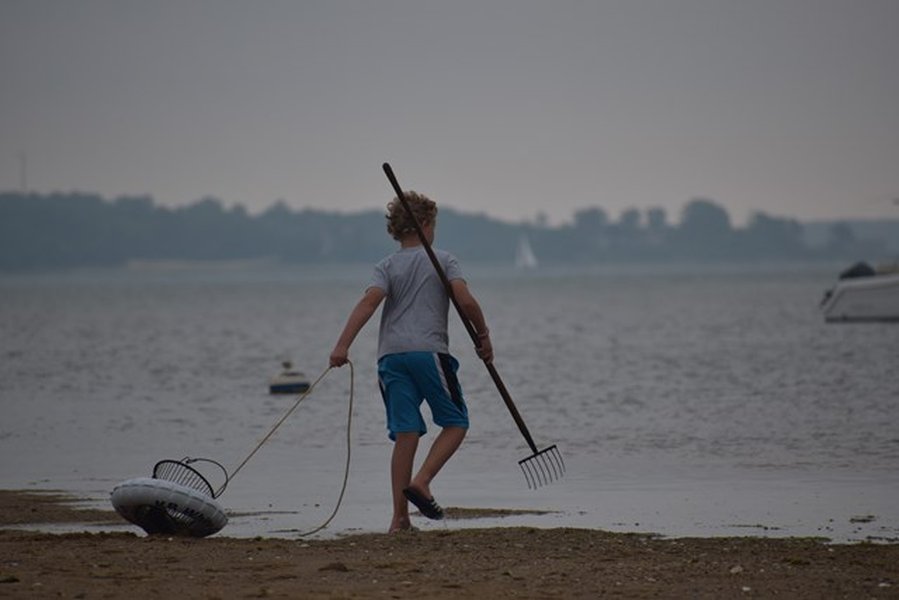
Shellfishing at low tide on Cape Cod provides ample opportunities.
Checking Tide Charts and Area Closures
Before heading out, always consult a local tide chart for the specific area you plan to shellfish. These charts are readily available online, at local marinas, or in convenience stores. Equally important is checking for any area closures due to water quality, weather conditions, or population management. Harvesting from contaminated areas can lead to serious health issues, as shellfish can accumulate harmful bacteria or toxins. Your town's shellfish department or natural resources office will provide up-to-date information on open and closed areas.
Essential Equipment for Your Shellfishing Trip
Having the right tools will make your shellfishing experience more efficient, comfortable, and successful.
Must-Have Gear
- Shellfishing Permit: This is non-negotiable. Every Cape Cod town requires a permit to harvest shellfish from its waters, with fees varying for residents and non-residents. Visit the town hall or natural resources office in the town where you intend to shellfish to obtain one. The permit often comes with maps indicating legal shellfishing areas and rules.
- Clam Rake: This isn't a garden rake! A specialized clam rake has a long handle and a basket attached to the end, designed to scrape the surface of the sand or mud and collect your catch while letting rocks and debris fall through.
- Wire Basket or Bucket: Essential for holding your harvested shellfish. Some oystering expeditions might benefit from a floating basket.
- Shellfish Gauge: A small tool used to measure your catch. Every town has minimum size requirements for shellfish, and anything undersized must be returned to the water immediately. This helps ensure sustainable harvesting practices.
- Waders or High Rubber Boots: Especially important for cooler seasons or if you plan to venture into deeper mud. They keep you dry and warm, and help prevent "clam itch." In warmer months, old sneakers or water shoes are sufficient, offering protection from sharp shells and rocks.
- Cooler with Ice: During warmer summer months, a cooler with ice is crucial to keep your catch fresh on the journey home. Shellfish should be kept cool and alive until ready for preparation.
- Neoprene Gloves: Recommended for colder weather to keep your hands warm and protected.
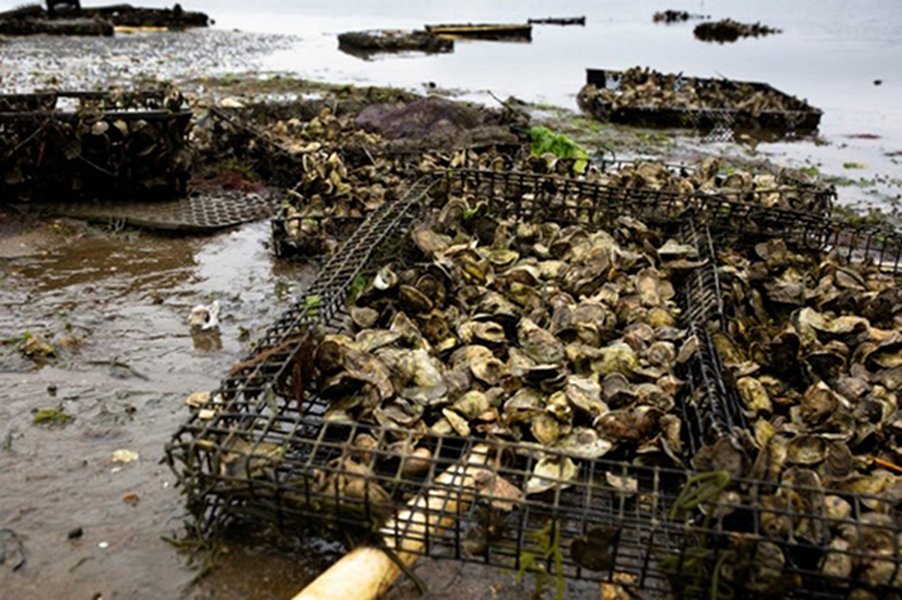
Key equipment for a successful shellfishing outing on Cape Cod.
Where to Find Equipment
Clamming equipment can be purchased at local tackle shops across Cape Cod. These shops often have knowledgeable staff who can offer additional tips and insights specific to the area.
Locating Your Shellfish: Techniques and Tips
Once you have your permit and gear, it's time to head to the flats and start digging!
Identifying Productive Grounds
Different shellfish prefer different environments. Quahogs are often found in sandy or muddy bottoms, while steamers tend to be in softer mud. Oysters typically grow in beds in areas with some current.
- For Steamers: Look for small holes or "spouts" of water on the surface of the mud flats. These are indicators that steamers are buried just beneath. A gentle scrape with your rake or even a foot can reveal them.
- For Quahogs: Quahogs often leave small depressions or subtle disturbances on the sand surface. Use your clam rake to systematically scrape the top few inches of the bottom. When you feel a solid resistance, it's likely a quahog.
- General Strategy: Work methodically, scraping an area thoroughly before moving on. Patience is key!
This video demonstrates how to catch quahogs on Cape Cod, providing visual guidance on technique and conditions.
This video from My Fishing Cape Cod TV offers an excellent visual guide on how to go clamming for quahogs. It showcases the practical application of clamming techniques, demonstrating how to use a clamming rake and identify productive areas, making it a highly relevant resource for aspiring shellfishermen.
Navigating Cape Cod's Shellfishing Locations and Regulations
Cape Cod offers numerous recreational shellfishing opportunities, but each town has its own set of rules and designated areas.
Popular Shellfishing Towns
Many towns across Cape Cod provide access for recreational shellfishing. Some of the well-known towns for clamming include:
- Eastham: Known for having a good amount of shoreline regularly open for clamming, with reasonable non-resident permit fees. Many areas are open daily from sunrise to sunset.
- Barnstable: Barnstable Harbor is a popular spot for shellfishers. The town's Natural Resources Marine & Environmental Affairs Department also offers "learn to shellfish" classes.
- Brewster: Quahogs and sea clams are available year-round from the town's western beaches. Restrictions may apply to specific beaches and days during summer months.
- Wellfleet: Famous for its oysters, Wellfleet also offers opportunities for other shellfish. Always check with the Wellfleet Shellfish Department for current regulations.
- Truro: Corn Hill Beach and Pamet Harbor are mentioned as good spots.
While some areas like Waquoit Bay, Great River, Hamblin Pond, and Popponesset Bay are noted for non-commercial shellfishing, it's always critical to consult town-specific maps and regulations.
Understanding Local Rules and Limits
Every town has unique regulations concerning:
- Permit Requirements and Fees: Prices for recreational permits vary by town and residency status (e.g., $20-$40 for residents, $20-$400 for non-residents depending on duration).
- Allowed Species and Sizes: Specific minimum sizes for clams and oysters must be adhered to. For example, oysters often must be at least three inches for harvesting.
- Catch Limits: There are limits on how much an individual can take per day or week, often measured in pecks (one peck is about 9 liters; four pecks equal a bushel).
- Seasonal Closures and Openings: Some areas may be closed seasonally or on certain days. Scallop season, for instance, typically runs from November 1 to the end of March.
- Area Restrictions: Maps provided with your permit will delineate where you can and cannot shellfish, often due to conservation efforts or pollution concerns.
It's vital to contact the local shellfish department or natural resources office in the town you plan to visit for the most accurate and current information. The Massachusetts Division of Marine Fisheries also provides shellfish classification areas indicating whether areas are approved or restricted for harvesting.
Optimizing Your Shellfishing Strategy: A Radar Chart Analysis
To further illustrate the multifaceted nature of successful shellfishing on Cape Cod, let's consider a radar chart comparing key aspects of the experience.
This radar chart visualizes the relative importance and impact of various factors on a successful recreational shellfishing trip on Cape Cod.
This radar chart illustrates that while factors like 'Permit Accessibility' and 'Equipment Preparedness' are highly impactful on a successful trip, they also present moderate challenges for beginners. 'Tidal Timing Accuracy' and 'Regulatory Compliance' are shown as crucial elements for success and significant hurdles for newcomers, highlighting the importance of proper planning and adherence to rules. 'Conservation Awareness' also scores high for trip impact, underscoring the role of responsible shellfishing. This visual representation helps emphasize where effort and attention should be focused for an optimal experience.
Best Practices for a Rewarding Experience
Beyond the basics, a few practices can make your shellfishing trip even more enjoyable and sustainable.
Safety and Sustainability
Shellfishing is generally a safe activity, but it's important to be mindful of your surroundings and the environment:
- Check Water Quality: Always verify that the area you're visiting is open for shellfishing due to water quality. Contaminated shellfish can cause illness.
- Dress Appropriately: Beyond waders, consider sun protection (hat, sunscreen) during warm months and layering for cooler seasons.
- Be Aware of Tides: Always keep an eye on the rising tide to avoid being stranded or cut off from the shore.
- Respect the Environment: Return undersized shellfish and any rocks or debris you displace to their original positions. Do not litter.
- Handle Shellfish Properly: Keep your harvested shellfish cool and alive. Avoid storing them in standing fresh water, which can kill them.
Integrating with the Local Ecosystem
Many Cape Cod towns actively propagate shellfish to supplement natural populations, ensuring the longevity of this beloved resource. By adhering to regulations and practicing responsible harvesting, you contribute to these conservation efforts. Consider the historical significance as well; quahog shells were traditionally used by indigenous peoples for Wampum.
Comparing Different Shellfishing Approaches
While the core principles remain similar, specific techniques and the target species can influence your approach. Here's a brief comparison:
| Shellfish Type | Preferred Habitat | Primary Tool | Identifying Signs | Best For (Culinary) |
|---|---|---|---|---|
| Quahogs (Hard-Shell Clams) | Sandy or muddy bottoms | Clam Rake | Subtle depressions, solid feel when raking | Raw (littlenecks), Steaming, Grilling, Chowder |
| Steamers (Soft-Shell Clams) | Softer mud flats | Clam Rake (gentle use) or hand | Small holes or "spouts" of water | Steaming with drawn butter |
| Oysters | Harder bottom, often in beds with current | Clam Rake, hand (with gloves) | Visible clusters or individual shells | Raw on the half shell, Grilled |
This table provides a quick reference for the distinct characteristics and best practices for harvesting the most common types of shellfish on Cape Cod, allowing you to tailor your approach based on your desired catch.
Frequently Asked Questions About Shellfishing on Cape Cod
What is the primary regulation I need to be aware of?
When is the absolute best time to go shellfishing?
What are the essential tools for a beginner shellfisher?
Can I get sick from eating shellfish from Cape Cod?
Are there "learn to shellfish" classes available on Cape Cod?
Conclusion
Shellfishing on Cape Cod is more than just a recreational activity; it's an immersive experience that connects you with the natural beauty and rich traditions of the region. By understanding the types of shellfish available, observing the tides, acquiring the necessary permits and equipment, and adhering to local regulations, you can enjoy a rewarding and sustainable outing. Whether you're digging for quahogs, steamers, or oysters, the satisfaction of harvesting your own fresh seafood for a delicious meal is an unparalleled Cape Cod pleasure. Always prioritize safety, respect conservation efforts, and enjoy the tranquil beauty of the flats.
Recommended Further Exploration
- Discover specific shellfishing permit requirements and fees for each Cape Cod town.
- Learn more about sustainable shellfishing practices and conservation efforts on Cape Cod.
- Explore delicious recipes for preparing your freshly harvested Cape Cod quahogs and steamers.
- Find recommended local tackle shops on Cape Cod for purchasing shellfishing equipment.
References
Last updated May 21, 2025