
Comprehensive Lesson Plan for a Ship Safety Officers Course
A detailed guide to developing effective ship safety officer training
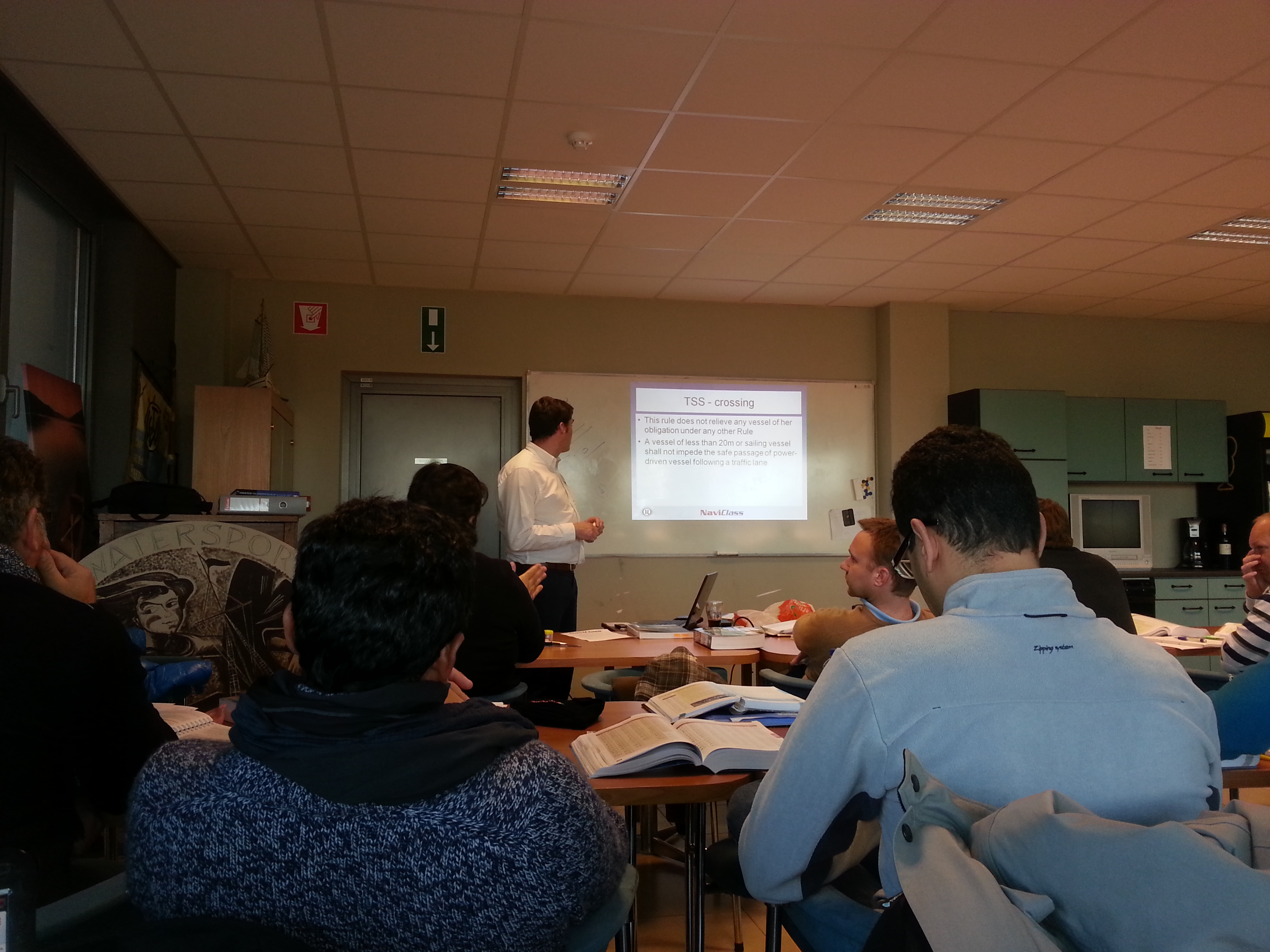
Highlights
- Robust Curriculum Framework: Incorporates regulatory frameworks, SMS, risk assessment, and emergency preparedness.
- Integrated Practical Training: Blends theoretical lessons with case studies, exercises, and role-playing for real-life scenario simulation.
- Regulatory & Safety Management Emphasis: Aligns with international standards like the ISM Code, SOLAS, and IMO resolutions.
Introduction
Ship safety officers play a critical role in ensuring that vessels operate safely and in compliance with international maritime regulations. A comprehensive lesson plan for a Ship Safety Officers course must address both the theoretical underpinnings of safety management and the practical skills necessary to navigate the complex and dynamic environment aboard a ship.
Whether you are designing a training curriculum for newly appointed safety officers or updating an existing program, the course should emphasize both regulatory compliance and practical applications. This detailed guide provides an in-depth look at a structured lesson plan that covers legal frameworks, safety management systems (SMS), risk assessment procedures, incident investigation, and the creation of a safety culture.
Course Framework and Objectives
Course Objectives
The primary objective of the Ship Safety Officers course is to equip maritime professionals with the necessary knowledge and skills to manage safety on board effectively. The course is designed to:
- Ensure understanding of key maritime regulations and the legal framework impacting ship safety.
- Develop the ability to implement and manage Safety Management Systems (SMS).
- Provide practical tools for risk assessment, safety inspections, and accident/incident investigations.
- Promote a strong safety culture and effective communication on board.
- Facilitate hands-on training with a mix of case studies, role-playing, and practical exercises.
Target Audience and Prerequisites
The course is primarily targeted at seafarers who are or will be designated as safety officers. Typical prerequisites include a minimum of two years of consecutive sea service, with additional experience requirements (e.g., an extra 6 months on tanker ships for those entering that sector) for specialized roles. This ensures that participants have the necessary background to appreciate the practical implications of the training.
Detailed Course Structure
Day 1: Introduction, Legal Framework, and Safety Culture
Session 1: Enrollment and Overview
The course begins with an introductory session where the objectives and structure of the course are outlined. Participants are familiarized with the importance of ship safety officers and the role they play in the overall safety management on board. This introductory module covers:
- Course objectives and expected outcomes
- Introduction of course participants and instructors
- An overview of the ship safety officer’s role on board
Session 2: Maritime Regulatory Framework
This session focuses on the key maritime regulations that form the legal basis of the officer’s responsibilities. Topics include:
- International Maritime Regulations: A review of the International Safety Management (ISM) Code, SOLAS (Safety of Life at Sea), and IMO resolutions.
- National and Regional Regulations: Relevant national regulations, such as the Merchant Shipping and Fishing Vessels (Health and Safety at Work) Regulations.
- Standards and International Conventions: Overview of key standards such as STCW (Standards of Training, Certification, and Watchkeeping) and relevant IMO Model courses.
Session 3: Building a Safety Culture
Promoting a strong safety culture is essential for ensuring all crew members are vigilant and proactive about safety. This module includes:
- The significance of a robust safety culture on board
- Strategies for promoting safety awareness among crew members
- Practical tips for conducting safety meetings and inspections
- Role-playing exercises to simulate effective safety communications
Day 2: Safety Management Systems and Risk Assessment
Session 4: Safety Management Systems (SMS)
In this session, participants will learn the structural components and critical elements of Safety Management Systems. Key components include:
- Structure and Documentation: Understanding the design and documentation requirements of an effective SMS.
- Roles and Responsibilities: Detailing the responsibilities of the master, safety officers, and crew within the SMS framework.
- Implementation Challenges: Common challenges in implementing SMS and practical solutions to overcome them.
Session 5: Risk Assessment Techniques
Risk assessment is a core component of maritime safety. This session focuses on:
- Hazard Identification Methods: Techniques for identifying potential hazards aboard a vessel.
- Risk Evaluation Methodologies: Quantitative and qualitative techniques used to evaluate risks.
- Mitigation Strategies: Developing control measures to minimize identified risks.
- Practical Exercise: Conducting a hands-on risk assessment to simulate real-life scenarios.
Day 3: Incident Investigation, Emergency Response, and Record Keeping
Session 6: Incident Investigation and Reporting
Effective incident investigation is vital for preventing future accidents and learning from past incidents. This module covers:
- Methodologies for Investigation: An in-depth overview of structured investigation techniques including root cause analysis.
- Accident Reporting: Detailed guidelines on how to file and maintain an accident prevention log.
- Case Studies: Analysis of past maritime accidents to extract lessons learned.
Session 7: Emergency Response Planning
Preparing for maritime emergencies is a critical competency. This module emphasizes:
- Emergency Procedures: Developing comprehensive emergency response plans specific to shipboard scenarios.
- Drill Implementation: The importance of regular drills and exercises to test emergency preparedness.
- Crisis Management: Strategies to manage and coordinate responses between the ship and shore-based teams.
Session 8: Record Keeping and Certification
Maintaining accurate records is fundamental for demonstrating compliance and facilitating continual improvement. In this session, participants will:
- Learn about the documentation requirements, including safety inspection records, meeting minutes, and training logs.
- Practice using various forms and templates.
- Understand the process of assessment and certification for course completion.
Course Materials and Delivery Methods
Course Materials
A successful Ship Safety Officers course requires a blend of visual and hands-on materials. Key materials include:
- PowerPoint Presentations: Visual slides highlighting key regulations, safety concepts, and case studies.
- Handouts and Printed Materials: Detailed notes, forms, and templates for record keeping, risk assessment, and incident report documentation.
- Interactive Modules: Online modules and interactive quizzes to reinforce learning objectives.
- Case Studies: Detailed real-life scenarios and accident reports for discussion and analysis.
Delivery Methods
The course can be delivered in various modes to cater to different learning preferences. The most common delivery methods include:
- On-Site Training: Physical classrooms for direct interaction and hands-on exercises.
- Online Learning: Webinars and e-learning modules that provide flexibility to participants.
- Blended Learning: A mix of both on-site and online sessions to optimize learning outcomes.
Interactive Table of Key Course Components
Below is a table summarizing the essential components of the Ship Safety Officers course along with their main focus areas:
| Module | Focus Area | Key Activities |
|---|---|---|
| Introduction & Overview | Role understanding and course objectives | Participant introductions, course briefing, overview of safety officer duties |
| Maritime Regulatory Framework | Regulations and legal compliance | Discussion of ISM, SOLAS, national regulations, international conventions |
| Safety Culture | Promoting safety awareness | Safety meetings, role-play exercises, communication strategies |
| Safety Management Systems | SMS structure and implementation | Documentation review, role responsibilities, troubleshooting common issues |
| Risk Assessment | Hazard identification and risk management | Risk evaluation exercises, mitigation planning, hazard identification techniques |
| Incident Investigation | Accident analysis and reporting | Case study analysis, root cause investigation, accident reporting procedures |
| Emergency Response Planning | Preparedness and crisis management | Emergency drills, response scenarios, crisis management planning |
| Record Keeping & Certification | Documentation and monitoring | Use of forms and templates, preparation for audits, course assessments |
Pedagogical Approaches and Assessment
Adult Learning Principles
In designing the Ship Safety Officers course, it is vital to incorporate adult learning principles that focus on interactive and participatory experiences. The curriculum should encourage active engagement and self-directed learning through:
- Group Discussions and Role-Playing: Facilitating discussions that allow participants to share experiences and apply theoretical knowledge to practical scenarios.
- Case Study Analysis: Utilizing real-world incident reports to encourage analytical thinking and learn from past maritime accidents.
- Practical Exercises: Hands-on activities such as safety inspections, risk evaluations, and emergency drills that simulate real-life conditions.
- Feedback Sessions: Regular opportunities for participants to receive feedback on their performance and understand areas for improvement.
Assessment Methods
To ensure that learning objectives are met, the course employs a mix of formative and summative assessment methods. These include:
- Written Examinations: Tests designed to assess theoretical understanding of maritime regulations and safety protocols.
- Practical Assessments: Evaluation of hands-on competencies through simulated exercises and role-playing scenarios.
- Group Projects: Collaborative exercises that foster teamwork and problem-solving in the context of safety management.
- Continuous Feedback: Feedback sessions integrated throughout the course to gauge participant progress.
Implementation Best Practices
Tailoring the Curriculum
Although the core modules remain largely standard, flexibility in curriculum design is essential to cater to different vessel types, geographical regions, and operational contexts. Consider the following best practices:
- Customization for Vessel Type: Adapt content to address specific challenges encountered in passenger vessels, tanker ships, or cargo carriers.
- Regulatory Updates: Ensure that the training material is continuously revised to reflect the latest amendments in international maritime regulations.
- Integration of Technology: Utilize simulators and e-learning platforms to provide immersive training experiences.
- Interactive Learning: Incorporate frequent interactive sessions to keep participants engaged and motivated.
Instructor and Participant Engagement
The success of a Ship Safety Officers course relies significantly on the quality of instruction and active participant engagement. Guidelines for instructors include:
- Employ experienced maritime professionals who have firsthand knowledge of onboard safety challenges.
- Utilize a mix of teaching methods to cater to different learning styles.
- Create a collaborative environment that encourages open discussion and the exchange of ideas.
- Monitor participant progress and adjust the pace of the course accordingly.
Advanced Topics and Future Trends
Human Factors and Technology Integration
Modern maritime operations are increasingly influenced by technological advances and an enhanced understanding of human factors. Advanced topics that may be considered include:
- Human Error and Fatigue Management: Detailed modules on understanding human error, mitigating fatigue, and managing crew workload.
- Innovative Technologies: Adoption of new technologies such as remote monitoring systems, AI-based predictive maintenance, and advanced simulation training.
- Continuous Improvement: Strategies to foster an adaptive culture where feedback and continuous improvement are integrated into daily operations.
Global Trends in Maritime Safety
Keeping abreast of global trends is crucial for maritime training. This includes:
- Enhanced focus on environmental sustainability and its impact on ship safety.
- Greater integration of digital tools and data analytics for risk management and incident investigation.
- A growing emphasis on cross-industry collaboration and knowledge sharing to elevate overall safety standards.
Conclusion and Final Thoughts
The lesson plan outlined above provides a robust framework for developing a comprehensive Ship Safety Officers course. By combining detailed theoretical instruction with intensive practical exercises, this curriculum ensures that maritime professionals are well-prepared to manage safety on board effectively. The course's emphasis on regulatory comprehension, risk management, emergency response, and record keeping forms the backbone of a successful safety management program.
Moreover, by incorporating adult learning principles and flexible delivery methods, the course can be tailored to meet the specific needs of different maritime environments. As the industry evolves with new technological advancements and regulatory updates, continuous curriculum revision remains essential. Training programs that focus on both the technical and human aspects of ship safety are instrumental in cultivating a proactive safety culture that minimizes risks and enhances overall operational efficiency.
Ultimately, a well-structured Ship Safety Officers course not only meets compliance requirements but also empowers safety officers with practical skills and the confidence to address emergent situations at sea. These comprehensive modules, when implemented effectively, contribute significantly to reducing accidents and fostering a safer and more efficient maritime operational environment.
References
- Ship Safety Officers Course Structure and Lesson Objectives - Glasgow Maritime Academy
- What Are The Duties Of Ship Safety Officer (SSO)? - Marine Insight
- Ship Safety Officer - Lloyd Maritime
- Ship Safety Officer ISM SSO Course 174 - MPT USA
- Ship Safety Officer (SSO) Course - AVANT
Recommended Further Queries
Last updated February 24, 2025