
Container Shipping Price Surge Analysis
In-depth overview of USD surge levels during COVID-19 and Suez Canal crises
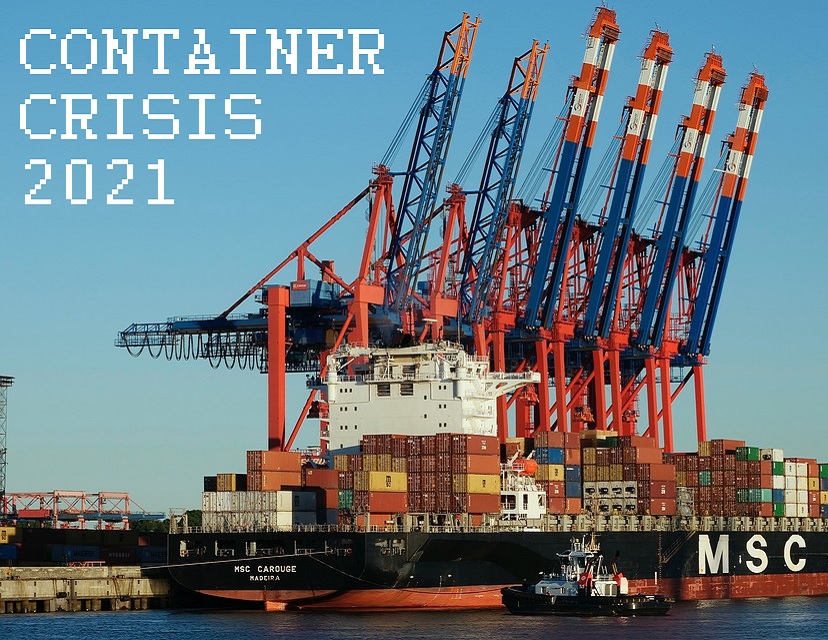
Key Highlights
- COVID-19 Peak Rates: Container shipping costs surged dramatically, reaching approximately USD 10,000 to USD 11,000 per 40-foot container during the height of the pandemic disruptions.
- Suez Canal Impact: The blockage event significantly disrupted supply chains, pushing spot freight rates in varied ranges—from near USD 4,700 per FEU to close to USD 7,800 at peak—depending on the route and crisis timing.
- Market Variability: Despite normalization trends post-disruptions, container shipping rates continued to remain elevated compared to pre-pandemic levels, reflecting ongoing global supply chain challenges.
Understanding COVID-19 Impact on Shipping Prices
The Surge during the Pandemic
The COVID-19 pandemic had a profound impact on global container shipping markets. As nations implemented strict health measures, logistic networks faced unprecedented disruptions. These disruptions resulted in severe imbalances in supply and demand for shipping services, leading to dramatic price surges. During the pandemic’s peak, container shipping rates for a 40-foot container reached levels approximating USD 10,000 to USD 11,000, according to multiple industry indices.
Reasons Behind the Increase
Several factors contributed to the surge in shipping costs during COVID-19:
- Lockdowns and restrictions led to port congestion and delays in cargo handling.
- A mismatch between supply and demand due to reduced vessel availability and unexpected peaks in consumer demand, especially for goods in high demand.
- Increased operational costs such as safety measures, staffing issues, and rerouting of vessels contributed to a heightened freight rate environment.
These factors underscored how global pandemics could disrupt the entire maritime logistics chain, leading to a near eightfold increase in shipping costs compared to pre-pandemic levels.
Impact of the Suez Canal Crisis on Shipping Rates
Crisis Overview and Effects
The Suez Canal crisis, triggered by the infamous blockage involving the Ever Given container ship in March 2021, delivered additional pressure on an already stressed maritime transport system. This incident not only delayed shipments but also created ripple effects through global trade routes.
Price Surge Specifics During the Crisis
During the crisis, container shipping prices surged to levels that, while not as extreme as the COVID-19 peaks, still reflected significant market disruption. Reports indicate that:
- Some sources noted that spot freight rates experienced a substantial hike, with figures ranging from roughly USD 4,700 per 40-foot equivalent unit (FEU) to as high as USD 7,800 for specific trade lanes during the period of maximum disruption.
- For instance, by July 2024, market observations showed global freight rates climbing to over USD 5,900, suggesting that the crisis had produced a notable, if temporary, escalation in costs.
- Subsequent forecasts in early 2025 indicated rates fluctuating further—with market averages expected to test near USD 4,820 per FEU at the beginning of February and rising slightly to about USD 5,170 per FEU by June 2025.
Understanding these figures involves recognizing that container shipping markets are dynamic and subject to multiple concurrent pressures. The disruption caused by the blockage in the Suez Canal was compounded by pre-existing pressures from pandemic-related challenges.
Comparative Analysis of the Two Crises
A Side-by-Side View of Shipping Cost Dynamics
To better understand the overall impact of these crises on container shipping prices, it is useful to compare the two events:
| Event | Peak Price Range (USD) | Key Contributing Factors |
|---|---|---|
| COVID-19 Pandemic | Approximately 10,000 - 11,000 per 40ft container | Lockdowns, port congestion, supply-demand imbalances, increased operational costs |
| Suez Canal Crisis | Approximately 4,700 - 7,800 per FEU (varying by route and time frame) | Blockage of vital trade route, rerouting, compounded logistical challenges |
The table above provides a comparative snapshot of the price fluctuations in response to the respective crises. While the pandemic led to an exponential price increase, the Suez Canal crisis resulted in a more moderate peak. Nevertheless, both events significantly strained the global shipping market.
Factors Influencing Post-Crisis Shipping Rates
Economic and Operational Dynamics
Even as immediate crisis effects have tapered, several long-term factors ensure that container shipping rates remain above historical averages:
Continued Supply Chain Disruptions
Residual impacts from both COVID-19 and subsequent crises (including the Suez blockage) have left lasting marks on global supply chains. Increased fuel prices, evolving operational procedures, and continued fluctuations in global demand have maintained a trend of higher forwarding costs.
Market Rebalancing and Future Forecasts
As the maritime shipping industry seeks to balance oversupply and demand mismatches, fluctuations are anticipated to persist. However, while some normalization is expected over time, the elevated baseline for container shipping prices appears likely to remain in effect for a significant period, as companies adjust to a "new normal" in global trade dynamics.
Insights from Industry Reports and Future Trends
Industry Perspectives
A range of industry reports and expert analyses consistently note that the drastic price surges experienced during these crises are not isolated incidents; rather, they are reflective of underlying vulnerabilities in global trade and supply chain networks. Industry indexes, such as the Drewry World Container Index and other specialized maritime indices, have tracked these movements with detailed insights into both short-term spikes and more enduring market trends.
Interpreting the Data
Many experts argue that while the recorded peaks during the COVID-19 pandemic were driven by extraordinary and rapid shifts in market conditions, the Suez Canal event introduced a different set of challenges. In some instances, extreme rates during the pandemic—recording up to USD 11,000 per container—corresponded with severe resource allocation issues. In contrast, the Suez blockage, though severe, localized its impact primarily along key maritime corridors, resulting in increases that varied considerably by route.
These insights emphasize the importance of ongoing monitoring and proactive management of global shipping logistics, particularly as external geopolitical and economic factors continue to evolve.
References
-
Is COVID-19 the Sole Cause of Shipping Disruptions? - St. Louis Fed
- Shipping During COVID-19: Why Container Freight Rates Have Surged - UNCTAD
- Global Shipping Costs Rising Again - MFAT
- Drewry World Container Index - Drewry
- Ocean Freight Container Shipping Market Analysis - Xeneta
Recommended Topics for Further Exploration
Last updated March 8, 2025