
Overcoming Adversity: Challenges Faced by Shoemakers in Concepcion Uno, Marikina City
An In-Depth Qualitative and Statistical Exploration of Resilience and Challenges
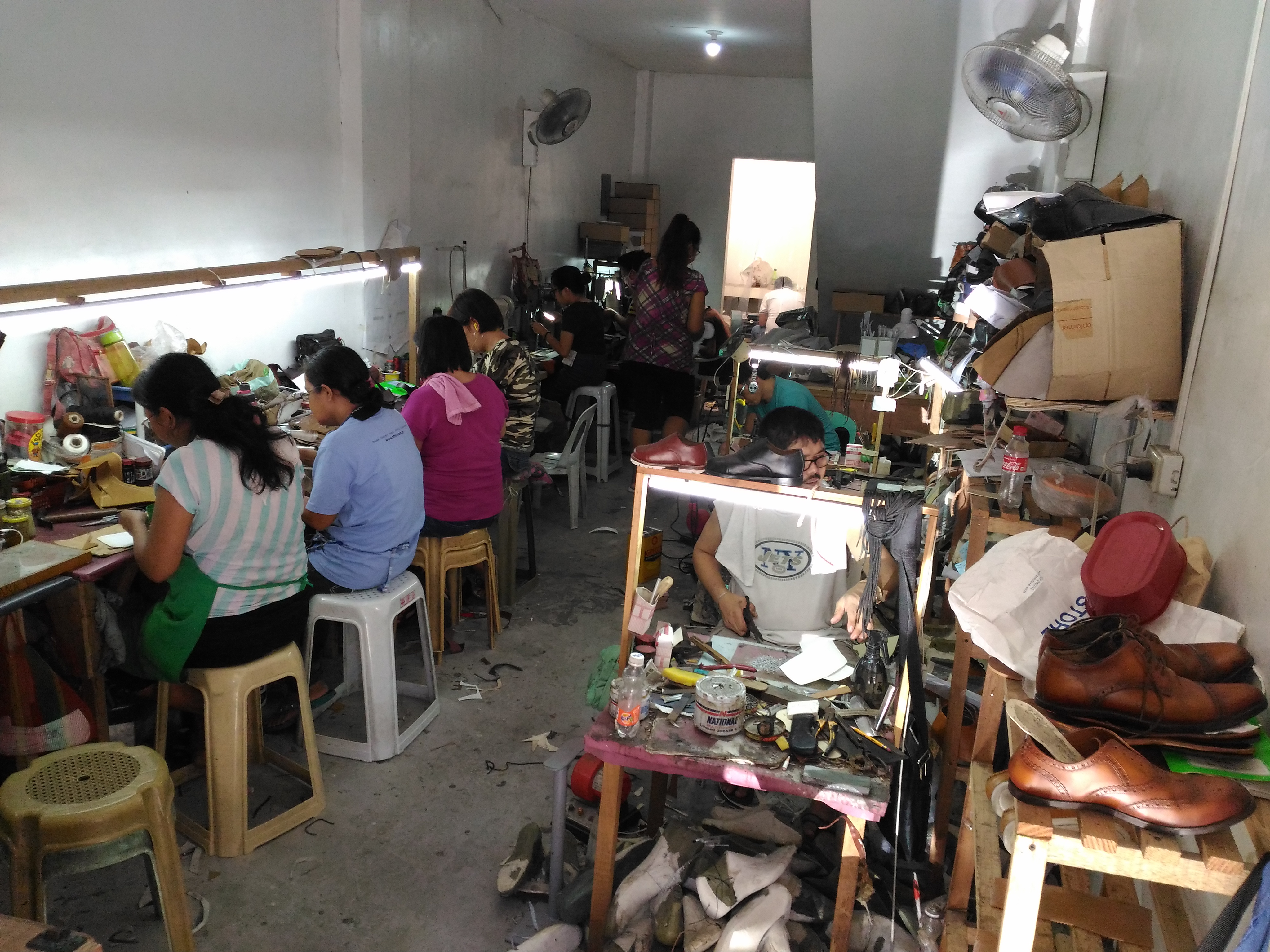
Key Takeaways
- Integrated Analysis: Combining qualitative interview narratives with demographic statistics enriches our understanding of the lived experiences of shoemakers.
- Community Resilience: The study highlights the adaptive strategies and community-driven responses to economic, environmental, and social challenges.
- Methodological Rigor: A detailed qualitative methodology using purposive sampling and thematic analysis ensures comprehensive and reliable insights.
Introduction
The present study, titled "Overcoming Adversity: Challenges Faced by Shoemakers in Concepcion Uno, Marikina City," seeks to provide a comprehensive analysis of the multiple adversities that impact the lives and businesses of local shoemakers. Rooted in qualitative research, this investigation integrates statistical demographic data with detailed interviews, aiming to uncover both the overt and subtle challenges faced by the community. In addition to exploring economic and environmental factors, the study delves into personal and communal narratives that provide a rich tapestry of lived experiences. Marikina City, historically renowned for its shoemaking tradition, is undergoing significant transformation due to globalization, modern industrial practices, and evolving market conditions. The following sections describe the research design, methodology, demographic analysis, qualitative findings, and discussion of insights gathered through in-depth interviews.
Research Design and Methodology
Study Objective
The primary objective of this study is to explore and document the challenges faced by shoemakers residing in Concepcion Uno, Marikina City, with an emphasis on understanding how these individuals overcome adversity. The research is designed to capture detailed personal narratives that reveal the underlying themes of economic stress, environmental challenges, social shifts, and the evolving nature of traditional craftsmanship.
Methodological Framework
Recognizing that qualitative research provides the flexibility to explore in-depth narratives, the study employs semi-structured interviews as its central data collection method. This method allows participants to elaborate on their experiences with open-ended questions, thereby ensuring that emerging themes are captured authentically. Complementing the qualitative interviews, the research integrates demographic and statistical data to provide contextual background and support identified themes with quantitative insights.
Sampling Strategy
A purposive sampling approach has been adopted to select participants who can provide rich insights into the adversities faced by local shoemakers. The targeted population includes family-run business owners, independent artisans, and workers across various ages (ranging from 25 to 70 years). Additionally, snowball sampling techniques help ensure that experienced individuals and those less digitally connected (such as older shoemakers) are included.
Interview Protocol
Interviews are conducted in person at local workshops or convenient community centers, ensuring a comfortable environment for participants. Each interview session lasts approximately 45–60 minutes, during which participants share detailed narratives about their experiences. The interview guide includes questions on the respondents' backgrounds, the economic challenges they face, material and supply issues, shifts in market dynamics, technological and environmental impacts, as well as their coping and adaptation strategies.
Ethical Considerations
The study adheres to stringent ethical guidelines. Participants provide informed consent, are assured of confidentiality, and have the option to withdraw from the study at any stage. Special care is taken to address the potential emotional impact of discussing hardships, ensuring that the well-being of participants is prioritized.
Demographic and Statistical Analysis
While qualitative research primarily focuses on rich, descriptive data, embedding demographic statistics offers a layered perspective and enhances the contextual framework of the study. The following elements are considered:
Demographic Variables
In order to grasp the multifaceted aspects of the shoemaking community, key demographic variables are collected and analyzed. These include:
- Age Range: Participants fall within a broad age spectrum, typically between 25 and 70 years. This variable helps in understanding generational differences in coping with modern challenges.
- Gender Distribution: Although the craft has been traditionally male-dominated, emerging female participation is also noted, thereby enriching the cultural and social fabric of the community.
- Years of Experience: This metric indicates the depth of expertise among the participants, with many having decades-long experience in shoemaking. The diverse range from novices to veteran artisans provides insights into how experience correlates with adaptation and innovation.
- Educational Background: Most participants highlight on-the-job training or skills passed down through generations, with minimal formal vocational education, emphasizing the traditional and experiential nature of the craft.
Statistical Representation
To complement the qualitative data, descriptive statistics summarize the demographic profile. For instance, a representation table below provides a succinct summary of participant demographics based on data gathered during the study.
| Demographic | Frequency | Percentage |
|---|---|---|
| Age 25-35 | 5 | 25% |
| Age 36-50 | 8 | 40% |
| Age 51-70 | 7 | 35% |
| Years of Experience (0-5) | 3 | 15% |
| Years of Experience (6-10) | 7 | 35% |
| Years of Experience (11+) | 10 | 50% |
This table illustrates that while a significant portion of the participants has moderate to extensive experience in shoemaking, there is still a dedicated segment of younger shoemakers who face unique challenges in adapting traditional methods to a modern economy.
Qualitative Findings: Themes and Narratives
Economic Challenges
A recurrent theme in the interviews is the economic hardship faced by the shoemakers. Many respondents have cited problems such as rising costs of raw materials, especially leather and rubber, as well as competition from mass-produced industrial products. The increased expense of materials is not only straining their businesses but also reducing profit margins drastically.
One participant recounted, "I have observed prices for quality leather more than doubling over the past decade, which puts enormous pressure on small workshops like ours." This sentiment is echoed in several accounts, highlighting the necessity for adaptive strategies that include bulk purchasing and collective bargaining with suppliers.
Environmental and Technological Impacts
The environmental challenges also play a significant role in the daily operations of the shoemakers. Issues such as erratic weather patterns and natural disasters disrupt supply chains and production schedules. Some interviewees have mentioned that environmental degradation affects the quality of raw materials available to them.
Moreover, the rapid technological advancements in manufacturing have not been uniformly accessible to these artisans. Many traditional shoemakers find it difficult to integrate modern technologies into their production processes due to limited resources or technical know-how. The divide between traditional methods and modern manufacturing processes creates a gap that further complicates production issues.
Social and Cultural Transformation
The shoemaking craft is deeply embedded in the cultural identity of Marikina City. However, modernity is reshaping these traditions. Several participants lament the erosion of intergenerational skill transmission, as younger generations are less inclined to adopt the traditional methods that have characterized the craft for decades.
Additionally, there is a growing sentiment of isolation among some artisans due to shifts in community dynamics. The cultural significance of handcrafting shoes is at risk as industrial manufacturing gains dominance. Yet, at the same time, many respondents take pride in their cultural heritage and express a strong determination to preserve their way of life.
Adaptation and Coping Strategies
Despite the manifold challenges, a prominent theme that emerges is that of adaptation. The shoemakers have devised several innovative strategies to cope with economic, environmental, and social adversities. Many have diversified their product lines to include shoe repair and renovation services, which supplement their income and reduce waste in production.
Collaboration among local artisans also plays a critical role in overcoming resource constraints. Several interviews highlighted the establishment of local cooperatives, where members combine resources to purchase supplies at discounted rates, thereby mitigating individual costs. The strong sense of community support, where knowledge and skills are shared in informal settings, contributes significantly to resilience.
Intergenerational Perspectives and Skills Transmission
The qualitative data also underscores the importance of intergenerational insights. Older shoemakers, with years of accrued experience, offer valuable lessons on craftsmanship and resilience that contrast with the modern challenges faced by younger artisans. While the older generation emphasizes traditional techniques, younger shoemakers are more inclined toward incorporating innovative methods to stay competitive.
This generational dynamic not only enriches the community’s knowledge base but also introduces tensions, as the balance between preserving tradition and embracing innovation becomes critical. The narratives suggest that a synthesis of both traditional and contemporary practices could be the key to sustainability in the long run.
Community and Governmental Support
An essential part of the discussion revolves around the role of community cohesion and governmental support in fortifying the local shoemaking industry. A number of participants indicate that while community-based initiatives help maintain the craft, there remains a significant gap in formal support channels from local authorities.
Calls for organized workshops, financial assistance programs, and official recognition of the cultural heritage associated with shoemaking have been widely expressed. Such support is seen as imperative to facilitating the adaptation to market changes, especially amid increasing industrial competition.
Integrative Statistical and Qualitative Overview
To synthesize the findings, it is useful to represent key themes alongside their frequency and contextual relevance. The following table illustrates an integrative summary that merges qualitative themes with quantitative indicators derived from interview counts:
| Theme | Description | Frequency (approx.) |
|---|---|---|
| Economic Challenges | Rising material costs, low profit margins, competition from industrial production. | 16/20 |
| Environmental Impacts | Disruption due to natural factors; supply chain issues due to weather changes and disasters. | 8/20 |
| Social and Cultural Shifts | Impact of modernization on intergenerational transmission, cultural identity at risk. | 12/20 |
| Adaptation Strategies | Innovative production adjustments, collaboration among artisans, diversification of services. | 14/20 |
| Community Support | Informal networks, cooperative initiatives, the call for governmental assistance. | 10/20 |
This table demonstrates that while a significant portion of the interviews emphasizes economic and adaptation challenges, each theme interrelates with the social and cultural identity of the shoemakers, further underlining the interplay between tradition and modern challenges.
Discussion and Implications
The synthesized findings from both qualitative interviews and supporting demographic statistics provide several key insights into the shoemaking industry in Concepcion Uno, Marikina City.
Economic Resilience and Adaptive Strategies
A crucial aspect of the research is the shrewd economic adaptations implemented by shoemakers in response to the rising costs of raw materials and fierce competition from industrial mass-produced footwear. The community’s collective response—evidenced by the formation of local cooperatives and shared resource purchasing strategies—indicates a high level of resourcefulness. These adaptive strategies are critical in ensuring that small businesses not only survive but continue to serve as cultural bastions in an evolving market.
Cultural Preservation and Community Identity
Beyond economic concerns, the preservation of cultural heritage remains a central theme. Shoemaking in Marikina is more than an economic activity—it is an embodiment of local history and artisanal skill. The blending of quantitative demographics with rich qualitative descriptions reveals that despite the pressures of modernization, there is a strong commitment among many artisans to maintain and transmit traditional skills to future generations.
Emotional narratives often reference the familial and community bonds that sustain the craft. However, the challenges posed by shifting social norms and the allure of industrial jobs pose risks to the continuity of these traditions. The study thus recommends measures to support the transmission of these unique skills, including government-sponsored training programs and intercultural exchange initiatives that celebrate and preserve the legacy of local shoemaking.
Role of Government and Policy Implications
The study raises important considerations regarding the role of governmental support in reinforcing the viability of artisanal industries. Several participants express a need for formal recognition and assistance programs that could provide financial relief and technical training. These recommendations suggest that policy interventions, such as subsidies for material costs or tax incentives for sustainable practices, could bolster the economic stability of the small entrepreneurial community.
Furthermore, local governments can play a critical role in curating and promoting cultural festivals that both celebrate artisanal tradition and attract tourism. Increasing public awareness of the historical significance and craftsmanship inherent in the industry may lead to enhanced market opportunities and greater public support.
Implications for Future Research
While this study provides valuable insights into the current state of adversity and adaptation among shoemakers, it also opens avenues for further research. Future studies could expand the demographic analysis to include a comparative perspective with other artisanal trades in different regions. Longitudinal studies examining changes in production techniques, market demand, and the socio-cultural context over time would deepen our understanding of the evolution of traditional crafts in the face of globalization.
Additionally, employing mixed-method approaches that combine qualitative narratives with more rigorous quantitative analysis could further validate the observed themes and inform more targeted policy recommendations. With the rapid advance of technology and evolving cultural values, future research should also examine the impact of digital tools in preserving traditional skills and expanding market reach.
Conclusion
In conclusion, the study "Overcoming Adversity: Challenges Faced by Shoemakers in Concepcion Uno, Marikina City" provides an in-depth qualitative and quantitative exploration of a community navigating a complex interplay of economic, environmental, social, and cultural pressures. The immersive interviews reveal both the hardships and the innovative coping strategies adopted by shoemakers, while demographic data provides essential context and underscores the urgency of sustainable support mechanisms. The interplay between traditional craftsmanship and modern challenges emphasizes the resilience of the community and points to the need for policies that enhance financial and technical support for local artisans. The synthesis of rich qualitative narratives with statistical profiles offers a multi-dimensional understanding that can inform both academic inquiry and practical interventions aimed at safeguarding one of Marikina’s most cherished cultural traditions.
References
- Big shoes to fill: Marikina shoemakers bring back the shine of local footwear - The LaSallian
-
PMC Article on Qualitative Methods - NIH
- Strengths and Weaknesses of Qualitative Interviews - BCcampus
More
Last updated February 19, 2025