
Visualizing a Mysterious Shop Window Display
An evocative glimpse into Conrad's secret world
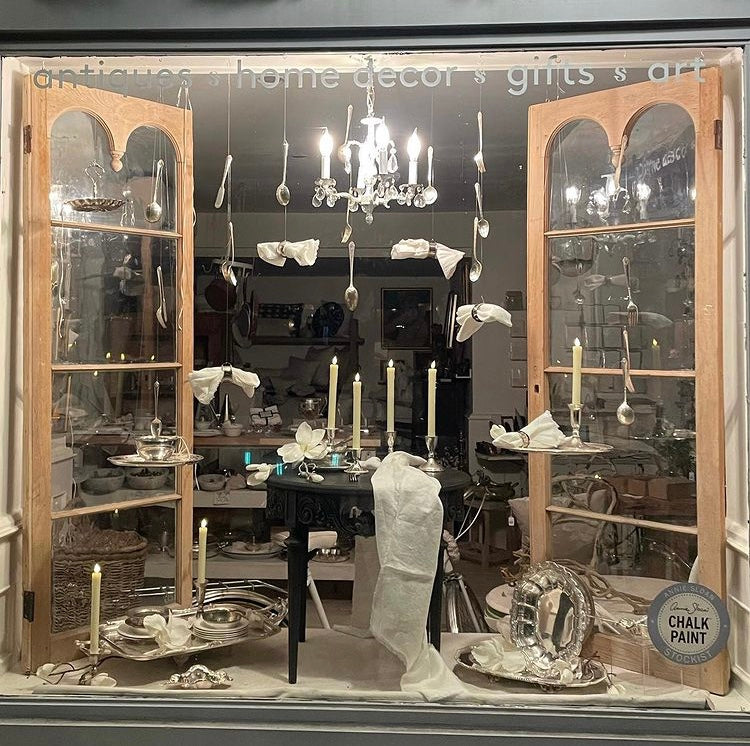
Essential Insights
- Diverse Artifacts: The display features a collage of items, each hinting at hidden stories.
- Atmospheric Ambiguity: Elements exude a mix of risqué allure and moral ambiguity, characteristic of Conrad's narrative.
- Evocative Detail: From undressed dancing girls to cryptic envelopes, every object contributes to the unsettling charm.
Detailed Analysis and Visualization of the Scene
The scene in question, extracted from Joseph Conrad's "The Secret Agent," provides readers with a rich tapestry of imagery that both intrigues and unnerve. Although no direct image can be shown here, a detailed literary description allows us to vividly recreate the atmosphere in our minds.
Narrative Context
The passage is steeped in the ethos of morally ambiguous urban settings typical of early 20th-century literature. The window display reflects a deeper commentary on the hidden vices of society. The items listed seem innocent at first glance, yet upon closer inspection, each piece hints at illicit or forbidden associations. Conrad’s narrative skillfully layers this display with symbolic items that evoke mystery, impropriety, and an undercurrent of decadence.
Components of the Shop Window
Breakdown of Key Visual Items
1. Photographs of Undressed Dancing Girls
The first striking element is the collection of photographs depicting dancing girls, noted as "more or less undressed." These images, likely sepia-toned to align with the vintage aesthetics of the era, evoke themes of sensuality and exhibitionism. They suggest a blurred line between art and the scandalous, inviting the viewer to contemplate the nature of desire and performance during a period of strict societal norms.
2. Nondescript Packages in Patent Medicine Wrappers
These packages, wrapped like the remedies common in patent medicine exhibits, add an aura of mystery. The wrapping implies that the contents are perhaps as ambiguous as their presentation. There is an inherent irony in packaging items that suggest well-being in wrappers associated with dubious cures, reflecting an undercurrent of deception or concealed truths.
3. Closed Yellow Paper Envelopes Marked with "Two-and-Six"
The flimsy closed envelopes, described as bearing the inscription "two-and-six" in heavy, black figures, heighten the suspense. Their fragile appearance coupled with the cryptic numeric marking hints at secret correspondence, perhaps even coded messages. The envelope’s design might imply that they once carried discreet but important information, a motif that aligns with covert societal dealings and the clandestine communications of the period.
4. Ancient French Comic Publications
Displayed as if drying on a string, these faded comic books add a whimsical yet archaic element to the display. Their presence is a nod to the blend of popular culture and counterculture aesthetics of the time. The eclectic choice of old French comics alongside other items underscores a juxtaposition between light-hearted nostalgia and more serious undercurrents of moral decay.
5. Dingy Blue China Bowl
The blue china bowl, described as dingy, serves as an emblem of neglect contrasted with objects of potential value. Its weathered state speaks to the passage of time, the wear of neglect, or perhaps the transient nature of riches in a world where appearances often mask deeper secrets.
6. Casket of Black Wood
The casket, fashioned from dark wood, stands out as a symbol of something hidden and possibly dangerous. Its presence in the display suggests that beneath the surface of everyday life are repositories of secrets, hinting at secrets or treasures of personal or historical significance.
7. Bottles of Marking Ink and Rubber Stamps
These common office supplies gain a certain mystique within the context of the scene. They evoke images of bureaucracy mixed with subterfuge — official documents or perhaps clandestine notes. It is the juxtaposition of everyday objects with a backdrop of moral ambiguity that adds depth to the scene.
8. Books with Titles Hinting at Impropriety
Finally, the collection of books with suggestive titles further cements the tone of the window display. These books, possibly leather-bound or with aged covers, signal literature that might have been considered scandalous or risqué. Their inclusion implies that the shop is not merely selling objects but is peddling a narrative steeped in counterculture and moral transgression.
A Comprehensive Table of Displayed Items
| Item | Description | Symbolism |
|---|---|---|
| Photographs of Dancing Girls | Sepia-toned images of partially undressed girls | Sensuality, exhibitionism, blurred lines between art and scandal |
| Patent Medicine Packages | Nondescript packages wrapped as if they were remedies | Facade of well-being masking dubious contents |
| Yellow Paper Envelopes | Flimsy envelopes marked with “two-and-six” | Concealed messages, secret correspondence, hidden value |
| Ancient French Comics | Old comic publications hung to dry | Nostalgia, cultural crossovers, the juxtaposition of art and decay |
| Dingy Blue China Bowl | A weathered blue bowl of china | Neglect, transient beauty, historical wear |
| Casket of Black Wood | Heavy, dark wooden casket | Mystery, hidden treasures, secrecy |
| Marking Ink & Rubber Stamps | Everyday office items | Clandestine documentation, bureaucratic subterfuge |
| Books on Impropriety | Titles suggest scandal or moral decay | Moral ambiguity, counterculture literature, forbidden knowledge |
Visualizing the Scene as an Artistic Composition
Imagine stepping into a narrow, dimly lit street, where an old shop window is the centerpiece of a hidden narrative. The window is a patchwork of historical remnants and everyday detritus, each object carefully placed but seemingly random. The interplay of natural light and shadow through the window creates shifting patterns that highlight the faded textures and colors of the exhibited items. In this visual framework, the photographs seem to come alive, their images both alluring and slightly forbidden. The scattered placement of packages and envelopes on the window sill invites you to peer closer, as if secrets might be whispered from within their folds.
Atmospheric Design Elements
The entire scene is enveloped in an air of nostalgia and melancholy. Rustic textures, muted colors, and the soft glow of a bygone era dominate the composition. Each item is not just a standalone object but part of a narrative that suggests layers of history and hidden stories. The use of varying depths in the arrangement — some objects closer and others deeper in the shadow — gives a sense of three-dimensionality, inviting viewers to imagine themselves stepping closer to inspect each detail.
In recreating this scene mentally, one might blend elements of vintage photography, urban decay, and theatrical set design. The ambience is both inviting and unsettling, leaving an indelible impression of a place where innocence intersects with debauchery. The juxtaposition of delicate items like thin yellow envelopes with sturdier, enigmatic objects such as the black wooden casket keeps the viewer in a state of suspended curiosity.
Literary and Historical Context
Joseph Conrad and the Era of "The Secret Agent"
Joseph Conrad’s "The Secret Agent" is a critical exploration of anarchism, espionage, and the hidden workings of society. The window display serves as a microcosm of the larger themes in the novel — the coexistence of beauty and decay, the visible and the clandestine. Each item in the display can be seen as a metaphor, symbolizing aspects of the characters and settings in Conrad’s work. The careful arrangement of objects evokes both the allure of forbidden pleasures and the grim realities hidden behind the façades of everyday life.
Influence of Victorian and Early 20th-Century Aesthetics
The aesthetic of the display is reminiscent of Victorian exhibitions and the early twentieth-century penchant for mystery and subversion in art and literature. It recalls the practice of displaying everyday objects in ways that challenge their traditional function, prompting the viewer to look beyond the surface. This particular blend of high culture and low morality is instrumental in setting a tone that is as thought-provoking as it is visually engaging.
Interpreting the Scene in Modern Media
Similar Visual Representations in Art and Film
Modern adaptations of Conrad’s work or similar literary pieces often recreate such enigmatic displays using a mix of practical set design and digital art techniques. Art directors may use sepia filters, textured backdrops, and strategically placed lighting to capture the time-worn feel of each artifact. The aim is to evoke the same sense of ambiguity and intrigue—the interplay between artifice and authenticity.
Practical Considerations for Modern Depictions
If one were to stage this scene today, attention would be paid to the details: the delicate, aged appearance of the envelopes, the varnished yet worn look of the blue bowl, and the subtle variations in the textures displayed. The choice of props, coupled with ambient lighting, would greatly influence how the scene is perceived by a modern audience, capturing the melancholic beauty inherent in the passage.
Supplementary Resources and Further Exploration
For those interested in exploring the context and interpretation of this evocative scene further, a variety of resources are available that delve into Conrad's narrative techniques, Victorian aesthetics, and the overall historical backdrop of "The Secret Agent." These sources provide a deeper understanding of the symbolic nuances and artistic choices that bring such descriptions to life.
Primary Themes and Symbolism
The symbolism in the described scene is layered. From the dual function of everyday objects as both utilitarian and emblematic representations of human vice and virtue, each item reinforces the novel's thematic complexity. Modern readers may appreciate how these objects serve as narrative devices that reveal character psychologies and societal undercurrents.
In Summary
Although an actual photograph cannot be displayed here, the rich, descriptive language of the scene allows one to build a vivid mental image. The juxtaposition of alluring images, cryptic packages, and items that straddle the line between ordinary and mysterious, come together to create an experience that is both visually and thematically compelling.
References
- The Secret Agent - FullTextArchive
- The Secret Agent - Linnaeus Boekhandel
- Secret Agent Extract - AlmaBooks
- The Secret Agent - Goodreads
- Conrad Analysis - SpringerLink
Recommended for Further Exploration

Last updated March 12, 2025