
Unlocking Shopee’s Strategic Landscape for Start-Ups
A Comprehensive SWOT and PESTLE Analysis with Key Challenges and Opportunities
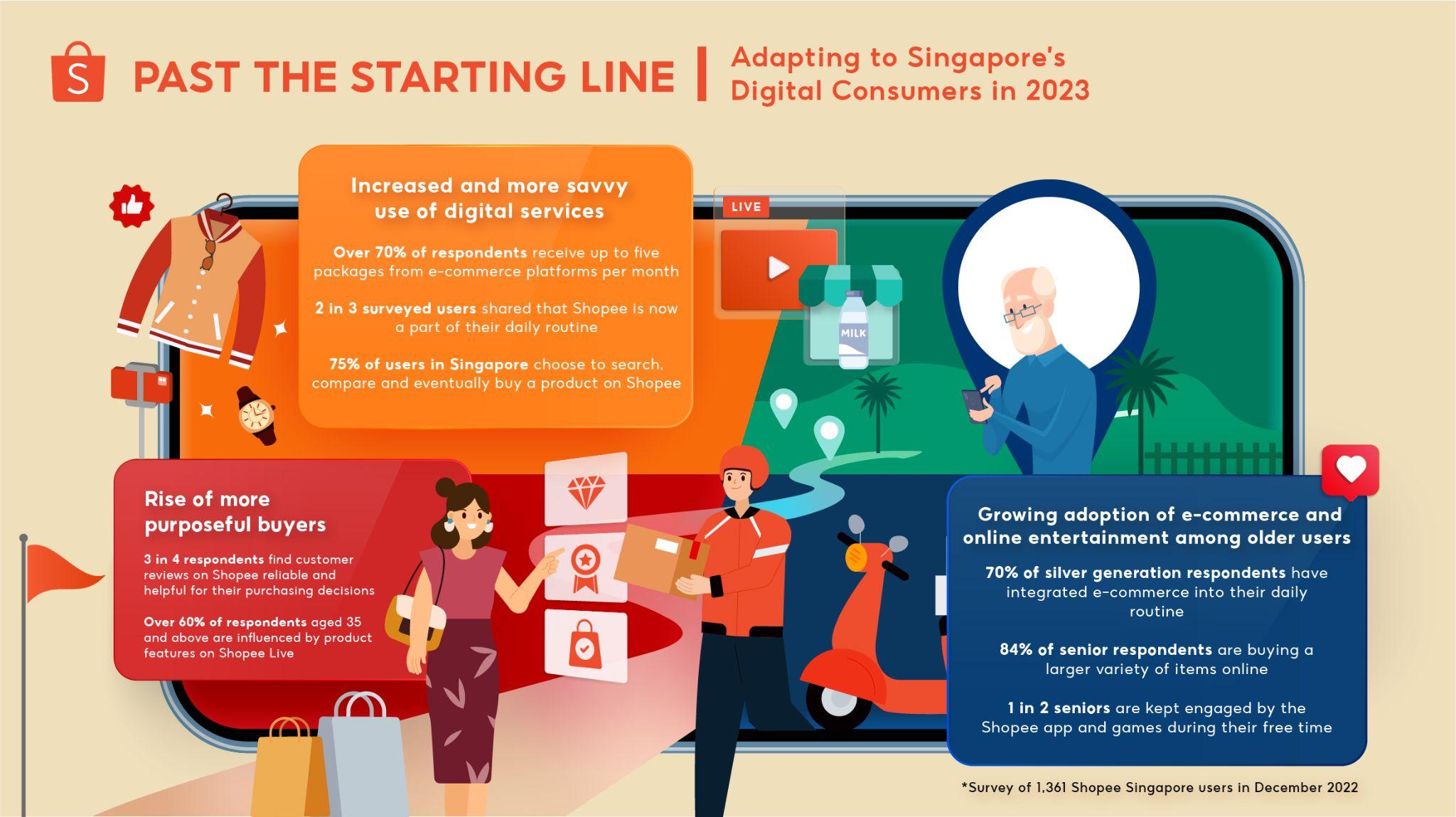
Key Highlights
- Strengths & Growth Potential: Shopee’s mobile-first, user-friendly platform and expansive product range give it a competitive edge in an evolving market.
- Operational and Regulatory Challenges: With intense competition, regulatory changes, and cybersecurity risks, both large players and start-ups must navigate complex challenges.
- Opportunities for Start-Ups: Expanding market reach, leveraging technology such as AI, and addressing niche consumer needs present rich opportunities for growth and innovation.
Introduction
Shopee has secured its position as a leading e-commerce platform in Southeast Asia and beyond, driven by technological innovation and a robust user base. For start-ups aiming to strategize within this competitive landscape, a detailed SWOT and PESTLE analysis offers invaluable insights. In this report, we highlight major challenges that Shopee faces in light of current trends, examine opportunities that arise from these challenges, and propose strategies that start-ups can utilize to either emulate or counter the tactics of established players like Shopee.
SWOT Analysis for Shopee
Strengths
Shopee’s success in the e-commerce domain is largely driven by several standout strengths:
- User-Centric Design: Its mobile-first approach and intuitive user interface allow for seamless navigation and efficient transactions, making it highly accessible to a diverse audience.
- Market Leadership & Brand Recognition: Being one of the foremost e-commerce platforms in Southeast Asia, Shopee has built significant trust and brand appeal, which enhances customer loyalty.
- Diverse Product Portfolio: Offering an extensive range of products from fashion to electronics, Shopee caters to a broad market spectrum and situates itself as a one-stop-shop.
- Robust Logistics Network: With innovations in logistics and last-mile delivery, including initiatives toward adopting electric vehicles, Shopee ensures timely deliveries and builds consumer confidence.
Weaknesses
Despite its robust strengths, Shopee faces several operational and strategic weaknesses that can be exploited both by competitors and emerging start-ups:
- Operational Challenges: Issues such as delayed deliveries, underpayment of service providers, and occasional lapses in customer service can tarnish its reputation.
- Over-Reliance on Promotions: A heavy dependence on discounts and promotions to attract users may impair long-term profitability and brand value.
- Dependence on Third-Party Sellers: This reliance can sometimes result in quality control issues, misinformation in product listings, and variable customer experience.
- Limited Global Presence: While dominant in Southeast Asia, Shopee’s brand recognition internationally remains more restricted compared to global giants, limiting its market diversification.
Opportunities
The dynamic nature of the e-commerce market presents several avenues for growth and innovation:
- Expanding Internet Penetration: With a surge in digital adoption and mobile connectivity, especially in regions like Southeast Asia, there exists a significant opportunity to broaden the customer base.
- Technological Integration: Investment in technologies like artificial intelligence (AI) and machine learning (ML) for personalized shopping experiences, improved logistics, and customer engagement creates a fertile ground for innovation.
- New Market Entrants: Opportunities arise from venturing into untapped markets (e.g., Latin America, Africa, or the Middle East), where e-commerce adoption is still evolving.
- Diversification into Financial Services: Incorporating fintech solutions to offer financial services such as loans or insurance based on shopping patterns can provide additional revenue streams.
Threats
Understanding the external threats is crucial for identifying areas where start-ups might gain competitive insights or avoid common pitfalls:
- Intense Competition: Competitors like Lazada, TikTok Shop, and international players such as Amazon and Alibaba continuously raise the bar in customer experience and logistics.
- Regulatory and Compliance Risks: Changing policies regarding e-commerce, taxation, data protection, and consumer rights can adversely impact operational efficiency and increase costs.
- Cybersecurity Concerns: The significance of data breaches and online fraud remains a pressing risk, necessitating robust security measures to maintain customer trust.
- Economic Instability: Fluctuations in economic conditions and currency instabilities may lead to decreased consumer spending and affect profitability.
PESTLE Analysis for Shopee
Political Factors
Shopee operates in a region where political stability can greatly influence operations:
- Government Regulations: Compliance with varying digital commerce rules, tax laws, and data privacy regulations in different jurisdictions is a significant factor affecting operational costs and strategy.
- Trade Policies and Tariffs: Changes in trade agreements and imposition of tariffs can impact import-export dynamics, influencing inventory and pricing models.
Economic Factors
The broader economic environment plays a key role in shaping market demand and consumer behavior:
- Rapid Economic Growth: As disposable incomes rise in emerging markets, demand for online shopping platforms like Shopee increases, paving the way for business expansion.
- Inflation and Currency Fluctuation: Economic uncertainties such as inflations and currency depreciation can impact pricing strategies and overall profitability.
- Broadening Consumer Base: The trend of increased internet penetration leads to a growing customer base that is continuously reshaping spending habits.
Social Factors
Changing societal trends and consumer expectations are influential in driving e-commerce strategies:
- Shifts in Consumer Behavior: Trends such as the increasing preference for online shopping, especially in a post-pandemic world, have boosted e-commerce traffic.
- Demographic Variations: A growing middle class and younger demographics with a high affinity for digital solutions create a robust market for online services.
- Sustainability and Ethical Consumption: There is rising consumer awareness regarding sustainable practices and ethical sourcing, pushing companies to adopt greener practices.
Technological Factors
Technological advancements are at the heart of modern e-commerce strategies:
- Adoption of AI and ML: Incorporating AI-driven analytics enhances personalized shopping experiences, improves supply chain logistics, and optimizes customer interactions.
- Mobile Payment Solutions: Innovations in digital payment ecosystems have led to more secure and efficient transactions, boosting consumer confidence.
- Infrastructure and Cybersecurity: Ensuring robust technological frameworks and data security systems is critical to mitigate risks from cyber threats and data breaches.
Legal Factors
Legal frameworks shape how e-commerce companies operate across different regions:
- Compliance with Data Protection Laws: Adherence to laws like the GDPR is imperative to maintain customer trust and avoid regulatory fines.
- Consumer Protection and Rights: Legal standards related to consumer safety and product accountability influence operational protocols and quality assurance measures.
- Intellectual Property Rights: Protecting the brand against counterfeit and imitation products remains a persistent legal challenge.
Environmental Factors
Environmental considerations increasingly affect business strategies in the e-commerce space:
- Sustainability Initiatives: There is a substantial push towards using eco-friendly packaging, optimizing logistics to reduce carbon footprints, and investing in renewable energy sources for operations.
- Regulatory Pressures: Environmental laws and waste management standards often require significant adjustments in supply chain strategies, urging companies to adopt green practices.
Challenges and Opportunities for Shopee in the Context of E-Commerce Trends
Major Challenges
Shopee encounters several key challenges against the backdrop of rapidly evolving e-commerce trends:
- Intense Market Competition: The rapid emergence of competitors, both regional and global, such as Lazada, TikTok Shop, Amazon, and Alibaba, intensifies the need for continuous process optimization and innovation. Start-ups should note that overcoming established brand loyalty and operational benchmarks is a considerable barrier.
- Operational Inefficiencies and Logistic Hurdles: Issues such as shipment delays, quality control problems due to dependence on third-party sellers, and inconsistencies in customer service are recurring challenges. For start-ups, building a streamlined and responsive delivery system will be critical to gain consumer confidence.
- Regulatory Compliance and Legal Uncertainties: Navigating a mosaic of regional regulations, data protection laws, and taxation policies creates significant operational overheads. These uncertainties bear potential risks for financial and operational planning.
- Cybersecurity Threats: With the surge in digital transactions, threats related to data breaches and online fraud require constant investment in state-of-the-art cybersecurity measures. This continuous need for technological upgrades is a challenge both for established companies and new entrants.
Opportunities for Growth and Improvement
The same trends that bring challenges also pave the way for marked opportunities, particularly for start-ups looking to capitalize on innovative approaches:
- Leveraging AI and Data Analytics: Harnessing emerging technologies such as AI can provide personalized shopping experiences and enhanced supply chain management. Start-ups could implement niche data-driven strategies to target underserved customer segments.
- Expanding into Untapped Markets: With many regions still in the early stages of e-commerce penetration, the potential for expanding into emerging markets like Latin America, Africa, or even untapped areas within Southeast Asia is significant. This offers start-ups the chance to create hyper-localized platforms that meet unique local demands.
- Innovative Payment and Financial Services: By integrating cutting-edge fintech solutions like mobile wallets, digital banking, and even micro-financing, new players can differentiate themselves from larger competitors, providing more inclusive financial services that resonate with underbanked populations.
- Enhanced Customer Engagement & Niche Targeting: Focused customer engagement strategies using social media influencers, live streaming, and personalized marketing campaigns offer vast opportunities. Start-ups can pinpoint specific niches or demographic groups, creating tailored experiences that encourage loyalty.
- Sustainability as a Competitive Edge: As eco-conscious practices become a market requirement, startups have the chance to design their operations from the ground up with sustainability in mind – from green logistics to recyclable packaging – setting up a modern, appealing brand narrative.
Consolidated Strategic Table
| Aspect | Description | Implications for Start-Ups |
|---|---|---|
| Strengths |
- Mobile-first and user-friendly interface - Extensive product range and market leadership - Robust logistics and integrated payment options |
Leverage similar technology frameworks; innovate service delivery and customer engagement methods. |
| Weaknesses |
- Operational hiccups including delays and dependence on third-party sellers - Heavy reliance on promotions affecting long-term profitability |
Adopt streamlined logistics and strong quality controls; build transparent practices from the outset. |
| Opportunities |
- Expanding e-commerce adoption in emerging markets - Advancements in AI, fintech, and personalization - Niche targeting and sustainable operational practices |
Capitalize on technology-driven market segments and tailor operations to localized market needs. |
| Threats |
- Fierce competition from regional and global e-commerce giants - Regulatory shifts and cybersecurity challenges - Economic uncertainties impacting consumer spending |
Focus on regulatory compliance, robust cybersecurity measures, and niche market strategies to mitigate external pressures. |
| Political & Legal |
- Changing governmental policies and tax laws - Data protection and consumer rights regulations |
Stay adaptive to legal frameworks; invest in compliance and risk management systems early. |
| Economic & Social |
- Rising disposable incomes and digital adoption - Shifting consumer behavior toward online and ethical shopping practices |
Focus on tailored marketing and culturally sensitive product offerings addressing local consumer needs. |
| Technological & Environmental |
- Rapid technological advancements in AI, data analytics, and fintech - Emerging trends in sustainability and green innovation |
Integrate advanced technology to provide secure and efficient service while emphasizing eco-friendly practices. |
Strategies for Start-Ups: Learning from Shopee
Actionable Insights and Strategic Recommendations
Based on the consolidated SWOT and PESTLE analysis, start-ups can adopt the following strategies to navigate the competitive e-commerce arena and capitalize on emerging trends:
1. Embrace Technological Innovations
Invest in machine learning, data analytics, and AI to create personalized shopping experiences and optimize logistics. Tailored algorithms driven by robust data sets can significantly enhance customer experience and operational efficiency.
2. Cultivate a Niche Market Approach
Instead of competing head-on with industry giants, identify and target niche markets or product segments that remain underserved. Regional customization and hyper-local marketing can generate a loyal consumer base.
3. Build Resilient Supply Chains
Establish efficient, transparent, and sustainable supply chains that pre-empt logistical delays and uphold quality standards. Invest in technology to track shipments and manage inventory in real time.
4. Prioritize Regulatory and Cybersecurity Compliance
Adopt strict regulatory frameworks and robust cybersecurity measures from the beginning. Compliance with evolving data protection laws and consumer rights legislation should be a cornerstone in the start-up’s operational strategy.
5. Leverage Strategic Partnerships and Fintech Integration
Collaborate with local or regional players, including fintech companies, to diversify revenue streams and improve financial services. A strong partnership network can help mitigate risks and accelerate market penetration.
Taking Action: How Start-Ups Can Leverage the Analysis
For burgeoning start-ups within the dynamic landscape of e-commerce, the insights derived from Shopee’s SWOT and PESTLE analysis serve as a robust framework to:
- Identify specific market gaps that can be filled with innovative, technology-driven solutions.
- Formulate operational strategies that emphasize high levels of customer service and efficient logistics.
- Adopt flexible business models that can quickly adapt to regulatory or economic changes.
- Develop stakeholder trust through ethical practices, transparent communication, and a commitment to sustainability.
Industry Trends for Further Research
- Digital transformation in e-commerce logistics
- The role of AI and ML in personalized consumer experiences
- Adaptation to regulatory changes in different global markets
- Sustainable practices in packaging and supply chain management
- Fintech integrations and innovative digital payment systems
References
- Shopee SWOT Analysis - Osum
- SEA Limited PESTLE Analysis - SWOT & PESTLE
- Comprehensive SWOT Analysis of Shopee - SWOT and PESTLE Analysis
- Shopee’s Rise to Stardom – The Catalyst by Alumnus Capital
- In-Depth Shopee Market Insights - Cube Asia
Recommended Searches
Last updated March 25, 2025