
Understanding the Journey of SHS Working Students at PHINMA-University of Pangasinan
Balancing Academics and Employment: Challenges, Strategies, and Support Systems
Key Takeaways
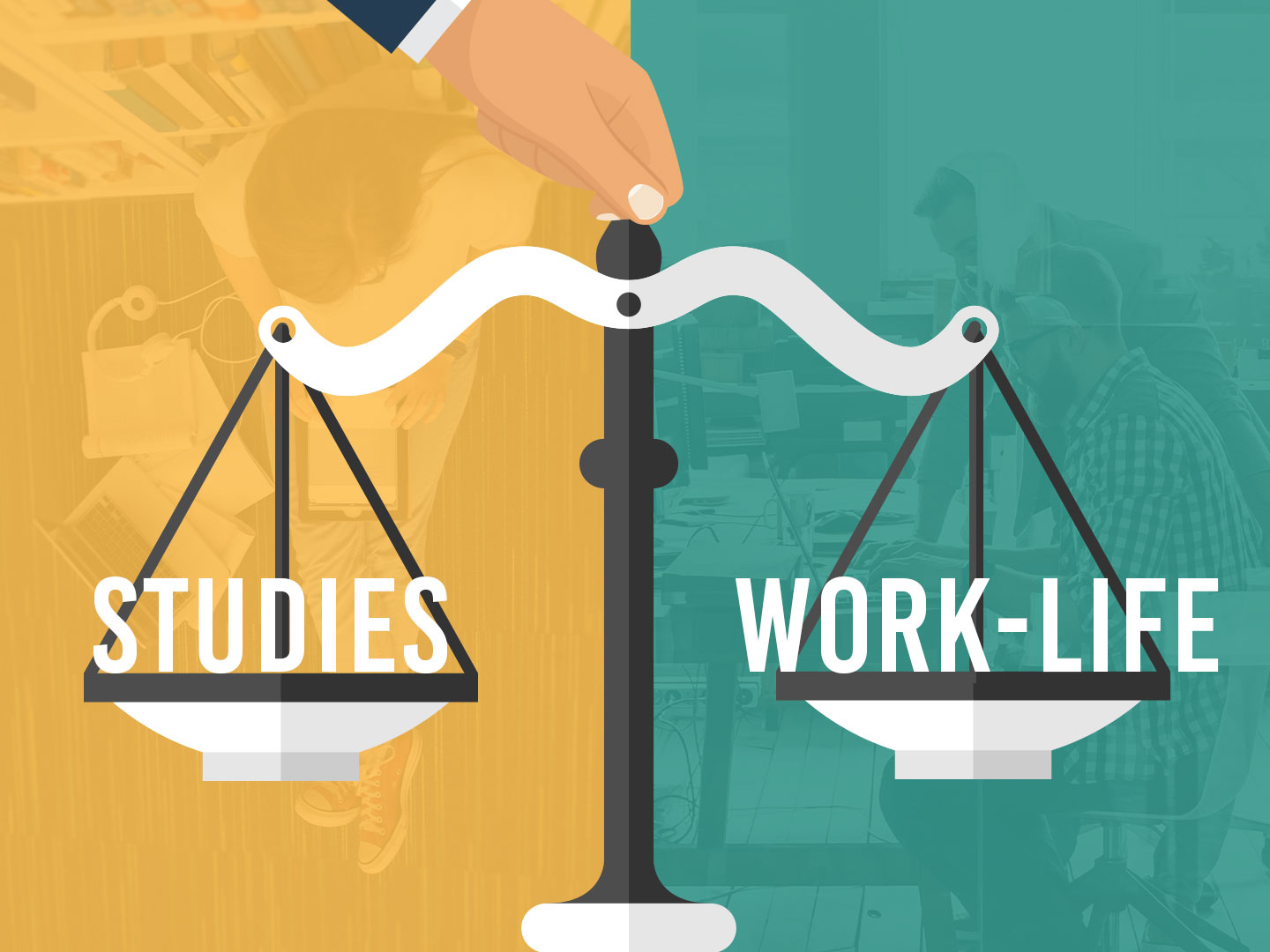
- Balancing Act: SHS working students navigate a complex balance between academic responsibilities and employment commitments.
- Support Systems: Institutional, family, and social supports play a crucial role in their academic success and well-being.
- Impact of Work Hours: The number of work hours significantly affects academic performance and student retention.
Experiences of SHS Working Students
Dual Roles and Daily Realities
Senior High School (SHS) students at PHINMA-University of Pangasinan who engage in part-time or full-time work navigate a multifaceted landscape where academic pursuits intersect with employment obligations. These students often juggle attending classes, completing assignments, participating in group projects, and fulfilling work shifts. The demands of managing these dual roles can lead to substantial emotional and physical fatigue, which in turn affects their overall motivation and productivity in both spheres.
Emotional and Physical Fatigue
The rigorous schedule required to balance education and employment can result in significant fatigue. Mental exhaustion may stem from constant switching between academic tasks and job responsibilities, while physical tiredness can accumulate from long work hours. Over time, this fatigue can diminish students' capacity to engage fully with their studies and perform effectively at work, potentially leading to decreased academic performance and job satisfaction.
Satisfaction and Resilience
Despite the challenges, many SHS working students express a profound sense of accomplishment from their ability to support themselves and contribute to their families. This dual experience fosters resilience, as students develop strong time management skills, perseverance, and a commitment to their long-term educational and career goals. The satisfaction derived from successfully balancing these responsibilities can enhance their self-esteem and drive to succeed academically.
Obstacles in Managing Academic Duties and Work Obligations
Time Management Constraints
One of the most significant obstacles faced by SHS working students is the limited time available to dedicate to their studies. Long work hours can encroach upon study time, leading to insufficient preparation for classes and exams. Additionally, rigid work schedules may conflict with class times, making it difficult for students to attend all their academic commitments without sacrificing either their work or education.
Emotional and Physical Fatigue
The constant demand to fulfill both work and academic responsibilities can lead to mental and physical exhaustion. This fatigue not only affects students' ability to concentrate and retain information but also impacts their overall health and well-being. Chronic tiredness can result in decreased academic performance and increased absenteeism, thereby hindering their educational progress.
Stress and Mental Health Challenges
Balancing work and study can contribute to elevated stress levels among students. The pressure to perform well academically while meeting employment obligations can lead to anxiety, burnout, and other mental health issues. Without adequate coping mechanisms and support systems, this stress can have long-term implications on both their academic outcomes and personal well-being.
Managing Pressures of Education and Employment
Effective Time Management
SHS working students employ various time management strategies to navigate their demanding schedules. This includes creating detailed timetables, prioritizing tasks based on urgency and importance, and utilizing digital scheduling tools to organize their daily activities. By setting clear boundaries and allocating specific time slots for studying and work, students can better manage their responsibilities and reduce the likelihood of conflicts between the two domains.
Adaptability and Flexibility
Adaptability is key for students who must adjust their study habits and work schedules to accommodate unforeseen changes. This flexibility allows them to respond effectively to unexpected work demands or academic requirements, ensuring that neither their job nor their studies suffer significantly. Employing techniques such as shorter, more frequent study sessions can help maintain academic engagement even during periods of intense work activity.
Seeking Peer and Institutional Support
Engaging with classmates, friends, and institutional resources provides SHS working students with essential support. Peer support can offer practical advice on balancing work and study, while institutional resources such as counseling services and academic advising assist students in developing personalized strategies for success. Building a network of supportive peers and accessing available institutional help are critical components in managing the pressures of dual commitments.
Types of Support and Their Influence
Institutional Support
Flexible Scheduling and Academic Assistance
Educational institutions like PHINMA-UPang provide various forms of support to aid working students. Flexible scheduling options, such as evening or weekend classes, online learning modules, and make-up sessions, enable students to better align their academic commitments with their work schedules. Additionally, access to counseling services and academic advising helps students navigate challenges and plan for long-term success.
Financial Aid and Scholarships
Financial support through scholarships and grants alleviates the economic burden on working students, allowing them to focus more on their studies rather than solely on earning income. By reducing financial stress, these resources contribute to improved academic performance and overall well-being.
Family Support
Emotional and Financial Support
Support from family members, both emotional and financial, plays a pivotal role in the success of working students. Emotional encouragement provides moral support, helping students maintain motivation and resilience in the face of challenges. Financial assistance from family can reduce the necessity for extensive work hours, thereby allowing students to allocate more time and energy to their academic pursuits.
Social Support
Peer Networks and Mentorship
Social support from peers and mentors offers practical advice and emotional reassurance. Engaging with peers who face similar challenges fosters a sense of community and shared understanding, while mentorship programs provide guidance and insights from those who have successfully balanced work and study. These support networks enhance students' ability to cope with stress and develop effective strategies for managing their dual roles.
Impact on Academic Success and Well-Being
The combination of institutional, family, and social support systems significantly influences the academic success and overall well-being of SHS working students. Institutional support can reduce financial strain and provide the necessary tools for effective time management. Family support offers emotional stability and financial relief, while social support from peers and mentors fosters a supportive community that enhances resilience and persistence in academic pursuits.
Lessons Learned to Enhance Support Systems
Flexible Learning Models
Educational institutions should adopt flexible learning models that cater to the unique needs of working students. This includes offering asynchronous classes, hybrid learning environments, and adaptable examination schedules that accommodate varying work hours. These adjustments can significantly ease the burden on students, allowing them to maintain their employment without compromising their educational goals.
Integrated Support Services
Creating comprehensive support centers that offer counseling, academic advising, and career guidance in one place can streamline the support process for working students. Integrated services provide a holistic approach to addressing the diverse challenges faced by students, making it easier for them to access the resources they need to succeed academically and personally.
Strengthening Mentorship and Peer Networks
Structured mentorship programs and the establishment of peer support groups can provide working students with valuable guidance and a sense of community. Mentors can offer practical advice and share experiences, while peer networks facilitate the exchange of effective strategies for balancing work and study. These programs foster an environment of mutual support and collaboration, enhancing students' ability to thrive in both their academic and professional lives.
Employer Collaboration
Partnering with local employers to develop student-friendly work practices can minimize schedule conflicts and provide a more supportive work environment. Flexible work hours, on-campus job opportunities, and understanding from employers regarding academic commitments can help students manage their responsibilities more effectively, leading to better academic and work performance.
Holistic Well-Being Programs
Implementing workshops focused on stress management, time management, and resilience training can equip working students with the tools they need to handle the pressures of balancing education and employment. These programs promote overall well-being, helping students maintain their mental and physical health while pursuing their academic and career objectives.
Impact of Working Hours on Academic Focus and Retention
| Work Hours per Week | Impact on Academic Focus | Retention Rates |
|---|---|---|
| 0-10 Hours | Minimal to no negative impact; possible positive effects through improved time management skills. | High retention rates due to ample time for studies and extracurricular activities. |
| 10-20 Hours | Moderate impact; students can maintain good academic performance with effective time management. | Stable retention rates as students balance work and study effectively. |
| 20-30 Hours | Negative impact begins; increased fatigue and reduced time for studies affect academic focus. | Lower retention rates due to increased stress and potential burnout. |
| 30+ Hours | Significant negative impact; high levels of stress and fatigue severely hinder academic performance. | Very low retention rates; high likelihood of dropout due to overwhelming pressures. |
Reduced Academic Focus
Working more than 20 hours per week often intrudes upon the necessary time required for studying and academic engagements. This can lead to cognitive overload, diminished attention during classes, and lower comprehension of academic material. As a result, students may find it challenging to keep up with coursework, leading to poorer academic performance and a lack of engagement with their studies.
Compromised Retention Rates
High work hours correlate with lower retention rates among SHS working students. The combined pressures of work and study can lead to increased absenteeism, lower grades, and a higher propensity for dropping out. Without effective support systems and manageable work schedules, students struggle to maintain their educational trajectories, resulting in decreased overall retention within the academic institution.
Increased Risk of Burnout
Prolonged periods of excessive work hours without adequate rest and support can lead to burnout. Burnout manifests as chronic stress, physical and emotional exhaustion, and a decreased sense of accomplishment. This state not only impairs academic performance but also affects students' long-term health and career prospects. Preventing burnout through balanced work hours and robust support systems is essential for the sustained success of working students.
Potential for Long-term Benefits
While excessive work hours can be detrimental, moderately structured employment experiences can offer long-term benefits. Skills such as time management, problem-solving, and professional responsibility are often enhanced through work experiences. When work hours are carefully balanced with academic commitments, these skills contribute positively to students' academic and career success, preparing them for future professional environments.
Conclusion
The experiences of SHS working students at PHINMA-University of Pangasinan highlight the intricate balance between academic responsibilities and employment obligations. These students face significant challenges, including time management constraints, emotional and physical fatigue, and heightened stress levels. However, through effective strategies such as meticulous time management, adaptability, and leveraging support systems, many students demonstrate remarkable resilience and a strong commitment to their educational and career goals.
Institutional support plays a vital role in mitigating the challenges faced by working students. Flexible scheduling, financial aid, counseling services, and peer support networks are essential components that enhance academic success and overall well-being. Moreover, lessons learned from the experiences of these students emphasize the need for educational institutions to adopt flexible learning models, provide integrated support services, strengthen mentorship programs, collaborate with employers, and implement holistic well-being initiatives.
Ultimately, the impact of work hours on academic focus and retention underscores the importance of maintaining a balanced approach to employment and education. By fostering supportive environments and offering tailored resources, PHINMA-University of Pangasinan can continue to empower SHS working students to achieve their academic aspirations while managing their professional responsibilities effectively.
References
PHINMA Community Students
PHINMA-UPang Official Site
Sage Journals Study
MMS Journals Article
Taylor & Francis Study
BYU Higher Education Research
Inside Higher Ed
NCBI Article
Last updated February 14, 2025