
Side Effects of Excessive Cold Drink Consumption in Girls
Exploring the Comprehensive Health Impacts of Sugary Beverages
Key Takeaways
- Weight Gain and Obesity: High caloric intake from sugary drinks contributes significantly to weight management challenges.
- Chronic Disease Risks: Increased likelihood of developing type 2 diabetes, cardiovascular diseases, and liver-related conditions.
- Hormonal and Reproductive Health: Excessive consumption affects hormonal balance, leading to menstrual irregularities and reproductive issues.
Weight Gain and Obesity
Understanding the Caloric Impact
Regular consumption of cold drinks, especially those high in sugar, can lead to significant weight gain and obesity in girls. These beverages are typically high in empty calories, which provide energy without essential nutrients. Over time, the excess calories contribute to an increase in body fat. Furthermore, sugary drinks can suppress hunger cues, leading to overeating later in the day as the body compensates for the lack of satiety.
Caloric Content and Consumption Patterns
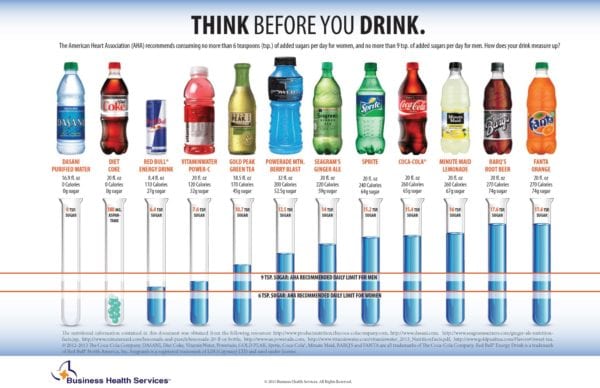
A typical 12-ounce can of soda contains approximately 140 calories and 39 grams of sugar. Consuming multiple cans daily can easily surpass the recommended daily sugar intake, leading to a caloric surplus. This surplus is stored as fat, increasing the risk of obesity and associated health problems.
Risk of Type 2 Diabetes and Insulin Resistance
Metabolic Consequences of High Sugar Intake
High sugar consumption from cold drinks can destabilize blood glucose levels, leading to insulin resistance—the precursor to type 2 diabetes. Insulin resistance occurs when cells become less responsive to insulin, causing the pancreas to produce more insulin to maintain normal blood glucose levels. Over time, this strain can exhaust the pancreas, resulting in chronic hyperglycemia and diabetes.
Long-Term Health Implications
The persistent demand for increased insulin production can lead to pancreatic fatigue, decreasing its ability to regulate blood sugar effectively. This condition not only elevates the risk of developing type 2 diabetes but also exacerbates other metabolic syndromes, such as hypertension and dyslipidemia.
Dental and Oral Health Problems
Impact of Sugars and Acids on Teeth
Sugary cold drinks are a major contributor to dental issues such as tooth decay, cavities, and enamel erosion. The high sugar content feeds harmful bacteria in the mouth, which produce acids as byproducts. These acids attack the tooth enamel, leading to demineralization and the formation of cavities. Additionally, the acidic nature of many cold drinks can weaken enamel, making teeth more susceptible to decay.
Preventive Measures and Oral Care
Implementing good oral hygiene practices, such as regular brushing with fluoride toothpaste and flossing, can help mitigate the adverse effects. Reducing the frequency of sugary drink consumption and opting for water or other non-acidic beverages can significantly improve oral health outcomes.
Cardiovascular Diseases
Link Between Sugary Beverages and Heart Health
Consumption of sugary cold drinks has been linked to an increased risk of cardiovascular diseases (CVD) in girls. High sugar intake leads to elevated triglyceride levels, increased LDL cholesterol, and reduced HDL cholesterol, all of which are risk factors for heart disease. Additionally, the inflammatory effects of excessive sugar can contribute to the development of atherosclerosis, further elevating the risk of heart attacks and strokes.
Mechanisms of Cardiovascular Impact
Sugars, particularly fructose, are metabolized in the liver, where they can lead to the production of triglycerides and LDL cholesterol. Elevated levels of these lipids in the blood contribute to the formation of fatty plaques in arteries, narrowing them and restricting blood flow. This process increases the likelihood of hypertension and other cardiovascular complications.
Liver Health Concerns
Risks of Liver Diseases
Excessive intake of sugary cold drinks can lead to nonalcoholic fatty liver disease (NAFLD), liver fibrosis, and, in severe cases, liver cancer. High fructose consumption overwhelms the liver's capacity to metabolize sugar, resulting in fat accumulation within liver cells. This condition can progress to fibrosis and cirrhosis, compromising liver function and increasing the risk of hepatocellular carcinoma.
Specific Vulnerabilities in Girls
Postmenopausal girls may be particularly susceptible to liver-related issues due to hormonal changes that affect fat metabolism and liver function. The combination of high sugar intake and declining estrogen levels can exacerbate liver fat accumulation and inflammation, accelerating the progression of liver diseases.
Bone Health Issues
Impact on Bone Density and Strength
High consumption of cold drinks, especially colas containing phosphoric acid, can negatively affect bone health in girls. Phosphoric acid may interfere with calcium absorption, leading to decreased bone mineral density. Over time, this can increase the risk of osteoporosis and bone fractures, particularly during the critical years of bone development.
Nutritional Displacement and Bone Health
When cold drinks replace nutrient-rich beverages like milk, girls may experience deficiencies in calcium and vitamin D, essential for bone growth and maintenance. This displacement further exacerbates the risk of developing weak bones and related health issues.
Hormonal and Reproductive Health
Effects on Hormonal Balance and Menstrual Health
Excessive consumption of sugary cold drinks can disrupt hormonal balance in girls, leading to menstrual irregularities and reproductive health issues. High sugar intake is associated with insulin resistance, which can influence the production of sex hormones like estrogen and progesterone. Imbalances in these hormones may result in irregular menstrual cycles, increased menstrual pain, and potentially affect fertility.
Insulin Resistance and Hormonal Disruption
Insulin resistance from high sugar intake can interfere with the signaling pathways that regulate hormone production. This disruption may lead to conditions such as polycystic ovary syndrome (PCOS), which is characterized by irregular menstruation, hormonal imbalances, and metabolic disturbances, further impacting reproductive health.
Immune System Weakening
Susceptibility to Infections and Illnesses
Regular intake of sugary cold drinks can compromise the immune system, making girls more susceptible to infections and illnesses. High sugar levels can impair the function of white blood cells, which are crucial for combating pathogens. Additionally, chronic inflammation induced by excessive sugar can further weaken immune responses, increasing vulnerability to common and chronic diseases.
Mechanisms of Immune Suppression
Elevated blood glucose levels can create an environment conducive to microbial growth, while high sugar intake can reduce the efficiency of immune cells in identifying and eliminating pathogens. This dual effect hampers the body's ability to defend against infections effectively.
Gastrointestinal Problems
Digestive Discomfort and Issues
Cold drinks, particularly those that are carbonated and sugary, can cause various gastrointestinal issues in girls. The carbonation can lead to bloating, gas, and stomach discomfort, while high sugar levels can disrupt the balance of gut bacteria. This imbalance may result in conditions such as irritable bowel syndrome (IBS) and chronic indigestion.
Impact on Gut Microbiota
Sugary beverages can promote the growth of harmful bacteria in the digestive tract, leading to dysbiosis. This disruption in the gut microbiome can affect nutrient absorption, immune function, and overall digestive health, contributing to long-term gastrointestinal problems.
Other Health Concerns
Neurological and Developmental Effects
Excessive consumption of cold drinks may also have neurological implications. Ingredients such as artificial sweeteners and additives like monosodium glutamate (MSG) have been linked to mood swings, headaches, and cognitive disturbances. Additionally, high sugar intake during critical developmental periods can affect brain function and mental health.
Accelerated Aging and Skin Health
Chronic high sugar consumption can accelerate the aging process by promoting glycation, a process that damages collagen and elastin in the skin. This can lead to premature wrinkles, loss of skin elasticity, and other signs of aging. Maintaining a balanced diet with limited sugary beverages is essential for preserving youthful skin and overall vitality.
Summary of Side Effects
Comprehensive Overview
| Health Aspect | Specific Effects |
|---|---|
| Weight Management | Weight gain, obesity risk |
| Metabolic Health | Type 2 diabetes, insulin resistance |
| Oral Health | Tooth decay, cavities, enamel erosion |
| Cardiovascular Health | Increased risk of heart disease and stroke |
| Liver Health | Nonalcoholic fatty liver disease, liver cancer |
| Bone Health | Decreased bone mineral density, osteoporosis |
| Reproductive Health | Menstrual irregularities, hormonal imbalances |
| Immune System | Weakened immune response, increased infection risk |
| Digestive Health | Gastrointestinal discomfort, dysbiosis |
| Neurological Health | Mood swings, cognitive disturbances |
Conclusion
The excessive consumption of cold drinks poses numerous health risks for girls, impacting various aspects of physical and hormonal well-being. From contributing to weight gain and increasing the risk of chronic diseases like type 2 diabetes and cardiovascular conditions to affecting dental health, liver function, and hormonal balance, the adverse effects are comprehensive and multifaceted. Additionally, the weakening of the immune system and the onset of gastrointestinal and neurological issues further underscore the importance of moderating sweetened beverage intake.
To mitigate these risks, it is essential to adopt healthier beverage choices such as water, unsweetened teas, and fresh fruit juices. Encouraging balanced nutrition and fostering awareness about the dangers of excessive sugary drink consumption can play a pivotal role in promoting long-term health and preventing the onset of related diseases. Consulting with healthcare professionals for personalized advice can also aid in making informed dietary decisions that support overall well-being.
References
Last updated February 6, 2025