
Understanding the Side Effects of Immunization
Comprehensive insights into vaccine reactions and safety
Key Takeaways
- Most vaccine side effects are mild and temporary, such as soreness at the injection site or a low-grade fever.
- Serious adverse events are extremely rare, and the benefits of vaccination outweigh the potential risks.
- Vaccine safety is continuously monitored through robust reporting systems to ensure public health.
Introduction
Immunization, commonly known as vaccination, plays a pivotal role in preventing and controlling the spread of infectious diseases. Vaccines are meticulously designed to be both safe and effective. However, like any medical intervention, they can occasionally cause side effects. Understanding these side effects is essential for individuals to make informed decisions about their health and to manage any reactions that may occur.
Common Side Effects
Local Reactions
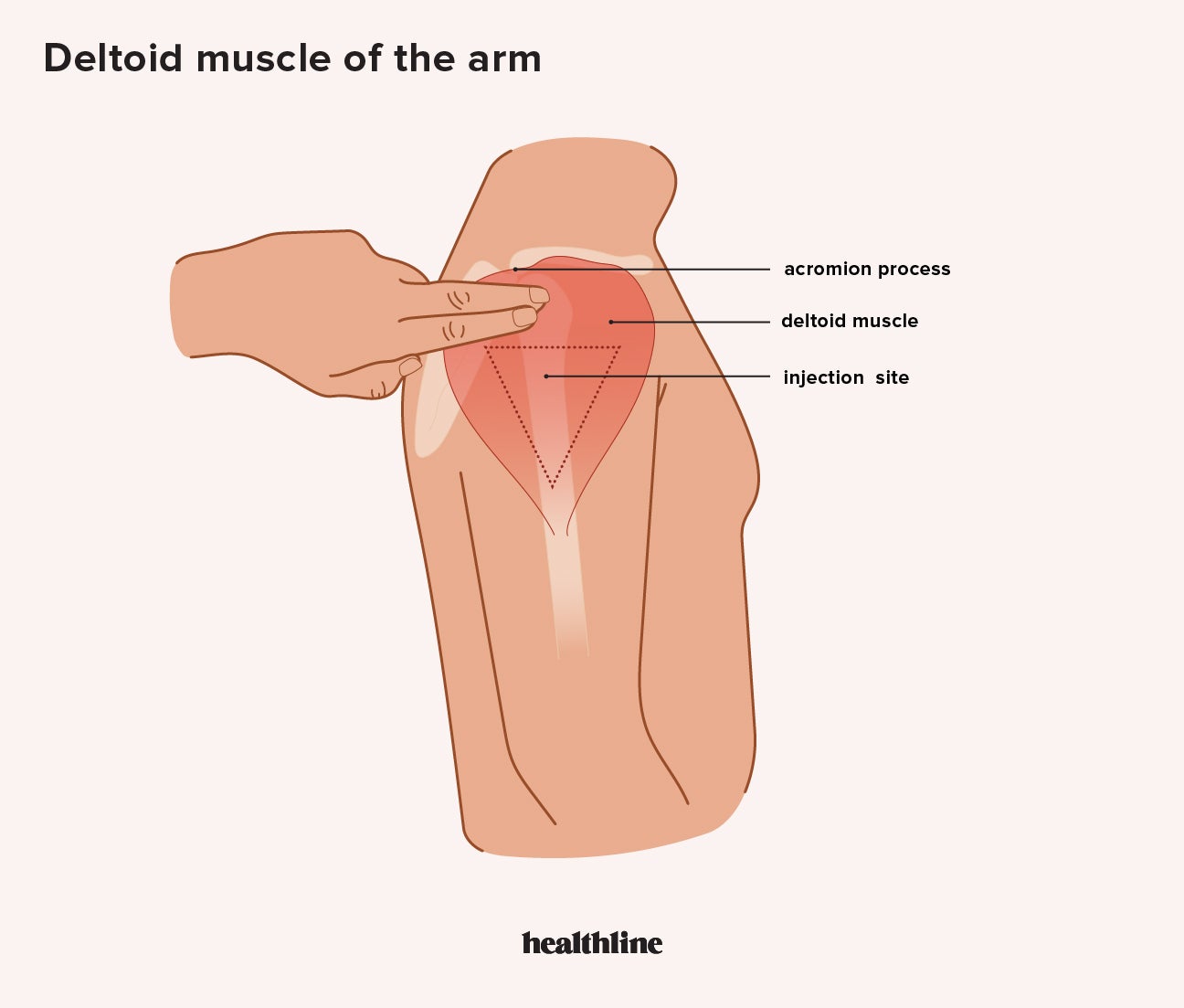
The most frequently reported side effects of vaccines are local reactions at the injection site. These reactions are generally mild and short-lived.
Pain, Redness, and Swelling
Individuals may experience pain, redness, or swelling where the vaccine was administered. These symptoms typically arise within a few hours of vaccination and subside within a few days.
Systemic Reactions
Beyond the injection site, vaccines can induce systemic reactions as the body mounts an immune response.
Fever
A mild fever is a common response to many vaccines. It usually lasts for one to two days and is a sign that the body is building protection against the disease.
Fatigue and Headaches
Fatigue, or a general feeling of being unwell, along with headaches, can occur post-vaccination. These symptoms are typically transient and resolve without intervention.
Muscle and Joint Aches
Some individuals may experience muscle or joint aches following vaccination. These aches usually mirror the body's natural immune response and are temporary.
Other Systemic Symptoms
Additional systemic symptoms can include chills, nausea, vomiting, diarrhea, and loss of appetite. These are less common but generally mild and short-lived.
Less Common Side Effects
Allergic Reactions
While rare, some individuals may experience mild allergic reactions to vaccine components. Symptoms can include hives, itching, or localized swelling near the injection site.
Rash
Certain vaccines, such as the MMR (measles, mumps, rubella) and varicella (chickenpox) vaccines, can cause a mild rash. These rashes are typically non-threatening and resolve on their own.
Nausea and Dizziness
Some vaccines may cause nausea or dizziness in individuals, leading to transient discomfort. These symptoms are generally short-lived.
Fainting
Fainting or feeling lightheaded can occur after any medical procedure, including vaccinations. This is more common in adolescents and young adults and is usually harmless.
Rare but Serious Side Effects
Severe Allergic Reactions (Anaphylaxis)
Anaphylaxis is an extremely rare but severe allergic reaction that can occur after vaccination. It requires immediate medical attention.
Symptoms of Anaphylaxis
Symptoms include difficulty breathing, swelling of the face or throat, rapid heartbeat, and dizziness. Anaphylaxis typically occurs within minutes of vaccination.
Neurological Complications
Although very rare, vaccines can be associated with neurological conditions such as Guillain-Barré Syndrome (GBS).
Guillain-Barré Syndrome
GBS is a disorder where the body's immune system attacks the nerves, leading to muscle weakness and, in severe cases, paralysis. The incidence is exceedingly low, and the benefits of vaccination continue to outweigh this risk.
Febrile Seizures
Febrile seizures can occur in young children who develop a rapid rise in fever following vaccination. These seizures are generally not harmful and do not lead to long-term health issues.
Managing Side Effects
Most vaccine side effects are mild and can be managed at home. Here are some strategies to alleviate discomfort:
Local Side Effects
For soreness, redness, or swelling at the injection site, applying a cool compress and keeping the area clean can provide relief.
Systemic Side Effects
Over-the-counter pain relievers such as acetaminophen or ibuprofen can help mitigate fever, headaches, and muscle aches. It's important to follow dosing recommendations and consult with a healthcare provider if symptoms persist.
Vaccine Safety Monitoring
Vaccine safety is a top priority for public health organizations worldwide. Multiple systems are in place to monitor and evaluate vaccine side effects continuously.
Reporting Systems
In the United States, the Vaccine Adverse Event Reporting System (VAERS) collects and analyzes reports of adverse events post-vaccination. Healthcare providers and individuals can submit reports to contribute to ongoing safety monitoring.
Continuous Research
Ongoing research and surveillance ensure that any potential side effects are identified promptly. This enables health authorities to update guidelines and recommendations based on the latest evidence.
Benefits vs. Risks
The benefits of immunization in preventing serious and potentially life-threatening diseases far outweigh the risks associated with vaccine side effects. Vaccines have eradicated or controlled many infectious diseases that once caused widespread illness and death.
Preventing Disease Spread
Vaccines not only protect the individuals who receive them but also contribute to herd immunity, reducing the spread of infectious diseases within communities.
Long-Term Health Benefits
By preventing diseases, vaccines reduce the incidence of complications associated with infections, such as chronic illness, disability, and death.
Misconceptions and Myths
Despite extensive evidence supporting vaccine safety, various misconceptions persist. Addressing these myths is crucial for maintaining public trust in immunization programs.
Vaccines Cause Autism
Numerous studies have conclusively shown that there is no link between vaccines and autism. This misconception originated from a discredited study and has been debunked by extensive research.
Natural Immunity is Better
While natural infection can confer immunity, it often comes at the cost of severe illness, complications, and death. Vaccination provides a safe way to develop immunity without the associated risks of the disease.
Too Many Vaccines Overwhelm the Immune System
The immune system is capable of handling multiple antigens simultaneously. The number of vaccines given during childhood is safe and does not overwhelm the immune system.
Special Considerations
Certain populations may require specific considerations when it comes to vaccination.
Immunocompromised Individuals
People with weakened immune systems may need to avoid certain vaccines, particularly live attenuated vaccines. Consulting with a healthcare provider is essential for personalized recommendations.
Pregnant and Breastfeeding Women
Some vaccines are recommended for pregnant or breastfeeding women to protect both the mother and the baby. Healthcare providers can offer guidance on which vaccines are safe during these periods.
Age-Specific Vaccinations
Vaccine recommendations can vary based on age. For instance, certain vaccines are specifically formulated for infants, while others are intended for adults or the elderly.
HTML Table of Vaccine Side Effects
| Side Effect Category | Examples | Frequency |
|---|---|---|
| Common | Pain at injection site, redness, swelling, fever, fatigue | 1 in 10 to 1 in 100 |
| Less Common | Mild rash, nausea, dizziness, fainting | 1 in 1,000 |
| Rare | Severe allergic reactions (anaphylaxis), Guillain-Barré Syndrome | 1 in 1,000,000 |
Conclusion
Immunization remains one of the most effective strategies for preventing infectious diseases and safeguarding public health. While vaccines can cause side effects, the vast majority are mild and transient, posing minimal risk compared to the protection they offer against serious illnesses. Continuous monitoring and research ensure that vaccines remain safe and any potential risks are promptly addressed. Individuals are encouraged to consult with healthcare providers to make informed vaccination decisions tailored to their specific health needs.
References
Last updated February 16, 2025