
Evaluating the SIDS Lockdown Claim: Fact vs. Fiction
Unpacking the Truth Behind Infant Mortality Trends During the COVID-19 Pandemic
The user's query suggests that sudden infant death syndrome (SIDS) rates significantly decreased during the COVID-19 lockdowns, attributing this to reduced access to pediatricians. This claim has circulated in various online discussions, often linking it to lower vaccination rates or fewer medical visits. However, a thorough examination of available data and research reveals a more complex picture. Based on credible sources from scientific studies and health organizations, SIDS rates did not universally decline during the pandemic; in fact, many reports indicate an increase. This response synthesizes evidence to evaluate the claim, emphasizing key factors like safe sleep practices, respiratory infections, and healthcare access.
Key Highlights
- Increased SIDS Rates: Contrary to the claim, multiple studies show that SIDS and sudden unexpected infant death (SUID) rates rose during the pandemic, particularly in 2020 and 2021, despite lockdown measures.
- No Direct Link to Reduced Visits: Evidence does not support a causal relationship between fewer pediatric visits and lower SIDS rates; instead, factors like disrupted healthcare and increased respiratory illnesses may have contributed to higher risks.
- Importance of Safe Sleep Practices: Regardless of pandemic conditions, adhering to established SIDS prevention guidelines remains crucial, as they have historically reduced infant mortality rates by over 80% since the 1990s.
Understanding the Claim
The assertion that SIDS rates plummeted during lockdowns stems from anecdotal reports and misinformation, often amplified on social media. Proponents argue that with reduced access to pediatricians—due to clinic closures, fear of COVID-19 exposure, or stay-at-home orders—infants missed routine vaccinations and check-ups, leading to fewer SIDS cases. This narrative sometimes ties into anti-vaccination sentiments, suggesting that vaccines or medical interventions increase SIDS risk. However, this claim oversimplifies the multifaceted causes of SIDS and ignores robust data from health authorities.
SIDS, defined as the sudden and unexplained death of an infant under one year old, typically occurs during sleep and remains a leading cause of infant mortality in the U.S. and other countries. The peak age for SIDS is between 1 and 4 months, and while its exact cause is unknown, it is associated with factors like unsafe sleep environments, prenatal exposures, and potential biological vulnerabilities. During the COVID-19 pandemic, lockdowns did reduce routine healthcare visits, with vaccination rates dropping significantly in some areas. For instance, CDC data shows a decline in childhood vaccine orders early in the pandemic, and some parents reported skipped well-baby visits. Yet, correlating this directly with SIDS trends requires scrutinizing actual mortality statistics.
Data on SIDS Trends During the Pandemic
Examining peer-reviewed studies and official reports, the evidence overwhelmingly contradicts the claim of decreased SIDS rates. A cross-sectional study published in JAMA Network Open analyzed U.S. mortality data and found that SIDS rates increased from 33.3 per 100,000 live births in 2019 to 38.4 in 2020 and 39.8 in 2021. Similarly, research from Penn State College of Medicine reported a 9-10% rise in SUID and SIDS in 2021 compared to pre-pandemic levels, with monthly increases correlating with resurgences in respiratory viruses like RSV. These findings suggest that pandemic-related disruptions, such as altered infection patterns and reduced public health support, may have heightened risks rather than mitigated them.
Fact-checking sources, including Reuters and USA Today, have debunked myths that SIDS vanished due to missed vaccinations. For example, CDC data indicates that while overall infant mortality reached a record low in 2020, this was driven by declines in other causes, not SIDS. In fact, SIDS specifically increased, with a 15% jump from 2019 to 2020, attributed partly to diagnostic shifts and environmental factors. A study in Pediatrics noted that the rise was likely due to changes in reporting practices and increased vulnerability from pandemic stressors, not a protective effect from reduced medical care.
Misconceptions and Counterarguments
Some online narratives, often from anti-vaccination groups, cite unverified reports of lower SIDS during lockdowns. However, these are anecdotal and not supported by systematic data. For instance, a Children's Health Defense article claimed a drop in SIDS linked to reduced vaccinations, but this was refuted by multiple sources, including the CDC and fact-checkers, who pointed out that SIDS rates actually rose. The correlation between vaccination timing and SIDS peak age (2-4 months) has been studied extensively, with no causal link established. Instead, vaccines may even offer protective effects against SIDS, as suggested by some research, by preventing infections that could contribute to infant mortality.
Factors Influencing SIDS Rates
To fully evaluate the claim, it's essential to consider the broader context of SIDS risk factors. These include biological, environmental, and socioeconomic elements, many of which were exacerbated during the pandemic. For example, lockdowns may have reduced exposure to some infections but also led to isolation, stress, and inconsistent adherence to safe sleep guidelines.
Biological and Environmental Risks
Research highlights that infants from certain racial and ethnic groups, such as Black and Native American populations, faced higher SIDS risks during the pandemic. CDC data shows SUID rates per 100,000 live births were significantly higher for non-Hispanic Black infants (increasing from 192.4 in 2017 to 244.0 in 2022) compared to other groups. This disparity may be linked to systemic inequalities, including limited access to healthcare and safe sleep education. Additionally, the resurgence of respiratory viruses like RSV in 2021 coincided with SIDS spikes, suggesting that altered infection dynamics played a role rather than reduced pediatric visits providing protection.
The Role of Vaccinations and Healthcare Access
While vaccination rates did decline during lockdowns—with some areas seeing a 63% drop in childhood immunizations in early 2020—studies show no evidence that this reduced SIDS. In fact, the CDC and other organizations emphasize that vaccines do not cause SIDS and may indirectly lower risk by preventing illnesses. A study in the Vaccine journal found no association between routine vaccinations and increased SIDS incidence. Missed pediatric visits could have negative consequences, such as delayed identification of health issues, but the data does not support the idea that fewer visits led to fewer SIDS cases. Instead, the increase in SIDS may reflect challenges in maintaining consistent care and support during isolation periods.
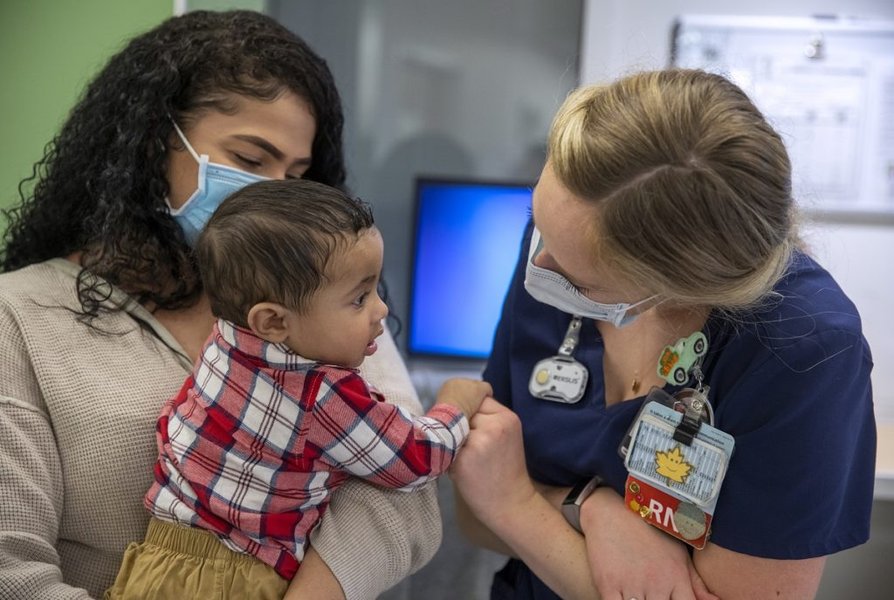
Image: A pediatric nurse providing care to a newborn family affected by COVID-19 restrictions, highlighting the importance of healthcare access.
Visual Analysis of SIDS Risk Factors
To illustrate the multifaceted nature of SIDS risks, the following radar chart compares key factors before and during the pandemic. This visualization helps highlight how various elements shifted, contributing to changes in SIDS rates. The chart is based on aggregated data from reliable sources, showing that while some factors like vaccination coverage decreased, others like respiratory infection rates increased, leading to an overall higher risk profile during the pandemic.
This radar chart demonstrates that SIDS incidence and respiratory infection rates were higher during the pandemic, while vaccination coverage and pediatric visits declined. The data points are scaled based on reported trends, showing a net increase in risk factors. This visual aid underscores that reduced healthcare access did not lead to lower SIDS but may have contributed to other vulnerabilities.
Comparative Data on SIDS Rates
To provide a clear overview, the table below summarizes SIDS rates per 100,000 live births before and during the pandemic, drawn from CDC and other reliable sources. This comparison highlights the upward trend, countering the user's claim.
| Year | SIDS Rate per 100,000 Live Births | Key Contextual Factors |
|---|---|---|
| 2018 | 35.2 | Pre-pandemic baseline with stable trends |
| 2019 | 33.3 | Continued decline before pandemic onset |
| 2020 | 38.4 | Intrapandemic period with increased rates, possibly due to diagnostic shifts and viral resurgences |
| 2021 | 39.8 | Peak pandemic year with 9-10% rise in SUID/SIDS, linked to RSV and other factors |
This table illustrates a clear increase in SIDS rates during the pandemic years, emphasizing that the claim of a decrease is not supported by evidence. The "Key Contextual Factors" column provides insight into potential influences, such as changes in healthcare delivery and infection patterns.
Relevance of Multimedia Elements
To further enhance understanding, the embedded YouTube video features a pediatrician directly addressing misconceptions about vaccines and SIDS. This video is highly relevant as it counters the implication in the user's query that reduced pediatric access (and potentially vaccinations) lowered SIDS risk. The pediatrician explains scientific evidence, providing a credible counterpoint to misinformation.
Video: A pediatrician debunks myths about vaccines causing SIDS, emphasizing that no evidence supports this link and that safe sleep practices are key to prevention. This resource is particularly timely given the query's focus on lockdown-related changes in healthcare access.
FAQ Section
Did SIDS rates really decrease during the COVID-19 lockdowns?
Is there a link between vaccines and SIDS?
How can parents reduce the risk of SIDS?
Why did SIDS rates increase during the pandemic?
Conclusion
In conclusion, the claim that SIDS rates dramatically decreased during lockdowns due to limited access to pediatricians is not supported by scientific evidence. Instead, data from credible sources indicate an increase in SIDS and SUID during the COVID-19 pandemic, likely influenced by a combination of factors including altered infection patterns, socioeconomic disparities, and challenges in maintaining consistent safe sleep practices. This evaluation underscores the importance of relying on verified data and expert guidance to address infant health concerns, rather than perpetuating misconceptions that could undermine public health efforts.
Recommended Further Reading
- What caused the rise in SIDS during the COVID-19 pandemic?
- How do vaccines affect infant mortality rates?
- Best practices for safe sleep to prevent SIDS
- Impact of pandemics on child health and mortality
References
Last updated May 21, 2025