
Understanding the `Signature.from_string` Method
Introduction
The `Signature.from_string` method is not a standard function found in widely-used programming languages or their standard libraries, such as Python's `inspect` module, Java, or C++. However, the concept of creating a signature object from a string representation is common in various libraries and frameworks, particularly those related to digital signatures and cryptographic operations. This comprehensive guide explores the possible contexts in which `Signature.from_string` may be used, its applications, and how similar functionality can be achieved across different programming environments.
Contextualizing `Signature.from_string`
Given that `Signature.from_string` is not a universal method, understanding its purpose and usage requires context regarding the specific programming language, library, or framework in which it is implemented. Below, we explore several scenarios and libraries where a method like `Signature.from_string` might exist or how similar functionality can be implemented.
1. Digital Signatures and Cryptography
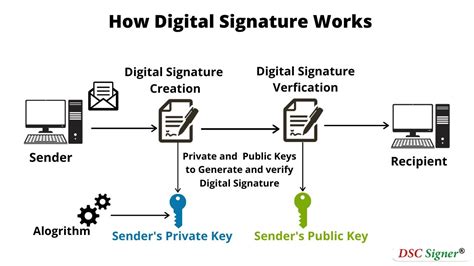
In the realm of digital signatures and cryptography, methods akin to `Signature.from_string` are vital for verifying and managing signatures. These methods typically parse a serialized string representation of a signature to reconstruct the signature object, enabling verification or other cryptographic operations.
a. Python's Cryptography Libraries
While Python’s standard library does not include a `Signature.from_string` method, popular cryptography libraries such as Cryptography provide similar functionalities.
For instance, the `cryptography` library allows for the creation and verification of digital signatures using various algorithms (e.g., RSA, ECDSA). To reconstruct a signature from a string, you typically decode the string from its serialized format (like PEM or DER) into a signature object.
from cryptography.hazmat.primitives import serialization, hashes
from cryptography.hazmat.primitives.asymmetric import padding

def signature_from_string(signature_str):
    return signature_str.encode('utf-8')  # Example decoding

# Usage
signature_str = "base64_encoded_signature_string"
signature = signature_from_string(signature_str)
In this example, while there's no direct `from_string` method, the process involves decoding the signature string into a byte format suitable for cryptographic operations.
b. Java's Cryptography API
Java provides a robust set of cryptographic functions through its java.security package. Although there isn't a direct method named `Signature.from_string`, similar functionality can be achieved by initializing a Signature object and updating it with the appropriate data.
import java.security.Signature;
import java.util.Base64;

public class SignatureExample {
    public static Signature signatureFromString(String signatureStr) throws Exception {
        byte[] signatureBytes = Base64.getDecoder().decode(signatureStr);
        Signature signature = Signature.getInstance("SHA256withRSA");
        signature.initVerify(publicKey); // publicKey needs to be defined
        signature.update(data); // data needs to be defined
        return signature;
    }
}
In this context, the process involves decoding a Base64-encoded signature string and initializing a Signature object for verification or signing purposes.
c. C++ Cryptographic Libraries
In C++, libraries such as OpenSSL provide functions to handle digital signatures. Although a method named `from_string` might not exist, similar functionality can be implemented by parsing a string into the appropriate byte format.
#include
#include

EVP_PKEY* signatureFromString(const std::string& signatureStr) {
    // Convert string to binary format as needed
    // Initialize EVP_PKEY structure
    EVP_PKEY* pkey = EVP_PKEY_new();
    // Further processing to populate pkey
    return pkey;
}

// Usage
std::string signatureStr = "base64_encoded_signature";
EVP_PKEY* signature = signatureFromString(signatureStr);
This example demonstrates the process of converting a signature string into a format usable by OpenSSL's EVP structures for cryptographic operations.
2. Function Signatures in Programming Languages
In programming, especially in languages like Python, the concept of function signatures is essential for introspection and dynamic function handling. While the `inspect` module in Python provides mechanisms to work with function signatures, it does not include a method named `Signature.from_string`. However, similar functionality can be achieved through other means.
a. Python's `inspect` Module
The `inspect` module in Python allows developers to retrieve the signature of callable objects using the inspect.signature function. This function returns a Signature object containing information about the parameters of the callable.
import inspect

def my_function(a, b, c):
    return a + b + c

# Retrieve the signature of the function
sig = inspect.signature(my_function)
print(sig)  # Output: (a, b, c)
To recreate a signature from a string representation, one would need to parse the string and manually construct the Signature object. Here's an example of how this can be done:
import inspect

def parse_function_signature(func_str):
    # Example input: "def my_function(a: int, b: str, c: float)"
    func_str = func_str.replace("def ", "").replace("(", "").replace(")", "")
    name, params = func_str.split("(")
    params = params.split(", ")

    parameters = []
    for param in params:
        if ": " in param:
            name, annotation = param.split(": ")
            param_obj = inspect.Parameter(name, inspect.Parameter.POSITIONAL_OR_KEYWORD, annotation=eval(annotation))
        else:
            name = param
            param_obj = inspect.Parameter(name, inspect.Parameter.POSITIONAL_OR_KEYWORD)
        parameters.append(param_obj)

    sig = inspect.Signature(parameters)
    return sig

# Usage
func_str = "def my_function(a: int, b: str, c: float)"
sig = parse_function_signature(func_str)
print(sig)  # Output: (a: , b: , c: )
This method involves parsing the function definition string, extracting parameter names and their annotations, and constructing a Signature object. It's a manual process that mirrors what a hypothetical Signature.from_string method would accomplish.
3. Custom Implementations and Framework-Specific Methods
Given the absence of a standardized Signature.from_string method across mainstream programming languages, it's plausible that such a method exists within specific frameworks or custom implementations tailored to particular use cases.
a. Custom Parsing and Serialization
Developers may design their own Signature.from_string methods to handle specialized serialization and deserialization of signature objects, especially in applications that require persistent storage or transmission of signature data.
class Signature:
    def __init__(self, data):
        self.data = data

    @classmethod
    def from_string(cls, signature_str):
        # Custom parsing logic
        parsed_data = cls.parse(signature_str)
        return cls(parsed_data)

    @staticmethod
    def parse(signature_str):
        # Example parsing logic
        return signature_str.encode('utf-8')

# Usage
signature_str = "example_signature_string"
signature = Signature.from_string(signature_str)
In this example, the Signature class includes a from_string class method that parses a string to create a new Signature instance. This pattern is common in object-oriented programming for creating objects from serialized data.
b. Framework-Specific Implementations
Some frameworks or libraries might offer a Signature.from_string method tailored to their specific needs, such as handling API request signatures, blockchain transaction signatures, or other domain-specific signature verification mechanisms.
// Example in a JavaScript blockchain library

class Signature {
    constructor(signature) {
        this.signature = signature;
    }

    static from_string(signature_str) {
        // Custom parsing logic for blockchain signatures
        return new Signature(Buffer.from(signature_str, 'hex'));
    }

    verify(message, publicKey) {
        // Verification logic
    }
}

// Usage
const signatureStr = "a1b2c3d4...";
const signature = Signature.from_string(signatureStr);
This JavaScript example demonstrates how a blockchain-related library might implement a from_string method to handle hexadecimal signature strings, converting them into a usable Signature object for verification.
Implementing `Signature.from_string` in Various Languages
While the method does not exist universally, developers often need to implement similar functionality in different programming languages. Below are examples of how to achieve this in Python, Java, and C++.
1. Python Implementation
As demonstrated earlier, Python does not offer a built-in Signature.from_string method. However, developers can create their own implementation to parse and construct signature objects.
import inspect

class Signature:
    def __init__(self, parameters):
        self.parameters = parameters

    @classmethod
    def from_string(cls, signature_str):
        # Parsing logic as previously defined
        sig = parse_function_signature(signature_str)
        return cls(sig.parameters)

def parse_function_signature(func_str):
    func_str = func_str.replace("def ", "").replace("(", "").replace(")", "")
    name, params = func_str.split("(")
    params = params.split(", ")

    parameters = []
    for param in params:
        if ": " in param:
            name, annotation = param.split(": ")
            param_obj = inspect.Parameter(name, inspect.Parameter.POSITIONAL_OR_KEYWORD, annotation=eval(annotation))
        else:
            name = param
            param_obj = inspect.Parameter(name, inspect.Parameter.POSITIONAL_OR_KEYWORD)
        parameters.append(param_obj)

    sig = inspect.Signature(parameters)
    return sig

# Usage
signature_str = "def example_function(x: int, y: str)"
signature = Signature.from_string(signature_str)
print(signature.parameters)  # Output: OrderedDict([('x', ), ('y', )])
This Python class defines a Signature with a from_string class method that parses a function signature string and constructs a Signature object containing the parameters.
2. Java Implementation
In Java, implementing a method to create a signature object from a string involves parsing the string and initializing a Signature instance accordingly.
import java.security.Signature;
import java.security.spec.PKCS8EncodedKeySpec;
import java.util.Base64;

public class SignatureUtil {
    public static Signature signatureFromString(String signatureStr) throws Exception {
        byte[] signatureBytes = Base64.getDecoder().decode(signatureStr);
        Signature signature = Signature.getInstance("SHA256withRSA");
        // Initialize with public key for verification or private key for signing
        // Example with public key:
        // signature.initVerify(publicKey);
        // For this example, assume publicKey is already defined
        return signature;
    }

    public static void main(String[] args) throws Exception {
        String signatureStr = "base64EncodedSignatureString";
        Signature signature = signatureFromString(signatureStr);
        // Further usage...
    }
}
This Java class provides a method to decode a Base64-encoded signature string and initialize a Signature object using a specified algorithm. Further steps would involve initializing the signature with the appropriate key and feeding it the data to verify or sign.
3. C++ Implementation
In C++, utilizing OpenSSL to create a signature object from a string requires decoding the string and initializing the necessary OpenSSL structures.
#include
#include
#include
#include

EVP_PKEY* signatureFromString(const std::string& signatureStr) {
    // Decode the signature string (assuming Base64 encoding)
    std::vector decodedSignature = base64Decode(signatureStr);

    // Initialize EVP_PKEY structure
    EVP_PKEY* pkey = EVP_PKEY_new();
    // Further processing to assign decodedSignature to pkey as needed

    return pkey;
}

// Helper function to decode Base64
std::vector base64Decode(const std::string& encoded) {
    BIO *bio, *b64;
    int decodeLen = calcDecodeLength(encoded.c_str(), encoded.length());
    std::vector buffer(decodeLen);

    bio = BIO_new_mem_buf(encoded.c_str(), -1);
    b64 = BIO_new(BIO_f_base64());
    bio = BIO_push(b64, bio);

    int length = BIO_read(bio, buffer.data(), encoded.length());
    buffer.resize(length);

    BIO_free_all(bio);
    return buffer;
}

// Example usage
int main() {
    std::string signatureStr = "base64EncodedSignatureString";
    EVP_PKEY* signature = signatureFromString(signatureStr);
    // Further usage...
    EVP_PKEY_free(signature);
    return 0;
}
This C++ example outlines how to decode a Base64-encoded signature string and prepare it for use with OpenSSL's EVP structures. The actual assignment of the decoded signature to the EVP_PKEY object would depend on the specific use case and the type of key involved.
Best Practices for Handling Signatures from Strings
When working with signatures represented as strings, it is crucial to ensure that the conversion process is secure and accurate. Below are best practices applicable across different programming environments:
1. Understand the Encoding Format
Signatures are often encoded in formats like Base64, hexadecimal, PEM, or DER. Understanding the encoding format is essential for correctly decoding the string back into its binary form.
2. Validate Input Strings
Before attempting to parse or decode a signature string, validate its format and integrity. This helps prevent errors and potential security vulnerabilities arising from malformed inputs.
3. Handle Exceptions and Errors
Implement robust error handling to manage scenarios where the signature string is invalid, improperly formatted, or when the decoding process fails. This ensures that your application can gracefully handle unexpected inputs.
4. Secure Key Management
When dealing with digital signatures, key management is paramount. Ensure that private keys are stored securely and that public keys are distributed and verified correctly to maintain the integrity of the signature verification process.
5. Use Established Libraries
Leverage well-maintained and widely-used cryptographic libraries to handle signature creation, parsing, and verification. These libraries are typically vetted for security and performance, reducing the likelihood of introducing vulnerabilities.
Common Use Cases for Signature Parsing
Parsing signatures from strings is a common requirement in various applications. Understanding these use cases can help in determining the appropriate approach and tools for implementation.
1. API Request Verification
APIs often use signatures to verify the authenticity of requests. Parsing the signature string is necessary to validate that the request originates from a trusted source and has not been tampered with.
2. Blockchain and Cryptocurrency Transactions
In blockchain technologies, transactions are signed to ensure their validity. Parsing and verifying these signatures are critical for maintaining the integrity and security of the blockchain.
3. Document Signing and Verification
Digital signatures are used to sign documents electronically. Parsing the signature string allows for the verification of the signer's identity and the document's integrity.
4. Secure Messaging
In secure messaging systems, signatures ensure that messages are from legitimate senders and have not been altered in transit. Parsing signatures is essential for verifying message authenticity.
5. Software License Validation
Software licenses often use digital signatures to prevent unauthorized usage. Parsing and verifying these signatures help in enforcing licensing agreements and preventing piracy.
Conclusion
The `Signature.from_string` method is not a standardized function across mainstream programming languages or their standard libraries. Instead, it is likely part of specific frameworks or custom implementations tailored to particular use cases, especially in the domains of digital signatures and cryptography. Understanding the context in which this method is used is crucial for implementing similar functionality effectively.
When dealing with signature parsing and verification, leveraging established libraries, adhering to best practices, and ensuring robust error handling are essential for maintaining security and integrity. Whether you're working in Python, Java, C++, or any other language, the principles of accurately parsing, validating, and managing signature data remain consistent.
Further Resources
Last updated January 2, 2025