
The Mastermind Behind the Chaos: Unveiling Silco's Complex Character
How Arcane's most compelling antagonist blurs the line between villain and anti-hero through calculated ambition and unexpected tenderness
Essential Insights into Silco's Character
- Revolutionary with Purpose: At his core, Silco is driven by a vision of Zaun's independence from Piltover's oppression, willing to employ ruthless methods to achieve liberation.
- Father Figure Paradox: His relationship with Jinx reveals unexpected depth, evolving from manipulation to genuine paternal love that ultimately outweighs his political ambitions.
- Calculated Tactician: As an INTJ personality type, Silco relies on advanced planning and strategic thinking, always maintaining composure while being adaptable enough to pivot when circumstances change.
Origins and Motivations: The Making of a Revolutionary
Silco emerges as a Zaunite revolutionary whose character is fundamentally shaped by the socioeconomic divide between Piltover and the Undercity. His backstory reveals a man who once shared a vision with Vander to liberate their people from Piltover's exploitation. Following Vander's betrayal—when he attempted to drown Silco—this shared dream transformed into a personal vendetta fueled by resentment and a hardened resolve.
What makes Silco particularly compelling is how his motivations transcend simple revenge. His desire to establish an independent nation of Zaun represents a political ideology rooted in liberation from oppression. This core motivation drives every decision he makes, from his criminal enterprises to his tactical manipulation of people and circumstances.
The Psychological Foundation of Silco's Character
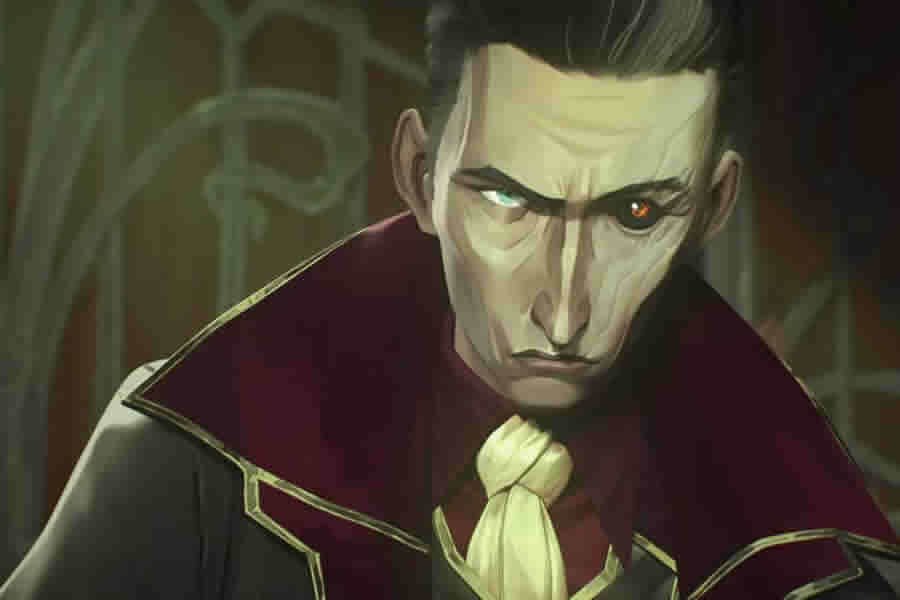
Silco's psychology is marked by trauma and abandonment. The physical manifestation of this trauma—his scarred face and damaged eye—serves as a constant reminder of betrayal. This psychological wound informs his worldview that only the strong survive and that betrayal is inevitable unless you maintain power and control.
According to personality analyses, Silco exhibits traits consistent with an INTJ personality type—strategic, forward-thinking, and reliant on advance planning while maintaining the flexibility to adapt. His intelligence manifests not just in his schemes but in his understanding of human nature and how to leverage others' weaknesses.
The Evolution from Revenge to Revolution
What begins as a personal vendetta against Vander evolves into something more profound throughout the series. Silco transitions from a man consumed by revenge to a visionary leader with a cause larger than himself. This evolution is particularly evident in his negotiations with Piltover, where he demonstrates political acumen beyond mere criminality.
Character Traits: The Complexity Behind the Villain
Silco defies simple categorization, embodying traits that both repel and attract viewers. His ruthlessness is balanced by his conviction, his manipulation tempered by genuine loyalty to those he considers family. This nuanced portrayal creates a character who exists in moral gray areas rather than simplistic good-versus-evil paradigms.
Silco's Defining Characteristics
This radar chart illustrates the evolution of Silco's character traits throughout the series. Note the significant increase in paternal instinct and loyalty in the second half, while his ruthlessness slightly decreases as his character develops more nuance and depth.
Charisma and Leadership Style
Silco's leadership style combines intimidation with inspiration. Unlike purely tyrannical leaders, he inspires genuine loyalty among his followers, who see him as the champion of the Undercity's independence. His charisma allows him to maintain control not just through fear but through the promise of a better future—a nation of Zaun free from Piltover's domination.
The Duality of His Nature
Perhaps the most fascinating aspect of Silco's character is his duality. He embodies what critics have called the "beautiful monster" trope—a character whose monstrous actions exist alongside genuine humanity. This contradiction is most evident in his relationship with Jinx, where his calculating nature gives way to sincere affection.
Key Relationships: Bonds That Define and Transform
Silco's character is further illuminated through his relationships with other characters. These connections reveal different facets of his personality and drive significant portions of his character development.
The Father-Daughter Dynamic with Jinx
The relationship between Silco and Jinx (formerly Powder) represents one of the most complex dynamics in the series. What begins as manipulation—Silco seeing utility in Powder's destructive capabilities—evolves into a genuine father-daughter bond that ultimately becomes Silco's redemptive quality.
Their relationship is characterized by mutual understanding of being "broken" by those they once trusted. Silco's mantra to Jinx—"Don't cry. You're perfect"—reveals his acceptance of her chaotic nature in a world that rejects them both. This relationship culminates in his decision to sacrifice his lifelong dream of Zaun's independence rather than surrender Jinx to Piltover.
The Vander Connection: From Brotherhood to Betrayal
Silco's past relationship with Vander casts a long shadow over his character. Once united in revolution, their violent split shaped Silco's worldview fundamentally. His physical scars mirror his emotional ones, and his determination to succeed where Vander "failed" drives much of his initial motivation.
This broken brotherhood presents an interesting parallel to the relationship between Vi and Jinx, suggesting a cyclical nature to the conflicts in Arcane's narrative.
Mapping Silco's Relationships and Motivations
This mindmap illustrates the complex web of Silco's motivations and relationships, demonstrating how his character exists at the intersection of personal ambition, revolutionary ideals, and unexpected emotional connections.
Character Development: The Evolution of an Antagonist
Silco's character arc throughout Arcane demonstrates masterful storytelling in how a seemingly straightforward villain evolves into one of the show's most nuanced characters. His development follows a path that subverts traditional expectations for antagonists.
From One-Dimensional to Multi-Faceted
When first introduced, Silco appears to embody the classic crime lord archetype—ruthless, power-hungry, and willing to sacrifice others for his goals. As the series progresses, layers of complexity emerge, revealing a character driven by ideological conviction and capable of genuine love.
This transformation is particularly evident in the evolution of his relationship with Jinx, which begins as exploitation but develops into the central emotional anchor of his character. His final choice—prioritizing Jinx over his lifelong goal of independence—represents the culmination of this character development.
Key Moments in Silco's Development
| Episode/Scene | Development Moment | Character Revelation | Impact on Narrative |
|---|---|---|---|
| Introduction (Episode 3) | Recruiting Powder/Jinx after she's abandoned | Reveals opportunism but also understanding of being "abandoned" | Establishes the parallel between Silco/Vander and Jinx/Vi |
| Shimmer Production | Building criminal empire around Shimmer | Shows strategic thinking and pragmatism | Demonstrates how he leverages resources for his vision |
| "You're Perfect" Scene | Comforting Jinx after her breakdown | Unexpected tenderness and acceptance | First major hint at genuine paternal feelings |
| Confrontation with Finn | Dealing with internal power challenge | Ruthlessness combined with loyalty to those who remain loyal | Establishes his leadership philosophy |
| Negotiations with Jayce | Political maneuvering for Zaun's independence | Reveals depth of political conviction beyond criminality | Elevates character from crime lord to revolutionary leader |
| Final Decision (Episode 9) | Choosing Jinx over Zaun's independence | Prioritization of love over ambition | Completes character arc from manipulator to father figure |
The Final Choice: Sacrifice and Legacy
Silco's final moments—refusing to sacrifice Jinx even for his lifelong dream of independence—represent the culmination of his character arc. This choice subverts viewer expectations and reconfigures our understanding of his character. His dying words to Jinx, "I never would have given you to them. Not for anything. Don't cry. You're perfect," cement his evolution from manipulative crime lord to a father figure willing to sacrifice everything for his adopted daughter.
Silco Through the Lens of Visual Media
Character Design and Visual Storytelling
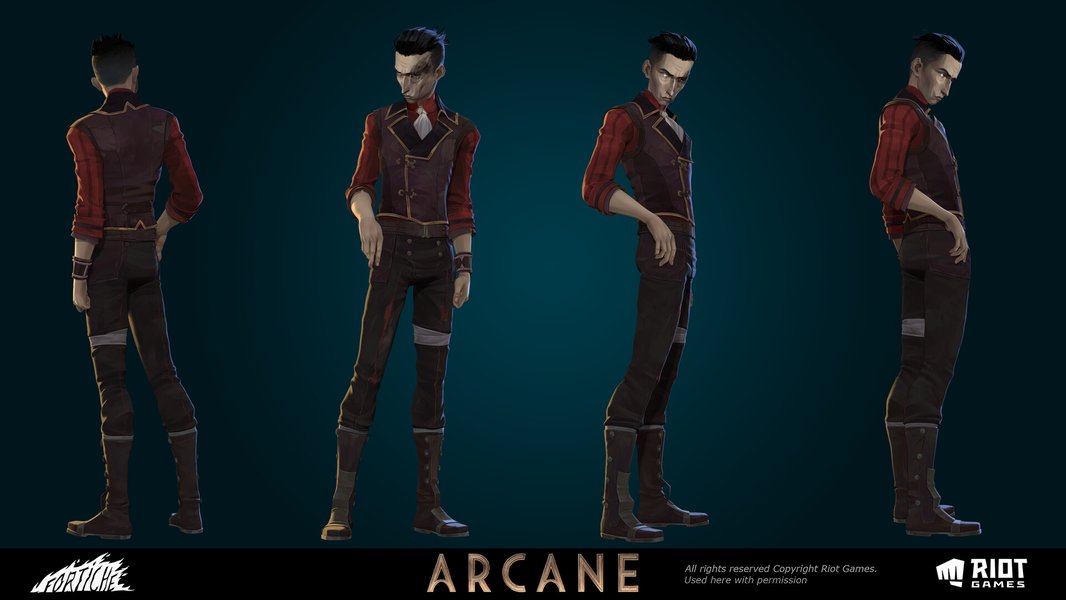
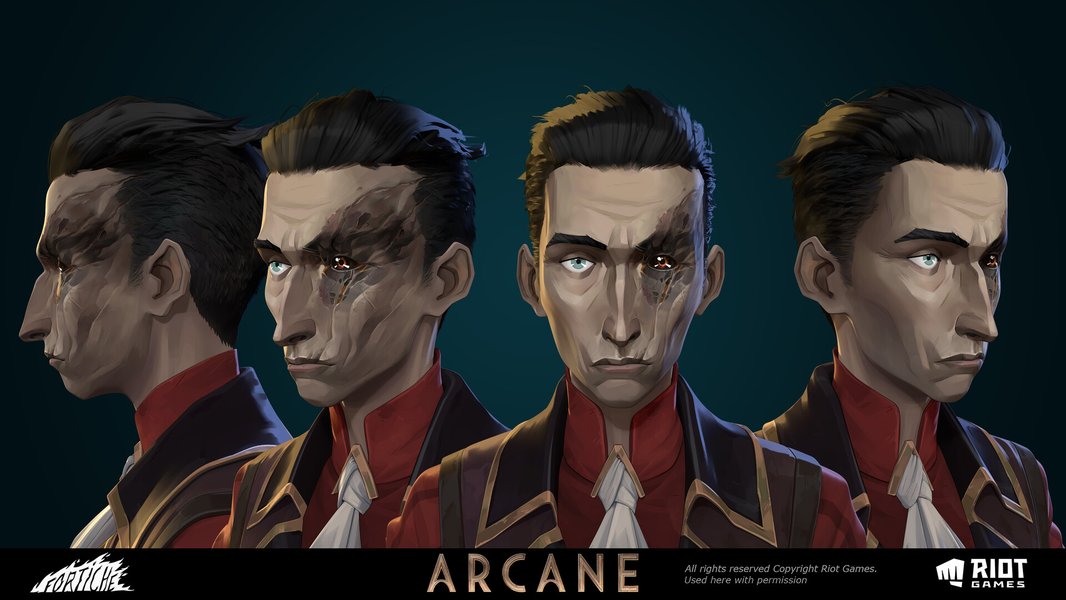
Silco's visual design reinforces key aspects of his character. His scarred face and damaged eye serve as physical manifestations of his past trauma and betrayal by Vander. The asymmetry in his appearance—one eye natural, one damaged—visually represents his duality as both a ruthless crime lord and a paternal figure to Jinx.
His attire—formal, elegant, but distinctly Zaunite—reflects his position as a self-made leader who has risen from the undercity but maintains his connection to it. The visual contrast between Silco's refined appearance and the chaotic, industrial backdrop of Zaun further emphasizes his role as a figure straddling multiple worlds.
Video Analysis: Silco as a Perfect Villain
This video essay examines how Arcane crafted Silco as a near-perfect antagonist. It explores his motivations, relationships, and the narrative techniques that make him such a compelling character. The analysis highlights how Silco transcends typical villain tropes through his genuine love for Jinx and his revolutionary vision for Zaun, creating a character whose actions, while often reprehensible, stem from understandable motivations.
Thematic Significance: What Silco Represents
Beyond his role in the plot, Silco embodies several key themes that run throughout Arcane, making him integral to the show's thematic exploration.
Power and Revolution
Silco represents the complex nature of revolution and the moral compromises often made in pursuit of liberation. His methods—drug trade, violence, manipulation—raise questions about whether the ends justify the means in fighting oppression. This thematic exploration adds depth to what could otherwise be a simplistic struggle between good and evil.
Family and Belonging
Through his relationship with Jinx, Silco explores themes of found family and belonging. Both characters have been rejected and "broken" by those they once trusted, creating a bond born from shared trauma. This relationship illuminates how connection and understanding can emerge in unexpected places, even amidst violence and conflict.
The Cycle of Violence
Silco's backstory with Vander—from allies to enemies—parallels the fracturing relationship between Vi and Jinx, suggesting a cyclical nature to conflict and betrayal. This parallel structure invites viewers to consider how trauma perpetuates itself across generations and relationships.
Moral Ambiguity
Perhaps most significantly, Silco's character embodies the show's central theme of moral ambiguity. He defies simple categorization as a villain, just as the heroes of the show often engage in morally questionable actions. This nuanced approach to character morality elevates Arcane above typical fantasy narratives and invites viewers to consider the complex motivations behind seemingly villainous actions.
Frequently Asked Questions
References
- Myers-Briggs Types in Arcane: Silco (INTJ) - Practical Typing
- Silco from Arcane: Detailed Character Analysis - MOBA Champion
- Silco (Arcane): An Abandoned Brother – Jonah's Books & Rants
- The Complexity of Villains In Film: An Analysis of Silco in Arcane - Medium
- Silco in Arcane: A Deep Dive into His Character - Meeko.ai
- Silco - Arcane Wiki | Fandom
- Arcane: Why Silco Is The Perfect Villain - GameRant
Recommended Explorations
Last updated April 5, 2025