
Formulation for Silicone Paint
A comprehensive guide to creating robust, heat-resistant, and weatherproof silicone paint formulations
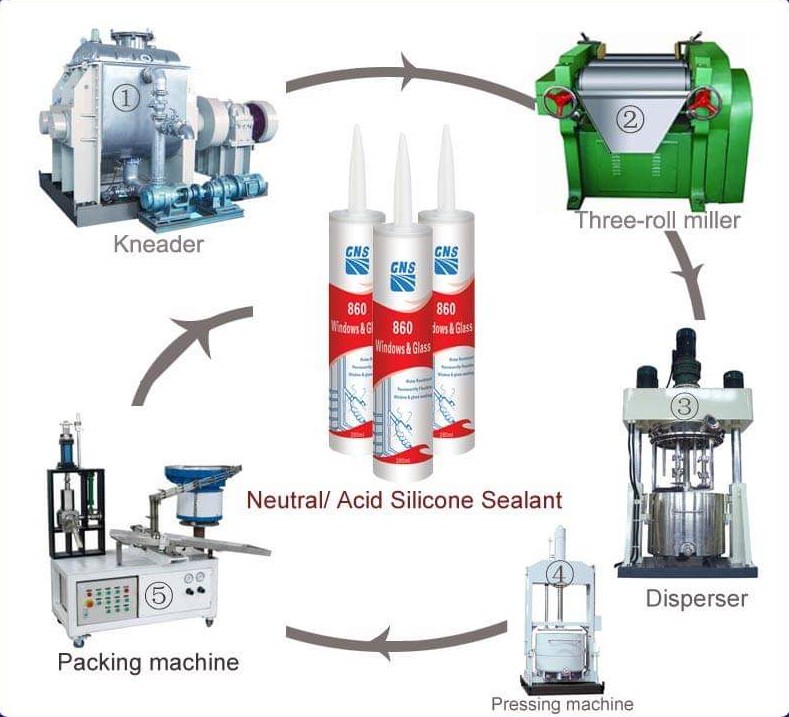
Key Highlights
- Silicone Resin as the Core Component: Utilize silicone resin in various proportions (15% to 100% of resin binder) based on performance demands.
- Balanced Formulation Components: Formulate with additives, pigments, solvents, and fillers to ensure durability, adhesion, and optimal viscosity.
- Stepwise Manufacturing Process: Follow a structured mixing and testing process to achieve uniform dispersion and desired performance characteristics.
Introduction to Silicone Paint Formulation
Silicone paints are engineered to deliver superior performance, particularly in applications that demand high resistance to heat, weathering, and moisture. They are commonly used in industrial and commercial sectors where environmental conditions challenge the durability of standard paint systems. The primary component in these formulations is silicone resin, known for its exceptional thermal stability and water-repellent properties. This guide offers an in-depth view of how to create a silicone paint formulation that is robust, flexible, and highly effective across varied applications.
Essential Components of the Formulation
The success of a silicone paint formulation depends on a precise blend of its various components. Each component contributes distinct characteristics – from enhancing adhesion to ensuring flexibility and longevity. Below, we explore each category of ingredients and its function in the overall formulation.
Silicone Resin
The silicone resin forms the backbone of the formulation. Its percentage in the binder system can vary widely depending on the desired performance criteria. For heat-resistant applications, formulations might use up to 100% silicone resin. However, adjusting the ratio (15% to 100%) allows formulators to fine-tune properties like flexibility and film forming ability. The resin provides:
- Excellent thermal resistance, capable of withstanding temperatures from around 121°C to 204°C (250°F to 400°F).
- Superior weatherability, resisting degradation from UV exposure and moisture.
- Good adhesion to diverse surfaces, including previously painted or silicone-treated substrates.
Pigments
Pigments are added not only for aesthetics but also for practical benefits such as improved opacity and UV stabilization. Common pigments include titanium dioxide for whiteness and opacity, as well as iron oxides and other inorganic pigments to achieve various colors. The pigment content in formulations typically ranges from 10% to 30%, carefully balanced to ensure color consistency without compromising the paint’s physical properties.
Additives and Binders
To enhance adhesion and durability, additional binders like silicone resin powder can be incorporated. Other additives include:
- Epoxy, polyester, alkyd, or acrylic resins: When a silicone-modified organic resin is required for specific properties.
- Dispersing Agents: Agents such as polyvinyl alcohol or polyoxyethylene ethers help stabilize pigment dispersion and enhance the uniformity of the paint film.
- Flexibilizers: Silicone caulking or oil-based modifiers (typically in a 3:1 ratio with standard oil-based paint) considerably increase the flexibility, especially when painting silicone surfaces.
Solvents and Thinners
Solvents are used to manage the paint’s viscosity and ensure that it is easy to apply. They also help in controlling drying time and film formation. Examples include water (for waterborne systems), hydrocarbons such as toluene, and alcohols like ethanol. Thinners can also be used with oil-based systems to achieve the exact consistency required for application methods such as brushing, rolling, or airbrushing. The proportion of solvents in formulations typically ranges between 20% to 60%.
Fillers and Thickeners
Fillers, like calcite or talc, are added to increase the paint volume and reduce overall cost without significantly affecting the performance characteristics. They generally comprise 5% to 15% of the formulation. Thickeners such as hydroxyethyl cellulose (HEC) or polyurethane thickener are important in controlling viscosity, ensuring that the paint does not sag or spread too thinly when applied. Their concentration usually lies in the range of 0.5% to 2%.
Specialty Additives
Specialty additives such as antifoam agents, preservatives, and light stabilizers are integral in optimizing paint performance. They enhance stability during storage and application, prevent the formation of foam during mixing, and help maintain color fidelity when exposed to sunlight. Their use is typically minimal but has a critical role in the final performance of the paint.
Detailed Formulation Example
Below is an example of a formulation tailored for silicone paint intended for heat-resistant and weatherproof applications:
| Component | Function | Typical Percentage by Weight |
|---|---|---|
| Silicone Resin (Emulsion or Powder) | Primary binder providing heat resistance and water repellency | 15-100% |
| Pigments (e.g., Titanium Dioxide, Iron Oxide) | Contributes to color, opacity, and UV stabilization | 10-30% |
| Silicone Caulking (for flexibility when combined with oil-based paint) | Improves flexibility and adhesion on silicone surfaces | Varies; approx. 25% of the binder in specific applications |
| Solvents (e.g., Water, Toluene, Ethanol) | Adjusts viscosity for ease of application and drying properties | 20-60% |
| Dispersing Agents (e.g., Polyvinyl Alcohol) | Enhances pigment dispersion and prevents flocculation | 0.1-5% |
| Thickeners (e.g., Polyurethane thickener, HEC) | Controls viscosity and ensures uniform film thickness | 0.5-2% |
| Fillers (e.g., Calcite, Talc) | Increases volume and reduces cost without compromising performance | 5-15% |
| Specialty Additives (Antifoam, Preservatives, Light Stabilizers) | Improves stability, enhances durability, and prevents issues during storage | 0.1-2% |
This formulation provides a balanced system with optimum thermal resistance, adhesion, and durability suitable for various demanding applications.
Manufacturing and Application Process
The manufacturing process for silicone paint involves a series of controlled steps to ensure uniformity, adhesion, and durability of the final product. The process can be broken down into the following steps:
Step 1: Surface Preparation
Prior to application, the surface must be thoroughly cleaned to remove any contaminants such as grease, dust, or release agents. For silicone surfaces:
- Clean with solvents like isopropanol or acetone.
- Roughen the surface with denatured alcohol to ensure better adhesion.
Step 2: Initial Mixing of Resin Components
Begin by mixing the silicone resin and any silicone-modified resin systems in a high-speed mixing tank to ensure complete dispersion. If additional binders (like silicone resin powder or other organic resins) are used, they should be added at this stage. Achieve a homogenous blend by careful mechanical stirring.
Step 3: Incorporation of Pigments and Dispersing Agents
Gradually introduce the selected pigments into the resin mixture along with the dispersing agents. This is a critical phase as uniform dispersion of pigment particles directly influences the consistency and appearance of the final coating. Mechanical high-speed mixers are recommended to minimize agglomeration.
Step 4: Adjustment with Solvents and Thickeners
Add solvents gradually to adjust the viscosity of the formulation to the desired level for the intended application method. Thickeners are then incorporated to provide a stable consistency, ensuring that the final paint does not run or sag during application. Adjustments might be necessary based on the environmental conditions and the equipment used.
Step 5: Integration of Specialty Additives and Fillers
In the final mixing stage, specialty additives such as antifoam agents, light stabilizers, and fillers are added. Fillers not only bolster the mechanical properties of the coating but also help in reducing the overall cost. Specialty additives ensure that the formulation resists issues like foam formation and degradation over time.
Step 6: Quality Testing
Post-mixing, the formulated paint should undergo a series of quality tests to evaluate:
- Viscosity: Ensure the paint flows appropriately for the chosen application method.
- Adhesion: Validate that the film adheres well to the substrate, especially on silicone-treated surfaces.
- Thermal Performance: Test the heat resistance by subjecting the film to elevated temperatures.
- Drying Time: Monitor curing characteristics to confirm optimal performance.
Special Considerations for Diverse Applications
The formulation of silicone paint can be adapted based on the specific requirements of diverse applications:
High-Temperature Coatings
For high-temperature environments (up to 204°C or 400°F), a formulation focusing on a high concentration (up to 100%) of silicone resin is ideal. The absence of organic components minimizes the risk of thermal degradation. Ensure that additives and pigments used are also rated for elevated temperatures.
Flexible Coatings for Silicone Surfaces
When painting over silicone surfaces, an additional consideration is the inherent low adhesion that silicone embodies. A popular method involves blending conventional oil-based paint with silicone caulking, typically in a 3:1 ratio. This balance allows for increased flexibility and better adhesion without compromising the waterproof qualities essential to silicone-based systems.
Environmental and Weather Resistance
For applications that face extreme weather conditions, the formulation must include additives such as UV stabilizers and light stabilizers. Incorporating silicone-modified organic resins can further enhance the durability of the paint in aggressive outdoor environments. Solvents and fillers are carefully selected to optimize both drying times and long-term performance.
Low VOC Formulations
Environmentally friendly, low VOC silicone paints require careful selection of solvents and additives to reduce volatile organic compounds. Waterborne systems, while challenging due to potential compatibility issues with silicone resins, have been successfully engineered with the appropriate choice of emulsifiers and polymer modifiers.
Optimization and Testing for Final Product
Optimization of the silicone paint formulation is achieved through systematic testing. Early in the experimental phase, small-scale batches are produced and tested under controlled conditions. Key parameters include:
- Adhesion Tests: Cross-hatch or pull-off tests to check the bonding strength of the coating.
- Thermal Resistance: Exposure to elevated temperatures to evaluate the integrity of the paint film over time.
- Flexibility: Mechanical testing, such as bending or stretching, to confirm the paint's elasticity.
- Weathering Resistance: Accelerated weather exposure testing to simulate long-term outdoor conditions.
Based on the outcomes of these tests, further adjustments can be made to the proportions of resin, solvents, additives, and thickeners. It is essential to record all results meticulously as part of a robust quality assurance process.
Additional Tips for Successful Silicone Paint Formulation
To ensure the best performance and longevity of your silicone paint:
- Maintain Cleanliness: Use clean mixing equipment and work in an environment free of dust and contaminants.
- Precision in Measurement: Accurate measurements of each component are critical to reproducibility and quality control.
- Adaptability: Be prepared to modify the formulation parameters based on specific application needs, climatic conditions, and substrate type.
- Documentation: Detailed documentation of the formulation process and testing results is essential for quality assurance and for troubleshooting issues in future batches.
Conclusion
This comprehensive guide has provided an in-depth look at the formulation of silicone paint, balancing components to achieve remarkable heat resistance, durability, and flexibility. The key to success lies in the careful selection of a silicone resin base, the appropriate balance of additives, pigments, thickeners, and solvents, and a diligent step-by-step process from surface preparation to final quality testing. Whether you are developing a high-temperature coating system or a flexible formulation for silicone surfaces, the principles discussed here serve as a foundational approach that can be tailored to meet specific performance criteria and environmental conditions.
Experimentation combined with systematic quality tests is essential to ensure that the final product meets all technical and performance specifications. With this formulation strategy, manufacturers can innovate cleaner, more durable, and highly effective silicone paint systems suitable for a wide range of industrial and commercial applications.
References
- Painting Silicone - Mouldlife
- How to Paint Silicone - wikiHow
- Silicone Resins and Intermediates Selection Guide - Dow
- High Performance Heat-Resistant Coatings - Romakk Silicones
Recommended Related Queries
Last updated February 21, 2025