
Comprehensive Analysis of the Silk Road Tours Market
Strategic Insights and Projections for the Next Two Decades
Key Takeaways
- Steady Growth Driven by Cultural and Historical Appeal: The Silk Road continues to attract a diverse range of travelers due to its rich cultural heritage and historical significance.
- Infrastructure and Technology Enhancements: Significant investments in transportation, digital platforms, and sustainable practices are pivotal for future market expansion.
- Diverse Market Segments and Sustainable Practices: Catering to various traveler preferences through specialized tours and a strong emphasis on sustainability will be crucial for long-term success.
Market Overview
Historical Significance and Cultural Diversity
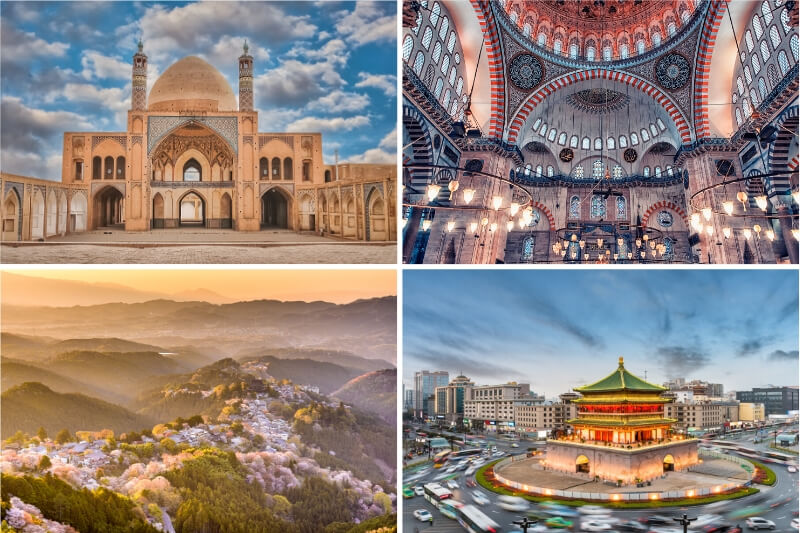
The Silk Road, an ancient network of trade routes connecting China with the Mediterranean, remains a significant attraction for global travelers. Spanning 34 countries across Asia, Europe, the Middle East, and parts of the Pacific, the Silk Road offers a diverse array of cultural, historical, and adventurous experiences. Its enduring appeal lies in the unique blend of historical significance and the opportunity to explore lesser-known regions rich in heritage.
Current Market Dynamics
As of 2025, the Silk Road tours market is characterized by a variety of tour offerings that cater to different interests and budgets. Tour durations range from short 8-day excursions focusing on specific Chinese regions like Qinghai and Gansu to extensive 29-day tours covering multiple Central Asian and Caucasus countries. The market includes group tours, small group tours, and private tours, each providing unique experiences such as guided visits to UNESCO World Heritage Sites, local culinary experiences, and cultural immersion activities.
Diverse Tour Offerings
Tour operators offer a wide spectrum of packages to meet the varying demands of travelers. These range from budget-friendly options to luxurious packages that include personalized itineraries, exclusive site access, and premium accommodations. The emphasis is on providing authentic experiences that allow tourists to engage deeply with local communities and cultures.
Geographical Coverage
The primary focus areas of Silk Road tours include:
- China Ancient Silk Road: Key locations in Gansu and Xinjiang.
- Central Asia Silk Road: Connecting Kazakhstan, Uzbekistan, Kyrgyzstan, Turkmenistan, and Tajikistan.
- Maritime Silk Road: Exploring coastal cities such as Quanzhou.
Market Players
Prominent tour operators in the Silk Road market include Asia Odyssey Travel, China Silk Road Tours, Advantour, Steppe Journeys, and Silk Road Tours. These companies specialize in organizing tours that highlight the historical and cultural aspects of the Silk Road, offering both group and private travel experiences.
Current Trends and Influences
Key trends influencing the Silk Road tours market include:
- Increased interest in off-the-beaten-path destinations.
- Revival of the Silk Road tourism concept supported by initiatives like the UN Tourism projects.
- Economic potential recognized in regions like Central Asia, with anticipated growth as global tourism rebounds.
- Emphasis on sustainable travel practices and community-based tourism.
- Integration of AI and other technologies to enhance personalized tour experiences.
Key Drivers of Growth (2025–2045)
Rising Global Interest in Heritage and Cultural Tourism
The global trend towards immersive cultural experiences is a significant driver for the Silk Road tours market. Travelers are increasingly seeking authentic narratives that connect them with the past, leading to a surge in demand for heritage tourism. Educational tourism is also on the rise, with universities and cultural institutions partnering with tour operators to offer study tours and research expeditions along the Silk Road.
Enhanced Accessibility and Infrastructure Development
Continued investments in transportation infrastructure are essential for the growth of Silk Road tours. Improvements in roads, rail networks, and airports across Silk Road corridors will enhance accessibility for tourists. Regional economic initiatives, such as China's Belt and Road Initiative, are expected to further boost infrastructure development, making travel more convenient and efficient.
Digital Transformation and Technological Advancements
The integration of technology into tour operations is transforming the Silk Road tours market. AI-driven personalized itineraries, virtual previews of tour experiences, and augmented reality encounters enrich the traveler experience. Digital payment solutions and multilingual mobile applications facilitate smoother transactions and enhance in-tour experiences, making the process seamless for international travelers.
Sustainability and Responsible Tourism
Sustainability is becoming a core focus for tour operators. Travelers are increasingly aware of the need for eco-friendly practices and responsible community engagement. Operators are adopting sustainable tourism practices, such as minimizing environmental impact, supporting local economies, and preserving cultural heritage. Certification programs and partnerships with local communities are key strategies to ensure sustainable and ethical travel experiences.
Geopolitical and Regulatory Influences
Political stability and favorable regulatory environments are critical for the growth of Silk Road tours. Policy reforms, visa facilitation, and bilateral tourism agreements can significantly ease travel barriers. Conversely, geopolitical tensions can pose risks, necessitating continuous monitoring of safety conditions and flexible risk management strategies.
Market Segmentation and Emerging Trends
Luxury and Experiential Travel
There is a growing demand for luxury and experiential travel along the Silk Road. High-net-worth individuals and small groups seek bespoke and exclusive experiences, including private historical lectures, exclusive site access, and tailored cultural immersions. Luxury tour offerings emphasize personalized service, high-end accommodations, and unique experiences that cater to the discerning preferences of affluent travelers.
Niche and Thematic Tours
Specialty tours focusing on specific themes are gaining popularity. These include:
-
Archaeology Tours: Exploring ancient ruins and archaeological sites.
-
Culinary Heritage Tours: Experiencing local gastronomy and traditional cooking classes.
-
Traditional Crafts Tours: Engaging in workshops and learning about local handicrafts.
-
Adventure Tourism: Incorporating trekking, caravanning, and desert explorations to attract younger and more adventurous travelers.
Integration with Digital Nomad and Remote Work Trends
The rise of remote working arrangements has created opportunities for extended stay packages and "workation" options along the Silk Road. Travelers can blend professional obligations with leisure experiences, supported by improved connectivity and co-working spaces in tour destinations. This trend caters to digital nomads seeking a balance of work and travel, enabling longer stays and deeper engagement with local cultures.
Strategic Challenges and Considerations
Security and Political Instability
Certain regions along the Silk Road have experienced political instability, which can impact tourism. Continuous monitoring of safety conditions and flexible risk management protocols are essential. Diversifying itineraries to include multiple regions can mitigate risks associated with dependence on any single area.
Preservation versus Mass Tourism
Balancing tourist influx with the preservation of historical sites and local cultures is a critical challenge. Overcrowding can lead to the degradation of fragile heritage sites and diminish the overall quality of the tourist experience. Implementing visitor quotas, rotation systems, and sustainable tourism practices are necessary measures to maintain the integrity of cultural and historical landmarks.
Infrastructure and Connectivity Disparities
There is a disparity in infrastructure development across different sections of the Silk Road. While some areas have seen significant modernization, others remain underdeveloped, affecting tour consistency and overall quality. Collaborating with local governments and private investors to improve connectivity and infrastructure in less developed regions is crucial for providing a seamless travel experience.
Regulatory Hurdles and Visa Policies
Complex visa procedures and varying regulatory requirements across different countries can discourage potential visitors. Streamlining visa processes and fostering regional cooperation on tourism policies can facilitate smoother entry and travel. Partnerships with local agencies and coordinated policy reforms are strategies to overcome these regulatory barriers.
Pricing, Revenue Models, and Investment Considerations
Diversified Revenue Streams
To enhance profitability, tour operators are exploring diversified revenue streams beyond traditional tour packages. These include digital experiences such as virtual tours and webinar series, ancillary services like local merchandise sales, and cultural workshops. Membership models, subscription-based content, and loyalty programs are also being implemented to build long-term customer relationships.
Value Proposition and Price Sensitivity
With increasing competition in the market, tour operators must differentiate themselves through unique storytelling, personalized experiences, and strong local partnerships. Offering tiered product packages—ranging from luxury to budget options—allows operators to cater to different socioeconomic segments, addressing varying levels of price sensitivity.
Investment Opportunities
Promising areas for investment include public-private partnerships focused on infrastructure development, sustainable tourism projects, and technological platforms that enhance the tourist experience. Additionally, investing in local community training and preservation projects can yield both social impact and increased tourist satisfaction, contributing to sustained market growth.
Projected Market Development (2025–2045)
Infrastructure Improvements
Over the next two decades, significant investments in transportation infrastructure—such as high-speed trains, improved road networks, and upgraded accommodation standards—are expected to enhance accessibility and overall tourist experience. Enhanced transportation connectivity will reduce travel times and make Silk Road destinations more appealing to international travelers.
Tourism Product Evolution
The evolution of tourism products will focus on increased sustainable and experiential offerings. Specialized tours, including textile tours and cultural heritage trips, will cater to niche markets. Greater integration of digital technologies, such as AI and augmented reality, will enrich the traveler experience, while a focus on responsible and ethical travel practices will attract eco-conscious travelers.
Emerging Market Segments
New market segments are emerging, driven by diverse traveler interests. These segments include cultural heritage enthusiasts, adventure travelers, luxury tour seekers, and educational and historical tour groups. By targeting these segments, tour operators can tailor their offerings to meet specific traveler preferences, enhancing market reach and customer satisfaction.
Sustainability and Cultural Preservation
Sustainability will become a core criterion for tour operators, with a strong emphasis on cultural preservation and eco-friendly practices. Responsible tourism initiatives will focus on minimizing environmental impact, supporting local economies, and preserving cultural heritage. These efforts will attract a broader range of travelers seeking ethical and sustainable travel options.
Digitalization and Marketing
Enhanced digital platforms and joint marketing efforts will increase the visibility and accessibility of Silk Road tourism. Digital transformation will streamline booking processes, improve customer engagement through personalized experiences, and utilize data analytics for targeted marketing strategies. These advancements will drive growth by making it easier for travelers to discover and plan their Silk Road journeys.
Future Outlook by Timeframe
Near-Term (2025–2030)
In the near term, steady growth is expected, driven by improved safety perceptions, increased interest in experiential travel, and ongoing infrastructure investments. Digital and immersive technologies will begin to play a central role in tour marketing and customer engagement, setting the stage for more advanced innovations in the future.
Medium-Term (2030–2038)
The medium-term outlook anticipates further modernization of infrastructure, increased regional integration, and streamlined visa procedures boosting tourist numbers. Sustainability will become integral, with operators partnering with global organizations for heritage preservation. Climate change and environmental considerations will influence tourism practices, necessitating adaptive strategies for sustainable growth.
Long-Term (2038–2045)
In the long term, the Silk Road tours market is projected to mature into a luxury niche characterized by high-value tailored experiences and next-generation digital enhancements. Geopolitical shifts may reconfigure tourist flows, emphasizing nearby and lesser-known Silk Road corridors. Success will be defined by the ability to balance tourism growth with cultural preservation and technological integration, ensuring the sustainability and attractiveness of the Silk Road as a premier global tourism destination.
| Timeframe | Key Developments | Projected Impact |
|---|---|---|
| Near-Term (2025–2030) | Infrastructure investments, digital marketing enhancements | Steady growth, increased accessibility |
| Medium-Term (2030–2038) | Regional integration, sustainability initiatives | Boosted tourist numbers, sustainable practices |
| Long-Term (2038–2045) | Luxury market expansion, technological advancements | Matured market, high-value tailored experiences |
Recommendations for Stakeholders
For Tour Operators
Tour operators should invest in local community engagement and sustainable practices to enhance the authenticity and ethical standards of their offerings. Building robust digital platforms to provide personalized customer experiences and real-time itinerary management will improve customer satisfaction and operational efficiency. Diversifying tour packages to include niche and thematic options can attract a broader audience.
For Investors
Investors should target funding initiatives that enhance regional connectivity and support sustainability projects. Exploring opportunities in technological integration, such as AI-driven platforms and digital marketing tools, will provide a competitive edge. Additionally, investing in infrastructure upgrades along key Silk Road nodes can yield significant returns as tourism growth accelerates.
For Policy Makers
Policy makers should focus on simplifying visa and entry procedures to create a seamless travel ecosystem. Encouraging cross-government collaborations to protect cultural heritage while promoting tourism is essential. Streamlining regulatory processes and fostering bilateral tourism agreements can facilitate easier and more attractive travel options for international tourists.
Conclusion
The Silk Road tours market is poised for significant growth over the next 20 years, driven by a combination of cultural allure, improved infrastructure, and technological advancements. The enduring appeal of the Silk Road's historical and cultural heritage provides a strong foundation for continued interest from a diverse range of travelers. Strategic investments in sustainability, digital transformation, and infrastructure development will be critical in capturing the market's potential.
However, operators and stakeholders must navigate challenges such as geopolitical uncertainties, the need for cultural and environmental preservation, and disparities in infrastructure development across different regions. By adopting a proactive approach and focusing on integrated, community-centered strategies, the Silk Road region can emerge as a leading global tourism destination, fostering economic growth and cultural exchange.
References
Last updated February 13, 2025