
Silver's Perfect Storm: Why a Confluence of Factors Signals a Unique Market Opportunity
An in-depth look at the supply deficits, technological demands, and market dynamics positioning silver for potential outperformance.
The global silver market is currently navigating a period of profound transformation, characterized by a compelling interplay of structural supply shortages, burgeoning demand from cutting-edge industries, and unique market pressures. Understanding these multifaceted dynamics is crucial for assessing silver's potential to deliver significant "alpha," or investment returns exceeding typical market benchmarks. This analysis delves into the core factors underpinning silver's increasingly distinct position.
Key Highlights: Understanding Silver's Current Trajectory
- Persistent Structural Deficit: For five consecutive years, silver demand has outstripped supply, creating a tightening market with a projected deficit of 117 to over 180 million ounces in 2025.
- Physical Scarcity vs. Paper Claims: Critically low deliverable silver inventories in COMEX and LBMA vaults contrast sharply with the vast number of paper derivative claims, highlighting potential market fragility.
- Irreplaceable in High-Growth Tech: Silver's unique properties make it indispensable for rapidly expanding sectors like solar energy, electric vehicles (EVs), artificial intelligence (AI), and 5G technology, fueling robust industrial demand.
The Deepening Divide: Silver's Enduring Supply-Demand Imbalance
The silver market is in the throes of a significant and prolonged supply-demand imbalance. For at least five consecutive years, global consumption has surpassed available supply, leading to a structural deficit. Projections for 2025 indicate this trend will persist, with total global silver demand anticipated to be around 1.20 to 1.21 billion ounces, while total supply is forecast to be approximately 1.03 to 1.05 billion ounces. This results in an expected market shortfall ranging from 117 million to over 180 million ounces, underscoring the ongoing tightness.
This deficit is not a fleeting anomaly but rather a reflection of deep-seated market shifts. While 2024 saw a deficit estimated around 265 million ounces, the continued, albeit potentially slightly narrowed, deficit in 2025 maintains pressure on global inventories and signals a robust floor for the metal's fundamental value.
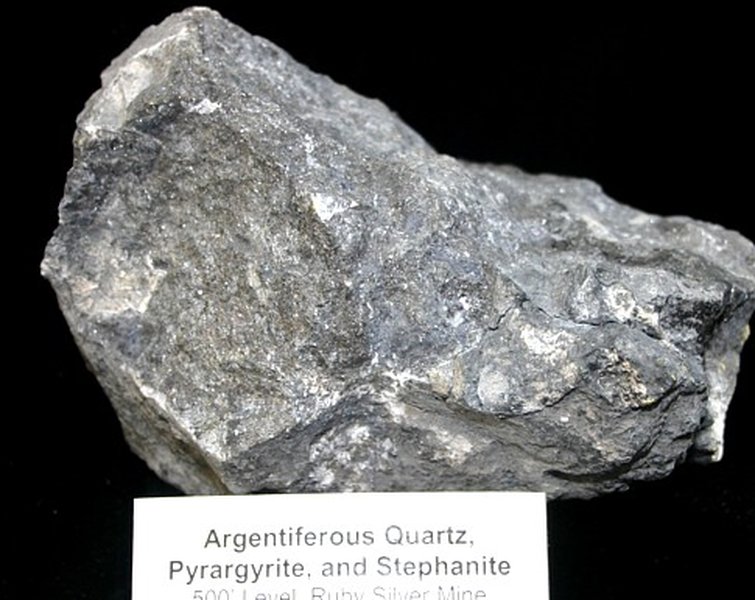
Natural silver ore, the primary source for a metal increasingly vital to modern economies.
The Physical vs. Paper Conundrum: Strains in the Silver Market Infrastructure
A critical aspect of the current silver market is the growing tension between the paper market, primarily traded on exchanges like COMEX, and the availability of physical, deliverable silver. Inventories in key vaults are under pressure:
Dwindling Exchange Inventories
Registered silver stocks in COMEX warehouses have seen dramatic declines, falling from around 80 million ounces at the end of 2021 to levels hovering between approximately 38 million and 46 million ounces by late 2024 and into 2025. Similarly, London Bullion Market Association (LBMA) vaults, which represent the world's largest pool of wholesale silver, have experienced consistent drawdowns. Reports indicate LBMA silver inventories declined for ten consecutive months at one point, with significant outflows reducing available stock.
The Paper-to-Physical Mismatch
This scarcity of deliverable metal is starkly contrasted by the volume of paper silver contracts. Some market analyses suggest there are as many as 28 paper claims for every ounce of registered physical silver available for delivery in COMEX vaults. This high ratio highlights a potential vulnerability: should a larger-than-usual number of contract holders demand physical settlement, the system could face significant stress.
LBMA to COMEX Drawdowns
Recent years have witnessed substantial transfers of physical silver from LBMA vaults to COMEX warehouses. These drawdowns, sometimes amounting to tens of millions of ounces over relatively short periods (e.g., 128 million ounces reported as drawn down from LBMA since late 2024), are indicative of the market scrambling to meet physical demand and delivery obligations. While these flows can fluctuate, the overarching trend points to a tightening physical market.
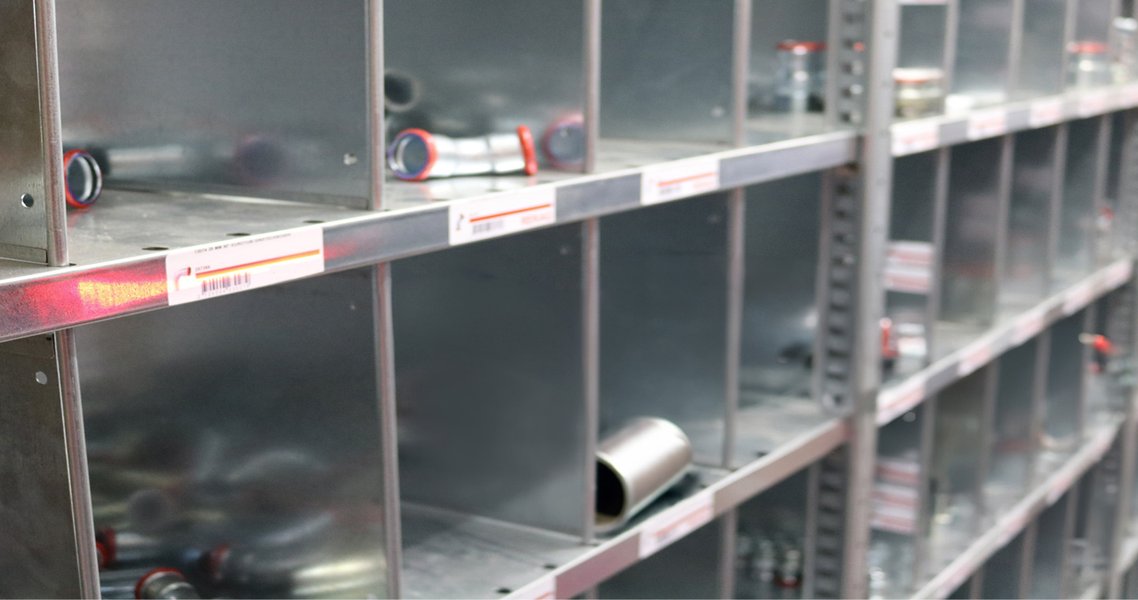
Declining deliverable silver inventories in global vaults reflect increasing market tightness and physical demand.
Silver: The Irreplaceable Engine of Modern Technology and Strategic Needs
Industrial applications are the foremost driver of silver demand, accounting for approximately 60% of total global consumption. Silver's unique properties—unparalleled electrical and thermal conductivity, reflectivity, and antimicrobial characteristics—make it indispensable in a growing array of modern technologies.
Powering the Green Revolution
The global transition to sustainable energy heavily relies on silver:
- Solar Photovoltaics (PV): Silver paste is a critical component in the manufacturing of solar cells. With global PV installations projected to hit new records in 2025, demand from this sector remains exceptionally strong.
- Electric Vehicles (EVs): Silver is used extensively in EVs for electrical contacts, battery components, and charging infrastructure. The accelerating adoption of EVs worldwide translates directly into higher silver consumption.
Enabling Next-Generation Technologies
Silver's role extends deep into the digital and advanced technology landscape:
- Artificial Intelligence (AI) and Data Centers: The burgeoning AI industry requires vast data processing capabilities, supported by servers and components that utilize silver for its superior conductivity in semiconductors and connectors.
- 5G Infrastructure: The rollout of 5G technology necessitates advanced circuitry and components, many of which incorporate silver.
- Electronics: From everyday consumer electronics to sophisticated industrial controls, silver remains a key material in switches, relays, and printed circuit boards.
Strategic and Defense Applications
Beyond its industrial ubiquity, silver is gaining recognition for its importance in strategic sectors, including defense and aerospace. Its reliability in demanding applications and its use in specialized electronics and even some munitions components underscore a strategic dimension to its demand profile, although it's not always formally classified as a "strategic metal" by all governments.
The Supply Squeeze: Challenges in Meeting Silver Demand
Despite robust demand, the supply side of the silver equation faces significant constraints, further exacerbating the market imbalance.
Paucity of New Discoveries
The rate of new, high-quality silver deposit discoveries has been disappointingly low in recent years. Exploration is a costly and time-consuming endeavor, and the pipeline of new projects ready to transition into production is thin. This lack of fresh primary silver sources puts more pressure on existing mines.
Silver as a Byproduct
A significant portion of global silver supply (estimated around 70-80%) is produced as a byproduct of mining for other metals, primarily lead, zinc, copper, and gold. This means silver production levels are often more dependent on the economics and production decisions related to these base metals rather than the silver price itself. Even if silver prices rise substantially, miners cannot always rapidly increase silver output independently.

Silver mining operations face challenges in keeping pace with accelerating demand due to geological constraints and the byproduct nature of much of its production.
Limited New Production on the Horizon
There is a scarcity of new silver mining companies poised to bring significant new production online in the short to medium term. While companies like Australia's Investigator Resources (ASX: IVR) and Silver Mines Limited (ASX: SLV) represent ongoing exploration and development efforts, they exemplify the limited number of near-production prospects globally rather than a wave of new supply. The journey from discovery to full-scale production is fraught with financial, regulatory, and operational hurdles.
Overall mine production is forecast to see only modest growth, with some estimates projecting a 2% increase in 2025. This level of growth is insufficient to bridge the persistent deficit.
A Missing Safety Net: The Implications of No U.S. Strategic Silver Reserve
Compounding the supply concerns is the fact that the United States, a major consumer of silver, does not maintain a strategic national stockpile of the metal. This is in contrast to other materials deemed critical for national security or economic stability. The absence of a U.S. strategic silver reserve means there is no government-held buffer to release into the market during times of acute shortage or geopolitical disruption. Given silver's expanding role in critical industries, including defense and advanced technology, this lack of a strategic reserve heightens potential vulnerabilities to supply chain shocks and amplifies the reliance on market-based supply, which, as discussed, is already constrained.
Visualizing Silver's Market Drivers
To better understand the forces at play, the following chart illustrates key factors influencing silver's current market dynamics and its potential for outperformance. These factors are scored subjectively based on their perceived impact strength.
This radar chart highlights the strong influence of surging industrial demand and significant supply constraints, coupled with inventory depletion, as primary drivers. Monetary appeal and geopolitical factors, such as the lack of a U.S. strategic reserve, further contribute to silver's unique market positioning.
Interconnected Factors: A Mindmap of Silver's Market
The complexity of the silver market can be further understood by visualizing the interconnected factors that contribute to its current state and future outlook. The following mindmap illustrates these relationships:
(~60% of total)"] id1b["Green Technology Boom
(Solar PV, EVs)"] id1c["Advanced Technologies
(AI, 5G, Electronics)"] id1d["Investment & Safe Haven Appeal"] id2["Supply Challenges"] id2a["Persistent Structural Deficit
(5+ consecutive years)"] id2b["Paucity of New High-Grade Discoveries"] id2c["Predominantly a Byproduct
of Base Metal Mining"] id2d["Limited New Production Coming Online
(e.g., ASX: IVR, SLV illustrate scarcity)"] id3["Market Structure Pressures"] id3a["Critically Low Physical Inventories
(COMEX & LBMA Registered Stock)"] id3b["High Paper-to-Physical Claim Ratio
(e.g., ~28:1 on COMEX)"] id3c["Significant Drawdowns from LBMA
to Meet Physical Demand"] id4["Geopolitical & Strategic Context"] id4a["Absence of a U.S. Strategic Silver Reserve"] id4b["Increasing Recognition of Silver's Role
in Strategic Industries & Defense"]
This mindmap demonstrates how robust demand drivers, persistent supply issues, unique market structure pressures, and overarching geopolitical factors converge to shape silver's investment landscape.
Market Insights: Silver Supply and Demand Dynamics
The following video provides additional perspectives on the challenges in the silver market, particularly focusing on the interplay between rising demand and constrained supply, which are central to the current discussion.
This video discusses the ongoing structural deficit in the silver market, where demand consistently outpaces supply, a key factor in its investment thesis.
Synthesizing the "Alpha": Silver's Unique Investment Proposition
The convergence of these factors—a chronic and deepening supply deficit, critically low physical inventories starkly contrasting with enormous paper market claims, accelerating demand from indispensable roles in green energy and high-tech revolutions (AI, EVs), severely constrained new mine supply, and the notable absence of a U.S. strategic reserve—paints a compelling picture. This multifaceted scenario arguably places silver in an almost unique position within the commodities landscape. The fundamental imbalance between a technologically vital metal with inelastic demand growth and an increasingly challenged supply chain creates a strong underpinning for potential price appreciation and the generation of "alpha" for informed investors. The market is signaling that silver's role as both an industrial cornerstone and a monetary asset is becoming increasingly critical.
Silver Market Snapshot: Key Data and Projections
The following table summarizes some of the key statistics and projections discussed, offering a condensed view of the current silver market landscape as of early-to-mid 2025.
| Market Indicator | Status / Projection (as of 2024-2025) |
|---|---|
| Annual Market Deficit | 5th consecutive year; 117 million to >180 million ounces projected for 2025 |
| Total Annual Demand | ~1.20 - 1.21 billion ounces (2025F) |
| Total Annual Supply | ~1.03 - 1.05 billion ounces (2025F) |
| Industrial Demand Share | Approx. 60% of total demand; record highs expected |
| Key Industrial Demand Drivers | Photovoltaics (Solar), Electric Vehicles, 5G, AI, Electronics |
| COMEX Registered Inventory | Significantly reduced; ~38-46 million ounces (recent figures) |
| Paper-to-Physical Ratio (COMEX) | High; reports suggest ~28 paper claims per physical ounce |
| New Mine Supply | Constrained by lack of discoveries and byproduct nature |
| U.S. Strategic Reserve | None maintained |
Frequently Asked Questions (FAQ)
What is the primary reason for the current silver supply deficit?
How does the paper silver market affect the physical silver price?
Which industries are driving the most significant increases in silver demand?
Why is the lack of a U.S. strategic silver reserve considered significant?
Are there any immediate large-scale solutions to the silver supply shortage?
Conclusion
The silver market is at a fascinating crossroads. The persistent structural deficit, fueled by unyielding industrial demand from transformative technologies and compounded by constrained supply and fragile inventory levels, creates a potent mix. The absence of a U.S. strategic reserve adds another layer of complexity. Collectively, these elements strongly suggest that silver is indeed in a unique position, offering a compelling case for its potential to generate alpha as these fundamental pressures continue to exert their influence on the market landscape through 2025 and beyond.
Recommended Further Exploration
- What is the detailed forecast for silver demand in the EV and solar sectors over the next five years?
- How might geopolitical instability in major silver-producing countries affect global supply chains?
- What are the latest technological advancements in silver recycling and their potential to impact future supply?
- How does silver's investment case compare to that of gold and platinum in the current economic environment?
References
Last updated May 21, 2025