
Silver Oxide Nanoparticles: An Introduction
Understanding Silver Oxide Nanoparticles, Their Synthesis, and Applications
Key Highlights
- Synthesis Methods: Silver oxide nanoparticles can be synthesized via chemical, physical, and green synthesis techniques using environmentally friendly processes.
- Wide-Ranging Applications: They exhibit antimicrobial, catalytic, sensor, and biomedical properties useful in electronics, drug delivery, cancer therapy, and more.
- Particle Characteristics: With sizes typically ranging from 1 to 100 nm and tunable surface properties, their unique features make them valuable in modern nanotechnology.
Overview of Silver Oxide Nanoparticles
Silver oxide nanoparticles, often abbreviated as Ag₂O NPs, are a vital subclass of metal oxide nanomaterials that have captured significant attention in both academic research and industrial applications. These nanoparticles are composed of silver (Ag) and oxygen (O) atoms and typically have particle sizes spanning from 1 nm to 100 nm. Their high surface-to-volume ratio is a crucial factor in enhancing their chemical reactivity and overall performance in various applications, ranging from catalysis and sensor development to biomedical and environmental uses.
Scientific Significance
The unique characteristics of silver oxide nanoparticles stem primarily from their nanoscale size and the chemistry of silver and oxygen. Their high reactivity is attributed to the large number of surface atoms, making them excellent catalysts and active agents in oxidation processes. With enhanced antibacterial, antiviral, and even anticancer properties, these nanoparticles have shown promising potential as agents in various therapeutic applications. Their role in environmental remediation, particularly in water treatment and as sensors for pollutant detection, further underlines their multidisciplinary potential.
Synthesis Methods
The synthesis of silver oxide nanoparticles is a subject of extensive study because the properties of the nanoparticles, such as size, morphology, and reactivity, are highly dependent on the synthesis technique. Multiple methods have been developed for producing silver oxide nanoparticles, including:
Chemical Synthesis
Chemical reduction techniques are among the most popular methodologies employed for synthesizing silver oxide nanoparticles. These methods typically involve the reduction of a silver precursor (such as silver nitrate or silver sulfate) using reducing agents (for example, oxalic acid or trisodium citrate). This process provides precise control over the size and morphology of the resulting nanoparticles. The reaction conditions, including temperature, pH, and the concentration of reactants, play a pivotal role in determining the final characteristics of the nanoparticles. The end products are often subjected to purification and characterization to assess purity, crystal structure, and particle size distribution.
Green Synthesis
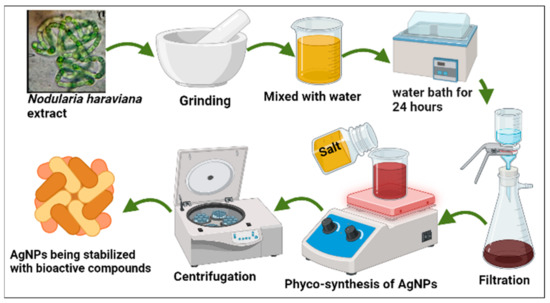
Green synthesis methods have garnered significant attention as they offer sustainable and environmentally friendly alternatives to conventional chemical synthesis. Plant extracts, such as those derived from orange leaves or other botanical sources, can act as effective reducing and stabilizing agents. This approach minimizes the use of toxic chemicals and reduces overall environmental impact. The plant extracts facilitate the conversion of silver ions into silver oxide nanoparticles, often resulting in particles with improved stability and biocompatibility, attributes that are particularly valuable for biomedical applications.
Physical Methods
Although less common than chemical and green synthesis methods, physical approaches such as laser ablation and thermal decomposition are also employed to produce silver oxide nanoparticles. These methods generally involve the physical breakdown of bulk materials into nanoparticle-sized particles in a controlled environment. While these processes can be energy-intensive, they offer advantages in the synthesis of nanoparticles with unique crystalline structures.
Properties and Characteristics
The intrinsic properties of silver oxide nanoparticles are significantly influenced by their size, surface area, and synthesis conditions. A few of the notable characteristics include:
Size and Surface Area
Typically, silver oxide nanoparticles have sizes between 1 and 100 nanometers. Their nanoscale size results in a large specific surface area, which enhances the reactivity and interaction with surrounding media. For instance, a higher surface area facilitates better catalytic performance and stronger interactions in biological systems.
Morphology and Crystal Structure
Depending on the synthesis process, silver oxide nanoparticles can exhibit diverse morphological features ranging from spherical to faceted or even irregular shapes. The varying morphologies directly affect the physical and chemical properties, including melting points (around 280°C for some silver oxide forms), and specific surface area values, which can range from 10 to 50 m²/g.
Optical and Electronic Properties
Besides their catalytic and antimicrobial properties, silver oxide nanoparticles demonstrate interesting optical and electronic behaviors. Their light absorption and scattering properties make them promising in photovoltaic cells and sensor applications. The ability to tailor these properties has been investigated for the development of new materials that enhance light harvesting and sensor performance.
Applications in Diverse Fields
Due to their unique properties, silver oxide nanoparticles have found applications in several important fields. The following sections delve into some of the major areas where these nanoparticles play a crucial role.
Biomedical Applications
One of the most significant applications of silver oxide nanoparticles is in the biomedical field. Their potent antimicrobial and antifungal activities make them excellent candidates for infection control, particularly in coatings for medical devices. Furthermore, recent studies have noted their potential in anticancer therapy by inducing cytotoxic effects in targeted cancer cell lines. Researchers are investigating their use in drug delivery systems where controlled release can enhance therapeutic efficacy while minimizing systemic side effects.
Catalysis and Environmental Remediation
In chemical industry and environmental engineering, silver oxide nanoparticles are valued for their catalytic properties. They are used in oxidation reactions where they help accelerate complex chemical transformations. In addition, their application in environmental remediation is highly promising. They can be integrated into water treatment systems to degrade pollutants and remove toxic contaminants from water bodies, thereby playing a vital role in preserving environmental quality.
Sensor and Photovoltaic Applications
The photocatalytic properties of silver oxide nanoparticles along with their electronic characteristics make them suitable for sensor applications. They are integrated into sensor systems to detect environmental pollutants, hazardous chemicals, and biological markers. Additionally, their involvement in enhancing the efficiency of photovoltaic cells makes them significant in the field of renewable energy. By improving light absorption and conversion, silver oxide nanoparticles contribute towards more efficient solar energy devices.
Other Technological Uses
Beyond the primary applications mentioned above, silver oxide nanoparticles are also being explored for use in various technological and industrial processes. Their ability to act as vaccine adjuvants, promote wound repair, and support bone healing has opened new avenues in regenerative medicine. Furthermore, their adaptability in forming nanofluids has led to innovations in heat transfer applications and advanced electronic circuits.
Comparative Analysis Table
The following table provides a summary comparison of the synthesis methods, key properties, and applications of silver oxide nanoparticles:
| Synthesis Method | Main Features | Notable Advantages | Primary Applications |
|---|---|---|---|
| Chemical Synthesis | Reduction of silver precursors using agents like oxalic acid or trisodium citrate | Controlled particle size and morphology | Catalysis, sensors, fuel cells, biomedical coatings |
| Green Synthesis | Utilizes plant extracts as reducing and stabilizing agents | Eco-friendly, lower toxicity, cost-effective | Biomedical applications, environmental remediation |
| Physical Methods | Techniques like laser ablation, thermal decomposition | Unique crystalline structures | Specialized electronic and catalytic applications |
Article and Reference Highlights
The development of silver oxide nanoparticles has been documented in a variety of scientific articles and journals. These sources encompass detailed analyses of the synthesis processes, characterization methods, and application outcomes across multidisciplinary fields. Some articles focus extensively on the chemical dynamics of nanoparticle formation, while others highlight novel green synthesis approaches. Researchers have also explored the biomedical implications, including antimicrobial activity and cytotoxic effects on cancer cells, emphasizing the therapeutic potential of these nanoparticles.
For example, research published in journals such as "Nanomedicine Research Journal" has examined the cytotoxic effects of silver oxide nanoparticles against specific cell lines, providing compelling evidence of their therapeutic benefits. Additionally, comprehensive reviews in sources like ScienceDirect and Nature have summarized the advances in synthesis techniques, comparing traditional methods with modern green approaches to nanoparticle production.
Detailed Article Reference List
Below is an unordered list of relevant articles and studies that provide expanded insights into the synthesis, properties, and applications of silver oxide nanoparticles:
- Silver and Silver Oxide Nanoparticles: Synthesis and Characterization - ScienceDirect
- Chemical Reduction Methods for Silver Oxide Nanoparticles - ScienceDirect
- Silver Oxide Nanoparticles in Biomedical Applications - NCBI PMC
- Optical Properties and Sensors Applications of Ag₂O Nanoparticles - ScienceDirect
- Introduction to Silver Nanoparticles - Nanocomposix
Further Exploration and Insights
For those interested in exploring the subject further, several emerging areas can provide additional depth and context:
- Emerging Green Synthesis Techniques: Delve into how novel plant extracts and bio-based materials are enhancing the green synthesis of nanoparticles and improving their stability for biomedical applications.
- Advanced Characterization Methods: Explore cutting-edge characterization techniques such as X-ray diffraction, electron microscopy, and spectroscopic methods that provide insights into the structural and chemical properties of silver oxide nanoparticles.
- Multifunctional Applications: Investigate how the multifunctionality of these nanoparticles can be harnessed across different sectors including catalysis in chemical industry processes, environmental pollution control, and targeted drug delivery systems.
Researchers continue to innovate in the field of nanotechnology, and as new synthesis routes and applications emerge, silver oxide nanoparticles remain at the forefront of scientific inquiry and technological innovation. The continual development of greener, more efficient production methods combined with advanced characterization techniques is paving the way for safer and more effective applications of these versatile nanomaterials.
References
-
Silver and Silver Oxide Nanoparticles: Synthesis and Characterization - ScienceDirect
-
Chemical Methods for Synthesizing Ag₂O Nanoparticles - ScienceDirect
-
Biomedical Applications of Silver Oxide Nanoparticles - NCBI PMC
- Introduction to Silver Nanoparticles - Nanocomposix
-
Optical and Electronic Properties of Ag₂O Nanoparticles - ScienceDirect
Recommended Search Queries for Deeper Insights
Last updated March 18, 2025