
The Silver Squeeze: Is a Global Deficit an Inevitable Outcome of Market Dynamics?
Exploring how silver's unique supply chain and economic sensitivities could lead to a persistent market imbalance.
Your understanding of the global silver market intricacies is quite astute. The relationship between silver production, base metal mining, and overall economic health indeed creates a complex scenario with significant implications for silver's availability. Let's delve deeper into these dynamics.
Key Insights: Understanding Silver's Precarious Position
- Byproduct Predicament: A substantial majority, approximately 70-80%, of global silver production is a byproduct of mining for base metals like lead, zinc, and copper, as well as gold. This makes silver supply heavily reliant on the economic viability and production levels of these primary metals, not silver's own price.
- Economic See-Saw: Economic downturns can reduce base metal mining, thereby constricting silver supply. Conversely, economic upturns boost industrial demand for silver, but supply struggles to respond quickly due to its byproduct nature and the long lead times for new primary silver mines.
- Structural Deficit Looms: This unique interplay often results in a "two-way bet" scenario where both economic contraction and expansion can contribute to a silver market deficit, where demand outstrips new supply. Recent years have already seen such deficits.
The Byproduct Nature of Silver: A Supply Chain Deep Dive
The core of silver's supply story lies in its origin. Unlike many other commodities, silver isn't always the primary target of mining operations. Instead, it's often extracted during the processing of ores rich in other, more industrially prevalent metals.
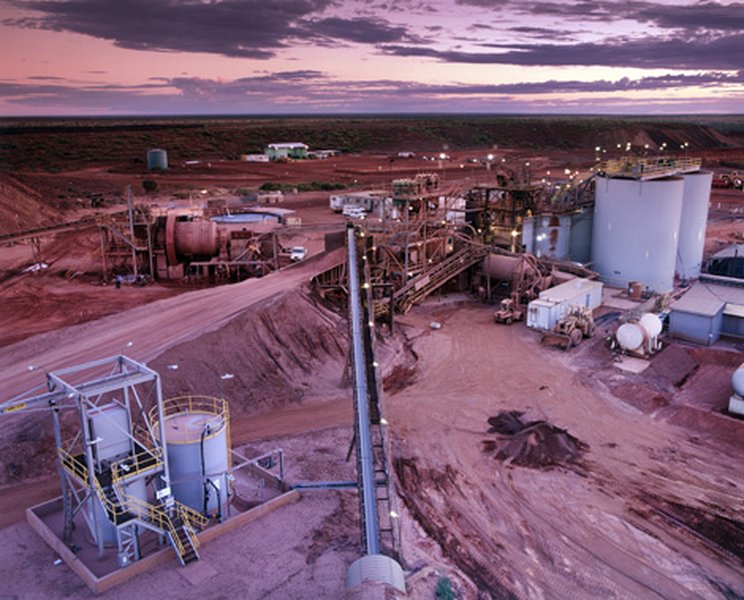
Base metal mining operations, like the one depicted, are crucial sources of byproduct silver.
Dependence on Base Metals and Gold
Estimates consistently place byproduct silver at 70-80% of the total mined supply. The primary contributors are:
- Lead and Zinc Mines: Historically, a very significant source.
- Copper Mines: Increasing in importance as copper demand rises.
- Gold Mines: Gold ores often contain recoverable silver.
This dependency means that decisions to open, expand, or close mines are typically driven by the price and demand outlook for lead, zinc, copper, or gold. Even if silver prices surge, a mining company won't necessarily increase production at a copper mine if copper prices are low and the mine is unprofitable based on its primary output.
Limited Supply Elasticity
This production model results in low price elasticity of supply for silver. In simpler terms, silver supply doesn't respond quickly or proportionally to changes in silver's own price. Primary silver mines, which account for only 20-30% of global output, face their own challenges, including declining ore grades and the substantial time and capital required to bring new projects online.
Economic Swings: A Double-Edged Sword for Silver Supply
The global economic climate plays a pivotal role in shaping both the supply and demand sides of the silver equation, often in ways that can seem counterintuitive or create a pincer movement on availability.
Scenario 1: Economic Downturn
If the global economy experiences a significant downturn or recession:
- Demand for base metals (copper, lead, zinc) typically falls due to reduced industrial activity, construction, and manufacturing.
- Lower base metal prices can lead to reduced production, mine curtailments, or even closures of less profitable operations.
- Consequently, the byproduct silver output from these mines decreases, irrespective of the prevailing silver price. If silver is sought as a safe-haven asset during such times, its supply could paradoxically shrink.
Scenario 2: Economic Upturn
Conversely, during periods of economic growth and expansion:
- Industrial demand for silver often surges. Silver is a critical component in various growth sectors, including electronics, solar panels (photovoltaics), electric vehicles, and medical applications.
- While higher base metal demand might lead to increased base metal mining (and thus more byproduct silver), this supply response can lag significantly.
- New primary silver mines take years, sometimes a decade or more, to develop from discovery to production.
- Existing primary mines may struggle to quickly ramp up output, especially if facing challenges like declining ore grades.
This dynamic was evident in 2024, when industrial demand for silver reached a record high of 680.5 million ounces, contributing to a market deficit.
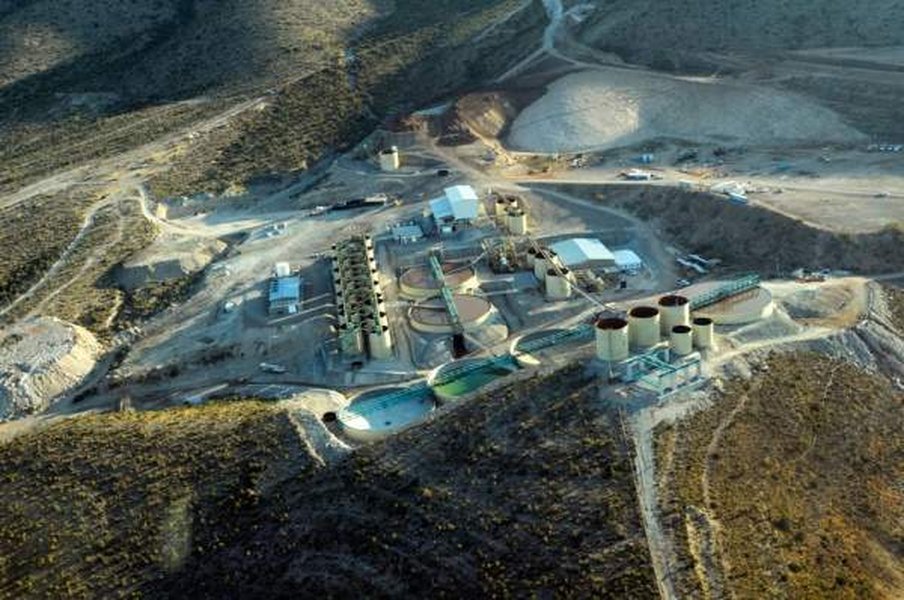
Primary silver mines like La Encantada are important, but represent a smaller fraction of total global silver output.
The "Two-Way Bet" and the Path to a Silver Deficit
Your observation about a "two-way bet" leading to a silver deficit is a sharp analysis of the situation. The silver market has indeed been characterized by a structural supply deficit for several consecutive years. In 2024, the global silver market recorded a deficit of 148.9 million ounces, marking the fourth year in a row where demand outstripped supply. Projections for 2025 suggest this trend will continue, with an anticipated deficit of around 117.6 million troy ounces, even with a slight decrease in overall demand and a modest increase in supply. This would be the fifth consecutive year of deficit.
This persistent imbalance highlights the core issue: silver supply struggles to adapt effectively to changing market conditions due to its byproduct nature and the inherent limitations in rapidly increasing primary production. The demand side, particularly industrial demand fueled by green technologies and electronics, is robust and growing.
Visualizing Silver Market Influencers
The following mindmap illustrates the key factors influencing the silver market, leading to the potential for structural deficits. It shows the interconnectedness of supply sources, demand drivers, and economic impacts.
Comparing Silver Market Factors Under Different Economic Conditions
The radar chart below provides a visual comparison of how different factors influencing the silver market might behave under strong versus weak economic conditions. The scores are illustrative, based on general market tendencies, with higher values indicating stronger influence or activity.
As the chart illustrates, a strong economy typically boosts industrial demand and byproduct supply (if base metal demand is also high), while a weak economy might see lower industrial demand and byproduct supply but potentially higher investment demand. Responsiveness of primary mines and ease of new development remain challenging in both scenarios.
Silver Market Dynamics: A Tabular Overview
The following table summarizes the anticipated impacts of different economic scenarios on key aspects of the silver market:
| Economic Scenario | Impact on Base Metal Mining | Impact on Byproduct Silver Supply | Impact on Industrial Silver Demand | Impact on Investment Silver Demand | Net Effect on Silver Market Balance |
|---|---|---|---|---|---|
| Strong Economic Growth | Increases (due to higher demand for base metals) | Potentially Increases (as a byproduct) | Strongly Increases | May Decrease (if focus shifts to risk-on assets) or Stable | Potential for Deficit (if demand outpaces supply increase) |
| Economic Stagnation/Mild Recession | May Stagnate or Slightly Decrease | May Stagnate or Slightly Decrease | Decreases or Stagnates | May Increase (safe-haven appeal) | Uncertain; Deficit possible if supply falls more than demand or investment demand rises sharply |
| Severe Economic Downturn | Sharply Decreases | Sharply Decreases | Sharply Decreases | Strongly Increases (safe-haven appeal) | Likely Deficit (supply contraction and high investment demand overwhelm industrial demand drop) |
Silver Deficits and Market Trends: A Video Perspective
The persistence of silver deficits has been a topic of much discussion among market analysts. The following video provides insights into the ongoing supply deficit and its potential implications for the silver market. It explores how factors like rising industrial demand contribute to this situation.
This video delves into the complexities of the silver market, including the ongoing supply deficit and the factors driving it.
Frequently Asked Questions (FAQ)
How much of the world's silver comes from byproduct mining?
Why can't silver miners just produce more silver when prices go up?
What happens to silver supply during an economic downturn?
How does economic growth affect silver demand and supply?
Is the silver market currently in a deficit?
Conclusion: A Complex Future for Silver
The global silver market is uniquely positioned due to its supply chain's heavy reliance on byproduct production. This creates a scenario where economic downturns can throttle supply through reduced base metal mining, while economic upturns can strain available supplies as industrial demand surges. Both pathways can, and have, contributed to a structural deficit in the silver market. This "two-way bet" dynamic suggests that balancing the silver market will remain a challenge, influenced more by the broader commodities landscape and industrial innovation than by silver's price alone. The ongoing demand from green technologies, such as solar panels and electric vehicles, further complicates this picture, adding a layer of consistent and growing demand pressure on a constrained supply.
Recommended Further Exploration
- What are the primary industrial uses of silver and how are they evolving with new technologies?
- How do declining ore grades in primary silver mines impact future supply projections?
- What role does silver recycling play in meeting global demand and alleviating deficits?
- How might geopolitical factors and mining regulations affect future silver production in key regions?
References
Last updated May 21, 2025