
Unlock Calm in Minutes: Discover Simple Mindfulness Exercises Anyone Can Do
Easy techniques to reduce stress, enhance focus, and find presence in your busy life, starting today.
Mindfulness is the practice of intentionally bringing your awareness to the present moment, observing your thoughts, feelings, bodily sensations, and surrounding environment without judgment. It's a skill that can be cultivated through practice, and contrary to popular belief, it doesn't require hours of silent meditation. Even beginners can reap significant benefits—like reduced stress, improved focus, and greater emotional balance—by incorporating simple exercises into their daily routine.
Key Insights for Your Mindfulness Journey
- Start Small & Be Consistent: You don't need long sessions. Begin with exercises lasting just 1-5 minutes and practice regularly to build the habit.
- Focus on Your Breath: Mindful breathing is a foundational technique, easily accessible anytime, anywhere, to anchor you in the present and calm your nervous system.
- Integrate into Daily Life: Turn routine activities like walking, eating, or even washing dishes into opportunities for mindful awareness.
What Exactly is Mindfulness?
Beyond Buzzwords: Understanding the Practice
Mindfulness involves paying attention on purpose, in the present moment, and non-judgmentally. It's about stepping out of "autopilot" mode, where our minds often race with thoughts about the past or worries about the future, and instead, fully experiencing what's happening right now. This practice helps train your attention, increase awareness of your thoughts and feelings without getting carried away by them, and develop a kinder, more accepting attitude towards yourself and your experiences.
The benefits are well-documented and include:
- Reduced stress and anxiety
- Improved attention and concentration
- Enhanced emotional regulation
- Better sleep quality
- Increased self-awareness and compassion
- Potential alleviation of symptoms related to depression and chronic pain
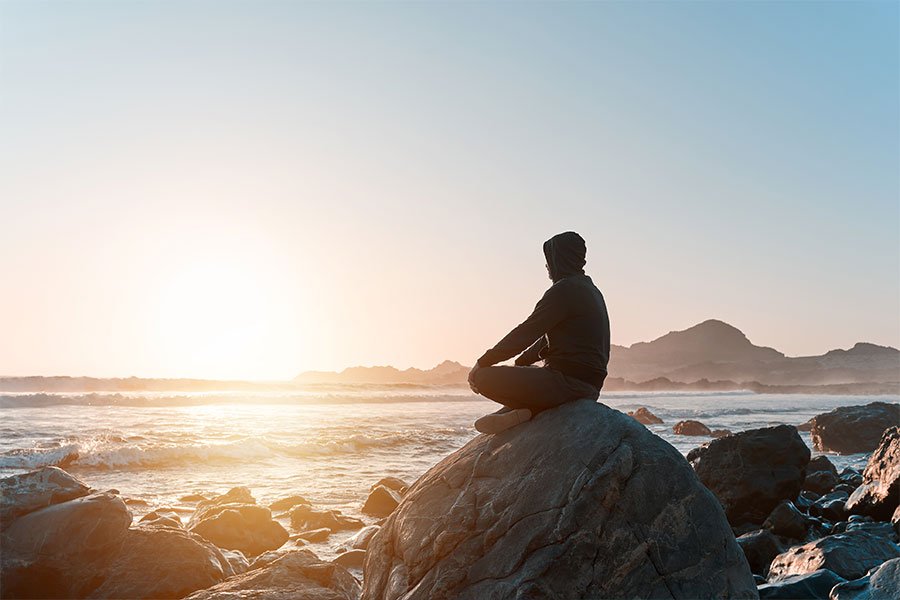
Mindfulness can be practiced anywhere, helping to cultivate inner calm amidst daily life.
Getting Started: Simple Mindfulness Exercises
Embarking on your mindfulness journey is straightforward with these beginner-friendly exercises. Remember, the goal isn't to empty your mind, but to notice where it goes and gently guide it back to the present.
Mindful Breathing Techniques
Basic Breath Awareness (1-5 minutes)
This is the cornerstone of mindfulness practice. Find a comfortable position, either sitting or lying down. Close your eyes gently or soften your gaze. Bring your attention to the physical sensation of your breath. Notice the air entering through your nose, filling your lungs, and the gentle release as you exhale. Observe the natural rhythm without trying to change it. Feel the rise and fall of your chest or abdomen. When your mind wanders (which it inevitably will), acknowledge the thought without judgment and gently redirect your focus back to your breath. Start with just one or two minutes and gradually increase the duration.
Breath Counting (2-5 minutes)
If focusing solely on the sensation of breath is challenging, counting can provide a helpful anchor. As you inhale, silently count "one." As you exhale, count "two." Continue up to "ten," and then begin again at "one." If you lose count or your mind drifts, simply notice this and gently restart the count from one. This exercise enhances concentration.
Box Breathing (Four-Square Breathing) (1-3 minutes)
This structured technique can be particularly calming during moments of stress. Imagine drawing a square with your breath:
- Inhale slowly through your nose for a count of four.
- Hold your breath gently for a count of four.
- Exhale slowly through your mouth or nose for a count of four.
- Hold the breath out for a count of four.
Repeat this cycle several times. Box breathing helps regulate the nervous system and promotes a sense of balance.
Body Awareness Practices
Body Scan Meditation (5-10 minutes)
Lie down comfortably or sit in a chair. Close your eyes and bring your attention inward. Start by focusing on the sensations in your toes. Notice any feelings like warmth, coolness, tingling, pressure, or contact without judging them. Slowly, deliberately, move your attention up your body – through your feet, ankles, lower legs, knees, thighs, hips, torso, back, abdomen, chest, fingers, hands, arms, shoulders, neck, and finally, your face and head. Spend a few moments noticing sensations in each area. If you encounter tension, simply observe it, perhaps imagining your breath flowing into and out of that area. This practice enhances body awareness and can help release physical stress.
Mindful Body Awareness in Daily Tasks (Ongoing)
Integrate mindfulness into routine activities. When brushing your teeth, notice the sensation of the bristles, the taste of the toothpaste, the feeling of your feet on the floor. While washing dishes, pay attention to the temperature of the water, the texture of the soap, the weight of the plates. By bringing focused awareness to these simple tasks, you transform them from automatic habits into moments of presence.
Engaging Your Senses
Mindful Eating (5 minutes)
Choose a small piece of food, like a raisin, a piece of fruit, or a nut. Engage all your senses. Look at its shape, color, and texture. Smell it. Feel its weight and texture in your hand. Place it in your mouth but don't chew immediately. Notice the sensations on your tongue. Begin chewing slowly, paying attention to the changing tastes and textures. Swallow deliberately, noticing the sensation as the food travels down. This practice cultivates appreciation and can help improve digestion and awareness of hunger/fullness cues.
Mindful eating involves savoring the sensory experience of food.
Mindful Walking (5-10 minutes)
Whether indoors or outdoors, slow down your pace. Pay attention to the physical act of walking. Feel the contact of your feet with the ground – the heel lifting, the foot rolling forward, the toes pushing off. Notice the subtle movements in your legs and hips. Be aware of your posture. Expand your awareness to your surroundings – the sights, sounds, smells, the feel of the air on your skin – without getting lost in thought about them. If walking outside, observe nature or the cityscape with fresh eyes.
Mindful Listening (3-5 minutes)
Sit quietly and simply listen. Notice the sounds around you without labeling them as "good" or "bad," "pleasant" or "unpleasant." Observe the quality of the sounds – pitch, volume, duration. Notice sounds near and far. You might focus on ambient sounds, nature sounds, or intentionally listen to a piece of music, paying full attention to the melodies, harmonies, rhythms, and the feelings they evoke.
Quick Mindfulness Resets
Three Mindful Breaths (Under 1 minute)
Whenever you feel stressed, overwhelmed, or distracted, pause. Take three slow, deep, intentional breaths. Focus completely on the inhale and exhale for just these three breaths. This simple act can quickly interrupt automatic stress reactions and bring you back to the present moment.
One-Minute Pause (1 minute)
Set a timer for one minute. Sit quietly and simply be present. Notice your breath, body sensations, or the sounds around you. Alternatively, use this minute to consciously notice five things you can see, four things you can feel, three things you can hear, two things you can smell, and one thing you can taste (if applicable). This grounds you in your senses and the immediate environment.
Integrating Mindfulness into Daily Life
Building a mindfulness practice is like strengthening a muscle – it takes regular effort. Here are some tips:
Consistency is Key
Aim for short, frequent practice rather than infrequent long sessions. Even 5 minutes daily can make a difference. Try linking your practice to an existing habit, like practicing mindful breathing before your morning coffee or doing a body scan before bed.
Be Patient and Kind to Yourself
Mindfulness is a practice, not perfection. Your mind *will* wander – that's natural. The practice is in noticing the wandering and gently, kindly bringing your attention back, again and again, without self-criticism.
Use Guided Resources (Optional)
Many find guided meditations helpful, especially when starting. Numerous apps (like Calm, Headspace, Insight Timer) and online resources (like YouTube channels or websites like Mindful.org) offer guided exercises of varying lengths and focuses.
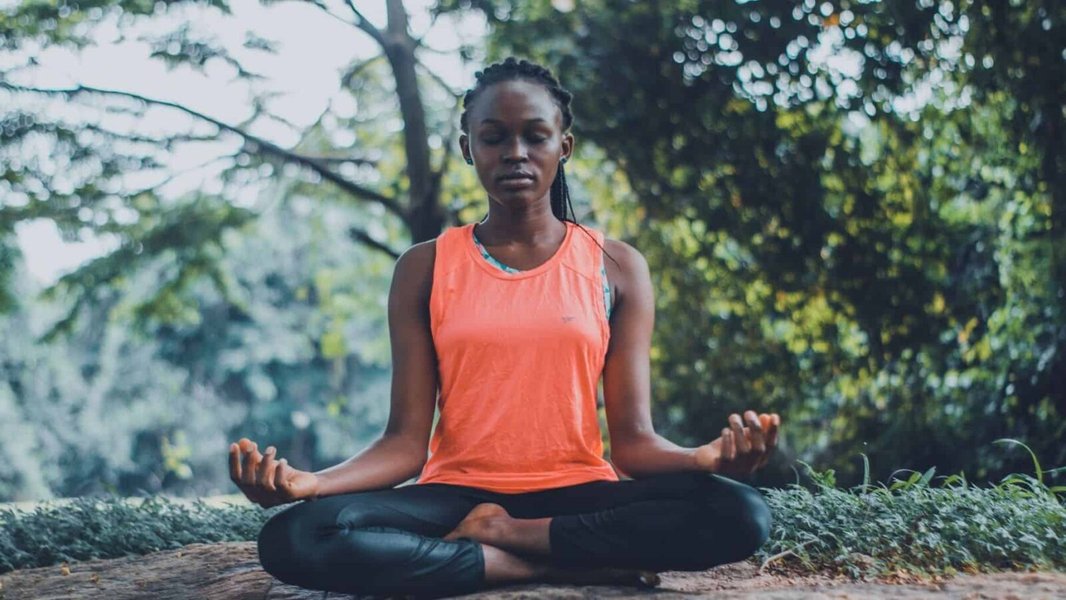
Consistency and patience are crucial when developing a mindfulness practice.
Visualizing Mindfulness Benefits
Different mindfulness exercises can emphasize various aspects of well-being. This chart offers a conceptual look at how different types of beginner exercises might contribute to common mindfulness benefits. The scores are illustrative, showing relative strengths rather than exact measurements.
As the chart illustrates, while all practices contribute to overall mindfulness, some might be slightly more geared towards specific outcomes. For example, mindful breathing often excels at direct stress reduction and anchoring, while body scans strongly enhance body awareness.
Connecting the Concepts: A Mindfulness Mindmap
This mindmap provides a visual overview of the key elements discussed, showing how the core idea of mindfulness branches out into specific exercises, benefits, and practical tips for beginners.
Use this map to quickly grasp the relationships between the different aspects of starting a mindfulness practice.
Guided Meditation Example
Guided meditations can be incredibly helpful for beginners, providing structure and gentle instruction. This 5-minute guided mindfulness meditation is specifically designed for those new to the practice, offering a simple way to experience mindful awareness.
A short guided meditation like this can be an excellent starting point for your practice.
This video leads you through a basic mindfulness exercise, focusing on breath and body sensations. Following along can make it easier to stay focused and understand the core principles in action. It demonstrates that even a brief period of dedicated practice can foster a sense of calm and presence.
Comparing Mindfulness Techniques
To help you choose exercises that resonate with you, here's a simple table comparing some of the beginner techniques discussed:
| Exercise Type | Typical Duration | Primary Focus | Key Benefit Highlight |
|---|---|---|---|
| Mindful Breathing | 1-10 minutes | Sensation of breath | Stress reduction, present moment anchor |
| Body Scan | 5-15 minutes | Physical sensations throughout the body | Increased body awareness, tension release |
| Mindful Walking | 5-15 minutes | Physical sensations of movement, surroundings | Grounding, integrating mindfulness with activity |
| Mindful Eating | 5-10 minutes | Sensory experience of food (taste, texture, smell) | Enhanced appreciation, awareness of habits |
| Quick Resets (e.g., 3 Breaths) | Under 1 minute | Breath or immediate senses | Rapid calming, interrupting automatic reactions |
| Mindful Daily Tasks | Ongoing (during task) | Sensations of routine activities | Integrating mindfulness into everyday life |
Experiment with different techniques to find what feels most comfortable and effective for you at different times.
Frequently Asked Questions
What if my mind keeps wandering during practice?
This is completely normal and expected! Mindfulness isn't about stopping thoughts or having a perfectly still mind. The practice *is* noticing when your mind has wandered and gently, without judgment, guiding your attention back to your chosen focus (like your breath or body sensations). Every time you do this, you are strengthening your mindfulness 'muscle'.
How long should I practice each day?
For beginners, consistency is more important than duration. Start with short sessions, perhaps just 1-5 minutes per day. As you become more comfortable, you can gradually increase the time if you wish. Even brief, regular practice is beneficial.
Do I need special equipment or a quiet place?
No special equipment is needed. While practicing in a quiet place can be helpful initially to minimize distractions, mindfulness can ultimately be practiced anywhere – sitting at your desk, waiting in line, walking, or even during conversations. The key is your internal focus.
Is mindfulness the same as meditation?
Mindfulness is a quality of awareness, while meditation is a specific practice used to cultivate that awareness. Many meditation techniques incorporate mindfulness (like focusing on the breath or a body scan). However, you can practice mindfulness informally throughout your day without engaging in formal meditation sessions.
Recommended Further Exploration
- Explore the specific mental health benefits linked to consistent daily mindfulness.
- Discover targeted mindfulness techniques for managing anxiety symptoms effectively.
- Understand the nuances distinguishing mindfulness as a state of being versus meditation as a formal practice.
- Find practical strategies for weaving moments of mindfulness into even the most hectic days.
References

Last updated May 4, 2025