
Simplifying Ideas for Maximum Understanding
Unlocking clarity: Techniques to make complex concepts accessible
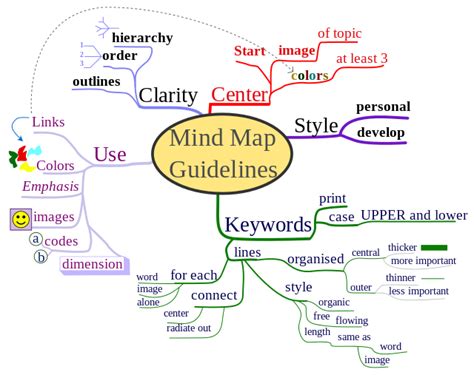
Key Takeaways
- Understand Your Audience: Tailor your explanations to the knowledge level and interests of your listeners.
- Break Down Complexity: Divide ideas into manageable parts and present them sequentially.
- Use Analogies and Visuals: Employ relatable comparisons and visual aids to bridge understanding gaps.
1. Deeply Understand the Idea
Before you can simplify a concept, it's imperative to have a comprehensive grasp of it. This foundational understanding allows you to distill the idea to its core components without losing its essence.
a. Clarify the Purpose and Value
Identify the main purpose of the idea. Ask yourself questions such as: What problem does this idea solve? What value does it bring to the audience or the intended application?
b. Identify the Core Components
Break down the idea into its fundamental elements. Understanding how these components interact helps in presenting the idea in a structured manner.
2. Know Your Audience
Effective simplification requires tailoring your explanation to the audience's background, knowledge level, and interests.
a. Assess Their Knowledge Base
Determine what your audience already knows about the topic. This helps in avoiding unnecessary explanations or oversimplifications that could lead to misunderstandings.
b. Align with Their Interests
Connect the idea to the audience's interests or real-life applications. This relevance fosters engagement and enhances comprehension.
3. Focus on the Key Message
Identify the most important aspect of the idea you wish to convey. This focus ensures that your explanation remains clear and directed.
a. Create a One-Sentence Summary
Condense the idea into a concise statement that captures its essence. This summary serves as a guide for the rest of your explanation.
b. Prioritize Relevant Information
Highlight information that directly benefits the audience or answers their primary questions, avoiding extraneous details that may cause confusion.
4. Break Down the Idea into Manageable Parts
Segmenting the idea into smaller, digestible components makes it easier for the audience to follow and understand the overall concept.
a. Sequential Presentation
Organize the components in a logical order, building upon each section to construct a comprehensive understanding.
b. Hierarchical Structuring
Create a hierarchy of information, starting with the most critical elements and progressing to more detailed aspects.
5. Use Analogies and Metaphors
Analogies and metaphors bridge the gap between unfamiliar concepts and familiar experiences, making complex ideas more relatable.
a. Relate to Everyday Experiences
Compare parts of the idea to common objects or scenarios. For example, likening an electrical circuit to a water flow system can aid in understanding basic electrical principles.
b. Enhance Visualization
Metaphors can create vivid mental images that simplify abstract concepts, facilitating easier recall and understanding.
6. Avoid Jargon and Use Plain Language
Eliminating technical terms and complex language ensures that your explanation is accessible to a broader audience.
a. Simplify Terminology
Replace industry-specific jargon with words that are commonly understood. If technical terms are necessary, provide clear definitions.
b. Use Short and Clear Sentences
Construct sentences that are concise and free of unnecessary complexity to maintain clarity.
7. Incorporate Visual Aids
Visual representations can convey information more efficiently than text alone, enhancing comprehension.
a. Utilize Diagrams and Charts
Flowcharts, graphs, and diagrams can illustrate relationships and processes, providing a clear visual structure to the information.
b. Employ Infographics
Infographics combine visuals with concise information, making data more engaging and easier to understand.
8. Use Stories and Real-World Examples
Embedding ideas within narratives or examples makes them more tangible and memorable.
a. Create Relatable Scenarios
Develop stories that reflect real-life situations where the idea applies, helping the audience see its practical utility.
b. Illustrate Through Case Studies
Provide examples of how the idea has been implemented successfully, reinforcing its relevance and effectiveness.
9. Apply the KISS Principle (Keep It Simple, Stupid)
A fundamental rule in simplification is to avoid overcomplicating explanations. Focus on the essentials to maintain clarity.
a. Eliminate Extraneous Details
Remove information that does not directly contribute to understanding the core concept, preventing cognitive overload.
b. Focus on Essentials
Highlight only the most important points necessary for grasping the idea, ensuring that the message remains clear and impactful.
10. Test and Refine Your Explanation
Continuous improvement of your explanation ensures that it effectively communicates the idea to your audience.
a. Seek Feedback
Engage with your audience to gauge their understanding and identify areas that may need further clarification.
b. Iterate Based on Input
Adjust your explanation based on the feedback received, refining your approach to enhance clarity and comprehension.
11. Utilize the Rule of Three
Organizing information into three key points makes it easier to remember and digest.
a. Structure Content in Triads
Presenting information in groups of three creates a rhythm and pattern that aids memory retention.
b. Enhance Comprehension
The Rule of Three simplifies complex information by breaking it down into manageable segments, facilitating better understanding.
12. Implement Interactive Elements
Engaging the audience through interaction can deepen their understanding and retention of the idea.
a. Encourage Questions
Allowing the audience to ask questions helps clarify uncertainties and reinforces learning.
b. Use Quizzes and Polls
Interactive tools like quizzes and polls can assess comprehension and make the learning process more engaging.
Comprehensive Strategies for Simplification
| Strategy | Description | Benefits |
|---|---|---|
| Understand Thoroughly | Gain a deep comprehension of the idea before attempting to simplify it. | Ensures accuracy and prevents misrepresentation of the concept. |
| Know Your Audience | Tailor explanations to the audience's knowledge level and interests. | Enhances engagement and ensures relevance. |
| Use Analogies | Employ relatable comparisons to explain complex ideas. | Makes abstract concepts more tangible. |
| Break Down Components | Divide the idea into smaller, manageable parts. | Facilitates step-by-step understanding. |
| Visual Aids | Incorporate diagrams, charts, and infographics. | Enhances comprehension through visual representation. |
| Plain Language | Avoid jargon and use simple, clear language. | Makes the explanation accessible to a wider audience. |
| Stories and Examples | Use narratives and real-world scenarios. | Increases relatability and memorability. |
| KISS Principle | Keep explanations simple and avoid overcomplication. | Maintains clarity and focus on essentials. |
| Rule of Three | Organize information into three key points. | Enhances memory retention and comprehension. |
| Interactive Elements | Engage the audience through questions and interactive tools. | Deepens understanding and keeps the audience involved. |
Conclusion
Simplifying an idea for optimal understanding is a multifaceted process that involves deeply understanding the concept, knowing your audience, and employing a variety of strategies to make the information accessible and engaging. By breaking down complex ideas into manageable parts, using analogies and visual aids, and continuously refining your approach based on feedback, you can effectively communicate even the most intricate concepts with clarity and impact.
References
Last updated January 20, 2025