
Singapore Property Market: Future Price Growth Trajectory
In-depth Analysis of Public and Private Housing Trends Across CCR, RCR, and OCR
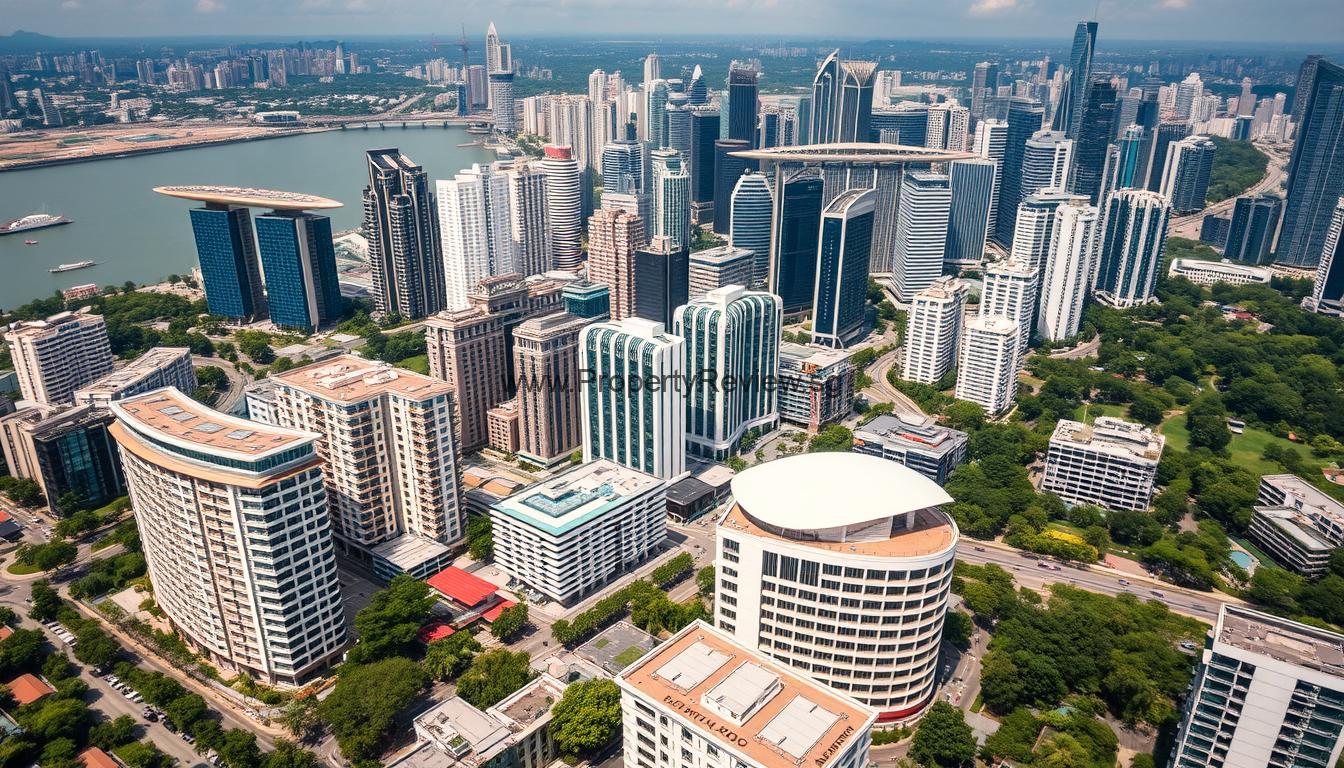
Highlights
- Regional Differentiation: Distinct growth patterns across CCR, RCR, and OCR for both public and private housing segments.
- Market Trends & Projections: Public housing prices exhibit stable, modest growth while private housing is forecast to show higher but more volatile increases.
- Investment Potential: Upsides exist in emerging regions, particularly in RCR and OCR, alongside select pockets within the CCR luxury market.
Introduction
Singapore’s property market has long been a focal point for both domestic and international investors. Given its unique regulatory framework, limited land supply, and ongoing urban redevelopment initiatives, the market trends forecasted for 2025 reflect a careful calibration between sustained demand and controlled growth. In this analysis, we critically assess the future price growth trajectory of public housing (HDB) and private housing across three key regions: the Core Central Region (CCR), the Rest of Central Region (RCR), and the Outside Central Region (OCR).
Our discussion is structured into a series of slides that simulate a comprehensive deck, exploring historical trends, current market dynamics, and future projections. Each segment has been analyzed critically to provide insights for property investors considering long-term opportunities. We discuss not only the price trajectories but also key market drivers and investment upsides, underscoring the importance of regional differences.
Slide 1: Market Overview & Context
Singapore’s Dynamic Property Landscape
Singapore’s property market is shaped by government regulations, policy interventions, and macroeconomic conditions. A unique aspect of the market is its segmentation by geographic regions:
- Core Central Region (CCR): This area features prime locations with strong infrastructure, high-end amenities, and luxury real estate. The market here is characterized by stabilized yet slower growth due to high baseline prices.
- Rest of Central Region (RCR): Representing transitional zones, RCR is witnessing regeneration and urban renewal, aimed at balancing affordability with proximity to the city’s core.
- Outside Central Region (OCR): Often considered the mass market, OCR shows dynamic price behavior primarily due to affordability advantages and burgeoning new developments.
With these sub-markets in mind, investors must consider unique dynamics in the public (HDB) and private sectors, each with its own set of influences and growth trajectories.
Slide 2: Historical Price Trends and Current Trajectories
Comparing Public and Private Housing Over Time
A review of historical data indicates that public housing, particularly HDB properties, have enjoyed steady, moderate growth, while the private housing segment has historically been subject to higher volatility and sharper price increases. These trends are influenced by factors such as governmental cooling measures, demand-supply imbalances, and macroeconomic conditions.
For instance, the Property Price Index (PPI) typically shows HDB prices growing at a rate of 1–2% in synchronization with inflation trends. In contrast, private housing, driven by healthy household finances, favorable borrowing conditions, and foreign investment, is projected to appreciate by 3–4.5%. However, each region exhibits nuanced trends due to local factors such as proximity to business districts (CCR), urban regeneration (RCR), and affordability (OCR).
Chart: Historical Price Trends
The following table synthesizes recent historical data on price trends across the regions for both public and private housing segments:
| Region | Housing Type | Historical Growth Rate (%) | Projected Growth (2025) (%) |
|---|---|---|---|
| CCR | Public (HDB) | ~1-1.5% | ~1% |
| Private | ~2-2.5% | ~3-4% | |
| RCR | Public (HDB) | ~1.5-2% | ~1.5-2% |
| Private | ~3-3.5% | ~3.5-4.5% | |
| OCR | Public (HDB) | ~2-2.5% | ~2-2.5% |
| Private | ~3.5-4% | ~4-4.5% |
Note that the data reflects an average trend; fluctuations in market sentiment, policy changes, and supply constraints can modify these rates. The table outlines the clear baseline that private housing tends to grow at a steeper pace than public housing, albeit with greater sensitivity to external influences.
Slide 3: Public Housing Analysis (HDB)
Core Characteristics and Regional Insights
The public housing market in Singapore, predominantly governed by the HDB scheme, remains a cornerstone of the property landscape. With tight supply controls and demand driven by familial upgrading and first-time buyers, HDB price escalation has been moderate but consistent.
CCR: In the prime central areas, public housing does not dramatically appreciate due to the saturation of premium properties and high existing base values. Recent market stabilization implies that any growth will likely be marginal, aligning with inflation and modest improvements in local amenities.
RCR: The Rest of Central Region benefits from ongoing rejuvenation projects and a steady influx of upgraders aiming for transition into private properties. Here, HDB resale prices have seen a moderate increase as more families look for cost-effective yet centrally located homes.
OCR: Public housing in Outside Central Regions shows moderately higher growth. Affordability remains a key driver and demand from young families remains strong, even if the baseline prices are comparatively lower.
Chart: HDB Resale Price Index Growth
Conceptually, a bar chart for HDB prices would illustrate the differential growth across CCR, RCR, and OCR. The emphasis shows that while CCR remains relatively flat, RCR and OCR enjoy slightly higher growth margins, reflecting both demographic trends and infrastructural developments.
Slide 4: Private Housing Analysis
Dynamic Trends Across Regions
Private housing in Singapore typically comprises condominiums, landed properties, and Executive Condominiums (ECs). Its performance is influenced by macroeconomic factors such as interest rate shifts, household finances, and government cooling measures.
CCR: The Core Central Region is characterized by its high-end real estate offerings. Luxury condominiums and prestigious landed properties in this area cater to affluent buyers, but stringent cooling measures and a high base price tend to temper growth rates. While growth may be moderate, record benchmark launch prices are sometimes observed.
RCR: In the Rest of Central Region, the private housing market benefits from transitional dynamics. A healthy mix of upgraders and mid-market buyers fuels a buoyant resale market. Here, increasing demand paired with accessibility improvements is expected to push property prices upward, sometimes at a higher percentage than CCR.
OCR: The Outside Central Region is where private property offers a particularly attractive upside. Improved connectivity, new housing developments, and rising demand from younger families and first-time buyers—especially in the Executive Condominium segment—are catalysts for a more pronounced price increase.
Chart: Private Property Price Projections
Imagine a multi-line graph with separate trajectories for CCR, RCR, and OCR:
- CCR: More modest yet resilient growth despite high entry prices.
- RCR: Stable ascent reflecting transitional dynamics and increased buyer activity.
- OCR: Faster and more dynamic growth trajectory showing significant potential upside.
Slide 5: Comparative Analysis of Regional Trends
Side-by-Side Price Growth Comparison
For investors and market analysts, a comparative view helps in identifying which areas offer the best balance between risk and reward. The following table provides a side-by-side snapshot of the expected performance over the medium term:
| Criteria | CCR | RCR | OCR |
|---|---|---|---|
| Public Housing Growth | 1-1.5% (Stabilized) | 1.5-2% (Steady) | 2-2.5% (Moderate Upswing) |
| Private Housing Growth | 3-4% (Stable but expensive) | 3.5-4.5% (Vibrant secondary market) | 4-4.5% (Dynamic and high potential) |
| Key Drivers | Luxury demand, cooling measures, limited supply | Urban renewal, upgraded connectivity, desirability among upgraders | Affordability, population growth, new town developments |
This comparative view clearly highlights that while CCR offers resilience and prestige, the growth potential is more robust in RCR and OCR, particularly in the private housing segment where market participants are looking at sustainable gains driven by infrastructural enhancements and balanced supply-demand dynamics.
Slide 6: Economic and Regulatory Influences
Macro and Micro Factors Shaping the Market
The interplay of economic growth, interest rate trajectories, and government policies creates the broader context for Singapore’s property market. In 2025, several factors will have an influential role:
- Interest Rates: With interest rates poised to remain low, borrowing costs are favorable; this boosts market confidence and propels both public and private housing demand. A drop in rates also increases the affordability quotient for new entrants.
- GDP and Employment: Expected GDP growth of around 2.8% supports stable employment levels. This has a knock-on effect on housing demand across all segments, ensuring that the market maintains its buoyancy.
- Government Policies and Cooling Measures: Regulatory measures, such as additional buyer’s stamp duties and mortgage restrictions, are aimed at cooling overenthusiastic markets. While these measures limit explosive price growth in CCR, they can also secure sustainable long-term gains in RCR and OCR.
- Urban Renewal and Infrastructure Development: Continuous improvements in transport connectivity and urban regeneration projects across RCR and OCR are pivotal. Such projects increase the attractiveness of these regions, positively influencing both resale values and new launch prices.
Chart: Impact of Interest Rates on Property Prices
A conceptual line graph could illustrate the inverse relationship between interest rate levels and property price acceleration. Lower rates generally correlate with higher property transactions and moderate appreciation, especially in the private housing segment.
Slide 7: Investment Opportunities and Strategic Considerations
Identifying Upsides for Property Investors
In the context of a balanced yet evolving property market, several avenues present attractive investment opportunities:
- Selecting the Right Segment: For conservative investors, public housing in stable markets like CCR or affordable options in OCR provide dependable, sustained gains. The moderate growth is less volatile, aligning with long-term wealth preservation goals.
- Targeting Emerging Markets: Investors with a higher risk appetite may find RCR and OCR particularly appealing, as these areas are witnessing urban renewal and infrastructural enhancements. This could unlock higher percentage gains, especially in private markets where market dynamics are more flexible.
- Diversification Across Regions: A balanced portfolio that includes a mix of properties across CCR, RCR, and OCR can mitigate risks associated with localized downturns. The contrast between the high-end, resilient CCR market and the catch-up potential of RCR and OCR represents a well-rounded investment strategy.
- Foreign Investment Factors: As Singapore remains a top investment destination in Asia Pacific, sustained demand from international buyers further fuels price growth particularly in private housing. However, regulatory measures such as ABSD are factors to consider when engaging in these markets.
Investors aiming for a slight edge over market averages might also explore newer developments, such as innovative building technologies and eco-friendly property projects, which are increasingly drawing premium valuations.
Table: Investment Upside Areas
| Region | Investment Highlights | Potential Upside |
|---|---|---|
| CCR | High-end luxury properties, stable demand, premium location | Moderate but steady appreciation; niche opportunities in boutique developments |
| RCR | Transitional market, urban renewal, enhanced connectivity | High growth potential as regeneration projects lift market sentiment |
| OCR | Affordable entry-level investments, population growth, new regions | Significant capital gains in the private segment, especially in new launches |
By strategically diversifying across these regions, investors can capture both the stability of established markets and the dynamism of emerging areas. Maintaining a keen eye on policy changes and macroeconomic trends is essential to adjust portfolios over time.
Slide 8: Risks, Challenges, and Mitigation
Navigating Uncertainties in a Dynamic Market
Though ample opportunities exist, the Singapore property market is not without its challenges. Recognizing potential downturn factors is critical for sound investment strategies:
- Regulatory Constraints: Government cooling measures, including additional buyer’s stamp duties (ABSD) for foreign buyers and stricter mortgage guidelines, can slow market momentum, particularly in the CCR luxury segment.
- Economic Uncertainty: Global economic fluctuations and trade tensions might impact investor sentiment. A slowdown in GDP growth or an unexpected rise in interest rates could temper demand, notably in the private market.
- Supply Side Adjustments: Limited new completions, especially in the private sector, may drive prices up but also expose the market to cyclical corrections if demand wanes.
- International Investment Shifts: Changes in foreign investment policies and geopolitical factors could affect the inflow of capital, altering upward price pressures in trendy areas.
Tackling these risks involves proactive monitoring of economic indicators and policy amendments. Furthermore, diversification across segments helps hedge against localized market volatility.
Slide 9: Strategic Recommendations for Investors
A Pragmatic Approach to Capitalizing on Market Dynamics
The balanced outlook for Singapore’s property market in 2025 points to a dual strategy: securing stable assets in prime locations and selectively targeting high-growth regions where market cycles are favorable. The following recommendations emerge from a critical synthesis of market data:
- Diversification: Build a portfolio that includes both resilient assets (such as HDB flats in CCR and select private housing with premium positions) and growth-oriented investments in RCR and OCR.
- Monitoring Policy and Economic Developments: Stay alert to government interventions that might alter market trajectories. Timely adjustments in investment strategy in response to regulatory or macroeconomic shifts can protect capital while positioning for gains.
- Focus on Infrastructure and Urban Renewal: Areas benefiting from significant government infrastructure projects or urban regeneration offer the potential for superior capital appreciation, particularly in private property segments.
- Embrace Technological and Sustainable Trends: Investments in eco-friendly developments and technologically advanced infrastructures are poised to command a premium. This is especially true in regions where new developments are attuned to sustainability trends.
In summary, a calculated, region-specific investment strategy, supported by rigorous due diligence, is recommended. Investors should work with property advisors and leverage market analyses to navigate this multifaceted landscape.
Conclusion
Singapore’s property market in 2025 presents a dichotomy of stability and opportunity. The public housing segment is forecast to grow steadily, mirroring inflation and providing reliable returns, particularly within the CCR, albeit with moderation. In contrast, private housing exhibits a more aggressive growth potential with robust increases in RCR and OCR—a reflection of rising demand, urban renewal initiatives, and improved affordability.
From a strategic investment viewpoint, the choice of region is critical. The CCR remains attractive for those seeking prestige and long-term capital preservation despite slower growth. RCR offers exciting prospects through its transitional nature and infrastructure-led upgrades, while OCR appears most promising for capturing significant gains in both public and private sectors.
In conclusion, a blended investment approach that leverages the stability of established regions and the momentum of emerging areas is recommended for property investors. Combining market data, regional characteristics, economic conditions, and regulatory insights enables a well-informed decision-making process, ultimately fostering a balanced and resilient property portfolio.
References
- Will Singapore Property Prices Continue to Soar in 2025? - PropertyReview.sg
- Opportunities and Challenges in Singapore Property Market in 2025 - PropertyReview.sg
- What to expect in Singapore's Residential Property Market in 2025 - Singapore Business Review
- Forging Ahead with Confidence in 2025: Property Market Outlook with Ismail Gafoor - PropNex
- 2025 Singapore Real Estate Market Outlook - CBRE Singapore
- Asia Pacific Real Estate Market Outlook 2025 - CBRE
- Real estate market facing mixed signals going into 2025 - Yahoo News
- Best Countries to Invest in Real Estate in 2025 - InvestAsian
Recommended Queries
Last updated February 20, 2025