
Sinhala History Overview
A detailed exploration of the Sinhalese people and their enduring legacy in Sri Lanka
Key Highlights
- Ancient Origins and Migration: The legend of Prince Vijaya as the founding figure combined with Indo-Aryan influences.
- Cultural Flourishing: The establishment of early kingdoms, the rise of Buddhism, and the evolution of the Sinhala language.
- Periods of Conflict and Resilience: Experiences under South Indian, colonial, and modern political challenges including civil strife.
Overview of Sinhala Historical Development
The history of the Sinhalese people is a long and multifaceted tale that weaves together oral traditions, ancient chronicles, and the evolving socio-political landscape of the island of Sri Lanka. Centered on the legendary figure of Prince Vijaya who led his followers from North India around the 5th century BCE, Sinhala history not only reflects the origins of an Indo-Aryan migration but also the establishment of a civilization that would later be shaped profoundly by Buddhism, indigenous developments, and interactions with foreign cultures.
Origins and Early Foundations
The Legend of Prince Vijaya
According to ancient chronicles such as the Mahavamsa and Dipavamsa, the Sinhalese heritage is traced back to the arrival of Prince Vijaya and his band of followers in the 5th century BCE. This narrative is not merely a mythological account but also a foundational legend that informs the identity of the Sinhala people. The story describes how Vijaya, exiled due to his misfortunes and eventual banishment from his native land, arrived on the shores of Sri Lanka and laid the foundations for what would become the first Sinhala kingdom.
Indo-Aryan Influences
The settlers led by Vijaya were part of a broader Indo-Aryan movement from northern India which brought with them linguistic, cultural, and technological innovations. As these migrants settled on the island, they amalgamated their traditions with indigenous practices. This blend was crucial in setting the stage for the subsequent evolution of culture, language, and governance in the region.
Formation and Expansion of Sinhala Kingdoms
Early Kingdoms and the Kingdom of Tambapanni
Upon their arrival, the early settlers established multiple small principalities, eventually coalescing into more centralized kingdoms. The Kingdom of Tambapanni, established by Prince Vijaya around 543 BCE, marks one of the earliest recorded political entities on the island. As the initial kingdom took root, successive kingdoms emerged, each marked by its own administrative centers, cultural advancements, and complex relationships with neighboring regions.
Anuradhapura Period
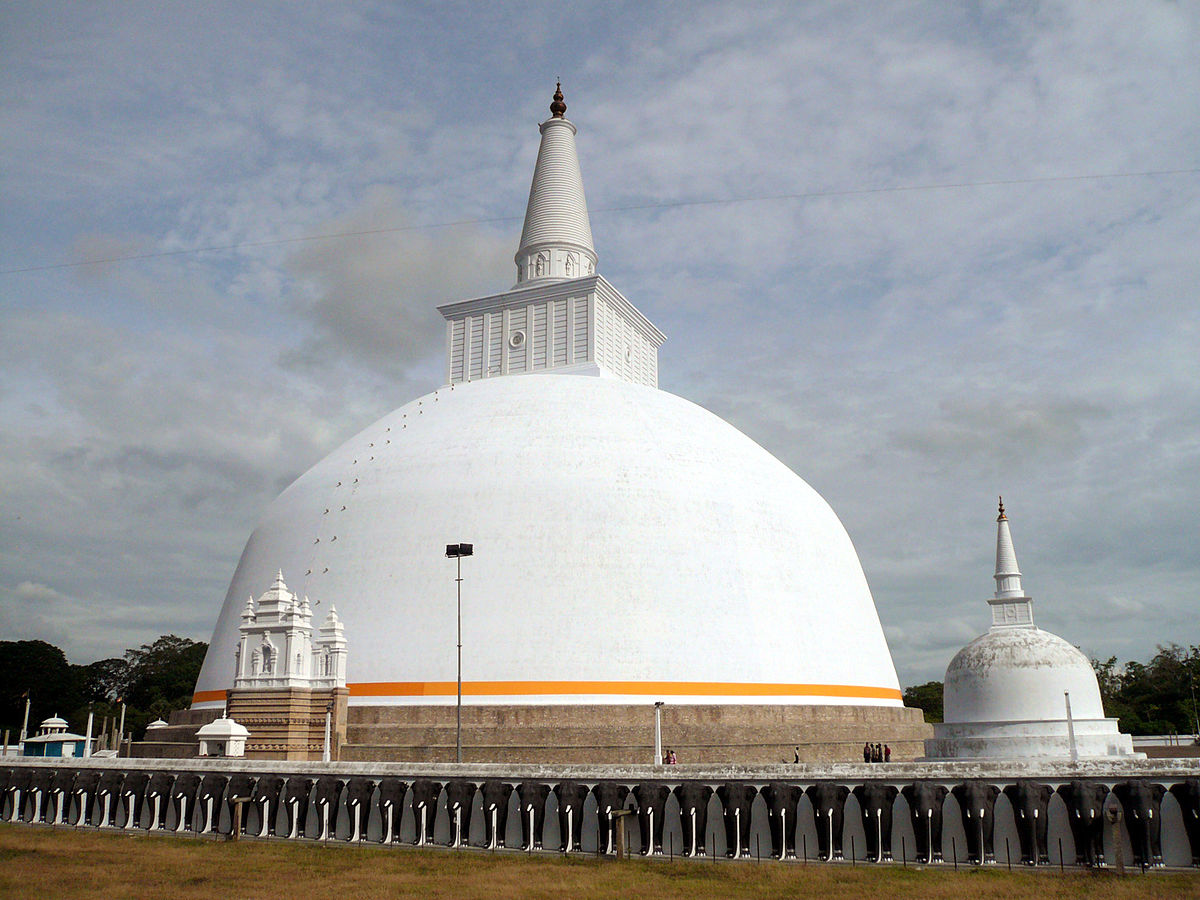
One of the most defining epochs in Sinhala history is the Anuradhapura period, which began in the 3rd century BCE and lasted until the 10th century CE. This era is celebrated as a time of extraordinary state formation, infrastructural development, and religious transformation. Anuradhapura, as a city and kingdom, became a major center of political power and Buddhist practice. The introduction of Buddhism—traditionally linked to the missionary work of Mahinda, a figure believed to have arrived around 260 BCE—transformed both the spiritual and cultural landscape of the island. Buddhist monasteries and stupas constructed during this period remain as monumental testaments to early Sinhalese civilization.
Polonnaruwa and Chola Invasions
Following the decline of Anuradhapura, the Polonnaruwa period emerged as another significant chapter. From the 11th to the 13th centuries CE, the kingdom of Polonnaruwa exemplified cultural and technological advances, especially in agriculture and irrigation. However, this period was also marked by external pressures. Notably, the Chola Empire from South India launched invasions that deeply influenced the dynamics on the island. These events led to political fractures and a reorganization of power, with the influence of South Indian cultures becoming palpable in certain regions.
Kandyan Kingdom
The Kandyan period, which spanned from the late 16th century until 1815, represents the last phase of independent Sinhalese rule before colonial interventions. The Kingdom of Kandy, nestled in the island's central highlands, managed to retain a distinct cultural identity even while facing pressures from Portuguese, Dutch, and British colonial forces. This period is remembered for the strategic resistance mounted by its rulers to preserve sovereignty and maintain the cultural heritage of the Sinhala people.
Cultural and Linguistic Developments
Role of Buddhism
The introduction and subsequent propagation of Buddhism played a transformative role in shaping Sinhalese culture. Beginning with the arrival of Buddhist missionaries, Buddhism quickly took root as the core of Sinhalese societal values, ethics, and worldviews. Over centuries, Buddhist teachings influenced art, literature, and even governance. Religious festivals, rituals, and the construction of significant stupas and temples spoke to the deep integration of spirituality and everyday life. Buddhism not only unified the people in their rites and practices but also left a lasting legacy that is still perceptible in modern Sri Lanka.
Evolution of the Sinhala Language
The Sinhala language is an essential marker of ethnic identity and cultural unity. Originating from the Indo-Aryan dialects of its early settlers, the language has evolved over centuries under the influence of various cultures and political regimes. Elu Prakrit, which flourished in ancient times, served as a precursor to modern Sinhala. Over time, interactions with Dravidian languages and the impact of European colonial languages further shaped its vocabulary, grammar, and syntax. Today, the Sinhala language remains a vibrant medium of communication, literature, and cultural expression among the Sinhalese.
Architectural and Artistic Achievements
Monastic Complexes and Stupas
Architectural advancements in ancient Sri Lanka are best exemplified by the grand stupas, monastic complexes, and water management systems built during the Anuradhapura and Polonnaruwa periods. These structures served both as religious landmarks and as community centers that fostered social, educational, and economic development. The intricate carvings, innovative engineering feats, and the symbolic importance of these constructions have left an indelible mark on the island’s landscape.
Art and Literature
The literary traditions of the Sinhalese have evolved alongside their oral folklore. Historical chronicles like the Mahavamsa and Dipavamsa not only record historical events but also serve as literary works that convey moral and ethical lessons. Oral traditions, folk songs, and dance forms have also enriched the cultural legacy of the Sinhalese, preserving historical narratives and communal identities.
Periods of Conflict and Modern Transformation
Colonial Encounters
The arrival of European colonial powers in the 16th century marked a pivotal turning point in the history of the Sinhala people. Beginning with the Portuguese, followed by the Dutch and the British, colonization brought significant changes. These external forces restructured the political economy, redefined social hierarchies, and introduced new administrative systems. Despite the profound impacts of colonial rule, many traditional aspects of Sinhalese society continued to endure, adapting in ways that preserved their cultural core while also integrating elements of European influence.
Post-Colonial Challenges and the Civil War
After gaining independence in 1948, the political landscape in Sri Lanka became increasingly complex. The struggle to forge a unified national identity was compounded by ethnic and religious differences between the Sinhalese-majority and other minority communities, primarily the Tamils. This discord eventually escalated into a protracted civil war that lasted from 1983 to 2009. The conflict had deep implications for state policy, social cohesion, and the collective consciousness of the nation. Although the war ended with the defeat of the LTTE (Liberation Tigers of Tamil Eelam), the legacy of the conflict continues to shape contemporary political and cultural dynamics.
Re-establishing Identity in the Modern Era
In recent decades, Sri Lanka has sought to balance its multifaceted history by embracing both its ancient heritage and the imperatives of modernization. Efforts to revive and foster Sinhalese cultural traditions are evident in the promotion of traditional arts, festivals, and the education system. These measures, together with an emphasis on reconciliation and national unity, underscore the resilience of the Sinhalese identity in a rapidly changing world.
Comparative Timeline of Sinhala Kingdoms
| Period | Timeframe | Key Features |
|---|---|---|
| Early Settlement | 5th century BCE | Legend of Prince Vijaya; Initial Indo-Aryan migration |
| Tambapanni Kingdom | 543 BCE onwards | Establishment of initial kingdom; Formation of cultural identity |
| Anuradhapura Period | 3rd century BCE to 10th century CE | Flourishing of Buddhist practice; Monumental architecture and irrigation |
| Polonnaruwa Period | 11th to 13th century CE | Advanced agricultural systems; Impact of Chola invasions |
| Kandyan Period | 1597–1815 CE | Last independent kingdom; Resistance against colonial forces |
| Colonial Era | 16th century to mid-20th century | Portuguese, Dutch, and British influences; Socio-political transformation |
| Modern Era | Post-1948 | Independence, civil conflict, and cultural revival |
Key Transformations and Legacies
Religious Transformation and Social Cohesion
The adoption of Buddhism has been arguably the most unifying force in Sinhala history. It interwove the spiritual, ethical, and artistic realms of society, creating a cohesive cultural fabric that has allowed the Sinhalese to navigate periods of conflict, external subjugation, and internal transformation. Buddhist institutions, which were central to education and community governance, facilitated the accumulation and dissemination of knowledge and traditions, nurturing a sense of collective identity and purpose.
Cultural Syncretism and Adaptation
Over centuries, the Sinhalese have demonstrated remarkable adaptability. Their culture has been enriched by Indian traditions, indigenous innovations, and even the imprints of colonial powers. This process of cultural syncretism is evident not only in language and religion, but also in art, literature, and architecture. The resiliency of the Sinhalese cultural identity is manifested in how traditional festivals, rituals, and no less pronounced communal values have persisted even in the modern political era.
Educational and Intellectual Heritage
The classical texts and chronicles of the Sinhalese people, documented in works such as the Mahavamsa and Dipavamsa, have long provided the intellectual underpinnings of Sinhalese identity. Besides recording historical events, these works offer insights into ethics, governance, and the metaphysical outlook of ancient Sri Lanka. The legacy of these texts contributes to an enduring educational tradition that continues to inspire contemporary literary and historical scholarship.
Modern Reflections and Ongoing Debates
The Impact of the Civil War and Reconciliation
The turbulent phase marked by the civil war has left enduring scars on Sri Lanka’s political and cultural landscape. The conflict between the Sinhalese-dominated government and Tamil separatist rebels has provoked intense debates on nationalism, ethnicity, and state formation. In the post-war era, efforts aimed at reconciliation, truth-telling, and restoring communal harmony have sought to bridge historical divisions. While these processes remain challenging, they are critical in forging an inclusive national narrative that respects the diverse contributions of all communities.
Challenges and Opportunities in a Globalized World
In the rapidly globalizing modern era, the Sinhala people face both challenges and opportunities. Globalization has brought with it enhanced access to information, cross-cultural interactions, and economic integration. However, it has also raised concerns about the potential erosion of traditional cultural practices. Amid these dynamics, there is a growing movement to document, preserve, and celebrate the unique aspects of Sinhalese heritage. Educational reforms, cultural festivals, and digital archiving projects are among the initiatives that aim to maintain the vibrancy of the Sinhalese identity while fostering dialogue with the broader global community.
References
- History of Sri Lanka - Wikipedia
- History of Sri Lanka - Britannica
- The Sinhala Dynasties for Unit 1 of AP World History - The Productive Teacher
- Sinhalese - Summary - eHRAF World Cultures
- A Brief History of Sri Lanka - Local Histories
Recommended Further Queries
Last updated March 16, 2025