
Unlock the Secrets of Effective Communication: Mastering the 6 Personality Types
Discover how understanding the six personality types can transform your communication skills and improve relationships.
Key Highlights of Process Communication Model (PCM)
- Six Distinct Personality Types: The Process Communication Model (PCM) identifies six core personality types—Persévérant (Perseverer), Travaillomane (Workaholic/Thinker), Empathique (Empathizer), Promoteur (Promoter), Rêveur (Dreamer/Imaginer), and Rebelle (Rebel/Energizer)—each with unique communication styles and needs.
- Understanding Stress Responses: PCM highlights how each personality type responds to stress, providing insights into preventing miscommunication and conflict by addressing unmet psychological needs.
- Tailored Communication Strategies: By recognizing your personality type and those of others, you can adapt your communication approach to foster better understanding, collaboration, and stronger relationships.
Decoding the Six Personality Types in Communication
Effective communication hinges on understanding the diverse ways people perceive and interact with the world. The Process Communication Model (PCM), developed by psychologist Taibi Kahler, offers a valuable framework for recognizing and adapting to different personality types. This model identifies six distinct personality types that influence how individuals communicate, respond to stress, and build relationships. By understanding these types, you can tailor your communication strategies to create more meaningful and productive interactions.
The Foundation of Process Communication Model (PCM)
The Process Communication Model (PCM) is a communication and personality model developed in the 1970s by Taibi Kahler, a psychologist specializing in transactional analysis. Originally, PCM was used by NASA to screen astronaut candidates and assemble high-performing teams by helping to avoid sending "time bombs" into space. Over the past thirty years, more than 130,000 people in France have been trained in process communication. The fundamental concept of PCM is that everyone has all six personality types within them, but one or two are more dominant and influential.
PCM suggests that each person has a unique personality structure comprised of these six types, visualized as a "condominium" where each floor represents a different personality type. The base is the most developed type and remains constant throughout life, while the "phase" is the personality type that is actively influencing behavior at a particular time. This active phase can change based on life experiences and circumstances.
The Six Personality Types Defined
The Process Communication Model (PCM) delineates six distinct personality types, each characterized by specific strengths, weaknesses, communication preferences, and stress responses. Recognizing these types enables tailored communication strategies that foster understanding and collaboration. Here's an in-depth look at each type:
1. The Empathique (Empathizer)
Characteristics: Empathizers are warm, compassionate, and sensitive individuals who prioritize feelings and harmony in their interactions. They excel at creating supportive environments and are attuned to the emotional needs of others.
Communication Style: They communicate best through warmth and genuine expression of feelings. They value personal connections and appreciate when others acknowledge their emotions.
Strengths: Creating harmonious relationships, providing emotional support, and fostering a positive atmosphere.
Potential Weaknesses: May avoid conflict, take things personally, and struggle with assertiveness.
Existential Question: "Am I loveable?"
2. The Travaillomane (Workaholic/Thinker)
Characteristics: Thinkers are logical, organized, and responsible individuals who value efficiency and accuracy. They approach situations analytically and prefer clear, factual communication.
Communication Style: They respond well to direct, concise information and appreciate when others are prepared and organized.
Strengths: Problem-solving, organization, and attention to detail.
Potential Weaknesses: May become overly critical, struggle with spontaneity, and prioritize tasks over relationships.
Existential Question: "Am I capable?"
3. The Persévérant (Perseverer)
Characteristics: Perservers are dedicated, observant, and value-driven individuals who are committed to their beliefs and principles. They seek validation for their opinions and appreciate recognition for their hard work.
Communication Style: They prefer to engage in meaningful discussions about values and opinions. They respond positively to acknowledgment and respect for their convictions.
Strengths: Loyalty, dedication, and advocacy for important causes.
Potential Weaknesses: May become rigid in their beliefs, critical of others, and resistant to change.
Existential Question: "Am I right?"
4. The Promoteur (Promoter)
Characteristics: Promoters are persuasive, adaptable, and charming individuals who thrive in fast-paced environments. They are skilled at negotiation and enjoy taking risks.
Communication Style: They are direct and persuasive communicators who appreciate excitement and recognition. They respond well to opportunities for advancement and challenge.
Strengths: Negotiation, persuasion, and adaptability.
Potential Weaknesses: May become manipulative, impulsive, and disregard rules.
Existential Question: "Am I alive?"
5. The Rêveur (Dreamer/Imaginer)
Characteristics: Dreamers are calm, imaginative, and reflective individuals who need clear direction and space to work independently. They excel at creative tasks and appreciate a supportive environment.
Communication Style: They prefer clear, concise instructions and minimal interruptions. They appreciate when others respect their need for solitude and provide encouragement.
Strengths: Creativity, imagination, and focus.
Potential Weaknesses: May become withdrawn, unmotivated, and indecisive without clear guidance.
Existential Question: "Am I wanted?"
6. The Rebelle (Rebel/Energizer)
Characteristics: Rebels are spontaneous, creative, and playful individuals who thrive on fun and excitement. They enjoy brainstorming and prefer a flexible, unstructured environment.
Communication Style: They respond well to humor, playfulness, and spontaneity. They appreciate when others engage them in creative activities and avoid rigid rules.
Strengths: Creativity, enthusiasm, and problem-solving through innovation.
Potential Weaknesses: May become disruptive, impulsive, and resistant to authority.
Existential Question: "Am I funny?"
Applying PCM for Enhanced Communication
Understanding the six personality types can significantly improve communication in various settings. By recognizing the communication preferences and potential stressors of each type, you can adapt your approach to foster better understanding and collaboration. The following table summarizes key aspects of each personality type to facilitate effective interaction:
| Personality Type | Key Characteristics | Communication Style | Needs | Stressors |
|---|---|---|---|---|
| Empathique (Empathizer) | Compassionate, sensitive, warm | Warm, supportive, personal | Recognition of feelings, emotional connection | Conflict, insensitivity, lack of appreciation |
| Travaillomane (Workaholic/Thinker) | Logical, organized, responsible | Clear, factual, concise | Clear instructions, recognition of competence | Incompetence, disorganization, inefficiency |
| Persévérant (Perseverer) | Dedicated, observant, value-driven | Meaningful, respectful, value-oriented | Validation of opinions, recognition of dedication | Disrespect, disregard for values, unfairness |
| Promoteur (Promoter) | Adaptable, persuasive, charming | Direct, exciting, challenging | Excitement, challenge, recognition of success | Boredom, lack of opportunity, micromanagement |
| Rêveur (Dreamer/Imaginer) | Calm, imaginative, reflective | Clear, concise, minimal interruption | Clear direction, space for independent work | Ambiguity, interruptions, lack of support |
| Rebelle (Rebel/Energizer) | Spontaneous, creative, playful | Humorous, playful, flexible | Fun, excitement, creative expression | Rigidity, boredom, excessive rules |
Visualizing Communication Styles
Visual aids can be powerful tools for understanding and remembering different communication styles. Here are some images that represent various aspects of communication and personality traits.


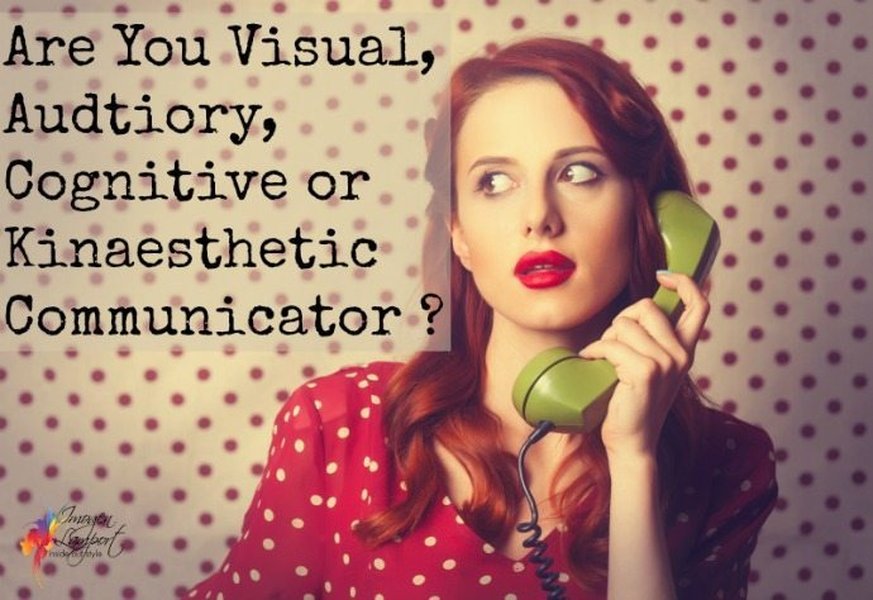


These images illustrate the diversity in communication preferences, highlighting the importance of adapting your style to connect effectively with others. Recognizing visual cues, understanding body language, and being aware of different interaction styles are crucial for successful communication.
Video Explanation of the Process Communication Model
This video provides an overview of the six personality types within the Process Communication Model. It explains the core characteristics, communication styles, and potential stressors associated with each type. Understanding these elements can greatly enhance your ability to connect and communicate effectively with diverse individuals, fostering stronger relationships and more productive interactions.
FAQ: Understanding the Six Personality Types in Communication
References
 phgarin.wordpress.com
Last updated April 10, 2025