
Chapter 3: How Sleep Duration Affects Academic Performance Among High School Students
Exploring the mechanisms, methodology, and cognitive impact of sleep habits
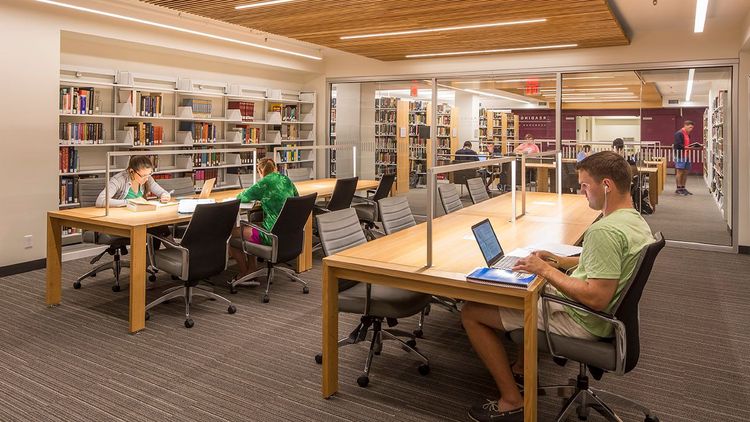
Key Highlights
- Optimal Sleep: Maintaining 8–10 hours of quality sleep leads to improved cognitive function and academic achievement.
- Cognitive Mechanisms: Sleep is crucial for memory consolidation, attention, decision-making, and problem-solving skills.
- Methodological Rigor: Robust quantitative methods and consistent data collection ensure reliable insights into the sleep–academic performance relationship.
Introduction
High school students today face a myriad of academic challenges, from demanding curricula to extracurricular commitments. Amid these challenges, proper sleep duration is emerging as a key determinant of academic performance. Chapter 3 synthesizes a comprehensive analysis of how sleep duration impacts high school academic outcomes, addressing both the underlying cognitive processes and the methodological approach to studying this dynamic topic. This chapter delves into the scientific mechanisms, detailed research methodology, and quantitative evidence that underscore the significance of sufficient sleep in supporting academic excellence.
Section 1: The Impact of Sleep Duration on Cognitive Mechanisms
Cognitive Processing and Sleep
Sleep plays an integral role in cognitive processing by allowing the brain to perform necessary functions that support learning and information retention. During sleep, particularly in the deep sleep and rapid eye movement (REM) stages, the brain consolidates memory and reorganizes neural networks for enhanced cognitive efficiency. Adequate sleep ensures that high school students can effectively integrate new information from their daily lessons. Several key cognitive functions are directly influenced by sleep duration:
Memory Consolidation
One of the most critical functions influenced by sleep is memory consolidation. During sleep, the brain processes and stabilizes the information acquired over the day. This process converts short-term memory to long-term memory, making it an essential function for academic success. Insufficient sleep disrupts this process, resulting in inefficient encoding and recall of educational materials, thereby impairing students’ ability to perform well during exams and class assessments.
Attention and Concentration
Adequate sleep is fundamental for sustained attention in the classroom. Students who regularly experience sleep deprivation often find it challenging to maintain focus and concentration, which are prerequisites for effective learning. Diminished attention leads to greater distractibility, making it difficult to engage fully with lectures, assignments, and group discussions. This lack of focus often culminates in lower academic performance and increased school-related behavioral problems.
Executive Function and Decision-Making
The prefrontal cortex, responsible for higher-order cognitive tasks such as planning, problem-solving, and decision-making, is highly sensitive to changes in sleep duration. Sleep is crucial for the maintenance of these executive functions. When sleep is inadequate, the reduced prefrontal cortex activity can lead to impulsivity, poor judgment, and an inability to cope effectively with challenging academic tasks.
Emotional and Behavioral Regulation
Alongside cognitive performance, sleep significantly affects emotional regulation and mood. Adolescents with chronic sleep deprivation are more prone to mood swings, anxiety, and depressive symptoms. These emotional effects can further exacerbate academic difficulties, as an unstable mood can diminish a student’s motivation, participation, and overall engagement in academic activities.
Section 2: Research Methodology
To empirically investigate the relationship between sleep duration and academic performance among high school students, researchers have designed rigorous methodologies. This section outlines the quantitative approach using validated instruments, stratified sampling methods, and statistical analysis to yield trustworthy insights into this relationship.
Research Design
A quantitative correlational research design is most suitable for exploring how variations in sleep duration are associated with differences in academic performance. This design does not require manipulation of the independent variable (i.e., sleep duration) but instead facilitates observation of natural sleep patterns and their impacts on academic outcomes.
Quantitative Approach
The use of a quantitative approach allows for the collection of numerical data regarding sleep duration and academic performance metrics, such as GPA or standardized test scores. By applying statistical tools, including Pearson’s correlation and regression analyses, researchers can determine the strength, direction, and significance of the relationship between sleep and academic results.
Sampling Strategy
The target population for such research comprises high school students from diverse backgrounds in terms of age, gender, socioeconomic status, and academic history. A stratified random sampling method is employed to ensure that the sample accurately represents the population’s diversity. This method minimizes bias and increases generalizability by segmenting the population based on specific strata (such as grade level or school district) and selecting random participants from each segment.
Data Collection Instruments
The data collection process typically involves administering a detailed sleep duration questionnaire, which covers average nightly sleep, sleep quality, bedtime routines, and external factors (e.g., technology use) that may impact rest. In addition to self-reported sleep data, academic performance is tracked using validated records like GPA and standardized test scores acquired through school administrations. Validated instruments and expert-reviewed questionnaires assure content and construct validity, while a pilot study is used to test and refine these measurement tools.
Ethical Considerations
Ethical protocols are fundamental in research involving minors. Institutional Review Board (IRB) approval is obtained along with informed consent from parents or legal guardians and assent from the students. To protect privacy, unique identification codes replace personal identifiers, and data is stored securely under strict confidentiality policies.
Data Analysis
After rigorous cleaning and preparation of the collected data, statistical software such as SPSS or R is used to perform descriptive and inferential analyses. Descriptive statistics (mean, median, and standard deviation) summarize the central trends of sleep hours and academic scores. Subsequent correlational analysis quantifies the association between sleep duration and academic performance. Moreover, multiple regression analysis may be applied to control for confounding variables like socioeconomic status and extracurricular commitments, providing a more nuanced understanding of the predictive power of sleep habits on academic outcomes.
Table: Summary of Research Methodology and Key Data Points
| Aspect | Description |
|---|---|
| Research Design | Quantitative correlational study |
| Target Population | High school students across diverse strata |
| Sampling Method | Stratified random sampling |
| Data Collection | Self-report questionnaires, GPA records, standardized test scores |
| Key Statistical Analyses | Descriptive statistics, Pearson’s correlation, multiple regression, ANOVA |
| Ethical Review | IRB approval, informed consent, confidentiality maintained |
Section 3: Synthesizing Evidence on Sleep Duration and Academic Performance
The positive correlation between sufficient sleep duration and academic performance is supported by extensive research. Empirical evidence consistently shows that high school students who obtain the recommended 8–10 hours of sleep per night are more likely to enjoy better academic outcomes than their sleep-deprived peers. This section expounds on the multifaceted ways in which sleep duration influences academic success.
Direct Impacts on Academic Skills
Research indicates that sleep quantity and quality are directly correlated with several key academic skills essential for success in high school. These skills include:
Homework Completion and Engagement
Students with adequate sleep are more capable of managing their homework and staying engaged in class. The enhanced cognitive alertness obtained from sufficient sleep boosts their ability to focus on task completion and to participate actively in classroom discussions.
Grades and Academic Achievement
Sufficient sleep is closely linked to higher grades. Studies have demonstrated that students who consistently get enough sleep tend to achieve higher GPAs and perform better on standardized tests. In contrast, sleep-deprived students often battle with diminished concentration and memory issues that directly translate into poorer academic results.
Handling Stress and Cognitive Load
The high academic demands placed on high school students require effective stress management and the capability to handle significant cognitive load. By allowing the brain time to recover and process the day's information, proper sleep reinforces mental resilience. Students are thus better equipped to endure pressures related to assignments, examinations, and extracurricular responsibilities.
The Influence of Technological Habits
In the modern educational landscape, technology plays a dual role. On one hand, digital tools provide valuable learning resources; on the other, excessive use of devices—especially late at night—can interfere with sleep quality. Blue light emitted from screens disrupts circadian rhythms and delays the onset of sleep, thereby reducing total sleep time. High school students who regularly engage with technology before bedtime may thus experience:
Delayed Bedtimes
Late-night screen exposure often leads to delayed bedtimes. This delay reduces overall sleep duration, making it challenging for students to reach the optimal amount of sleep needed for cognitive rejuvenation.
Reduced Sleep Quality
Even if the sleep duration seems adequate, the quality of sleep may suffer due to disruptions in the sleep cycle. Poor sleep quality results in less time spent in the restorative phases of sleep, further impairing cognitive functions essential for high academic performance.
Section 4: Implementation and Recommendations for Stakeholders
Given the compelling link between sleep duration and academic success, it is imperative for key stakeholders—students, parents, educators, and policymakers—to take active roles in promoting healthy sleep habits among high school students. This section offers practical strategies and recommendations.
For Students
Prioritize Sleep
Students should recognize the critical role of sleep in bolstering academic performance and overall well-being. They can benefit from setting and adhering to a consistent bedtime routine that allows for 8–10 hours of sleep per night.
Minimize Technology Use
Limiting screen time, particularly prior to bedtime, can help reduce disruptions to the sleep cycle. Establishing a technology curfew can be an effective measure in preserving sleep quality.
Create a Conducive Sleep Environment
A calm, dark, and quiet sleep environment reduces disturbances and enhances the quality of sleep. Attention to bedroom ergonomics and comfort will further promote better sleep habits.
For Parents and Educators
Facilitate Awareness and Education
Parents and educators can play a proactive role by raising awareness about the importance of sleep. Educational sessions and workshops can help students understand the vital connection between sleep and cognitive performance.
Advocate for Healthy School Schedules
Advocating for later school start times and more flexible academic schedules can help ensure that students receive sufficient sleep. By minimizing early morning demands, schools can contribute to improved sleep patterns and overall student well-being.
Monitor and Support Students
Regular monitoring of students’ sleep patterns and academic performance can help identify those at risk of sleep deprivation. Educators and school counselors can provide additional support and resources for students who struggle to balance academic demands with healthy sleeping habits.
For Policymakers
Implement Evidence-Based Reforms
Policymakers should consider the robust body of research linking sleep and academic performance when formulating educational policies. By integrating sleep health into education and public health agendas, policies can be designed to foster environments that support both learning and overall health.
Invest in Research and Programs
Investment in further research and the development of school-based programs that emphasize sleep hygiene can yield long-term benefits. These initiatives should focus on disseminating best practices and creating supportive frameworks within educational institutions.
Conclusion and Final Thoughts
In conclusion, the relationship between sleep duration and academic performance among high school students is both profound and multifaceted. Adequate sleep, particularly in the range of 8 to 10 hours per night, is essential for fostering optimal cognitive functioning, memory consolidation, attentiveness, and overall academic achievement. This chapter has provided an in-depth analysis of the cognitive mechanisms impacted by sleep, detailed the quantitative methodologies that underpin current research, and synthesized empirical evidence that confirms the vital role sleep plays in academic success.
The evidence demonstrates that sleep affects major cognitive domains including memory, executive function, attention, emotional regulation, and the ability to handle academic stress. It also reveals that modern technological habits pose significant challenges to achieving sufficient sleep among high school students. As such, stakeholders at all levels—students, parents, educators, and policymakers—must collaborate to advocate for and implement strategies that promote healthy sleep habits. By adhering to these recommendations and fostering environments that prioritize sleep, high school students can enhance their academic performance and overall well-being. This comprehensive analysis underscores the need for continued research and targeted interventions in educational settings to better address the pervasive issue of sleep deprivation.
References
- Irregular Sleep and Late Bedtime Study - NIH
- Sleep Facts and Stats - CDC
- Sleep Quality and Academic Performance - npj Science of Learning
- High School Sleep Study - University of Oregon
- Sleep is Key to Success - AASM
Recommended Queries for Further Exploration
Last updated February 20, 2025