
Review of Related Literature (RRL)
Exploring Sleep Deprivation and Its Impact on Academic Performance in Senior High School
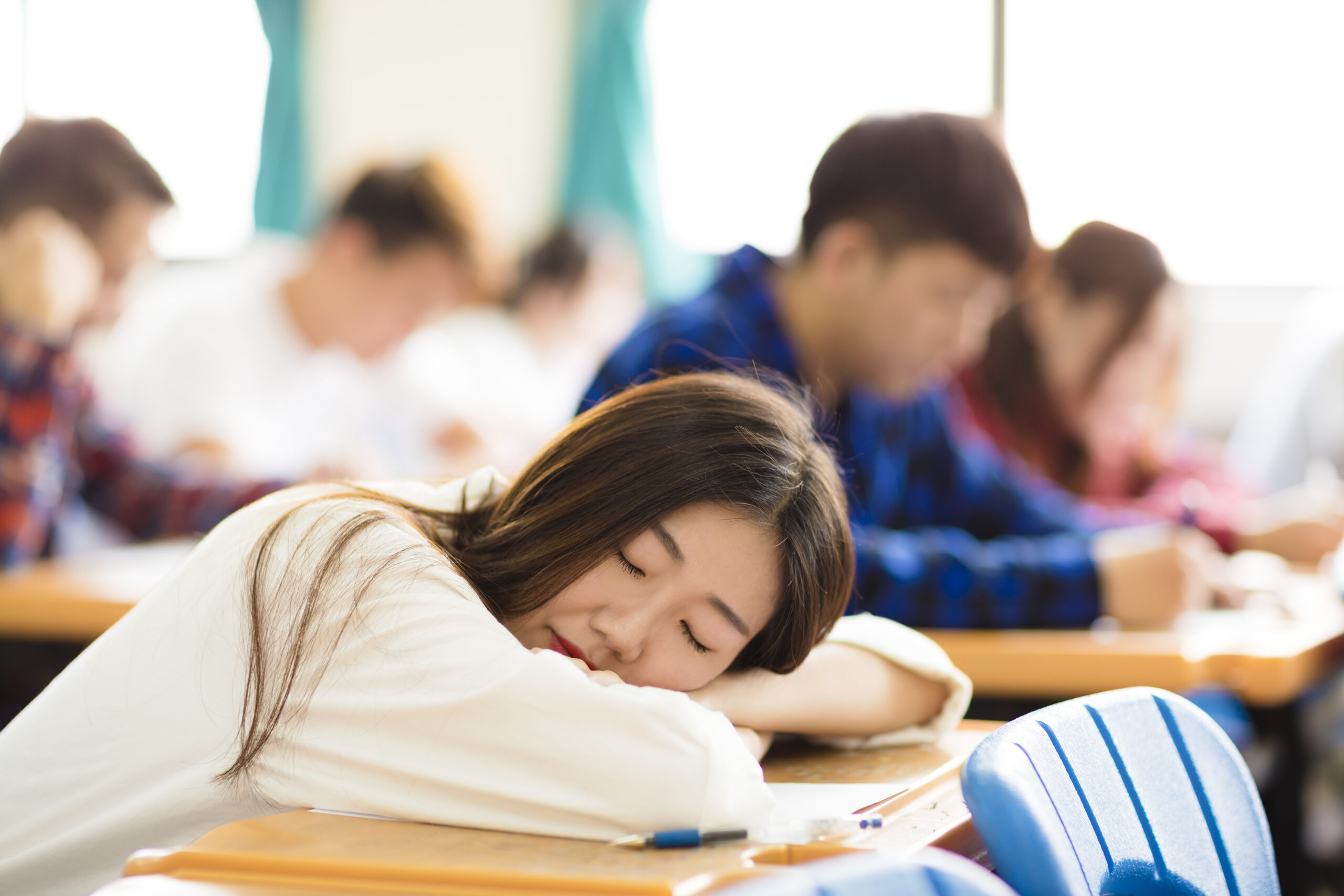
Key Highlights
- Academic Performance Decline: Sleep deprivation negatively affects concentration, memory, and overall classroom engagement, leading to lower academic outcomes.
- Biological and Environmental Factors: Irregular sleep patterns, excessive academic workload, digital distractions, and stress are central contributors.
- Intervention Possibilities: Strategies including improved time management, sleep hygiene education, and curriculum adjustments can help alleviate detrimental effects.
Introduction
In senior high school, students are at a pivotal developmental stage where academic performance is heavily linked to cognitive and physical well-being. One pressing issue that has caught the attention of educators, researchers, and policymakers alike is sleep deprivation. Numerous studies have examined the multifaceted impact of inadequate sleep on students, revealing that consistent sleep loss is not only common but also highly detrimental to academic success. This review of related literature synthesizes a range of findings on the topic "The Impacts of Sleep Deprivation on Academic Performance of Senior High Students" to provide a comprehensive overview of the current state of research, the factors contributing to sleep deprivation, and the subsequent effects on academic performance.
Causes of Sleep Deprivation
Academic Workload and Homework
One of the primary factors leading to sleep deprivation in senior high students is the excessive academic workload. Many students are compelled to complete homework assignments and study late into the night, resulting in insufficient sleep hours. Research indicates that the pressure to excel academically encourages students to sacrifice sleep time, negatively affecting their overall learning preparedness and classroom attention.
Irregular Sleep Patterns
Adolescents naturally tend toward later sleep times due to biological predispositions. However, early school start times combined with irregular sleep schedules can disrupt their sleep cycles significantly. Findings suggest that students who maintain inconsistent sleep patterns, such as staying up late during weekdays and attempting to catch up on weekends, face a misalignment in their sleep/wake cycles which can further impair cognitive performance. This inconsistency is a recognized factor in inefficient sleep and consequent daytime tiredness.
Stress and Environmental Factors
Beyond academic stress, other factors compound the problem of sleep deprivation. For instance, increased stress from personal and social expectations, digital distractions (such as prolonged use of smartphones and social media), and even the challenges brought on by the COVID-19 pandemic, play considerable roles in disturbing sleep habits. The high-stress environment of senior high school often results in anxiety and physiological changes that impede the onset of quality sleep.
Digital Distractions and Late-Night Activities
The proliferation of digital devices and easy access to online entertainment contribute significantly to delayed bedtimes in teenagers. Exposure to blue light from screens interferes with the body's circadian rhythm by reducing natural melatonin production. Furthermore, the engaging nature of online content draws students into late-night usage patterns, thereby reducing the number of hours available for restorative sleep.
Effects on Academic Performance
Cognitive Impairment
The literature clearly establishes a strong association between sleep deprivation and cognitive decline in adolescents. Sleep is critical for memory consolidation, learning, and problem-solving, and its shortage hampers the brain's ability to process and store new information. Most studies report that students experiencing insufficient sleep have reduced attention spans and slower reaction times, impairing their classroom participation and learning efficiency.
Impact on Grades and Classroom Engagement
Empirical studies have linked reduced sleep hours with lower academic performance. Specifically, research has consistently shown that students who sleep less tend to achieve lower grades in subjects such as mathematics, reading, and writing. The decreased ability to concentrate, combined with increased daytime sleepiness and fatigue, leads to lower overall classroom engagement, meaning that sleep-deprived students are less likely to perform optimally in academic tests and assignments.
Behavioral and Emotional Consequences
In addition to cognitive decline, sleep deprivation can lead to significant emotional and behavioral disruptions. Young learners often experience increased mood swings, heightened anxiety, and even depressive symptoms when chronically deprived of sleep. Such emotional instability can interfere with the social aspects of school life, further diminishing academic performance by reducing the student's ability to interact effectively with peers and teachers.
Physical Health Considerations
The negative influence of sleep deprivation extends to physical health as well. Sleep-deprived students are more prone to illnesses, increased stress levels, and even weight gain, all of which indirectly affect cognitive functioning. Poor physical health can lead to more frequent absences from school, making it difficult for students to keep up with academic demands and maintain consistent performance.
Intervention Strategies and Recommendations
Promoting Sleep Hygiene
A widely supported recommendation to address sleep deprivation is the promotion of sleep hygiene among students. This includes establishing regular bedtimes, minimizing exposure to digital devices before sleep, and engaging in relaxing activities prior to bedtime. Educators and school policymakers can collaborate with health professionals to integrate sleep education into the curriculum, which informs students about the importance of adequate sleep for cognitive and emotional well-being.
Time Management and Reduced Homework Loads
Effective time management is essential for improving sleep quality among high school students. Schools can consider revising homework policies to ensure that academic responsibilities do not encroach on sleep time. Encouraging students to develop effective study schedules can help them balance academic tasks with necessary sleep, thereby reducing the likelihood of late-night sessions and chronic sleep deprivation.
Stress Reduction Techniques
Given the strong link between stress and sleep deprivation, implementing stress reduction programs is critical. Techniques such as mindfulness meditation, physical exercise, and counseling can help students manage anxiety and develop healthier sleep patterns. Additionally, creating a supportive school environment where students feel comfortable discussing stress and its impact on their well-being can further enhance overall academic performance.
Policy-Level Reforms
On a broader level, policy reforms such as later school start times have been suggested in literature as an effective intervention. By aligning school schedules with the biological sleep rhythms of adolescents, educators can create an environment that is more conducive to learning. Such changes, supported by longitudinal research, have the potential to significantly improve the academic outcomes for sleep-deprived students.
Comparative Analysis Table of Literature Findings
| Study Focus | Key Findings | Source |
|---|---|---|
| Cognitive Function and Memory | Sleep deprivation impairs memory consolidation and attention span | NIH |
| Academic Performance | Students with insufficient sleep report lower grades and reduced classroom participation | Sleep Foundation |
| Emotional and Behavioral Effects | Increased mood swings, anxiety, and behavioral issues linked with poor sleep | Philippine EJournals |
| Impact of Digital Distractions | Electronic device usage at night disrupts melatonin production and increases sleep latency | ResearchGate |
| Time Management and Academic Stress | Effective scheduling and reduced homework can improve sleep patterns and academic outcomes | Idaho State University |
Discussion of Evidence
The body of literature on sleep deprivation among senior high school students reveals an interwoven relationship between student well-being and academic success. Studies consistently highlight that the loss of sleep—a combination of factors from academic and extracurricular demands—is a serious impediment to focused cognitive functioning. While individual studies vary in methodological approaches, a consensus emerges regarding the key areas affected: cognitive impairment, lowered academic achievements, and emotional or behavioral disturbances.
Notably, an overwhelming majority of research cites that even marginal gains in sleep duration and quality can yield noticeable improvements in students' academic performance. For instance, several sources observe a strong positive correlation between proper sleep hygiene and enhanced concentration, leading to better retention of course material and higher grades. The data further suggest that interventions, such as revising school policies to incentivize healthy sleeping habits, have beneficial long-term effects on student performance.
Moreover, the literature points to the role of self-perception and the misconception among students that sacrificing sleep in favor of extended study hours is beneficial. On the contrary, studies indicate that sleep is crucial for consolidating learning, and neglecting it results in diminished intellectual output. This understanding has led to the development of a variety of interventions designed to realign students’ priorities—highlighting the importance of a balanced lifestyle that includes sufficient rest.
Contributions from the Reviewed Studies
Quantitative Insights
Quantitative research has provided clear statistical correlations between reduced sleep duration and declines in academic performance. For example, a study conducted among Electrical Installation and Maintenance (EIM) students found that approximately 88% of them got less than six hours of sleep, a statistic that strongly correlates with increased classroom sleepiness and reduced academic achievement. The quantitative measures also serve to highlight the critical threshold of 8–10 hours of sleep recommended for optimal functioning in adolescents.
Qualitative Perspectives
On the qualitative side, numerous studies have documented student experiences, detailing how sleep deprivation influences emotional well-being, social interactions, and classroom dynamics. The firsthand accounts and observational studies emphasize not only the intellectual drawbacks but also a decline in students' overall quality of life. By integrating these qualitative insights with quantitative data, researchers have formed a more comprehensive picture of the challenges faced by sleep-deprived high school students.
Implications for Policy and Future Research
The evidence discussed throughout this review suggests multiple directions for policy reform and further academic inquiry. Policy reforms such as adjusting school start times have garnered support based on research linking biological sleep cycles with improved educational outcomes. Additionally, future research could explore longitudinal studies to better understand the long-term effects of chronic sleep deprivation on academic performance and mental health. Advocating for integrated sleep education in school curricula and establishing guidelines for homework loads represent proactive steps that could lead to significant improvements in student well-being and academic success.
Furthermore, studies indicate a pressing need to address and mitigate the impact of digital distractions on students’ sleep patterns. As new technologies emerge and reshape daily routines, the importance of continuously updating educational policies to reflect these changes becomes apparent. Future interventions could include digital literacy programs that educate students on the proper use of digital devices while also balancing lifestyle demands.
References
- FastStats: Sleep in High School Students - CDC
- Getting Enough Sleep is Vital to Academic Success - AASM
- Sleep and School Performance - Sleep Foundation
- Sleeping Habits, Classroom Behaviour and Academic Performance - Philippine EJournals
- Sleep Hours and Academic Performance - ResearchGate
Recommended Related Queries
Last updated March 13, 2025