
Unveiling the Link: Sleep Disorders and Gastrointestinal Cancer Risk
Explore the study that investigates the association between sleep disorders and GI cancer with in-depth analysis.
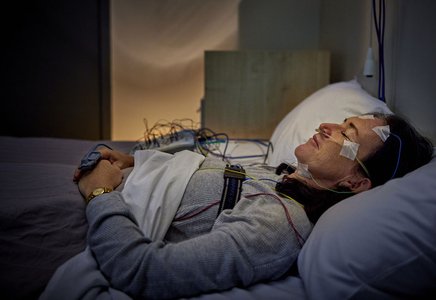
Key Insights at a Glance
- Study Rationale and Hypotheses: Understanding why sleep disorders may serve as a risk factor for GI cancers.
- Methodology and Participant Selection: Insights into the retrospective case–control design and matching of cancer patients with controls.
- Outcomes and Clinical Implications: Detailed analysis of the overall outcomes, ethical considerations, and the study’s placement in the hierarchy of evidence.
In-depth Analysis and Summary
1. Rationale Behind the Study
The study was undertaken against a backdrop of rising prevalence of sleep disorders and a significant interest in the role these disorders might play in cancer development. Researchers aimed to address growing evidence that suggests that disruptions in sleep—through mechanisms such as the disturbance of circadian rhythms, chronic inflammation, and oxidative stress—could be risk factors for various cancers, particularly those affecting the gastrointestinal (GI) tract. Given that sleep disorders such as insomnia, sleep apnea, and restless legs syndrome are common in the general population, understanding their potential association with GI cancers could offer valuable insights into early detection and prevention strategies.
2. Aims and Hypotheses
The primary aim of this research was to determine whether individuals with sleep disorders face a higher risk of developing gastrointestinal cancers compared to those who do not suffer from such disorders. The study was driven by the underlying hypothesis that disruptions in normal sleep patterns might be correlated with an increased incidence of cancers such as gastric, pancreatic, and colorectal cancer. The researchers speculated that abnormal sleep could affect the body’s immune system and regulatory mechanisms, thereby facilitating carcinogenic processes.
3. Participant Selection and Population Match
The case–control study was designed using a retrospective approach. Participants were selected from a large health database, ensuring that those diagnosed with gastrointestinal cancers were accurately matched with controls that had no history of such cancers. This matching process typically incorporated demographic variables such as age, sex, and other relevant factors to minimize selection bias, ensuring that the study population was representative of the broader community. By aligning the control group closely with the cancer cohort in terms of these relevant characteristics, the study aimed to isolate the factor of sleep disorders as much as possible.
4. Study Design
The investigation employed a case–control design—an observational study methodology that compares individuals with a health outcome (in this case, gastrointestinal cancer) to those without. The use of a retrospective design enabled the research team to utilize existing data from health insurance records or large medical databases. The study applied statistical techniques, such as logistic regression and propensity score matching, to estimate the odds ratios for the presence of sleep disorders among cancer patients relative to the controls.
5. Overall Outcomes
The outcomes of the study indicated some interesting associations between sleep disorders and gastrointestinal cancer risk. While the overall analysis across all sleep disorders did not reveal a significant connection, a deeper look into the temporal relationship showed that sleep disturbances noted within one year before a cancer diagnosis were associated with an increased risk. In particular, conditions such as insomnia demonstrated a stronger association, suggesting that recent sleep disorders might serve as an indicator of short-term health outcomes including GI cancers. Stratified analysis also revealed trends where specific GI cancers such as gastric, pancreatic, and colorectal cancers showed variable levels of association with sleep disturbances.
6. Implications for Clinical Practice
One of the key contributions of the study relates to its clinical implications. Recognizing sleep disorders as a potential risk factor for gastrointestinal cancers could influence screening protocols and early intervention strategies in the clinical setting. Although the study emphasizes the exploratory nature of the observed associations rather than establishing a causal relationship, it suggests that healthcare professionals should be attentive not only to common risk factors of cancer but also to patients’ sleep patterns. In practical terms, incorporating sleep assessments into routine evaluations may help in identifying individuals at higher risk and encourage further research into preventive measures that could mitigate these risks through targeted interventions.
7. Ethical Considerations
In terms of ethical standards, the study primarily involved the secondary analysis of existing patient data obtained through health insurance databases. This raises important considerations around patient privacy, data security, and the need for rigorous ethical oversight. While specifics were not exhaustively detailed in the article, it is understood that standard protocols for data handling, anonymization, and confidentiality were followed in order to protect the personal information of the participants. However, details regarding informed consent and other broader ethical issues, such as the implications of potential sleep disorder interventions on cancer treatment outcomes, were not thoroughly addressed in the study.
8. Hierarchy of Evidence
On the hierarchy of evidence, this study is positioned as a case–control investigation, which is generally considered lower than randomized controlled trials (RCTs) and prospective cohort studies. Despite this, case–control studies are invaluable for their ability to explore potential associations, especially in the context of relatively rare outcomes such as specific types of gastrointestinal cancer. The insights derived from this study are crucial for hypothesis generation and can inform the design of future studies that might employ more robust methodologies to establish causality.
Synthesis Table: Comprehensive Overview of Study Details
| Aspect | Details |
|---|---|
Study Rationale |
Investigating whether common sleep disorders increase the risk of GI cancers due to potential mechanisms like circadian disruption, inflammation, and oxidative stress. |
Aims / Hypotheses |
To assess whether sleep disorders are associated with a heightened risk of GI cancers, specifically targeting conditions such as insomnia, sleep apnea, and restless legs syndrome. |
Participant Selection |
Cases: Patients diagnosed with gastrointestinal cancers. Controls: Individuals without cancer, matched on key demographics including age and sex. |
Study Design |
Retrospective case–control study using established health databases, with statistical methods such as logistic regression and propensity score matching for analysis. |
Overall Outcomes |
While a general association with sleep disorders was not significant, recent occurrences (within one year) of sleep disturbances showed a positive association with increased odds of GI cancer, especially in cases of insomnia. |
Clinical Implications |
Encourages the inclusion of sleep health assessments in routine clinical screening for early identification and potential risk reduction interventions for GI cancers. |
Ethical Considerations |
Data confidentiality and ethical data use were observed. However, detailed discussion regarding informed consent and broader ethical implications was limited. |
Hierarchy of Evidence |
Case–control design; lower than RCTs but providing meaningful observational data to guide further research. |
References
-
Are sleep disorders associated with the risk of gastrointestinal cancer? - PubMed Central
- Are sleep disorders associated with the risk of GI Cancer? - PubMed
- Impact of sleep on gastrointestinal cancer - World Journal of Gastroenterology
- Sleep disturbance and GI cancer risk review - SAGE Journals
-
Association Between Sleep Disorders and Colorectal Cancer - NCBI
Recommended Queries for Further Insights
Last updated March 27, 2025