
Proposals to Adapt Seapower Theory for Smaller Navies
Innovative strategies and tailored approaches for enhancing maritime effectiveness
Key Takeaways
- Embrace Asymmetric Warfare: Focus on unconventional tactics and technology to exploit vulnerabilities.
- Optimize Coastal and Littoral Strategies: Prioritize the defense and control of nearshore and regional maritime zones.
- Enhance Network-Centric and Modular Operations: Rely on distributed lethality, modern digital networking, and agile force structures.
Introduction
Historically, seapower theory has been dominated by concepts of grand fleets, blue‐water operations, and extensive power projection – ideas primarily suited to large, resource‐rich navies. However, smaller or so-called “inferior” navies require a reimagined version of seapower theory that leverages their unique strengths, geographical realities, and economic constraints.
This article presents five comprehensive proposals designed to adapt seapower theory for the strategic needs of smaller navies. By incorporating elements such as asymmetric warfare, focused coastal defense, distributed network tactics, strategic partnerships, and integrations of modern, cost-effective technologies, these proposals aim to level the playing field. The strategies outlined herein are underpinned by a strategic assessment that prioritizes efficiency, flexibility, and the intelligent use of limited resources, ensuring that even navies with modest means can play a meaningful role in regional and international maritime security.
Proposal 1: Embrace Asymmetric Warfare Strategies
Traditional seapower doctrines have revolved around matching adversaries in numbers and assets. For smaller navies, however, the focus need not be on equal size but rather on leveraging asymmetric warfare strategies. This approach involves using unconventional tactics to exploit the inherent vulnerabilities of larger naval forces.
Unconventional Tactics and Technology
Smaller navies can maximize their strategic impact by employing a range of non-traditional methods. This includes:
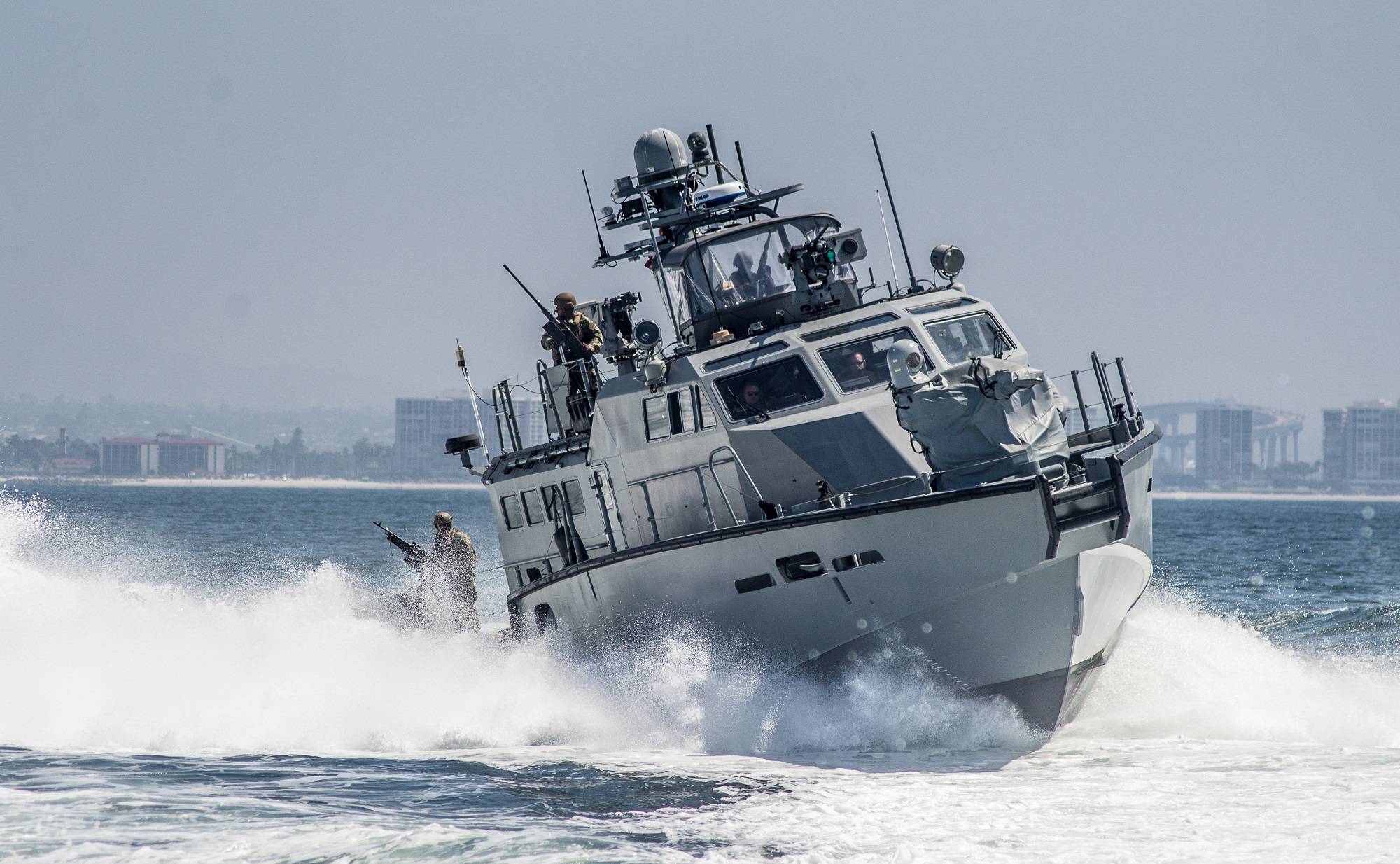
- Agile and Fast-Attack Vessels: Utilizing small, nimble vessels that are difficult to detect and aim at high-value targets can create operational dilemmas for larger fleets. These vessels are ideal for hit-and-run tactics that disrupt enemy logistics or communications.
- Naval Mines and Area Denial Systems: The use of mines and automated defensive systems can restrict enemy movements in key maritime corridors without requiring a large fleet presence.
- Uncrewed and Autonomous Systems: The deployment of unmanned surface vehicles (USVs) and unmanned underwater vehicles (UUVs) plays a growing role in modern naval warfare. These systems can be used for surveillance, mine countermeasures, and even offensive operations such as targeted strikes or disruption of enemy sensor networks.
- Cyber and Electronic Warfare: Incorporating cyber capabilities helps smaller navies counterbalance technological advantages held by larger adversaries. Cyber operations can disrupt communications, interfere with enemy navigation, and leverage data to compensate for lower physical presence.
By emphasizing potential effects over sheer size, this asymmetric approach transforms perceived weaknesses into strategic assets, ensuring that small navies can force adversaries into costly engagements.
Proposal 2: Prioritize Coastal Defense and Littoral Operations
One of the most significant adaptations required in seapower theory for smaller navies involves a shift from global power projection to strong, localized defense of coastal waters and littoral zones.
Focus on the Maritime Periphery
The coastal zone, where the majority of strategic maritime infrastructure exists, provides smaller navies with both opportunities and natural advantages:
- Geographical Leverage: Coastal and littoral areas often feature complex geographies including islands, narrow straits, and shallow waters, which can be exploited to create effective defensive barriers.
- Cost-Effective Defensive Measures: Focusing on coastal defense allows smaller navies to invest in cost-effective systems such as localized missile batteries, surveillance radars, and minefields that protect vital ports and sea routes.
- Hybrid Operations: Integrating both traditional and alternative assets, such as shore-based sensor networks and unmanned systems, enables a nimble response to both conventional and unconventional threats.
- Littoral Combat Vessels (LCVs): Specialized designs optimized for close-to-shore operations cater to the dynamic requirements of littoral zones. These vessels are faster, lighter, and more maneuverable – qualities that larger blue-water ships may lack.
This proposal advocates for a deliberate focus on secure, manageable territories rather than overextending forces in blue-water operations, thus ensuring that the inherent geographical advantages of coastal states are fully exploited.
Proposal 3: Develop Distributed Lethality and Modular Force Structures
With smaller navies, the traditional model of massed fleet engagements becomes impractical. Instead, distributed lethality and modular force structures provide a resilient alternative.
Distributed Lethality Explained
Distributed lethality involves spreading out assets across a wide area to complicate enemy targeting and inflict damage from multiple, unpredictable points. Key elements include:
- Network-Centric Operations: Emphasizing digital networking and real-time communications among small platforms ensures that each asset contributes to a collective situational awareness. Integrating sensors, command networks, and decentralized decision-making dramatically enhances operational flexibility.
- Modular Force Structures: A modular force is one where assets can be quickly reconfigured or repurposed for different tasks – be it surveillance, interdiction, or rapid offensive operations. This adaptability is essential for responding to the rapidly evolving threats that small navies face.
-
Table of Distributed Operations
Capability Description Operational Impact Real-Time Networking Integrates sensors and communication systems across multiple platforms. Enables faster decision-making and coordinated strikes. Modular Vessels Designs that allow rapid task reconfiguration. Increases mission versatility and decreases downtime. Uncrewed Platforms Deployment of USVs and UUVs for surveillance and attack. Minimizes risk to personnel while extending reach.
Redirecting resources from large, concentration-based fleets to a network of smaller, highly interconnected assets allows smaller navies to maintain effective control over their operational areas while complicating adversaries' targeting efforts.
Proposal 4: Strengthen Alliances and Foster Multidomain Integration
No navy operates in isolation. A critical shift in seapower theory for smaller navies is the enhanced integration of naval operations with other military and diplomatic platforms, both domestically and through international partnerships.
Interoperability with Allied Forces
Strengthening alliances, whether with local coast guards, neighboring navies, or multinational coalitions, offers several benefits:
- Operational Synergy: Integrated operations with land, air, and allied maritime forces create multidomain battle networks. By pooling resources and sharing situational data, smaller navies can amplify their strategic presence.
- Diplomatic Leverage: Active participation in international exercises and coalition operations not only enhances tactical capacity but also provides diplomatic credibility. Medium-sized vessels and agile units can serve dual roles in both combat and diplomatic missions.
- Enhanced Training and Intelligence Sharing: Multinational partnerships enable participation in joint training exercises, enhancing interoperability and fostering mutual trust. Sharing intelligence, surveillance data, and analysis improves overall maritime security and readiness.
This proposal emphasizes that smaller navies should integrate their strategies within a broader security framework, actively engaging with allied forces and other defense sectors to develop a robust, multidomain security posture.
Proposal 5: Integrate Modern, Low-Cost Technologies and Innovation
Financial constraints often limit smaller navies from acquiring and maintaining high-end military hardware. However, modern technology offers cost-effective alternatives that can compensate for these limitations.
Leveraging Innovation for Strategic Advantage
By investing in affordable yet potent technological solutions, small navies can enhance their operational capabilities significantly:
- Uncrewed and Autonomous Systems: Advanced unmanned systems such as drones, USVs, and UUVs provide persistent surveillance and rapid response options. These technologies reduce personnel risk while extending operational reach and effectiveness.
- Advanced Sensors and Communications: Deploying cost-effective sensors, satellite tracking systems, and open-source intelligence software improves maritime situational awareness. Enhanced interoperability through networked systems ensures that even modest forces can track and respond to emerging threats effectively.
- Cyber Capabilities: Cyber defense and offensive operations are becoming key components of modern warfare. For smaller navies, harnessing cyber technologies and rapidly evolving software-based defense mechanisms levels the field against technologically advanced adversaries.
- Domestic Innovation and Collaboration: Encouraging partnerships with local technology firms and research institutions can lead to bespoke, scalable solutions that are tailored to the specific operational needs of a smaller naval force.
This proposal highlights that the intelligent integration of modern, low-cost technologies can help smaller navies overcome resource limitations while building a robust and agile defense network. By fostering an environment of innovation, these navies can adapt swiftly to new threats and emerging maritime dynamics.
Conclusion
In conclusion, adapting seapower theory for smaller, resource-constrained navies requires a paradigm shift from traditional, mass-based fleet concepts to a more nuanced, flexible approach. The five proposals outlined above – embracing asymmetric warfare, prioritizing coastal defense, developing distributed lethality, strengthening alliances with multidomain integration, and investing in modern, low-cost technologies – represent a comprehensive strategy to empower smaller navies in today's complex maritime environment.
Each proposal not only offers a distinct tactical or strategic advantage but also contributes to a resilient framework that enables smaller forces to operate effectively against more formidable opponents. By focusing on innovation, leveraging local advantages, and integrating with allied networks, smaller navies can transform perceived weaknesses into strategic opportunities, ensuring their relevance and effectiveness in securing maritime interests in an increasingly unpredictable world.
References
- Small Seapower State - Militaire Spectator
-
Seapower Theory Necesse - FHS Brage
-
Seapower Small Navies - Taylor & Francis
- Disaggregation Called the Future of Naval Warfare - National Defense Magazine
More
Last updated February 18, 2025