
Smart Farming and Agriculture Abstract
Exploring Technological Innovation and Sustainability in Modern Farming
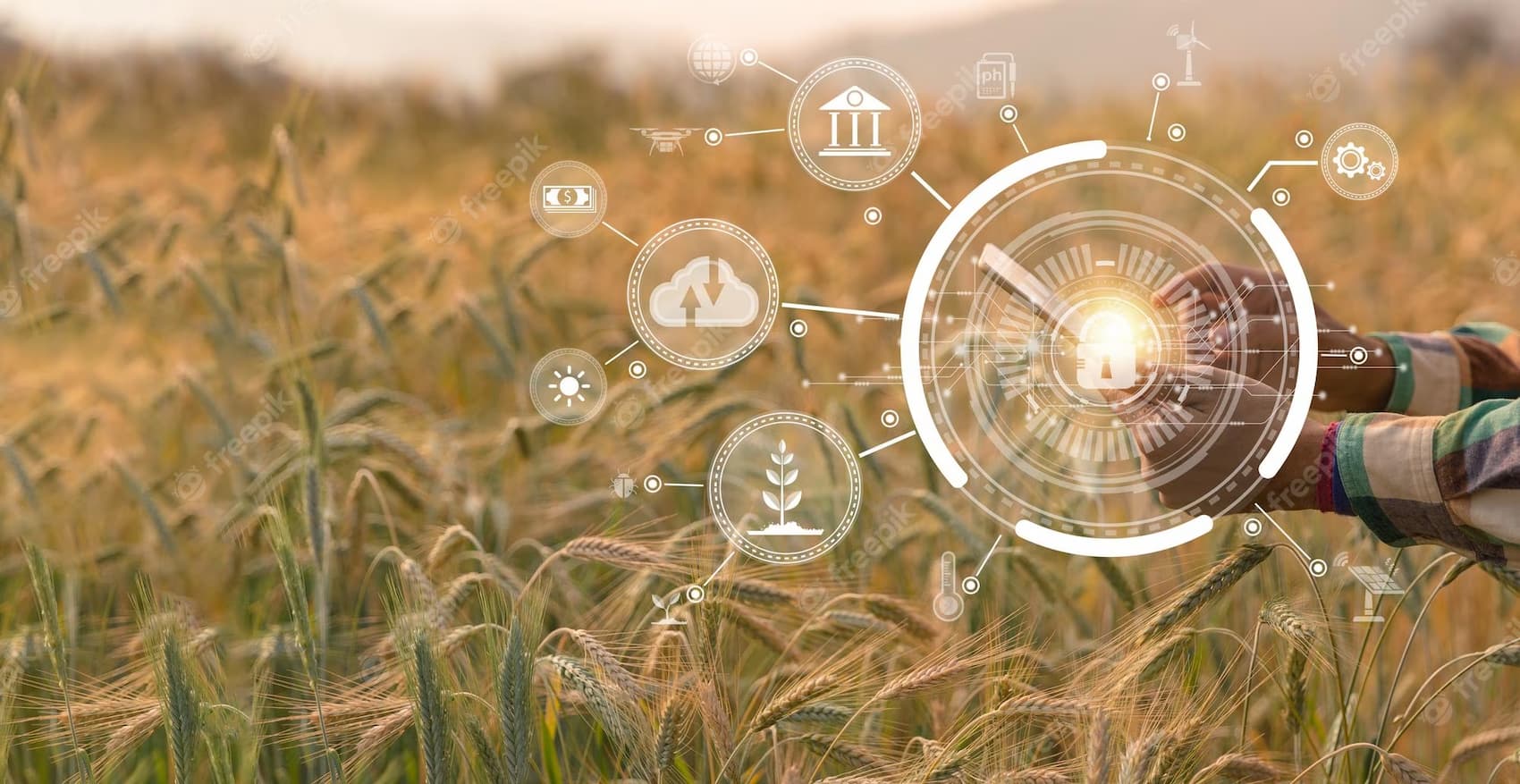
Key Highlights
- Advanced Integration: Incorporation of IoT, AI, and data analytics is transforming traditional agriculture.
- Operational Excellence: Real-time monitoring and precision agriculture optimize resource use and boost crop productivity.
- Sustainable Practices: Reduced environmental impact and enhanced sustainability through smart technologies.
Abstract Overview
Smart Farming and Agriculture represents a forward-thinking transformation in the agricultural sector, adopting cutting-edge technologies to create a sustainable and efficient farming ecosystem. This abstract, intended as a research paper, emphasizes the integration of advanced information and communication technologies (ICT), including the Internet of Things (IoT), Artificial Intelligence (AI), and machine learning, to address the pressing global challenges of food security, climate change, and resource scarcity. The document aims to outline the technological innovations, operational adjustments, and sustainability enhancements facilitated by smart farming, while presenting a comprehensive analysis of its components, benefits, and potential future developments.
Introduction
With the rapid evolution of technologies and the increasing demand for sustainable agricultural practices, smart farming has emerged as a revolutionary approach in modern agriculture. By leveraging emerging technologies, smallholder and commercial operations can now overcome traditional limitations related to labor, resource management, and environmental degradation. This abstract provides an in-depth discussion of the key elements constituting smart farming and highlights how these components interact to create a more efficient, environmentally conscious, and economically viable agricultural system.
Document Type
This document is a research paper that delves into the transformative potential of smart farming technologies, presenting theoretical insights and practical implications. The research paper format ensures a systematic exploration of technological innovations, detailed evidence from case studies, and analysis of potential barriers and future prospects in the agricultural sector.
Technological Integration in Smart Farming
Internet of Things (IoT) and Sensors
IoT devices are at the heart of smart farming, facilitating real-time monitoring of essential environmental and operational parameters. Sensors deployed throughout agricultural fields measure soil moisture, ambient temperature, humidity, nutrient levels, and crop health, among other variables. The data collected is transmitted wirelessly to central processing units where it is analyzed to provide actionable insights. This continuous data flow allows for dynamic and responsive management of crops, ensuring that critical factors such as irrigation and fertilization are applied only when necessary.
Artificial Intelligence and Machine Learning
Artificial Intelligence is deployed to process the vast amounts of data gathered by IoT sensors. Machine learning algorithms analyze historical and real-time data to forecast weather trends, detect pest infestations, and predict crop yield. These predictive models enable farmers to adjust their practices proactively, thereby minimizing losses and improving overall productivity. The utilization of AI in smart farming not only optimizes operational efficiency but also contributes to a holistic understanding of farm ecosystems.
Autonomous Machinery and Drones
Autonomous machinery such as tractors and harvesters are being increasingly integrated into farming operations, reducing the need for manual labor and enhancing precision in field operations. Drones equipped with high-resolution cameras and sensors provide aerial data that is invaluable for monitoring large fields. These devices help identify issues such as waterlogging, pest attack patterns, and areas suffering from nutrient deficiencies, thus allowing for targeted interventions.
Cloud Computing and Data Analytics
Cloud computing serves as the backbone for storing and processing the voluminous data generated in smart farming environments. Data analytics platforms, facilitated by cloud infrastructure, provide farmers with real-time dashboards that display critical information about their crops. These platforms integrate and visualize data from various sources, enabling informed decision-making that enhances the overall management of agricultural operations.
Operational Efficiency and Precision Agriculture
Optimization of Resource Use
One of the key promises of smart farming is resource optimization. Precision agriculture techniques ensure that water, fertilizers, and pesticides are only applied when and where they are needed. By reducing waste, farmers can achieve higher productivity and cost savings. Variable rate technologies allow for precise application of inputs, which not only benefits the economic bottom line but also contributes to the sustainable utilization of natural resources.
Real-Time Monitoring and Data-Driven Decision Making
The integration of real-time monitoring systems into farming practices acts as a cornerstone for data-driven decision making. Sensor networks, combined with advanced analytics, offer instant insights into crop conditions, soil quality, and climatic factors. These insights allow farmers to adjust irrigation schedules, deploy pest control measures, and manage crop rotations based on empirical evidence. This level of responsiveness ensures that agricultural operations are proactive rather than reactive, ultimately resulting in higher yields and better quality produce.
Precision Application Technologies
Precision application refers to the focused application of agricultural inputs in a manner that maximizes impact while minimizing waste. Technologies such as GPS-guided tractors and automated irrigation systems apply water, fertilizers, and pesticides precisely where they are needed. This targeted approach prevents overuse of chemicals, reduces runoff, and minimizes the environmental footprint associated with conventional farming practices.
Comparative Table of Traditional vs. Smart Farming Techniques
| Aspect | Traditional Farming | Smart Farming |
|---|---|---|
| Resource Utilization | Often inefficient with over-application of inputs | Precision-based, optimizing use of water, fertilizers, and pesticides |
| Data Availability | Limited and periodic data collection | Real-time data acquisition through IoT sensors and drones |
| Operational Management | Manual intervention and historical practices | Automation, AI-powered decision making, and dynamic adjustments |
| Environmental Impact | Higher risk due to excessive chemical use | Lower impact due to targeted application and resource conservation |
| Cost Efficiency | Higher long-term costs due to inefficient practices | Reduced operational costs through optimized practices |
Sustainability and Environmental Impacts
Minimizing Ecological Footprints
Sustainability is a central focus of smart farming. With the global challenges posed by climate change and environmental degradation, it is imperative to adopt practices that minimize ecological footprints. Smart farming reduces the use of synthetic chemicals and promotes environmentally friendly techniques. By precisely targeting crop inputs, the farming ecosystem is preserved, and soil health is maintained. Additionally, the reduction of chemical runoff into waterways protects local biodiversity and aquatic life.
Water Conservation Techniques
Water is one of the most vital resources in agriculture. In smart farming, advanced sensor networks monitor soil moisture levels rigorously, ensuring that irrigation is administered only when necessary. This precision avoids water wastage, conserves precious water reserves, and also minimizes the risk of over-irrigation, which can lead to nutrient leaching and soil erosion. The implementation of drip irrigation systems and automated water control further exemplifies the commitment to water conservation.
Reduction of Chemical Usage
The efficient application of fertilizers and pesticides is another significant advantage of smart farming. Conventional farming practices that rely on uniform application across entire fields often result in the unnecessary use of chemicals. In contrast, smart farming applies these substances selectively, only to areas that require treatment based on real-time data assessments. This targeted approach dramatically reduces the total chemical load, thereby decreasing potential toxic effects on the environment and reducing residue levels in agricultural products.
Sustainable Crop Management
Beyond resource optimization, smart farming also plays a role in sustainable crop management. Data-driven insights allow for improved crop rotations, pest management strategies, and soil fertility planning. By understanding the historical performance of fields, farmers can implement practices that rejuvenate soil health, maintain biodiversity, and foster a more resilient agricultural system. This holistic approach to crop management promotes sustainability at every stage of the farming cycle.
Challenges and Future Prospects
Technological Barriers
Despite the immense benefits, smart farming faces several challenges. The integration of advanced technologies in agricultural systems requires significant capital investment, especially for small-scale farmers. Additionally, there is a steep learning curve associated with the adoption of digital tools and the interpretation of complex data sets. Issues related to data privacy, cybersecurity, and the interoperability of disparate systems also present hurdles that need to be addressed. Ensuring data integrity and protecting against cyber threats remain critical areas of ongoing research and development.
Policy and Regulatory Frameworks
The widespread adoption of smart farming technologies is contingent upon supportive policy frameworks. Governments and regulatory bodies need to create an enabling environment that fosters innovation and provides the necessary infrastructure—such as high-speed internet connectivity in rural areas—for these technologies to thrive. Investment in digital infrastructure and formulation of standards for data exchange are key to ensuring that smart farming becomes accessible and affordable for all stakeholders in the agricultural sector.
Emerging Innovations
The future of smart farming looks promising, with ongoing innovations enhancing its potential. Advancements in drone technology, robotics, and blockchain for secure data transactions are expected to further transform agricultural practices. Increasing integration of 5G networks will enable even more effective real-time monitoring and rapid data transfer, making the entire system more responsive and resilient. Research and collaboration between technology developers, agricultural experts, and policy makers will continue to drive the evolution of smart farming.
Table: Emerging Technologies in Smart Farming
| Technology | Description | Impact on Agriculture |
|---|---|---|
| IoT and Sensors | Real-time monitoring of environmental and crop parameters | Data-driven decisions, optimal resource management |
| Artificial Intelligence | Machine learning algorithms for predictive analytics | Enhanced yield prediction and pest detection |
| Drones and Robotics | Aerial imaging and autonomous field operations | Efficient field monitoring and targeted interventions |
| Cloud Computing | Data storage and processing capabilities | Centralized decision-making support |
| Blockchain | Secure and transparent data exchange | Enhanced traceability and trust in supply chains |
Integration into Modern Agronomic Practices
Holistic Farm Management
The integration of smart farming into traditional agronomic practices represents a paradigm shift from reactive to proactive management. A holistic approach encompasses monitoring field conditions, scheduling practices based on data insights, and implementing responsive measures that preemptively address potential issues. For instance, integrating AI insights with sensor data leads to precise intervention strategies that optimize irrigation cycles and nutrient management. Consequently, farms become dynamic systems where every operational step is informed by continuous, real-time feedback.
Case Studies and Practical Implementations
Numerous case studies illustrate the tangible benefits of implementing smart farming practices. In diverse agro-climatic settings, farmers have leveraged precision agriculture techniques to turn marginal lands into high-yield areas. Whether through the precise application of herbicides or the automated scheduling of irrigation via sensor networks, the transformative impact of technology is evident. These success stories underline the importance of contextualized, data-informed strategies in addressing regional challenges, from managing drought-prone areas to improving crop resilience against pests.
Socio-Economic Benefits
The use of smart farming technologies extends benefits beyond mere productivity gains. Economically, farmers can lower operating costs by minimizing the wastage of expensive inputs and decreasing dependency on manual labor. Socially, smart farming creates opportunities for local communities by fostering technology transfer, skill development, and improving the overall sustainability of rural livelihoods. Increased yields contribute to food security and have a ripple effect on local economies by revitalizing agricultural communities and encouraging further technological adoption.
Conclusion and Final Thoughts
In conclusion, the abstract for Smart Farming and Agriculture encapsulates the fundamental aspects of modern agriculture's digital transformation. The integration of IoT devices, AI, autonomous machinery, and cloud computing has redefined agronomic practices into a sophisticated, precision-driven discipline. By optimizing resource use, enhancing operational efficiency, and promoting sustainable practices, smart farming addresses global challenges related to food security and environmental conservation.
The research paper presented here provides a detailed analysis by synthesizing the technological innovations, practical applications, and policy implications associated with smart farming. It demonstrates that while challenges such as high initial investment, cybersecurity threats, and the need for robust regulatory frameworks exist, the long-term benefits outweigh these obstacles. As the agricultural paradigm continues to evolve, smart farming stands as a beacon of innovation, promising not only to boost productivity but also to foster a more resilient and sustainable global food system.
Future advancements in technology, combined with collaborative efforts among stakeholders, will further enhance the capacity of smart farming to address the multifaceted challenges facing agriculture today. This research underscores the importance of continued investments in digital infrastructure and the need for adaptive policies that encourage innovation and facilitate the seamless integration of advanced technologies in farming. Ultimately, the future of agriculture is smart, sustainable, and driven by an unwavering commitment to efficiency and environmental stewardship.
References
- Smart Farming System using IoT for Efficient Crop Growth - IEEE Xplore
-
Smart Farming for Improving Agricultural Management - ScienceDirect
- Smart Farming: The IoT based Future Agriculture - IEEE Xplore
- Smart Farming: The Future of Agriculture - ResearchGate
- Innovations in precision agriculture and smart farming - World Scientific
- Smart Farming: Internet of Things (IoT)-Based Sustainable Agriculture - MDPI
Recommended Searches
Last updated February 20, 2025