
Optimizing Employee Well-being and Productivity in Smart Metering
A Strategic Work-Life Balance Plan for a Thriving Workforce
Key Highlights for a Balanced Smart Metering Workforce
- Tailored Flexible Work Arrangements: Implement diverse flexible work options like flextime, compressed workweeks, and hybrid models to empower employees, enhance control over their schedules, and improve job satisfaction, particularly in a field that often involves varied on-site tasks.
- Holistic Well-being Programs: Prioritize comprehensive employee well-being, encompassing mental health support, ergonomic and safety training, and financial literacy, to address the unique physical and mental demands of the utilities sector and foster a supportive work environment.
- Strategic Time Management and Support: Equip employees with effective time management strategies, provide robust training, and ensure transparent communication channels to boost productivity, mitigate burnout, and enhance career development pathways within the dynamic smart metering industry.
In the rapidly evolving smart metering sector, fostering a robust work-life balance is not merely a perk but a strategic imperative. This plan aims to create a comprehensive framework that not only supports employee well-being but also drives productivity, improves retention, and enhances overall organizational performance. By addressing the unique challenges and opportunities within the utilities industry, this blueprint will guide the implementation of actionable policies across flexible work arrangements, mental health support, and time management strategies.
Understanding the Smart Metering Landscape and Workforce Needs
The Evolving Nature of Smart Metering Roles
Smart metering has fundamentally changed the utility industry, reducing the need for traditional meter readers and enabling utilities to manage load more effectively. This shift requires a workforce with specialized skills, often involving on-site installations, testing, and customer interaction. A typical day for a smart meter technician can be highly varied, moving from residential installations to commercial sites. While many smart meter engineers work a standard Monday-Friday week, there can be occasional weekend standby duties. Salaries for entry-level positions generally start around £25,000 and can increase to £29,000 upon completion of training, with significant demand for these roles expected to rise by 3.4% by 2028, equating to over 210,000 new job opportunities in the UK alone.
The nature of this work, which can involve physical tasks, travel between sites, and working alone in isolated areas, introduces specific challenges related to fatigue and safety. Consequently, comprehensive benefits packages, including short and long-term disability plans, are crucial in this sector. Employee well-being in the utilities industry also faces unique pressures such as high-pressure environments, potential isolation, and the stigma around mental health, making a holistic approach to support essential.
Pillars of the Work-Life Balance Plan
Flexible Work Arrangements: Empowering Employee Autonomy
Flexible work policies offer employees greater control over their schedules, location, and even the methods of their work, leading to increased satisfaction, reduced stress, and enhanced productivity. For smart metering, where on-site presence is often required, flexibility can be implemented through various models:
Implementing Diverse Flexible Work Models
- Flextime: Allows employees to vary their start and end times, often within a core hour framework. This can be beneficial for technicians needing to manage personal appointments or avoid peak traffic. Energy Assets, for example, offers 30-35 days of holiday, increasing annually, which contributes to a healthy work-life balance.
- Compressed Workweek: Employees work their full weekly hours in fewer than five days (e.g., four 10-hour days). This can provide longer weekends, reducing commuting time and costs.
- Hybrid Work: While less common for roles requiring physical meter installation, hybrid models can be applied to administrative or supervisory smart metering roles, blending office presence with remote work. This policy should clarify expectations regarding essential tools and potential non-reimbursement for internet and utilities.
- Job Sharing: Two part-time employees share the responsibilities of one full-time position. This offers significant flexibility for individuals and ensures continuous coverage for critical roles.
To ensure fairness and effectiveness, flexible work arrangements should be formalized with clear guidelines and procedures. Companies should also gather employee feedback to understand their needs and preferences, promoting equality and preventing tension among staff. This involves careful planning and consideration to benefit both the organization and its employees.
Comprehensive Mental Health and Well-being Support
The utilities sector faces significant mental health risks due to high-pressure environments, potential isolation, and stigma. A comprehensive well-being program goes beyond physical health, addressing mental, emotional, and financial aspects.
Key Initiatives for Employee Well-being
- Mental Health Services and Resources: Provide access to counseling, therapy, and mental health first aid training. Normalize discussions around mental health through open communication and leadership modeling. Companies like Smart Metering Systems emphasize an inclusive and supportive culture from their induction process.
- Stress Management Programs: Offer workshops on stress reduction techniques, mindfulness, and resilience building. Long work hours can lead to exhaustion, anxiety, and depression, making these programs crucial for preventing burnout.
- Ergonomic and Safety Training: Given the physical nature of many smart metering jobs, tailored ergonomic and safety training is vital. This includes awareness of hazards in confined spaces, at high elevations, and with electrical or gas systems. Employee monitoring systems can also enhance workplace safety.
- Financial Well-being Support: Offer financial literacy programs, counseling, and tools to manage financial stress, build emergency funds, and navigate economic uncertainties. Financial stability significantly impacts overall employee well-being.
- Promoting Work-Life Integration: Encourage employees to integrate their personal and professional lives in a way that minimizes conflict and maximizes satisfaction. This includes promoting healthy boundaries and discouraging constant connectivity.
Investing in employee well-being and engagement enhances job satisfaction, reduces turnover rates, and retains critical skills. A positive work culture that prioritizes employee well-being and growth can significantly contribute to a strong employer brand in the energy and utilities sector.
This radar chart illustrates the perceived current state of work-life balance factors within smart metering compared to an optimized target state achievable through strategic implementation of the proposed plan. The 'Target State' dataset shows higher scores across all dimensions, reflecting the aspirational improvements in flexibility, support, and development.
Time Management Strategies: Enhancing Efficiency and Reducing Overload
Effective time management is critical for productivity and preventing burnout. This is especially true in roles that involve travel and varied tasks.
Strategies for Optimal Time Management
- Training on Productivity Tools: Provide training on digital tools for scheduling, task management, and communication. This can help smart meter engineers plan their routes and appointments more efficiently.
- Prioritization Workshops: Conduct workshops on techniques like the Eisenhower Matrix or Pareto Principle to help employees prioritize tasks and focus on high-impact activities.
- Boundary Setting: Educate employees on the importance of setting clear boundaries between work and personal life. This includes managing notifications and avoiding the expectation of 24/7 availability, which can lead to increased working hours in technology-driven roles.
- Efficient Meeting Culture: Implement guidelines for shorter, more focused meetings to reduce unproductive time.
Impact on Team Dynamics, Remote Work, and Retention
Fostering Positive Team Dynamics
A well-implemented work-life balance plan can significantly improve team cohesion and collaboration. When employees feel supported and have autonomy, morale naturally improves. Transparent policies prevent feelings of inequality among team members regarding flexible arrangements. Regular check-ins and team-building activities, especially for dispersed teams, are crucial to maintaining connection and shared purpose.
Navigating Remote Work Opportunities
While direct smart meter installation requires on-site presence, certain roles within smart metering companies (e.g., customer support, data analysis, planning, management) can leverage remote or hybrid work models. Implementing clear remote work policies, providing necessary equipment, and ensuring consistent communication are essential. Studies show that remote workers might work more hours, highlighting the need for vigilance against burnout and for clear boundaries.
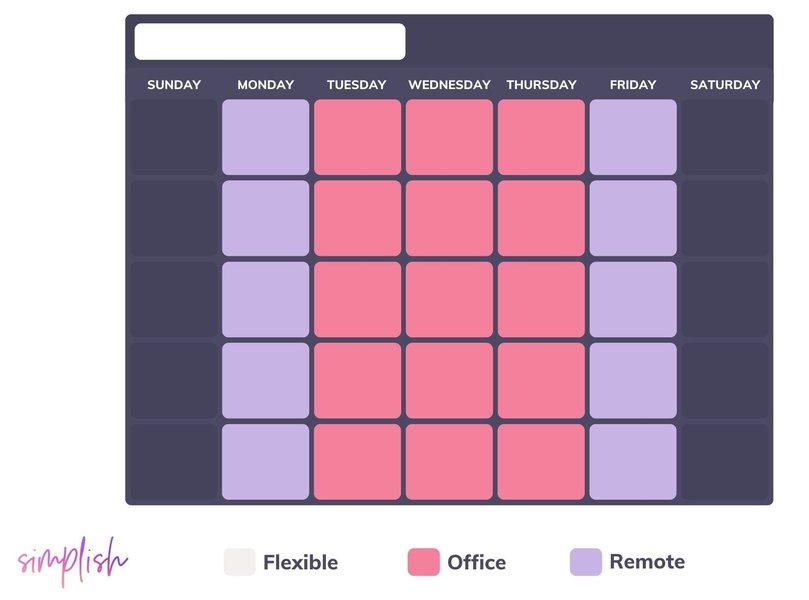
Hybrid work schedules offer a blend of in-office and remote work, providing flexibility and adapting to diverse work styles.
Enhancing Employee Retention
Competitive salaries and comprehensive benefits are a given in the utilities industry, which generally performs well in providing benefits. However, beyond compensation, a strong work-life balance and investment in employee well-being are key drivers of retention. Companies that prioritize employee well-being see increased job satisfaction and loyalty. By offering attractive work environments and genuine career opportunities, smart metering companies can reduce turnover rates, retain critical skills, and build a reputation as an employer of choice.
Measuring Success and Implementation Guidelines
Metrics for Measuring Success
To ensure the plan's effectiveness, clear metrics must be established and regularly tracked:
| Area of Impact | Key Metrics | Measurement Method |
|---|---|---|
| Employee Well-being |
|
Annual surveys, pulse surveys, HR data analysis, EAP usage reports |
| Productivity & Efficiency |
|
Performance reviews, operational data, customer feedback, supervisor evaluations |
| Retention & Attraction |
|
HR data, recruitment metrics, exit interviews |
| Flexible Work Policy Effectiveness |
|
Surveys, internal policy audits, manager feedback |
Guidelines for Implementation
Successful implementation requires a structured approach and continuous commitment:
Phased Rollout and Communication
- Pilot Programs: Begin with pilot programs for flexible work arrangements in specific departments or teams to gather feedback and refine policies before a broader rollout.
- Clear Communication: Develop a comprehensive communication plan to inform employees about new policies, benefits, and resources. Use multiple channels (intranet, workshops, emails) to ensure understanding.
- Leadership Buy-in and Training: Secure strong support from senior leadership and train managers on how to effectively implement and manage flexible work arrangements, support employee well-being, and provide constructive feedback.
Continuous Improvement and Feedback Loops
- Regular Policy Review: Annually review and update flexible work policies based on employee feedback, industry trends, and organizational needs.
- Anonymous Feedback Channels: Establish anonymous channels (e.g., surveys, suggestion boxes) for employees to provide feedback on the work-life balance initiatives.
- Performance Monitoring: Continuously monitor the defined metrics and adjust strategies as needed to ensure desired outcomes are being achieved.
This video discusses how work-life alignment, a crucial aspect of employee well-being, has become increasingly important, especially in the post-pandemic era, highlighting the challenge of balancing professional and personal responsibilities. It provides insights into how organizations can support their employees in achieving this balance.
Conclusion
A comprehensive work-life balance plan in the smart metering sector is a strategic investment in human capital. By thoughtfully integrating flexible work arrangements, robust mental health support, and effective time management strategies, organizations can cultivate a workforce that is not only highly productive but also resilient, satisfied, and loyal. This holistic approach will drive sustainable growth, foster a positive organizational culture, and position the company as a leader in employee well-being within the utilities industry.
FAQ
What is a smart meter engineer's typical work schedule?
How does smart metering impact overall work-life balance?
What are some key benefits of flexible work arrangements for smart metering companies?
Why is mental health support crucial in the utilities industry?
What are the career opportunities in smart metering?
Recommended Queries
- How to implement ergonomic and safety training in the utilities sector?
- What are the best practices for fostering employee engagement in remote teams?
- What is the impact of comprehensive benefits packages on employee retention in utilities?
- What are effective strategies for promoting mental health awareness in industrial workplaces?
References
Last updated May 21, 2025