
Unlocking Seamless Operations: The Definitive Guide to Smart Storage Software
Discover how intelligent platforms are revolutionizing self-storage management, boosting efficiency, and enhancing tenant satisfaction.
Key Insights at a Glance
- Enhanced Operational Efficiency: Smart storage software automates numerous routine tasks, from leasing to payment processing, significantly reducing administrative burdens and allowing staff to focus on strategic growth.
- Superior Security and Access Control: Integration with smart locks, sensors, and surveillance systems provides robust, real-time security monitoring and controlled access, offering peace of mind to both operators and tenants.
- Improved Tenant Experience: Modern platforms offer convenient online portals for rentals, payments, and account management, alongside features like electronic leasing, leading to higher customer satisfaction and retention.
What is Smart Storage Software?
Defining the Digital Backbone of Modern Self-Storage
Smart storage software represents a significant technological leap in the management of self-storage facilities. It is an integrated, often cloud-based platform specifically designed to streamline and automate the multifaceted operations of a storage business. Far more advanced than traditional management tools that might only cover basic unit tracking, this sophisticated software acts as a central nervous system for the facility. It intelligently combines software tools with smart hardware components, such as electronic locks and environmental sensors, to create a cohesive and efficient ecosystem. Operators can manage everything from unit availability, tenant interactions, and lease agreements to payment processing and security protocols, often across multiple locations, from a single, intuitive interface. This technology aims to minimize manual intervention, reduce operational costs, enhance security, and ultimately improve both revenue generation and the overall customer experience.
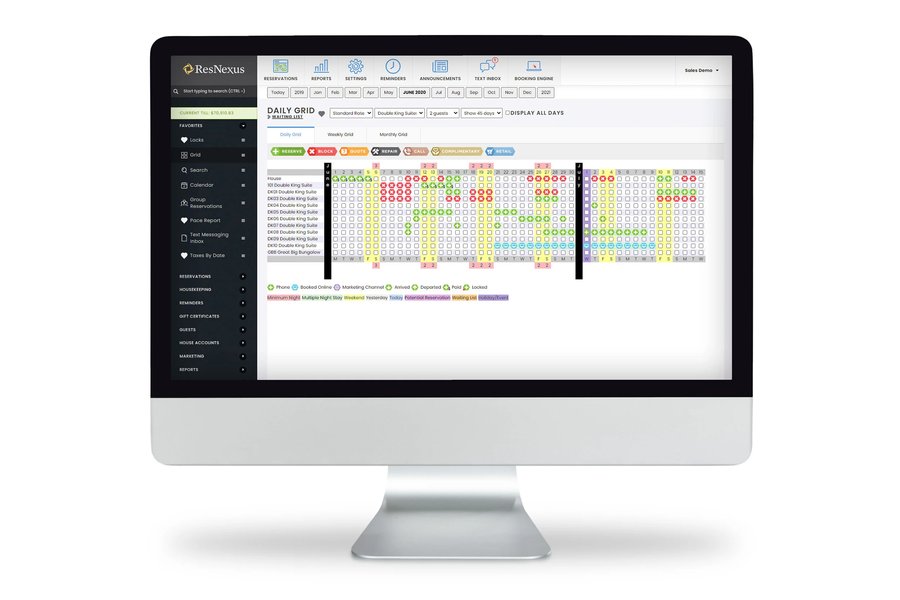
A typical dashboard interface for smart storage management software, showcasing various operational metrics.
The Inner Workings: How Smart Storage Software Operates
The Synergy of Hardware and Software
The mechanism behind smart storage software lies in its sophisticated integration of software intelligence with physical hardware components deployed throughout the self-storage facility. The software platform serves as the central brain, collecting, processing, and analyzing data from a network of interconnected devices. These devices typically include smart locks on individual units and access points, environmental sensors monitoring temperature and humidity, and integrated surveillance cameras. Data from these devices is transmitted in real-time to the central software, providing operators with an up-to-the-minute overview of the facility’s status. For instance, if a unit's temperature exceeds a preset threshold or an unauthorized access attempt is detected, the system can automatically generate alerts for facility staff. Smart locks can be managed remotely, allowing for automated move-ins, move-outs, and lock-outs for delinquent accounts, directly tied to the tenant's status in the management software.
Connectivity and Remote Management
A crucial aspect of smart storage software is its reliance on robust site-wide connectivity, often leveraging cloud-based architecture. This ensures that all data is centralized and accessible from virtually anywhere with an internet connection. This capability is particularly beneficial for operators managing multiple facilities, as it allows them to monitor and control their entire portfolio from a single dashboard, significantly reducing the need for constant on-site presence at each location. Remote management extends to tasks like updating unit availability, processing lease agreements digitally, communicating with tenants, and overseeing security events. This constant flow of information and remote control capabilities empower operators to manage their businesses more proactively and efficiently, responding swiftly to issues and optimizing operations without geographical constraints.
Transforming Self-Storage: The Multifaceted Benefits
Boosting Operational Efficiency
One of the most significant advantages of implementing smart storage software is the dramatic improvement in operational efficiency. By automating a wide array of routine and time-consuming tasks—such as tenant onboarding, electronic lease signing, unit inventory management, invoicing, and payment reminders—the software substantially reduces the administrative workload on facility staff. This automation minimizes the potential for human error, streamlines daily workflows, and frees up valuable time for managers and employees. As a result, staff can redirect their efforts towards more strategic activities, such as enhancing customer service, developing marketing initiatives, exploring business growth opportunities, and focusing on tenant retention, rather than being bogged down by repetitive administrative duties.
Fortifying Security and Access Control
Smart storage software significantly enhances the security posture of self-storage facilities. Through direct integration with advanced access control systems, including electronic gate operators, keypad entry systems, and individual smart locks on storage units, facility managers gain granular control over who can access the premises and specific units. Access permissions can be dynamically managed based on a tenant's account status, automatically restricting access for overdue accounts. Real-time monitoring of access events, coupled with alerts for unauthorized attempts or unusual activity (like prolonged door openings), provides an immediate response capability. Furthermore, many systems integrate with surveillance cameras and environmental sensors (detecting motion, temperature, or humidity anomalies), offering a comprehensive security overview and detailed digital logs for audits or investigations. This layered security approach notisks theft and vandalism but also provides tenants with greater confidence in the safety of their stored belongings.

Modern self-storage units equipped with smart lock technology for enhanced security and access control.
Elevating the Tenant Experience
The adoption of smart storage software translates directly into a more convenient, modern, and satisfying experience for tenants. These platforms typically offer user-friendly online portals or mobile applications where prospective and current tenants can perform a variety of actions at their convenience, 24/7. This includes browsing available units, viewing pricing, completing the entire rental process online (including signing electronic leases), making secure payments, managing their account details, and even receiving automated notifications or support. The ability to self-serve eliminates the need for tenants to visit the facility office during specific hours for common tasks, catering to modern consumer expectations for digital accessibility and immediate service. This enhanced convenience can be a significant differentiator in a competitive market, leading to higher tenant acquisition and retention rates.
Optimizing Revenue and Financial Health
Smart storage software plays a vital role in optimizing revenue streams and improving the financial health of a self-storage business. Automated billing and payment collection processes significantly reduce the incidence of late or missed payments, improving cash flow consistency. Many systems facilitate automated late fee application and can initiate pre-defined collection workflows, such as sending reminders or restricting access for delinquent accounts, without manual intervention. Furthermore, advanced platforms often include tools for dynamic pricing, allowing operators to adjust rental rates based on unit availability, demand, seasonality, or competitor pricing, thereby maximizing revenue per available unit (RevPAU). The data-driven insights and comprehensive reporting features offered by these systems also empower operators to identify financial trends, control expenses more effectively, and make informed decisions to boost overall profitability.
Core Capabilities: Unpacking Major Features
Smart storage software is packed with a wide array of features designed to provide comprehensive control and insight into self-storage operations. The following mindmap illustrates the key functionalities typically found in these advanced platforms, highlighting how they contribute to a more efficient, secure, and profitable business.
Core Features"] id1["Facility Management"] id1a["Interactive Site Maps"] id1b["Real-time Unit Status
(Occupied, Vacant, Reserved)"] id1c["Maintenance Scheduling & Tracking"] id2["Tenant Interaction & Management"] id2a["Online Tenant Portals
(24/7 Access)"] id2b["Electronic Leasing (E-Sign
Digital Contracts)"] id2c["Automated Communications
(Reminders, Notifications)"] id2d["Customer Relationship Management (CRM)
Lead Tracking"] id3["Financial Operations"] id3a["Automated Billing & Invoicing"] id3b["Integrated Payment Gateways
(Credit Card, ACH)"] id3c["Revenue Management Tools
(e.g., Dynamic Pricing)"] id3d["Comprehensive Financial Reporting"] id4["Security & Access Control"] id4a["Smart Lock Integration & Management"] id4b["Automated Gate & Door Access Control"] id4c["Surveillance System Integration"] id4d["Real-time Security Alerts & Logs"] id5["Operational Automation"] id5a["Workflow Automation
(Move-ins, Move-outs)"] id5b["Multi-Location Management Dashboard"] id5c["Digital Document Storage"] id6["Analytics & Business Intelligence"] id6a["Occupancy Rate & Trends Analysis"] id6b["Revenue Per Available Unit (RevPAU) Metrics"] id6c["Tenant Behavior & Demographics Insights"] id6d["Customizable Dashboards & Reports"]
This mindmap provides a visual overview of the interconnected features that make smart storage software a powerful tool for modern facility management. Each category represents a critical aspect of operations, all managed and monitored through a centralized system.
Comprehensive Facility Oversight
Interactive Facility Maps
A hallmark feature of smart storage software is the interactive facility map. This provides a visual, bird's-eye view of the entire storage site, with each unit typically color-coded to indicate its status (e.g., vacant, occupied, reserved, delinquent, or requiring maintenance). Operators can click on individual units to access detailed information, manage reservations, or initiate actions like move-ins or lock-outs. This visual interface greatly simplifies unit inventory management and helps staff quickly identify available units or units needing attention.
Multi-Location Management
For businesses operating more than one self-storage facility, multi-location management capabilities are indispensable. Smart storage software often allows operators to oversee and manage all their properties from a single, centralized dashboard. This unified view provides aggregated data on performance across the portfolio as well as the ability to drill down into the specifics of individual sites. This feature streamlines administration, ensures consistency in operations, and provides a holistic understanding of the business's overall health and performance without needing to log into separate systems for each location.
Streamlined Tenant Interactions
Tenant Portals and E-Leasing
Modern smart storage software places a strong emphasis on tenant convenience through online portals and electronic leasing (e-leasing). Tenant portals allow customers to perform a wide range of actions online, such as browsing available units, comparing sizes and prices, reserving or renting a unit, signing lease agreements digitally, making payments, updating their contact information, and submitting service requests. E-leasing eliminates paperwork, speeds up the move-in process, and allows rentals to occur anytime, anywhere, which is a significant competitive advantage.
Automated Communication
Effective communication is key to tenant satisfaction and operational smoothness. Smart storage software automates various communication touchpoints, such as sending welcome emails to new tenants, payment reminders before due dates, confirmations for received payments, notifications for upcoming rent increases, and alerts for overdue accounts. These communications can often be customized and delivered via multiple channels like email or SMS, ensuring tenants are kept informed while reducing the manual effort required from staff.
Robust Financial Management
Automated Billing and Invoicing
One of the most impactful features is automated billing and invoicing. The software can be configured to automatically generate and send invoices to tenants based on their lease terms and billing cycles (e.g., monthly, quarterly). It also handles recurring billing for autopay customers, ensuring timely and consistent revenue collection. This automation minimizes errors associated with manual invoicing, reduces administrative overhead, and helps maintain a steady cash flow for the business.
Payment Gateway Integration
To facilitate seamless online payments, smart storage software integrates with various secure payment gateways. This allows tenants to pay their rent using a variety of methods, including credit cards, debit cards, and ACH bank transfers, directly through the tenant portal or facility website. These integrations ensure that payment processing is secure, compliant with financial regulations (like PCI DSS), and efficient, with transactions typically recorded automatically in the system.
Advanced Security and Monitoring
Integrated Access Control
Sophisticated access control is a cornerstone of smart storage solutions. The software integrates with electronic gate systems, keypad entry points, and individual smart locks on units. This allows operators to grant or revoke access privileges remotely and automatically based on a tenant's payment status or lease terms. For example, access can be automatically denied if rent is overdue and reinstated once payment is made. Activity logs provide a detailed record of who accessed which areas and when.

Tenant accessing their unit via a mobile app integrated with smart lock technology, highlighting enhanced security and convenience.
Real-Time Monitoring & Alerts
Beyond access control, many smart storage platforms offer real-time monitoring through integration with IoT devices. This can include sensors for detecting motion, unauthorized door openings, unusual temperature or humidity levels within units (crucial for climate-controlled storage), or even water leaks. If any predefined threshold is breached or an anomaly is detected, the system can send instant alerts to facility staff or designated security personnel, enabling swift investigation and response to potential issues, thereby protecting tenants' belongings and facility assets.
Data-Driven Decision Making
Reporting and Analytics
Smart storage software typically includes powerful reporting and analytics tools. These features allow operators to track key performance indicators (KPIs) such as occupancy rates, revenue per available unit (RevPAU), average length of stay, delinquency rates, and marketing campaign effectiveness. Customizable dashboards and detailed reports provide actionable insights into business performance, helping managers identify trends, pinpoint areas for improvement, and make informed, data-driven decisions regarding pricing strategies, marketing spend, and operational adjustments to enhance profitability and efficiency.
Navigating Payment Processes Seamlessly
Automation and Convenience in Payments
Smart storage software revolutionizes payment processes by emphasizing automation and tenant convenience. A core function is automated recurring billing, where the system automatically charges tenants' stored payment methods (like credit/debit cards or bank accounts via ACH) on their due dates. This "set it and forget it" approach for tenants significantly reduces late payments and simplifies their experience. For those who prefer manual payments, online portals offer 24/7 access to make payments using a variety of supported methods. The software typically generates and delivers electronic invoices and payment receipts automatically, further minimizing administrative work and ensuring tenants have clear records of their transactions. Some platforms also support mobile payment options, catering to the increasing preference for managing finances on the go.
Security and Compliance in Financial Transactions
Security is paramount in handling financial transactions, and smart storage software addresses this through robust measures. These platforms typically integrate with PCI DSS (Payment Card Industry Data Security Standard) compliant payment gateways. This means sensitive payment information is encrypted and tokenized, ensuring that credit card details are not stored directly within the storage management software itself, thereby reducing the risk of data breaches. The entire payment workflow, from data entry to transaction processing and record-keeping, is designed with security protocols to protect both the facility and its tenants. Detailed transaction logs and reconciliation tools are also provided to operators, allowing for accurate financial tracking and easier accounting processes, ensuring financial integrity and compliance with regulatory requirements.
Further Insights: Choosing and Automating with Self-Storage Software
Understanding the landscape of self-storage software can be complex. The following video offers valuable perspectives on what to look for when selecting a system and how automation can transform your facility's operations. It delves into key considerations and features that can make a significant difference in managing your self-storage business effectively.
This video provides an overview of different self-storage software options and emphasizes the benefits of automation, aligning with the core advantages offered by comprehensive smart storage solutions. It can help operators identify essential features that contribute to streamlined management and enhanced tenant services.
The Competitive Landscape: Smart Storage Software vs. Alternatives
Distinguishing Factors and Key Players
The market for self-storage management solutions ranges from basic administrative tools to highly sophisticated smart platforms. Traditional methods, including manual record-keeping or rudimentary software, often lack the integration, automation, and real-time capabilities that define smart storage software. Key players in the more advanced space include companies like Storable (with products like SiteLink and Storable Edge), known for their comprehensive feature sets and wide industry adoption, particularly among larger operators. Unit Trac is often praised for its user-friendly interface and remote management capabilities, appealing to operators who need flexibility. Vantiva stands out by emphasizing an end-to-end IoT SaaS solution, deeply integrating hardware (like smart cameras with sensors) and software for advanced remote monitoring and operational efficiency. Other solutions like Self-Storage Manager offer web-based platforms with customization options, while providers like Storeganise or Easy Storage Solutions might cater more to smaller facilities or those seeking budget-friendly, yet functional, automation. The primary differentiator for true smart storage software is its holistic approach, combining robust software intelligence with seamless physical device integration (IoT), enabling a level of automation, security, and data-driven insight that less advanced systems cannot match.
Comparative Overview: Key Solution Attributes
To better understand the evolution and advantages of smart storage software, the table below compares its attributes against traditional or more basic management systems. This highlights the key advancements that smart solutions bring to self-storage facility operations.
| Feature Aspect | Traditional / Basic Systems | Smart Storage Software | Key Advancement with Smart Software |
|---|---|---|---|
| Automation Level | Minimal; significant manual data entry and process handling common. | High; automates critical tasks like leasing, billing, payment reminders, and access control linked to tenant status. | Drastic reduction in manual workload, minimization of human error, and increased operational speed. |
| Hardware Integration (IoT) | Limited or none; security and access systems are typically standalone and managed separately. | Seamless integration with smart locks, environmental sensors, gate controllers, and surveillance cameras. | Unified command and control over physical assets, real-time data collection from the facility environment. |
| Remote Management | Often requires on-site presence for many management tasks and monitoring. | Comprehensive remote access and control via cloud-based platforms and mobile applications. | Ability to manage single or multiple facilities effectively from anywhere, at any time, enhancing flexibility. |
| Tenant Experience | Primarily manual processes, often requiring in-person interactions for rentals, payments, and support. | Online self-service portals, electronic leasing, diverse digital payment options, automated communications. | Significantly enhanced convenience, 24/7 accessibility for tenants, and a modern, professional service impression. |
| Security Features | Basic physical locks, manual surveillance review (if any), reactive security measures. | Integrated smart locks with individual unit monitoring, real-time alerts for security breaches, digital activity logs. | Proactive security management, improved deterrence, better audit trails, and increased protection for tenant belongings. |
| Data Analytics & Reporting | Basic or limited reporting capabilities, often retrospective and requiring manual data compilation. | Advanced analytics, customizable dashboards, predictive insights, and comprehensive real-time reporting. | Empowers data-driven decision-making for pricing, marketing strategies, operational improvements, and revenue optimization. |
| Payment Processing | Manual invoicing, reliance on check/cash payments, cumbersome follow-up for delinquencies. | Automated recurring payments, diverse online payment methods, integrated delinquency management. | Improved cash flow, significantly reduced late payments and bad debt, enhanced payment security and convenience. |
Visualizing Solution Capabilities: A Comparative Analysis
The radar chart below offers a visual comparison of different types of self-storage management solutions based on key operational attributes. This helps illustrate how advanced smart storage platforms, particularly those with strong IoT integration, often provide superior capabilities across multiple dimensions compared to more basic or legacy systems. The scores are hypothetical, intended to represent general profiles rather than specific product evaluations.
This chart visualizes how different solution types might score across various important capabilities, illustrating that advanced platforms generally offer higher performance in areas like IoT integration and automation depth, while enterprise solutions excel in scalability and comprehensive reporting.
Future Horizons: Trends in Smart Storage Technology
The Role of AI and Enhanced Connectivity
The evolution of smart storage software is ongoing, with several exciting trends shaping its future. Artificial Intelligence (AI) and Machine Learning (ML) are increasingly being integrated to provide more sophisticated predictive analytics. This could include forecasting occupancy trends with greater accuracy, predicting maintenance needs for equipment before failures occur, or even dynamically optimizing pricing in real-time based on a wider array of market variables. Enhanced connectivity through the Internet of Things (IoT) will continue to expand, with more types of sensors and smart devices being incorporated to provide richer data streams about facility conditions and usage patterns. Mobile accessibility will become even more central, with robust mobile apps for both operators (allowing full facility management on the go) and tenants (offering a seamless, app-based experience for all interactions). Furthermore, there's a growing focus on hyper-personalization, using data to tailor services and communications to individual tenant needs, and potentially integrating with other smart building or smart city ecosystems for broader operational synergies.
Frequently Asked Questions
Explore Further
- How can IoT sensors improve self-storage unit security and maintenance?
- What are the key considerations when choosing a smart storage software vendor for a small facility?
- Case studies demonstrating ROI from implementing smart storage software in self-storage facilities.
- The impact of mobile applications on tenant experience and operational efficiency in the self-storage industry.
References
Last updated May 9, 2025