
The Smartest Animals on Earth
Exploring the incredible intelligence found across the animal kingdom
Key Takeaways
- Animal intelligence is assessed through various criteria, including problem-solving, social behaviors, and adaptability.
- Many highly intelligent animals, such as primates, dolphins, and corvids, exhibit behaviors that were once considered uniquely human.
- Common traits among intelligent species include tool use, complex communication, and self-awareness.
Top Smartest Animals on Earth
1. Chimpanzees
Chimpanzees are often hailed as the most intelligent animals on the planet, closely related to humans with whom they share approximately 98.6% of their DNA. Their cognitive abilities encompass advanced problem-solving skills, the use of tools, and intricate social structures. Chimpanzees have demonstrated the capacity to learn and use sign language, showcasing their ability to communicate with humans effectively. Their self-awareness is evident through their recognition in mirrors, a trait shared with only a few other species.
2. Bottlenose Dolphins
Dolphins, particularly bottlenose dolphins, are renowned for their large brain-to-body size ratio, which is a key indicator of intelligence. They exhibit sophisticated communication techniques, including the use of unique signature whistles that function similarly to human names. Dolphins are capable of self-recognition in mirrors and display complex social behaviors such as cooperative hunting strategies and teaching young dolphins specific foraging techniques. Their ability to understand symbolic language and mimic human behaviors further underscores their cognitive prowess.
3. Orangutans
Orangutans are highly intelligent primates known for their exceptional tool use and adaptability. They construct complex sleeping nests from leaves, tailored for comfort and protection, and have been observed using tools in innovative ways, such as collecting honey or extracting insects from tight spaces. Their ability to mimic human behaviors, coupled with strong problem-solving skills, highlights their advanced cognitive abilities. Orangutans also possess long-term memory and demonstrate strong maternal teaching capabilities, which are crucial for the survival of their offspring.
4. Elephants
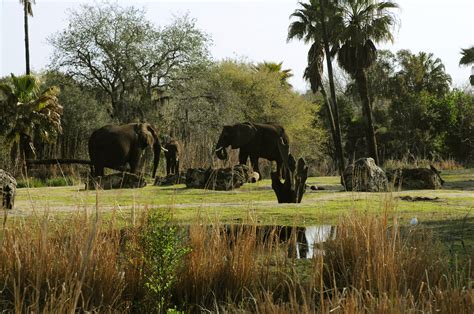
Elephants are celebrated for their remarkable memory and emotional intelligence. They exhibit self-awareness by recognizing themselves in mirrors and have been observed mourning their dead, indicating a deep sense of empathy and social bonding. Elephants use tools effectively, such as using branches to swat flies or dig for water, and engage in cooperative problem-solving to access food and navigate their environment. Their complex social structures and advanced communication methods, including infrasound for long-distance communication, further demonstrate their intelligence.
5. Corvids (Crows and Ravens)
Corvids, which include crows and ravens, are among the smartest birds known for their problem-solving abilities and tool use. They can craft tools by bending wires to retrieve food from inaccessible places and are capable of planning for future events, a cognitive skill once believed to be exclusive to humans and primates. Corvids recognize human faces and can communicate complex information to their peers, showcasing their advanced social intelligence and adaptability.
6. Octopuses
Octopuses stand out as the most intelligent invertebrates, exhibiting incredible problem-solving abilities and adaptability. They can navigate complex mazes, open jars to access food, and use coconut shells as portable shelters. Their ability to escape from enclosures and exhibit play behavior indicates a high level of consciousness and spatial awareness. Octopuses possess both short-term and long-term memory capabilities, making them highly adaptable to changing environments.
7. African Grey Parrots
African Grey Parrots are renowned for their exceptional language comprehension and reasoning skills. They can mimic human speech with remarkable accuracy and understand the context in which words are used. Studies with parrots like Alex have demonstrated their ability to count, recognize colors and shapes, and solve complex puzzles. Their advanced cognitive abilities are comparable to those of primates, making them one of the most intelligent bird species.
8. Pigs
Pigs are highly intelligent and adaptable animals known for their strong problem-solving skills and emotional intelligence. They can learn and remember complex tasks, often outperforming dogs in specific problem-solving tests. Pigs use mirrors to locate food, demonstrate empathy towards other animals, and exhibit the ability to navigate mazes with ease. Their social intelligence is evident in their interactions within groups, showcasing cooperative behaviors and sophisticated communication methods.
9. Bonobos
Bonobos, closely related to chimpanzees, are known for their peaceful social structures and advanced problem-solving skills. They use tools, communicate through symbols, and exhibit empathy towards one another, fostering strong social bonds within their groups. Bonobos demonstrate the ability to plan ahead and can communicate about past events, indicating a high level of cognitive functioning similar to that of humans.
10. Dogs
Dogs are celebrated for their trainability and strong social intelligence. Breeds such as Border Collies and Poodles excel in learning tasks and solving puzzles, demonstrating a high capacity for understanding human emotions and gestures. Dogs can perform complex tasks, including search and rescue operations, and have been trained to assist individuals with disabilities, showcasing their adaptability and intelligence in various environments.
Comparative Analysis
| Animal | Key Traits | Examples of Intelligence |
|---|---|---|
| Chimpanzees | Problem-solving, tool use, social complexity | Using sticks to forage termites, self-recognition in mirrors, complex social behaviors |
| Bottlenose Dolphins | Advanced communication, social intelligence, self-awareness | Signature whistles, teaching hunting techniques, understanding symbolic language |
| Orangutans | Tool use, adaptability, problem-solving | Building complex nests, using tools to collect honey, mimicking human behaviors |
| Elephants | Memory, emotional intelligence, social bonding | Recognizing self in mirrors, mourning dead, using tools collaboratively |
| Corvids (Crows and Ravens) | Tool creation, planning, social strategy | Bending wires to retrieve food, strategizing to protect food stores, recognizing human faces |
| Octopuses | Problem-solving, adaptability, spatial awareness | Opening jars, escaping enclosures, using coconut shells as shelters |
| African Grey Parrots | Language comprehension, reasoning, puzzle-solving | Mimicking human speech, counting, recognizing colors and shapes |
| Pigs | Problem-solving, emotional intelligence, adaptability | Using mirrors to locate food, navigating mazes, demonstrating empathy |
| Bonobos | Peaceful social structures, advanced problem-solving, empathy | Using tools, communicating through symbols, planning ahead |
| Dogs | Trainability, social intelligence, emotional understanding | Performing search and rescue, assisting individuals with disabilities, understanding human gestures |
In-Depth Analysis
1. Chimpanzees
Chimpanzees exhibit intelligence that rivals that of humans in several key areas. Their ability to use tools is one of the most significant indicators of their cognitive abilities. For example, chimpanzees use sticks to extract termites from mounds, demonstrating an understanding of cause and effect. They also use stones to crack open nuts, showcasing their ability to select and use tools appropriately. Their social structures are highly complex, involving cooperation, altruism, and even deception, which require sophisticated mental processing. Additionally, chimpanzees have shown the ability to learn and use sign language, further highlighting their advanced communication skills.
2. Bottlenose Dolphins
Bottlenose dolphins are celebrated for their high intelligence, which is reflected in their complex social interactions and communication methods. Their signature whistles function similarly to human names, allowing individual dolphins to identify and communicate with each other. Dolphins are capable of understanding symbolic language and can follow complex instructions, making them highly trainable. Their cooperative hunting strategies, such as driving fish into tight balls for easier capture, demonstrate teamwork and strategic thinking. Moreover, their ability to teach young dolphins specific foraging techniques indicates a high level of cognitive and teaching abilities.
3. Orangutans
Orangutans are notable for their exceptional adaptability and problem-solving skills. They construct intricate sleeping nests every night, using leaves and branches to create comfortable and safe resting places. This behavior requires foresight and planning, indicating advanced cognitive functions. Orangutans have been observed using tools in the wild, such as sticks to extract insects or rocks to break open hard-shelled fruits. Their ability to mimic human behaviors and learn from their environment further emphasizes their intelligence. Additionally, their strong maternal teaching ensures that young orangutans acquire essential survival skills through observation and imitation.
4. Elephants
Elephants possess some of the most remarkable memories in the animal kingdom, allowing them to recall locations of water sources over vast distances and years. Their emotional intelligence is evident in their interactions with one another, including behaviors that suggest empathy and compassion. Elephants mourn their dead, showing signs of grief by touching and remaining near the bones of deceased companions. They use tools effectively, such as modifying branches to swat insects or retrieving objects from difficult-to-reach places. Their ability to work together to solve problems, such as accessing high-hanging fruit, highlights their cooperative nature and advanced cognitive abilities.
5. Corvids (Crows and Ravens)
Corvids, particularly crows and ravens, demonstrate intelligence that is comparable to some primates. They are capable of creating and using tools, such as bending wires to extract food from containers. Their problem-solving skills are evident in experiments where they navigate mazes or solve puzzles to obtain rewards. Corvids also engage in planning for future events, a complex cognitive process that involves foresight and strategic thinking. Their ability to recognize individual human faces and remember interactions indicates a high level of social intelligence and adaptability.
6. Octopuses
Octopuses are exceptional problem solvers, often outperforming other invertebrates in intelligence tests. They can manipulate their environment by opening jars, unlocking containers, and even escaping from enclosures to explore their surroundings. Their use of tools, such as using coconut shells for shelter, demonstrates their ability to understand and utilize objects in their environment creatively. Octopuses have both short-term and long-term memory, allowing them to learn from experiences and adapt to new challenges. Their ability to navigate mazes and solve complex tasks highlights their advanced spatial awareness and cognitive flexibility.
7. African Grey Parrots
African Grey Parrots are among the most intelligent avian species, known for their exceptional language comprehension and reasoning abilities. Studies with parrots like Alex have shown that they can understand and use a large vocabulary of words meaningfully, count objects, and recognize colors and shapes. These parrots are capable of solving puzzles that require multiple steps, indicating advanced problem-solving skills. Their ability to mimic human speech accurately and use words in context showcases their sophisticated communication capabilities, similar to those of primates.
8. Pigs
Pigs are highly intelligent and adaptable animals that exhibit strong problem-solving skills. They can learn and remember complex tasks, such as navigating mazes and operating simple machinery, demonstrating their capacity for learning and memory. Pigs also show emotional intelligence, displaying empathy towards other pigs and even other species. Their ability to use mirrors to locate hidden food sources indicates a level of self-awareness and spatial understanding. Additionally, pigs are capable of adapting to various environments, showcasing their flexibility and intelligence in diverse settings.
9. Bonobos
Bonobos, like their close relatives chimpanzees, are known for their peaceful and cooperative social structures. They use tools in the wild, such as using sticks to extract insects or leaves to wipe away pests. Bonobos demonstrate advanced problem-solving skills, including the ability to use symbols for communication and sharing information about past events. Their ability to plan ahead and engage in cooperative activities highlights their high level of cognitive functioning. Bonobos also exhibit strong empathetic behaviors, fostering harmonious group dynamics and social bonds.
10. Dogs
Dogs are highly intelligent animals renowned for their trainability and social intelligence. They can learn a wide variety of tasks, from basic commands to complex problem-solving activities, making them invaluable companions and working animals. Dogs display a keen ability to understand human emotions and gestures, allowing for effective communication and bonding with humans. Breeds like Border Collies and Poodles are particularly adept at performing tasks that require intelligence and agility, such as herding livestock and assisting in search and rescue operations. Their adaptability to various roles underscores their cognitive flexibility and intelligence.
Comparative Intelligence Across Species
Intelligence in animals is not a singular trait but a combination of various cognitive abilities that differ across species. These abilities include problem-solving, tool use, communication, social interactions, and adaptability to environments. While primates like chimpanzees and bonobos exhibit intelligence through their complex social structures and tool usage, cetaceans such as dolphins showcase their intelligence through advanced communication and cooperative behaviors. Birds like corvids demonstrate problem-solving and planning abilities, while invertebrates like octopuses exhibit remarkable adaptability and spatial awareness. Understanding these diverse expressions of intelligence provides deeper insights into the cognitive worlds of these remarkable animals.
Conclusion
The animal kingdom is home to an astonishing array of intelligent species, each exhibiting unique cognitive abilities that surpass what was once believed to be exclusive to humans. From the tool-using chimpanzees and dolphins with sophisticated communication skills to the problem-solving octopuses and empathetic elephants, intelligence manifests in myriad forms across different species. These intelligent animals not only enrich our understanding of cognition and behavior but also highlight the intricate connections and shared traits between humans and other living beings. As research continues to unveil the depths of animal intelligence, it underscores the importance of conservation and ethical treatment of these remarkable creatures.
References
Last updated January 20, 2025