
Snenokle: A Delightful Floating Island Dessert
Explore the Origins, Preparation Methods, and Cultural Heritage Behind this Classic Treat
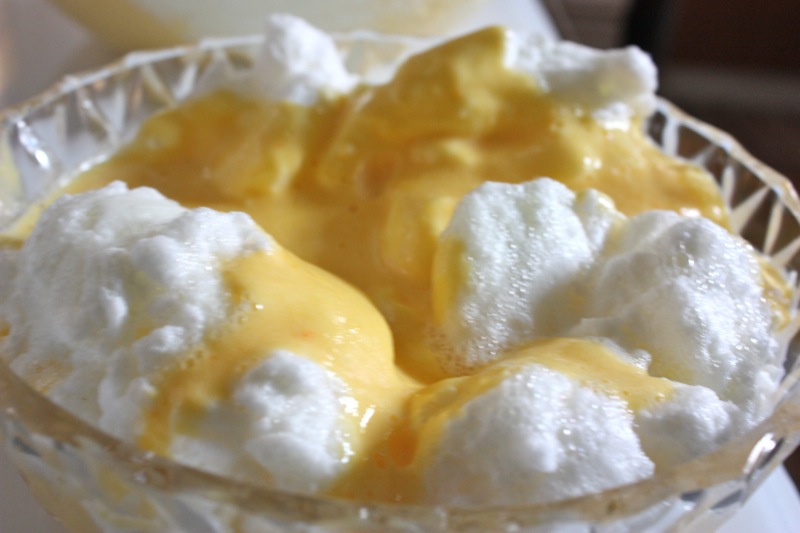
Key Highlights
- Rich Cultural Heritage: Snenokle has roots in Austrian cuisine and is an integral part of Croatian culinary tradition.
- Simple Ingredients, Elegant Texture: With just eggs, milk, sugar, and vanilla, its soft meringue islands float gracefully in a creamy custard.
- Versatile Variations: Regional twists subtly alter the dessert, adding elements like biscuits, liqueurs, or toppings like chocolate shavings.
Historical Background & Cultural Significance
Snenokle, a dessert of intriguing origins, has woven itself into the fabric of European culinary lore. Traditionally believed to have stemmed from Austrian recipes, it quickly became a favorite in Croatian kitchens, carrying with it the legacy of a dish that crosses borders. Across the region, small variations of the dessert have emerged, each paying homage to local tastes and traditions while retaining the core identity of delicate meringue islands floating on a bed of rich vanilla custard.
Historically, this dessert is not merely an indulgence but a symbol of familial warmth and shared culinary traditions. Often associated with family gatherings and special occasions, Snenokle evokes nostalgia as it recalls the recipes passed down by grandmothers and celebrated during summer festivities. Its appealing light texture makes it a popular choice during warm weather, offering a refreshing end to a meal.
Ingredients & Methodology
The simplicity of Snenokle’s ingredients belies the finesse involved in its preparation. Essentially, the dessert comprises two main components: the airy meringue and the velvety vanilla custard.
Ingredients
- Eggs (separating the whites and yolks)
- Milk (preferably whole milk for richness)
- Sugar (for both sweetening the meringue and the custard)
- Vanilla extract or sugar for flavor
- Optionally, a small amount of flour or cornstarch to thicken the custard
Preparation
Step 1: Preparing the Meringue
Begin by separating the egg whites from the yolks. Whisk the egg whites with a pinch of salt (or cream of tartar) until they form stiff peaks. This process is crucial as it creates the airy, snow-like texture that gives Snenokle its characteristic “floating islands.”
Step 2: Poaching the Meringue
After achieving a firm meringue, delicately drop spoonfuls of the beaten whites into milk that is hot but not aggressively boiling. The meringue puffs up as it cooks, creating soft, cloud-like formations. This gentle poaching is a technique that preserves the light consistency of the dessert.
Step 3: Crafting the Custard
In parallel, prepare a vanilla custard by combining the egg yolks and sugar along with a dash of vanilla extract. Gradually introduce hot milk into the yolk mixture to temper it, then cook the combined mixture until it thickens into a smooth custard. The care taken during this step ensures the custard remains silky and complements the airy meringue perfectly.
Step 4: Assembly and Serving
Arrange the poached meringue “islands” in a serving dish, then gently pour the warm vanilla custard over them. The dessert is typically served chilled, accentuating its refreshing lightness. Regional variations may include additional touches like a sprinkle of chocolate shavings, a drizzle of fruit syrup, or even a layer of crumbled biscuits at the base.
Variations and Regional Influences
The beauty of Snenokle lies in its adaptability. While the fundamental elements remain constant, regional variations bring fascinating nuances:
Croatian and Dalmatian Twists
In continental Croatia, the dessert is traditionally known as Snenokle, while on the coast it might be referred to by names that hint at lighter, more summery versions. Some recipes incorporate biscuits at the bottom of the serving dish, which, when moistened by the custard, provide both texture and a subtle contrasting flavor. Additionally, the use of liqueurs such as Maraschino can add an extra layer of depth to the flavor profile.
Austrian and French Inspirations
Many food enthusiasts recognize similarities between Snenokle and the French dessert known as “Œufs à la Neige” (literally “eggs in snow”) or “Île flottante” (floating island). Although the preparation techniques are closely related, the presentation and slight ingredient modifications underscore differing culinary traditions. The consistent element across these variations is the celebration of lightness and the delicate balance between a rich custard and airy meringue.
Visual Comparison Table
| Aspect | Snenokle | French Floating Island |
|---|---|---|
| Primary Ingredients | Eggs, milk, sugar, vanilla | Eggs, milk, sugar, vanilla |
| Texture | Airy meringue with creamy custard | Light meringue floating on custard |
| Regional Variations | Biscuits, liqueurs, chocolate toppings | Often served with caramel or fruit sauces |
| Cultural Significance | Celebrated at family gatherings and festive occasions | Classic French dessert with a refined presentation |
The Significance of Technique and Presentation
The preparation of Snenokle emphasizes precise technique. From whipping the egg whites to the correct stiff peak to the gentle poaching of these delicate meringue islands in hot milk, every step requires attention to detail to ensure the dessert’s characteristic lightness is maintained. The custard, similarly, must be smoothly integrated and carefully thickened to provide a rich yet fluid base that contrasts with the airy texture of the meringue.
Furthermore, presentation plays an important role. Whether served in individual glasses or a generous communal dish, the dessert's visual appeal is undeniable. The contrast of the snowy white meringue against the pale, creamy backdrop of the custard creates an inviting dish that tantalizes both the eyes and the palate.
Seasonal Appeal and Modern Adaptations
Snenokle is particularly favored in the summer months when its light consistency and refreshing taste provide a welcome relief from the heat. However, modern culinary trends have seen creative adaptations that allow this traditional dessert to shine year-round.
Chefs and home cooks alike experiment with contemporary flavors and presentations, such as using seasonal fruits, experimenting with different extracts (like almond or citrus) in the custard, and even creating elegant plated desserts for upscale dining experiences. Despite these modern twists, the essence of Snenokle remains unchanged: a beautifully balanced dessert that celebrates simplicity, tradition, and culinary finesse.
References
- Floating Island Dessert - Travel Honestly
- Traditional Recipe - Bite It Quick
- Šnenokle Recipe - Reci Peci
- Croatian Snenokle - Recepti
- Authentic Croatian Recipe - Croatian Food
- Dessert Variations - Croatia Week
- Floating Island (Dessert) - Wikipedia
- How to Make Snenokle - Chasing the Donkey
- Šnenokle Origins - Bite It Quick
- Meringue Islands - Reci Peci
Recommended Queries
Last updated March 1, 2025