
Accessing the Impact of Social Media on Academic Performance among Students in Ahmadu Bello University Zaria, Nigeria
A comprehensive analysis of digital influence on student success
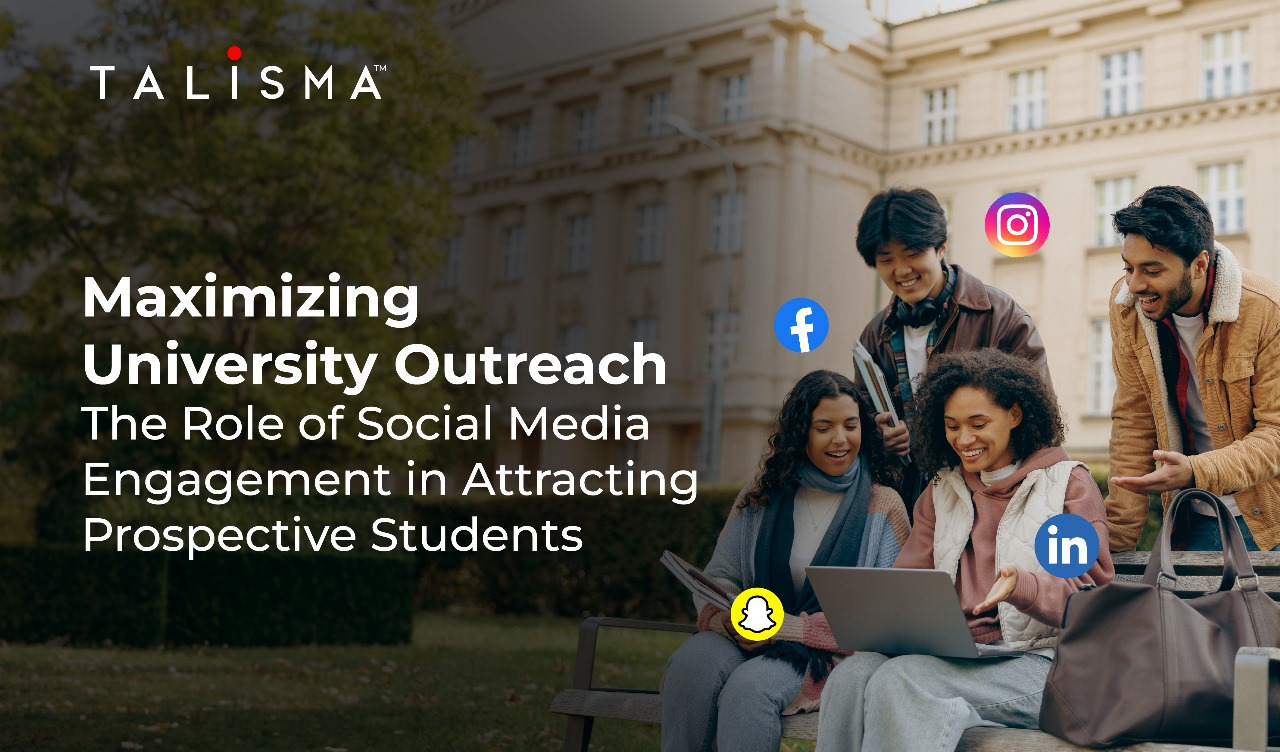
Key Highlights
- Comprehensive Methodology: Detailed survey and interview approaches to capture diverse student experiences.
- Dual Nature of Social Media: Exploration of both the constructive and detrimental aspects of digital usage on academic performance.
- Actionable Recommendations: Strategies for balanced usage, institution policies, and digital literacy programs.
I. Introduction
Setting the Stage for Critical Analysis
Social media has woven itself into the fabric of modern student life globally and within Nigeria. In the context of Ahmadu Bello University (ABU) Zaria, this digital transformation plays a critical role in shaping academic performance. This presentation focuses on accessing the impact of social media on students’ academic outcomes, exploring both the positive contributions and the pitfalls that come with constant connectivity.
With a student population that is highly engaged in digital platforms such as Facebook, WhatsApp, Instagram, and Twitter, there exists a contrasting scenario where social media serves as a tool for collaborative learning and academic enhancement, but also as a source of considerable distraction and counterproductive behavior. This presentation seeks to provide an insightful overview of these dynamics by combining empirical research, case studies, and recommendations for effective usage.
II. Overview of Social Media and Academic Performance
Understanding the Landscape
Definition and Prevalence
Social media encompasses digital platforms that facilitate communication, sharing, and content creation among users. Its prevalence among students at ABU is attributed to readily available smartphones and enhanced internet connectivity. While these channels provide opportunities for academic collaboration, discussions, and resource sharing, they also expose users to potential negative influences that can undermine academic discipline and focus.
Impact on Academic Performance
The relationship between social media use and academic performance is complex. Research findings indicate that moderate and purposeful use of these platforms can lead to improved access to information and enhanced collaborative opportunities. Conversely, excessive or mismanaged usage may result in significant distractions, time mismanagement, procrastination, and even adverse effects on mental health, which collectively diminish academic outcomes.
III. Research Context at Ahmadu Bello University Zaria
A Focus on a Premier Institution
Institutional Background
Ahmadu Bello University, established in 1962, is one of Nigeria’s largest and most reputed universities. Known for its expansive campus and diverse student body, ABU presents a critical case study for understanding the impact of digital trends in academic settings. The dual trends of rapid student adoption of social media and declining academic markers necessitate an exploration of how these two elements interact.
Digital Engagement at ABU
At ABU, social media usage is ubiquitous. Platforms such as Facebook and WhatsApp are widely used by students for study groups, disseminating academic resources, and even for peer support. However, these same platforms have been linked to distractions during lectures and study sessions, highlighting an urgent need for balanced use. Data from preliminary surveys and focus group discussions suggest a significant correlation between high-frequency usage and reduced academic performance.
IV. Methodological Approach
Designing a Comprehensive Analysis
Research Design and Data Collection
The presentation is underpinned by a descriptive survey method enhanced by qualitative insights from interviews. The research involves a mixed-method approach, allowing the collection of quantitative data through structured questionnaires and qualitative data through direct interviews and focus groups.
A representative sample of students from various faculties at ABU was selected to ensure that the study captures diverse academic disciplines and social media usage patterns. Emphasis was placed on measuring the frequency, duration, and purpose of social media usage as well as its correlation with academic achievements.
Key Research Questions
The study centers on several pivotal research questions:
- How does the frequency and type of social media usage affect academic performance?
- What are the positive influences of social media on collaborative learning and resource sharing?
- Which negative impacts, such as distractions and mental health issues, emerge from excessive social media use?
- What strategies can be implemented to foster responsible digital consumption among students?
Research Instruments
Data was collected using questionnaires tailored to assess social media behavior and academic outcomes. The questionnaire, titled “Social Media and Academic Performance of Students Questionnaire (SMAAPOS),” included sections on demographic data, usage patterns, and self-assessments of academic performance.
V. Findings and Analysis
What the Data Reveals
Quantitative and Qualitative Insights
Analysis of the collected data reveals a dual impact of social media on academic performance:
-
Positive Aspects:
- Enhancement of collaborative projects through online study groups and academic forums.
- Improved access to educational content, tutorials, and academic resources.
- Networking with peers and professionals, supporting academic and career development.
-
Negative Aspects:
- Reduction in study time due to excessive engagement in non-academic activities.
- Increased distraction and procrastination, leading to poor time management.
- Potential mental health impacts such as anxiety and depression, indirectly affecting academic focus.
Correlation Analysis
A significant aspect of the study involved establishing the correlation between social media usage and academic performance. Using statistical methods, a negative correlation was observed where students exhibiting high-frequency usage tended to report lower academic scores. An illustrative table below summarizes the key correlations observed:
| Aspect | Positive Impact | Negative Impact |
|---|---|---|
| Time Management | Scheduled study groups and discussion forums | Extended non-academic usage leads to time wastage |
| Academic Resource Access | Easy access to tutorials, course materials, and online lectures | Overload of non-relevant information causing distraction |
| Mental Well-being | Peer support and community engagement can boost morale | Increased risks of anxiety and reduced concentration |
This table provides a succinct comparison of the positive and negative dimensions of social media usage in the academic context.
VI. Case Studies and Institutional Insights
Real-World Examples and Data Interpretations
Local Case Studies
Specific case studies of ABU students reveal that those who use social media platforms primarily for academic collaboration tend to exhibit improved performance compared to those whose engagement is recreational. For instance, a group of final-year engineering students reported leveraging WhatsApp groups to clarify course materials and collaborate on projects, which translated into better exam outcomes.
Comparative Global Data
Global studies indicate a similar pattern where balanced use of social media supports academic inquiry while unregulated use hampers it. By comparing ABU data with international research, it is evident that the challenges and benefits observed are undoubtedly reflective of broader trends in higher education, underscoring the need for tailored interventions in Nigerian universities.
VII. Recommendations for Balanced Social Media Usage
Strategies to Enhance Academic Outcomes
For Students
Students should cultivate disciplined social media habits by:
- Prioritizing academic tasks before engaging online.
- Participating in structured online study groups rather than prolonged casual browsing.
- Utilizing digital wellness applications to monitor screen time and manage app usage effectively.
For Educators and Institutions
University administrators and educators can play a pivotal role by:
- Implementing digital literacy programs that educate students about the benefits and pitfalls of social media.
- Creating clear guidelines and policies for responsible social media usage in academic environments.
- Organizing workshops and seminars geared towards effective time management and the strategic use of online resources.
For Parents and Guardians
Encouraging open dialogues about digital habits and monitoring usage can help in mitigating excessive social media engagement. Parental involvement remains essential in guiding younger students towards balanced digital consumption.
VIII. Interactive Discussion and Final Thoughts
Engaging the Audience with Open Questions
As we wrap up our presentation, it is important to open the floor for discussion. Consider the following thought-provoking questions:
- How do you personally manage your digital time, especially during peak academic periods?
- What institutional policies can be most effective in mitigating the negative impacts of social media on academic performance?
- How can educators integrate social media into the learning process without compromising academic rigor?
These questions are designed to stimulate critical thinking and encourage collaborative problem-solving among students, educators, and policymakers, paving the way for future research and policy formulation at ABU and beyond.
References
- ScienceOpen Document - ScienceOpen
- ResearchGate Publication - ResearchGate
- AJOL Journal Article - AJOL
-
PubMed Central Article - NIH
- Academia.edu Paper - Academia.edu
Recommended Queries for Further Insights
Last updated March 7, 2025