
Data Analysis on the Influence of Social Media on Enhancing Cooking Skills of Grade 12 Cookery Students
Exploring how digital platforms boost culinary education and student engagement
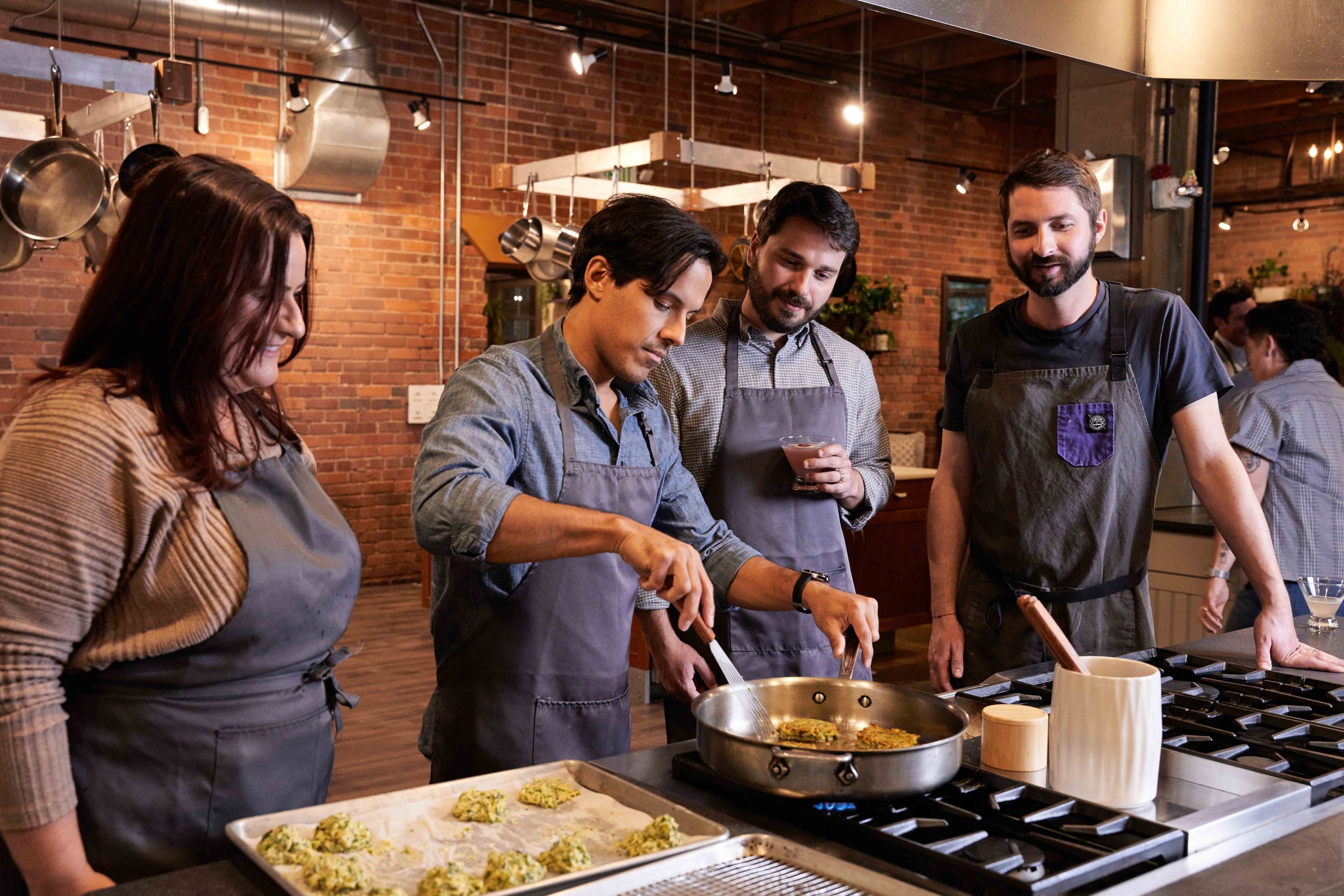
Key Highlights
- Enhanced Learning and Accessibility: Social media platforms provide immediate access to vast culinary resources, diverse recipes, and professional tutorials essential for skill development.
- Engaging Multimedia Formats: The use of dynamic video tutorials, interactive posts, and live sessions caters to visual and step-by-step learning, improving overall cooking skills.
- Community and Collaborative Learning: Digital communities foster peer interaction, professional feedback, and collective inspiration, essential for hands-on culinary progress.
Introduction to Social Media’s Role in Culinary Education
In recent years, social media has revolutionized how students approach culinary skills development, particularly in Grade 12 cookery classes. Platforms such as YouTube, TikTok, Instagram, and specialized food blogs provide versatile, engaging, and diverse content that encourages experimentation, practice, and advanced learning in the kitchen. The integration of detailed tutorials, interactive demonstrations, and community discussions makes it possible for students to overcome traditional learning barriers.
Expanding Access to Culinary Resources
Social media serves as a bridge between expert culinary practices and budding home cooks. Traditional classroom settings may provide structured courses, but the dynamic content available online offers numerous advantages:
Diverse Culinary Traditions and Recipes
Social media platforms showcase a wide array of cuisines, presenting students with a global perspective on food. For instance, Grade 12 students are not limited to local dishes; instead, they can explore international recipes that include techniques, ingredients, and flavor profiles from various cultures. This global exposure enriches the students' culinary repertoire and sparks creativity in the kitchen.
Step-by-Step Tutorials and Visual Learning
Many platforms offer segmented video tutorials that break down even the most complex recipes into manageable tasks. The visual nature of these resources means that students can clearly see each step of the cooking process. Whether it is knife skills, sautéing techniques, or intricate dessert preparations, students benefit from the clarity and precision of step-by-step visual demonstrations.
Mechanisms and Data Analysis Approaches
Analyzing the impact of social media on culinary skills among Grade 12 students requires using both quantitative and qualitative research methods. The diverse methodologies adopted in various studies provide a comprehensive understanding of how digital content translates into practical cooking skills.
Quantitative Analysis
Recent meta-analyses and surveys have quantified the influence of social media on culinary skill development. A notable meta-analysis of 15 articles reported a moderate positive effect (effect size = 0.50) on improving cooking skills. Data shows that approximately 77% of users claim that social media has positively influenced their cooking abilities. These figures suggest that there is a direct correlation between engagement with social media content and skill improvement.
Surveys and Polls
Surveys conducted among students reveal that nearly 97% of internet users have attempted new recipes discovered online. These polls reflect how frequently Grade 12 cookery students consult platforms such as YouTube, Instagram, and TikTok to refresh their culinary technique and experiment with something new. Such statistics underline the high level of engagement that social media drives in culinary learning.
Correlation and Regression Studies
Comprehensive studies have analyzed the time spent on social media platforms and the corresponding enhancement in cooking skills. These analyses often employ correlation and regression techniques to estimate the effectiveness of digital content. For example, time management data from students is compared to improvements in techniques such as baking or knife skills. The resulting correlation reinforces the notion that controlled and frequent exposure to quality content significantly bolsters practical cooking capabilities.
Qualitative Analysis
Alongside quantitative approaches, qualitative methods such as interviews and focus groups also reveal insightful narratives. These studies uncover:
Student Experiences and Feedback
Qualitative interviews have allowed educators and researchers to compile anecdotal evidence on how social media helps build culinary confidence. Grade 12 students report feeling more encouraged to experiment in the kitchen after watching live demonstration videos or step-by-step guides on culinary blogs. This qualitative feedback is imperative to understanding the personal development of culinary skills beyond mere numerical metrics.
Interaction with Influencers and Chefs
The presence of professional chefs and food influencers on social media has a positive impact by providing expert advice and demonstrations. As these influencers share insights into food preparation, presentation, and innovation, students gain access to expert-level techniques that traditional classrooms may not cover in depth. This direct interaction helps demystify complex culinary processes and inspires students to practice consistently.
Comparative Analysis and Practical Implementation
While the benefits of social media in culinary instruction are clear, the integration of these platforms into practical learning requires a strategic approach. Educators can play a pivotal role by blending digital resources with in-class assignments and hands-on cooking demonstrations. By doing so, they create a balanced and cohesive learning environment that maximizes both visual learning and tactile practice.
Structured Learning and Digital Integration
Combining traditional culinary education with digital content is a multi-step process. Key elements include:
Curated Content Selection
Teachers should take the initiative to curate a list of reliable and educational social media resources. By selecting high-quality video tutorials, step-by-step guides, and professional cooking demonstrations, educators ensure that students are exposed to accurate techniques and methods. This curated list minimizes the potential pitfalls of misinformation commonly associated with user-generated content.
Balanced Curriculum Integration
A balanced curriculum that integrates classroom teaching with digital learning can be structured to include both theoretical and practical components. Students can benefit from watching a tutorial before attempting similar recipes in class, thereby reinforcing the lessons through real-life application. This dual approach enhances memory retention and increases overall culinary proficiency.
Interactive Learning Modules
Incorporating interactive sessions, such as live Q&A sessions with professional chefs or register-based challenges, can significantly boost student engagement. These sessions not only provide immediate feedback but also create a sense of community where learners feel supported in their culinary journey.
Data-Driven Insights through Comparative Tables
The integration and effectiveness of these digital strategies can be succinctly presented in comparative tables that break down the various facets of social media’s influence on learning outcomes.
| Aspect | Benefits | Challenges | Implementation Strategy |
|---|---|---|---|
| Content Accessibility |
|
|
|
| Skill Acquisition |
|
|
|
| Community Engagement |
|
|
|
Community and Educator Roles in Enhancing Culinary Skills
Beyond the individual direct benefits of online tutorials and visual aids, community involvement and educator guidance play pivotal roles in maximizing the positive influence of social media. A thriving online community provides a platform for continuous learning and feedback, which is particularly beneficial for Grade 12 students eager to refine their techniques.
Digital Communities and Peer Interactions
Social media platforms foster an environment where learners can share experiences, seek feedback, and troubleshoot issues in real time. These digital communities offer the following advantages:
Supportive Feedback Mechanisms
Through comments, direct messages, and discussion threads, students can receive immediate responses to their queries or critiques of their practical work. This feedback loop is essential in correcting mistakes and reinforcing proper techniques.
Peer-to-Peer Learning
Engaging with peers who share similar interests in culinary arts creates a collaborative learning environment. Peer reviews and group challenges encourage experimentation and innovation, leading to enhanced skills and confidence. Moreover, the social validation received from these interactions further motivates students to persist in their culinary endeavors.
Educators as Integrators of Digital and Traditional Learning
While social media provides extensive learning opportunities, the educator’s role remains indispensable. By integrating curated digital resources into their lesson plans, teachers can complement theoretical lessons with practical demonstrations. A few strategies explored include:
Guided Viewing Sessions
Teachers can organize guided viewing sessions where students watch carefully selected video tutorials in a classroom or virtual setting. These sessions allow for synchronized learning experiences, after which students can discuss key takeaways and address queries.
Assignment Integration
Assigning tasks based on online tutorials, such as replicating a recipe or mastering a specific technique, bridges the gap between digital learning and practical application. This hybrid approach ensures that students are not passive consumers of online content but actively translate concepts into real-world actions.
Analyzing Benefits and Addressing Challenges
While social media presents numerous benefits for enhancing culinary skills, it is necessary to also consider the challenges to develop effective mitigation strategies.
Identified Benefits
The overwhelming majority of data indicates that social media is largely beneficial in fostering culinary creativity and competency among Grade 12 students. Some prevalent benefits include:
- Increased Exposure: Students have a broader access to various cuisines and novel cooking techniques, which cultivate an adventurous mindset in the kitchen.
- Instructional Support: Detailed guides and professional-level recipes lower the barrier to entry for complex tasks, encouraging gradual skill development.
- Immediate Feedback: The interactive nature of social media provides prompt review mechanisms, enabling students to adjust and learn in real time.
- Personalized Learning: With a range of content catering to different skill levels, students can find resources tailored to their needs, allowing for self-paced learning.
Challenges and Mitigation Strategies
Despite the clear advantages, a few challenges must be acknowledged:
Digital Distraction and Time Management
The potential for distraction is inherent to social media. With an abundance of non-educational content readily available, students might find it challenging to focus exclusively on learning. To mitigate this, establishing controlled schedules for digital learning sessions is recommended, ensuring that time is allocated efficiently between practical kitchen work and online exploration.
Quality Assurance of Online Content
Not all cooking tutorials available online are created equal. Some may lack proper technique or vetted information that could lead to misconceptions. Therefore, educators and students alike need to develop skills in critical analysis of digital content. This involves assessing the credibility of the source, cross-verifying information with other reputable sources, and selecting content that is endorsed by culinary professionals.
Access Inequality
It is important to recognize that not every student may have consistent access to high-speed internet or premium digital devices. This digital divide can impede the equitable distribution of social media benefits. Institutions must consider supplementary resources, such as on-campus digital hubs or offline resources derived from online content, to ensure that learning remains inclusive.
Implementation Framework for Practical Use
To systematically harness the potential of social media for improving culinary skills, an effective framework should encompass both policy-level guidelines and day-to-day teaching strategies. This implementation framework is designed to blend digital content with hands-on instruction seamlessly.
Curriculum Integration Model
The proposed curriculum model leverages digital and traditional learning resources in a complementary manner:
| Curriculum Component | Digital Integration | Traditional Practice |
|---|---|---|
| Video Tutorials | Curated selections of high-quality online cooking demos | Practical cooking sessions replicating the techniques seen |
| Interactive Discussions | Online discussion forums and live sessions with culinary experts | In-class group discussions and feedback sessions |
| Assignments & Challenges | Social media culinary challenges and recipe replications | Hands-on lab assignments and teacher-supervised cooking practice |
Role of Educators and Institutions
Educators must lead the way in integrating these digital strategies into everyday learning. This involves not only identifying reliable digital resources but also facilitating sessions that encourage active participation. Institutions can support this transition by investing in blended learning models that combine lectures with digital tutorials, scheduled interactive sessions, and assessment frameworks that include online-based assignments.
Professional Development for Teachers
Teachers should be provided with training and professional development opportunities on the effective use of social media and digital content for culinary education. This ensures that they remain informed about emerging trends and digital tools, and can guide their students efficiently.
Evaluation and Feedback Mechanisms
To measure the impact of digital integration, evaluation methods such as periodic surveys, practical skill assessments, and digital engagement analytics should be incorporated. Continuous feedback from both students and educators can help refine the approach, ensuring that the system remains dynamic and responsive to learning needs.
Technological Trends and Future Directions
The future of culinary education is aligned with rapid technological advancements. Social media is evolving with augmented reality (AR) cooking classes, virtual reality (VR) simulations in culinary schools, and personalized AI-driven recipe recommendations. These emerging trends are likely to further enhance skills acquisition, enabling Grade 12 cookery students to benefit from hyper-personalized learning experiences.
Incorporating Emerging Technologies
The next generation of learning tools is set to include immersive technologies that simulate real-life cooking environments. With AR and VR, students may be able to experience a fully interactive kitchen environment where they can practice techniques in a virtual space. Meanwhile, AI systems can analyze individual student learning patterns and recommend specific digital content catered to their improvement areas.
Impact on Skill Mastery
When integrated with social media platforms, emerging technologies promise to provide learners with instant feedback and personalized coaching. For instance, an AI system might alert a student to adjust knife handling techniques in real time based on sensor data from a smart kitchen. These innovations are both transformative and accessible, paving the way for sustained skill advancement and increased culinary creativity.
Bridging the Digital and Physical Divide
Although online resources have dramatically altered culinary education, hands-on practice remains irreplaceable. The future lies in creating synergistic learning environments where digital content enhances physical practice. Continued adoption of technology in classrooms alongside traditional, tactile cooking sessions will ensure that students benefit from the best of both worlds.
References
- Meta-Analysis of the Influence of Social Media on Students' Cooking Skills - ResearchGate
- How Social Media Has Influenced the Way We Cook - Daily Press
- How Social Media Can Improve Your Cooking Skills - Danby
-
Influence of Social Media on Culinary Skills - AASGBCPJMRA
- Social Media in Culinary Education - Taylor & Francis
Recommended Search Queries
Last updated March 9, 2025