
Conceptual Framework on Social Media's Influence on Cooking Skills
Exploring How Digital Platforms Enhance Grade 12 Culinary Abilities
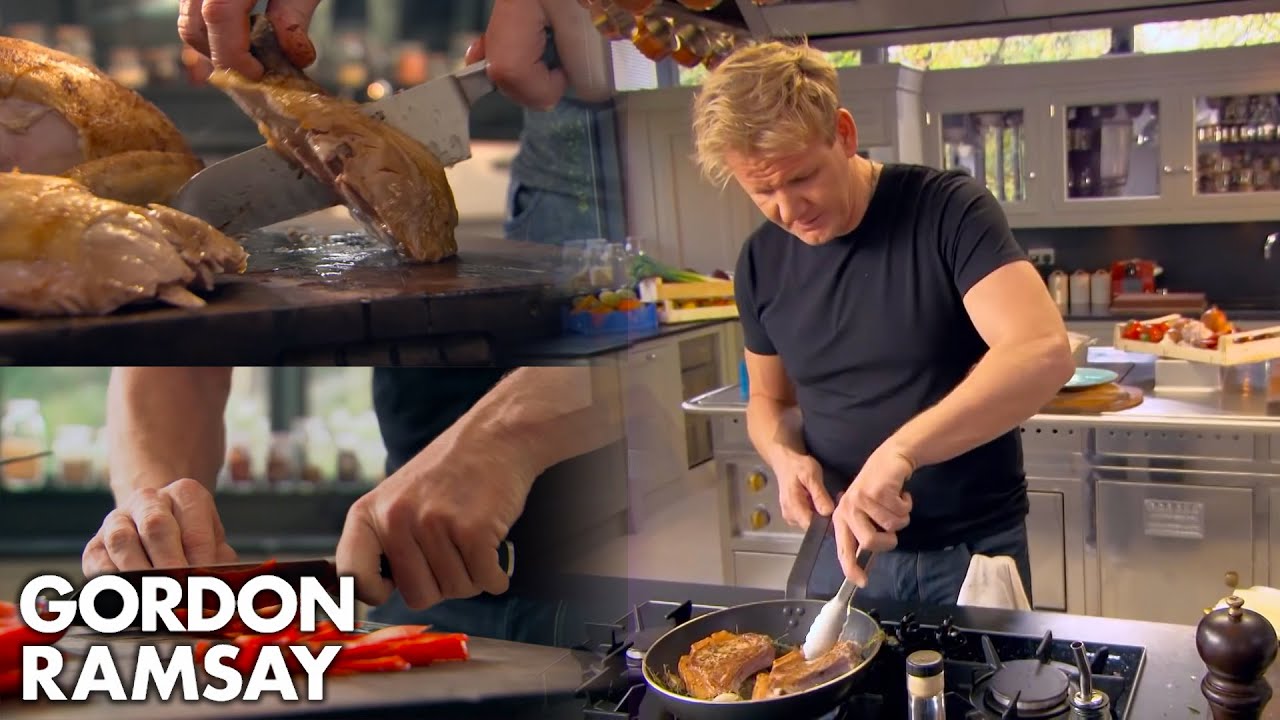
Key Insights
- Integration of IPO Model: A structured framework using Input, Process, and Output elements clarifies the role social media plays in skill development.
- Enhanced Learning Through Digital Engagement: Social media platforms offer visual learning, interactive engagement, and community support that collectively improve cooking techniques and confidence.
- Quantitative and Qualitative Measurements: Multiple performance metrics, from practical assessments to surveys and engagement analytics, enable effective evaluation of culinary skill improvement.
Introduction
In the contemporary learning environment, social media platforms have revolutionized the way culinary skills are acquired and refined, especially among Grade 12 cookery students. The dynamic and interactive nature of social media provides students with access to a wealth of resources such as video tutorials, community feedback, and recipe innovations. This conceptual framework outlines a comprehensive evaluation model using the Input-Process-Output (IPO) approach, along with diverse measurement strategies, to understand how social media positively influences the enhancement of cooking skills in secondary education.
Framework Overview
Core Components of the IPO Model
The framework is designed around the Input-Process-Output (IPO) model which serves as a systematic approach to understand the mechanisms through which social media impacts the culinary skills of Grade 12 students. It explores necessary inputs, the processes utilized during learning, and the outputs that represent enhanced cooking skills and confidence. This model is further enriched with measurable outcomes that help evaluate practical improvements and theoretical advancements in cooking proficiency.
Input
The Input stage involves gathering essential elements that form the basis of the learning process for cooking skills. These inputs include:
- Student Characteristics: This includes age, previous cooking experience, digital literacy, motivation levels, and initial culinary knowledge.
- Social Media Platforms: A wide array of platforms such as Instagram, TikTok, YouTube, Facebook, and Pinterest offer diverse content that caters to culinary education.
- Content Quality and Variety: The availability of high-quality tutorials, step-by-step recipe demonstrations, advanced culinary techniques, food styling tips, and innovative recipes from food bloggers, chefs, and influencers.
- Technological Infrastructure: Essential technological resources like smartphones, computers, and reliable internet connectivity ensure that students can access the digital content effectively.
- Access to Kitchen Resources: Availability of necessary ingredients and cooking tools which are often recommended through social media posts.
Process
The Process stage encapsulates the various learning strategies and activities students engage in after encountering the inputs. The following elements characterize this stage:
- Content Engagement: Students actively interact with social media content by watching video tutorials, browsing through recipe posts, and following food influencers. This phase includes observing cooking techniques and understanding methods through detailed visual demonstrations.
- Learning and Experimentation: After exposure to social content, students try out new recipes in their kitchens. They apply the observed techniques, often experimenting with modifications to suit personal taste, available ingredients, or dietary preferences.
- Interactive Feedback: Social media platforms facilitate immediate and interactive feedback through likes, comments, and shares. This interactive engagement promotes iterative learning, where students refine their techniques based on the critiques and suggestions from peers, professional chefs, or influencers.
- Peer Collaboration: By participating in group challenges, online forums, and community discussions, students collaborate with peers to exchange insights, troubleshoot common cooking issues, and collectively innovate new recipe concepts.
- Self-paced Skill Enhancement: Students control the pace of learning by revisiting posted tutorials, conducting independent research, and practicing repeatedly until a desired level of proficiency is achieved. This element underscores the value of self-directed learning in culinary education.
Output
The Output stage signifies the resultant improvements in cooking skills and other associated benefits that students achieve from their engagement with social media. Key outcomes include:
- Improved Culinary Techniques: Students acquire advanced skills such as baking, grilling, sautéing, and food presentation techniques. Enhanced precision and hands-on skills are an evident output of consistent practice influenced by digital exposure.
- Enhanced Confidence: Visual and interactive learning improves self-efficacy, leading to increased confidence in the kitchen. This newfound assurance motivates students to experiment with complex recipes and entertain culinary challenges.
- Broadening of Recipe Repertoire: Exposure to international cuisines and innovative recipes expands students’ understanding of different cooking styles, broadening their culinary horizons.
- Creativity and Innovation: Continuous interaction and experimentation foster creativity. Students are more likely to innovate and create original dishes by combining traditional methods with modern trends showcased on social media.
- Engagement in Culinary Communities: Enhanced participation in online cooking communities encourages lifelong learning and collaboration among budding culinary experts, fostering a sustainable learning environment beyond the classroom.
Measurement Strategies
Quantitative and Qualitative Evaluation
To effectively assess the impact of social media on the cooking skills of Grade 12 students, it is essential to employ both quantitative and qualitative measurements. This dual-assessment strategy helps in capturing a complete picture of the learning outcomes.
Quantitative Measurements
Quantitative assessments provide measurable data on skill improvement and engagement levels. These instruments include:
- Pre-Test and Post-Test Evaluations: Practical cooking examinations administered before and after exposure to social media content. Comparisons of scores and performance metrics indicate improvements in technique and overall culinary proficiency.
- Recipe Completion Metrics: Tracking the number of recipes attempted and successfully executed by students. The diversity of recipes and complexity levels serve as quantitative benchmarks for culinary growth.
- Engagement Analytics: Measuring digital engagement metrics such as the number of tutorials watched, frequency of social media interactions (likes, shares, comments), and time spent on cooking-related pages. This data correlates with students' interest and the potential impact on their skills.
- Performance Rubrics: Standardized rubrics used in practical assessments can quantify aspects like precision, creativity, plating, and overall cooking performance. Regular feedback from instructors using these tools provides further numerical evidence of skill progression.
Qualitative Measurements
Qualitative methods provide deeper insights into the perceptions and attitudes of students. They help in understanding the nuances of learning that quantitative methods might overlook.
- Self-Assessment Surveys: Students complete detailed surveys assessing their confidence, satisfaction, and perceived improvement in cooking skills. Open-ended questions allow for expressive feedback on individual experiences with social media learning.
- Instructor Evaluations: Educators provide qualitative feedback based on direct observation of student performance in both controlled settings and real-world cooking scenarios. These evaluations can highlight improvements in technique and execution.
- Focus Group Discussions: Organized group discussions among students offer a platform for sharing insights about what specific social media content was most beneficial, and how these digital interactions impacted their learning and creativity.
- Content Reflection Journals: Encouraging students to maintain journals that detail their cooking experiments, challenges faced, and observations on the influence of online resources. These reflections are critical for identifying recurring trends in learning behavior, such as reliance on specific types of content or novel techniques acquired via social media.
Measurement Instruments Table
Below is a table summarizing the primary measurement instruments used in the framework:
| Measurement Type | Instrument | Purpose |
|---|---|---|
| Quantitative | Pre-Test/Post-Test Practical Exams | Assess changes in culinary skills and technique proficiency |
| Quantitative | Engagement Analytics | Measure digital interactions and time spent on culinary content |
| Quantitative | Performance Rubrics | Objectively score precision, creativity, and presentation |
| Qualitative | Self-Assessment Surveys | Capture student perceptions on skill improvement and learning satisfaction |
| Qualitative | Focus Groups & Journals | Provide in-depth insights and personal reflections on learning experiences |
Integrating Social Media into Culinary Education
Strategies for Effective Integration
Recognizing the transformative potential of social media in culinary education, it is critical to integrate these digital platforms effectively within the curriculum. Educators can use the following strategies to optimize learning outcomes:
- Structured Digital Modules: Develop curriculum modules that incorporate carefully selected social media content tailored to the skills being taught. These modules should provide step-by-step guidance, encouraging students to replicate techniques and experiment with modifications.
- Blended Learning Approaches: Combine traditional classroom instruction with digital resources. For example, after a face-to-face demonstration of a culinary technique, students can watch supplementary video tutorials online to reinforce the lesson.
- Interactive Assignments: Use challenges and competitions based on social media trends to motivate students. Assignments can include preparing a dish inspired by a trending recipe and posting the results online for peer review.
- Engagement with Influencers: Invite professional chefs or renowned food bloggers to host virtual workshops or live sessions. This interaction offers students practical industry insights and an opportunity to ask questions in real time.
- Continuous Feedback Mechanisms: Establish regular feedback loops where students can discuss their progress, troubleshoot cooking challenges, and present innovative ideas in class discussions or online forums.
Benefits and Challenges
Benefits
The integration of social media in culinary education offers various benefits:
- Rich Visual Content: High-quality video tutorials and interactive content provide clear demonstrations of complex cooking techniques and methods.
- Real-Time Feedback: Social media allows for immediate responses from peers and experts which are essential for refining skills and correcting misunderstandings.
- Diverse Culinary Perspectives: Exposure to a global array of recipes and presentation styles enriches students' creative processes and understanding of cuisine diversity.
- Enhanced Student Engagement: The interactive nature of digital platforms increases motivation, encouraging students to explore beyond the traditional textbook methods.
Challenges
Despite the numerous benefits, certain challenges must be addressed:
- Information Overload: The vast amount of online content can be overwhelming. Selective curation and guided learning paths help mitigate this issue.
- Variable Content Quality: Not all online content is vetted. Educators must provide recommendations to ensure that students access reliable and accurate information.
- Digital Divide: Inconsistent access to technology or internet connectivity among students can hinder equal learning opportunities. Schools may need to provide additional support or resources.
Detailed Case Example
A Day in the Life of a Grade 12 Cookery Student
Consider a typical scenario where a Grade 12 cookery student embarks on a project-inspired learning journey driven by social media. The student begins the day by watching a cooking tutorial on a popular video platform that demonstrates an intricate soufflé technique. Utilizing the Input provided by the readily accessible video, the student observes detailed explanations and visual cues.
With the Process stage in action, the student gathers available ingredients and kitchen tools, and then practices the technique in real-time. Mid-cooking, the student posts progress updates and photos on a chosen social media platform, inviting feedback from peers and culinary experts. This interactive engagement not only motivates the student but also provides critical insights for technique adjustments.
By the end of the project, the Output becomes evident in the form of enhanced cooking skills—the soufflé is prepared satisfactorily, achieving both an airy texture and a visually appealing presentation. Periodic performance assessments using predefined rubrics, self-assessments, and instructor feedback consolidate the learning outcomes, highlighting improvements in both skill level and culinary confidence.
This case exemplifies how systematic use of social media as a tool for skill enhancement, combined with targeted measurements and iterative feedback, leads to measurable and qualitative development in a student's culinary journey.
Implementation and Future Directions
Adapting Curriculum to a Digital Age
The evolving digital landscape necessitates that educational institutions revise their teaching strategies to seamlessly integrate social media into the curriculum. Establishing formal partnerships with food experts and digital content creators can create a robust interdisciplinary method that leverages both traditional culinary training and modern digital tools.
Future research and pilot programs could focus on longitudinal studies tracking the long-term benefits of digital learning in culinary arts. Furthermore, the development of specialized digital platforms designed exclusively for culinary education may ensure quality control and personalized feedback, thereby maximizing both engagement and skill development.
Conclusion
In conclusion, the conceptual framework detailed above provides a thorough examination of how social media influences the enhancement of cooking skills among Grade 12 cookery students. By leveraging the Input-Process-Output model, educators and researchers can systematically analyze the pathways through which digital content transforms culinary competencies. Both quantitative and qualitative measurement strategies ensure a holistic evaluation, capturing improvements in practical techniques and the growth of student confidence. The integration of social media in culinary education not only enriches the learning experience by providing diverse, visually engaging, and interactive content but also fosters innovation and creativity in the kitchen. As educational paradigms shift, the continued adaptation and refinement of digital pedagogies will be critical in preparing students with the skills necessary for success in a technologically driven world.
References
- Meta Analysis on Cooking Skills - ResearchGate
- How Social Media Impacts Cooking - Daily Press
- Social Media's Role in Cooking - Danby Blog
- Cooking Skills Enhancement via Social Media - The Daily Meal
- Culinary Trends on Social Media - Multipost Digital
Recommended

Last updated February 28, 2025