
Exploring Culinary Growth: Social Media's Impact on Grade 11 Cookery Skills
Unveiling research insights on how online platforms enhance cooking proficiency for high school students
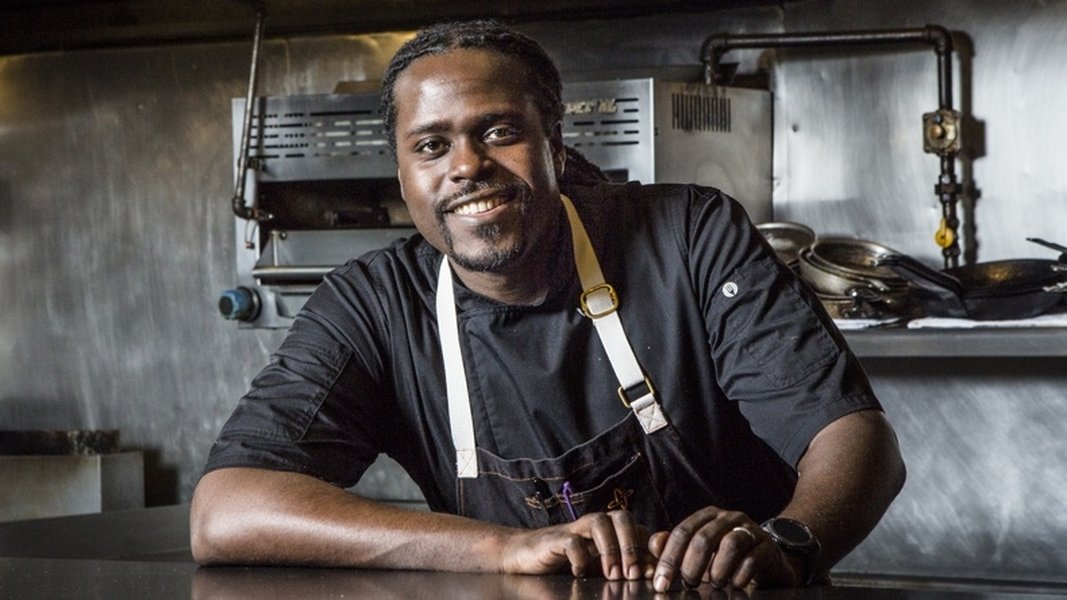
Key Highlights
- Enhanced Accessibility & Diversity: Social media platforms provide a vast range of recipes, techniques, and culinary inspirations.
- Community Engagement & Learning: Interactive content and influencer-driven tutorials boost self-efficacy and skill development.
- Curriculum Integration & Guideline Importance: Effective use in educational environments requires critical evaluation and expert guidance.
Chapter 5 Research Interpretation
The research chapter focuses on exploring the influence of social media on enhancing the cooking skills of Grade 11 cookery students. The analysis incorporates mixed-methods research, including quantitative surveys and qualitative interviews. The study highlights how platforms such as Instagram, TikTok, YouTube, and Pinterest serve as catalysts for culinary skill enrichment among high school students, transforming traditional cooking education.
Methodology and Data Collection
The study utilized a mixed-methods approach to gather comprehensive data from Grade 11 cookery students:
Quantitative Approach
- Data collection via online surveys distributed across various schools.
- Students reported an average of 2-3 hours daily using social media, with significant engagement in cooking-related content.
- Analysis from a sample size revealing that nearly 97% of internet users tried recipes viewed online, with 77% affirming skill improvement.
Qualitative Approach
- In-depth individual interviews with a subset of students and their teachers.
- Focused group discussions on recipe replication, technique learning, and confidence enhancement.
- Teacher interviews highlighted the integration of social media resource curation within curricular activities.
This integrative research method provided robust interpretations of how diverse digital content influences practical cooking skills and theoretical knowledge.
Influential Aspects of Social Media on Culinary Skills
Access to Diverse Culinary Content
Social media serves as a reservoir of diverse culinary information, ranging from regional recipes to advanced cooking techniques. Platforms like YouTube and Instagram host tutorials that break down complex concepts into digestible, visually engaging pieces, enabling students to try new recipes with confidence. Additionally, alternative platforms such as Pinterest provide well-curated collections of recipe pins that inspire culinary creativity.
Community Engagement and Interactive Learning
The interactive nature of social media platforms fosters a community-based learning environment. Students can share their culinary experiments, seek advice from professionals, and receive real-time feedback. This communal environment not only boosts cooking self-efficacy but also builds networks that encourage continuous practice and collaboration beyond the classroom setting.
Enhancement of Self-Efficacy and Confidence
Multiple studies referenced in the research reveal that students exposed to cooking-related content experience heightened self-confidence in the kitchen. Experiential learning through recipe trials, coupled with the incentive of positive online feedback, translates to improved performance and a greater inclination to experiment with new cuisines and techniques.
Challenges and Critical Considerations
Notwithstanding the benefits, the research acknowledges critical challenges with reliance on social media:
- Volume of information can be overwhelming, leading to decision fatigue.
- Inconsistent quality and misleading or inaccurate instructions may adversely affect students’ acquisition of reliable culinary practices.
- A balance is needed to ensure that students adopt critical evaluation skills when navigating diverse cooking content online.
Educators and parents are encouraged to guide students toward reputable sources, which include verified influencers, professional chefs, and platforms known for high-quality content.
Data Visualization and Synthesis
Radar Chart Analysis
The radar chart below represents a synthesized evaluation of the influence of social media across multiple dimensions. Three distinct datasets illustrate overall culinary inspiration, practical skill enhancement, and the level of community engagement:
Mindmap Diagram for Conceptual Overview
The conceptual mindmap below visually represents the core elements discussed in this chapter, including digital accessibility, community interaction, skill development, and the challenges associated with content quality.
Videos
Tutorials" Interaction --> "Comments
Feedback
Live sessions" Skills --> "Confidence
Hands-on Practice
Innovation" Challenges --> "Overload
Inaccuracy
Need for Guidance"
Integrating Research Insights into Educational Practice
Based on the research findings, integrating social media into the culinary curriculum can be highly beneficial if implemented with care. The following table summarizes the positive impacts, challenges, and recommended practices:
| Aspect | Positive Impacts | Challenges | Recommendations |
|---|---|---|---|
| Access to Content | Wide variety of recipes and techniques accessible on demand. | Overwhelming volume and inconsistent quality. | Curate content lists and endorse reputable sources. |
| Skill Enhancement | Improved culinary self-efficacy and exposure to modern techniques. | Potential for copying incorrect methods without context. | Incorporate critical evaluation training in curriculum. |
| Community Interaction | Encourages peer feedback and interactive learning. | Lack of moderation and variable expertise levels. | Guide students with moderated discussion groups and expert sessions. |
Video Resource Integration
For those interested in visual case studies and first-hand accounts, the embedded video below offers an excellent overview of how social media influences culinary practices and the day-to-day experiences of food content creators. This video provides valuable insights into the dynamics of digital culinary trends and their practical application in a learning environment.
Frequently Asked Questions
What role does social media play in enhancing cooking skills?
How do educators integrate social media into culinary curricula?
What are the challenges associated with using social media in learning cooking?
References
- Meta-Analysis of Social Media Influence - ResearchGate
-
How Social Media Has Influenced the Way We Cook - Daily Press
- How Social Media Can Improve Cooking Skills - Danby
- Cooking Improved by Social Media - GCL Food Ingredients
- Social Media's Influence on Culinary Landscape - Medium
Recommended Related Queries
Last updated March 30, 2025