
Exploring Social Media's Impact on Student GWA
Unveiling the complexities behind social media use and academic performance
Key Takeaways
- Dual Nature: Social media can both hinder and assist academic performance.
- Distraction vs. Collaboration: While distractions are common, responsible use fosters collaboration and digital skills.
- Balance and Digital Literacy: Educators and parents play a crucial role in developing healthy social media habits.
Introduction to Social Media and GWA
Social media has evolved into an integral part of modern student life. Platforms such as Facebook, Instagram, Twitter, and YouTube have revolutionized communication, collaboration, and access to information. However, the impact of social media on a student's Grade Weighted Average (GWA) or overall academic performance is a subject of ongoing debate and research. Many factors contribute to this complex relationship, ranging from the potential for distraction and poor time management to the benefits of digital collaboration and enhanced access to educational resources.
Understanding General Weighted Average (GWA)
Definition and Importance
The General Weighted Average (GWA) is a key academic measure that reflects a student's overall performance over a period. It is calculated by averaging individual grades, weighted by the importance or credit hours of the corresponding courses. A higher GWA often signifies strong academic achievement and is a critical benchmark for educational opportunities and future prospects.
Positive Effects of Social Media on Academic Performance
Enhanced Communication and Collaboration
Social media platforms foster an environment that can support collaborative learning and critical academic exchanges. Students are increasingly using online platforms to:
- Form study groups where ideas, notes, and research materials are exchanged.
- Access a wide range of educational resources including videos, tutorials, and e-books.
- Participate in online discussions that may sharpen their understanding of complex subjects.
These interactions not only enhance classroom learning but also build essential digital literacy skills that are beneficial in higher education and professional environments. When used purposefully, social media becomes a tool that supplements traditional study methods, potentially boosting a student’s GWA.
Access to Information and Opportunities for Learning
Social media is a gateway to a vast repository of information that can act as an educational supplement. It bridges geographic and socio-economic gaps, offering:
- Access to online courses, lectures, and webinars.
- Exposure to current events and global perspectives that bolster a modern education.
- Opportunities to connect with subject matter experts and thought leaders.
This access to diverse sources of knowledge can encourage self-directed learning and innovative approaches to education, ultimately contributing to improved academic performance and potentially a higher GWA.
Negative Effects of Social Media on GWA
Distraction and Procrastination
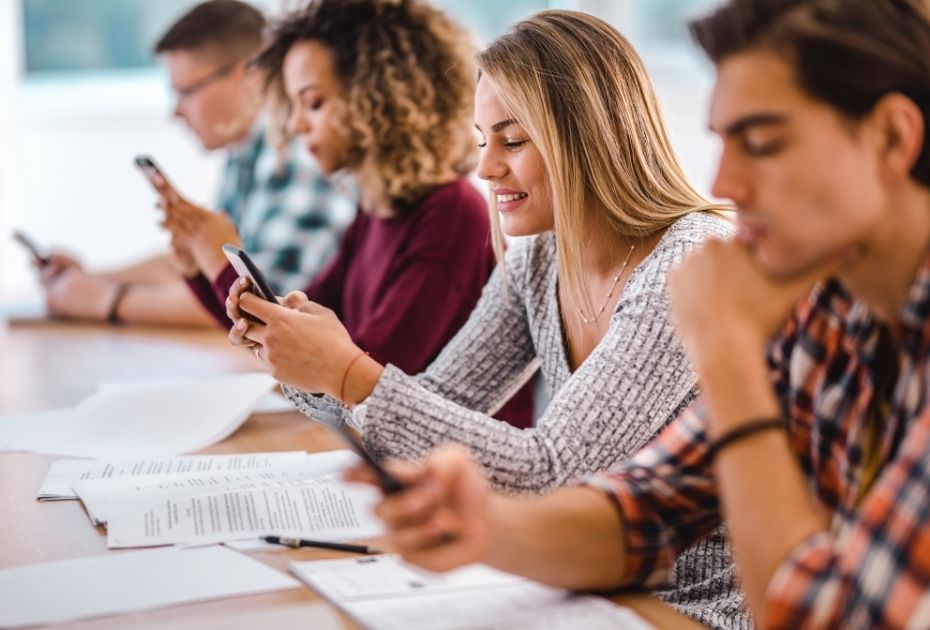
One of the most widely recognized negatives of social media is its potential to distract. Constant notifications, updates, and the lure of an endless stream of information can draw students away from their academic tasks. Specific challenges include:
- Time Mismanagement: Students often spend more time online than intended, leading to reduced study time.
- Delayed Assignments: Procrastination, spurred by social media usage, can result in rushed or incomplete academic work.
- Multitasking Overload: The shift between academic tasks and social media can impair cognitive control and concentration, lowering overall performance.
Studies have shown a correlation between frequent social media use and decreased academic performance, where students with heavy usage tend to have lower GPAs compared to their peers who use these platforms more sparingly.
Mental Health and Emotional Well-being
Social media impacts mental health in multiple ways. The phenomenon of "fear of missing out" (FOMO), along with constant comparisons with peers, can lead to unwanted stress and anxiety. This emotional strain has further academic repercussions:
- Increased Anxiety: The pressure to maintain a perfect online persona exacerbates stress levels, impairing the ability to focus during academic pursuits.
- Sleep Deprivation: Extended screen time, especially before bed, disrupts sleep patterns, leading to fatigue and reduced cognitive function during classes.
- Reduced Motivation: Negative emotions stemming from social media interactions can diminish a student’s motivation to engage effectively with their schoolwork.
Together, these factors contribute to a decline in academic performance and a lower GWA, as the balance between academic responsibilities and social media engagement shifts towards the latter.
Balancing Social Media Usage for Academic Success
The Role of Students
For students, the challenge is to harness the benefits of social media while mitigating its potential distractions. Effective strategies include:
- Time Management: Allocating fixed periods for social media exploration can help reduce study interruptions.
- Goal Setting: Establishing clear academic goals and daily study schedules minimizes the chances of succumbing to online distractions.
- Digital Discipline: Practicing mindfulness and digital detox routines reinforces a focus on academic objectives.
The Role of Educators and Parents
Both educators and parents are essential in guiding students towards effective social media practices. Their roles include:
- Incorporating Digital Literacy: Implementing curricula that teach responsible social media use fosters a balanced approach to technology.
- Monitoring Online Behavior: Parental involvement in understanding a child’s online habits, coupled with open dialogue, can help steer students towards websites and platforms that add value to their education.
- Creating Structured Environments: Educators can integrate designated periods for collaborative online learning integrated with traditional educational methods to achieve balanced academic engagement.
The involvement of educators and parents in nurturing responsible behaviors on digital platforms is crucial. When combined with self-discipline, these inputs can convert the use of social media from a distraction into an effective educational tool.
Comparative Analysis: Positive vs. Negative Effects
Observing the dual nature of social media, it is helpful to compare the positive and negative impacts in a structured format. The table below outlines the primary influences of social media on students' GWA, emphasizing both the benefits and drawbacks.
| Aspect | Positive Impacts | Negative Impacts |
|---|---|---|
| Information Access | Provides vast educational resources and real-time updates on academic content. | May overwhelm students with excessive and sometimes unvetted content. |
| Collaboration | Enables group projects, discussion forums, and networking opportunities. | Can disrupt individual study time due to constant online interactions. |
| Skill Development | Enhances digital literacy and communication skills essential for modern careers. | Excessive use can prioritize social interaction over academic pursuits. |
| Mental Health | Offers platforms for support and community engagement during academic challenges. | Can induce anxiety, stress, and sleep disturbances affecting cognitive performance. |
| Time Management | Encourages efficient planning through organized digital calendars and reminders. | Poor time management and procrastination due to addictive features (notifications, likes) are common. |
Educational Strategies and Policy Recommendations
Integrating Digital Literacy into Curriculum
As social media becomes ubiquitous, the approach to education must evolve. Schools and universities around the world are beginning to integrate digital literacy into their curricula. This includes:
- Workshops and Seminars: Educational sessions that detail the risks and benefits of social media and promote safe online practices.
- Interactive Learning Modules: Courses that encourage students to use technology and social media as research and collaborative tools while highlighting strategies to minimize distractions.
- Monitoring and Evaluation: Regular assessments to track students’ social media use and its impact on their academic performance, allowing for timely interventions.
Incorporating these strategies empowers students with the skills needed to navigate the challenges and seize the opportunities provided by digital media, thereby supporting a balanced approach to maintaining a high GWA.
Policy Guidelines and Parental Involvement
In tandem with educational strategies, policy guidelines that regulate digital usage within academic institutions can create an environment conducive to learning. Some policy recommendations include:
- Establishing Social Media Breaks: Regulated break times that allow students to engage with social media in a controlled manner can help prevent constant distraction.
- Parental Engagement Programs: Workshops for parents to understand social media trends and tactics for monitoring and guiding their children’s digital activities, ensuring they remain supportive rather than oppressive.
- Digital Detox Initiatives: Programs that encourage periods of non-digital engagement to promote mental health and re-focus on academic endeavors.
Case Studies and Empirical Research Findings
Empirical Evidence on Social Media Distraction
A number of studies underscore the argument that excessive engagement with social media can negatively impact academic performance:
- A study published in the Journal of Educational Psychology indicates that students distracted by social media during academic sessions tend to have lower GPAs.
- Research by Junco & Cotten demonstrated a connection between high social media usage and reduced academic productivity.
- Data from classroom observations suggest that students who manage their social media interaction diligently maintain a better balance, resulting in a more optimal GWA.
Instances of Positive Digital Integration
On the other hand, there are noteworthy examples wherein social media has been harnessed as an asset for educational enhancement:
- Students in several digitally advanced schools actively participate in online learning communities, using platforms like Twitter to discuss current class topics.
- Collaborative projects shared via social networks have led to innovative learning outcomes and have improved course grades among involved students.
- Technology-driven courses that integrate social media as part of the coursework facilitate real-time feedback and continuous interaction between peers and instructors.
Future Directions and Recommendations for Research
Emerging Trends in Digital Education
As social media and digital technologies evolve, the research community continues to examine their impact on education. Future studies may focus on:
- The impact of emerging platforms and changing user behaviors on both short-term academic performance and long-term career achievements.
- Evaluating the effectiveness of school-based digital literacy programs in mitigating the negative aspects of social media.
- Comprehensive, cross-cultural studies that assess the interaction between social media habits, mental health, and academic outcomes across diverse educational settings.
These future avenues of research will not only refine existing methodologies but also contribute to establishing comprehensive guidelines for students, educators, and policymakers aimed at optimizing the use of social media for academic benefit.
Recommendations for Further Reading
For those interested in delving deeper into this topic, the following references provide extensive insights into the multifaceted impact of social media on academic performance:
References
- Do GWA Affect Students Preference of Use of Social Media? - GWA Calculator
- The Impact of Social Media on Student Well-being and Academic Performance - Medium
-
Social Media and GPA - University Digital Conservancy
- The Impact of Social Media on Education and Learning - Krmangalam
-
Effect of social media use on learning, social interactions, and sleep duration among university students - PMC
Related Queries for Deeper Insights
Last updated March 23, 2025