
Evaluating the Impact of Social Media on Mental Health
A Comprehensive Literature Review on Social Media and Mental Well-being
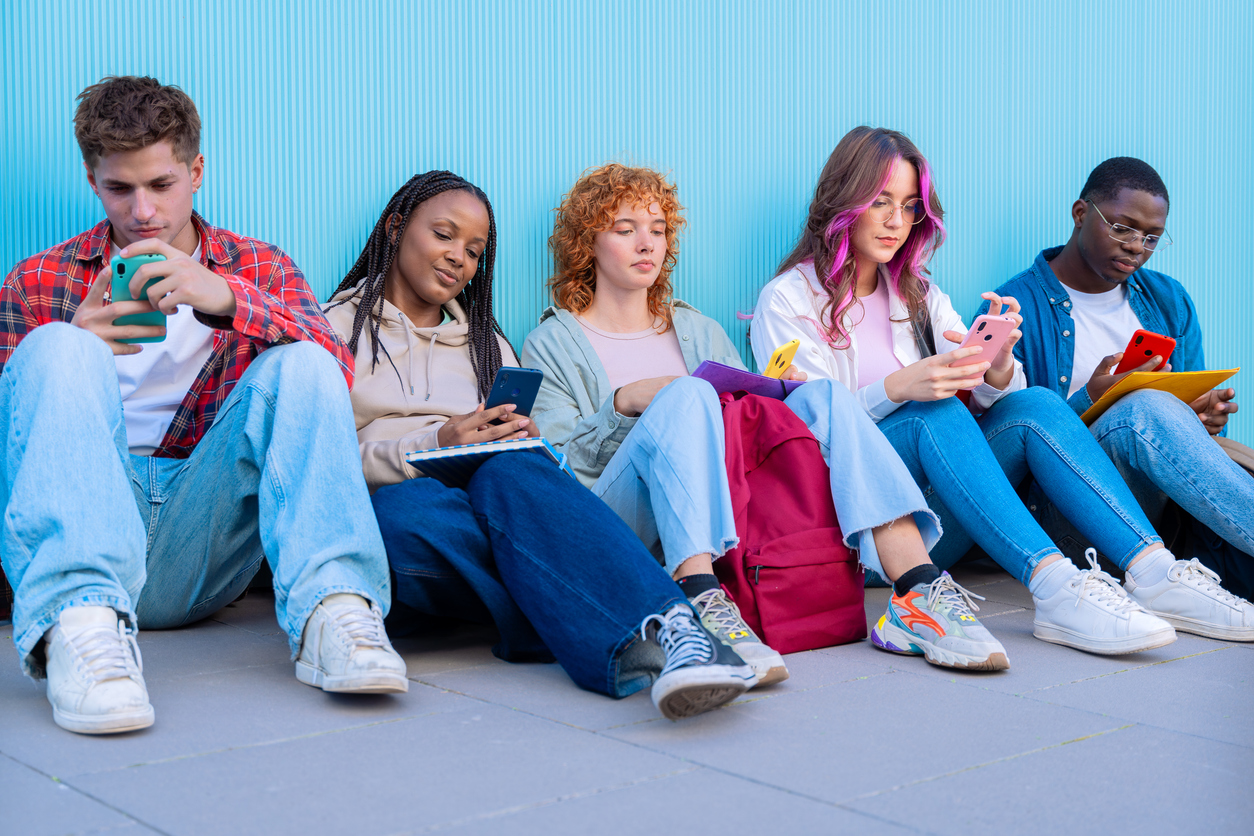
Highlights of Key Insights
- Dual-Edged Impact: Social media offers both connectivity and negative psychological effects such as depression and anxiety.
- Adolescent Vulnerability: Young individuals, particularly adolescents, are at increased risk due to issues like cyberbullying and social comparison.
- Intervention Strategies: Moderation, digital literacy, and structured interventions can help mitigate adverse outcomes while enhancing supportive aspects.
Introduction
The widespread adoption of social media platforms such as Facebook, Instagram, Twitter, and TikTok has brought significant changes to how individuals communicate and connect globally. While these platforms have revolutionized information sharing and interpersonal networking, they have also raised important concerns regarding psychological well-being. The present literature review evaluates the impact of social media on mental health by synthesizing findings from a range of studies. Many researchers have examined both the positive and negative consequences of social media use, highlighting a complex, dual-edged nature in its overall effect on mental health.
This review synthesizes evidence on how social media usage contributes to mental health challenges like depression, anxiety, and low self-esteem, alongside exploring potential benefits such as enhanced social support and community building. Emphasis is placed on vulnerable segments of the population, particularly adolescents, who may experience unique risks including cyberbullying, sleep disruptions, and heightened social pressure. Using a combination of quantitative and qualitative findings from recent research, this review aims to guide both policy and personal strategies to enhance mental well-being while managing online interactions.
Negative Impacts on Mental Health
Psychological Distress and Mood Disorders
An extensive body of literature points to a robust association between excessive social media use and the development of mood disorders. Several systematic reviews and meta-analyses have identified significant correlations between prolonged engagement with social media and symptoms of depression, anxiety, and general psychological distress. For instance, research published by the Stanford Law School (2024) and further supported by studies from PMC (2024) indicate that social media platforms can exacerbate mental health issues through mechanisms such as social comparison and cyberbullying.
Social Comparison and Self-Esteem
The curated representations of life on social media often lead to unrealistic expectations and detrimental comparisons. When users compare their everyday lives to the idealized content consumed online, feelings of inadequacy and reduced self-esteem are common. This phenomenon has been widely documented in contemporary literature, suggesting that these comparisons contribute significantly to anxiety and depressive symptoms, particularly among young adults. Studies highlighted in HHS (2024) and APA (2024) underscore the negative outcomes of this effect.
Cyberbullying and Online Harassment
Cyberbullying represents one of the most immediate and emotionally damaging risks associated with social media use. Victims of online harassment often experience heightened symptoms of depression, anxiety, and other stress-related disorders. The prevalence of cyberbullying, as reported in several studies, calls for an urgent need to address these harmful practices. Platforms that enable unfiltered and often anonymous interactions can propagate toxic communication patterns, further disadvantaging vulnerable users.
Sleep Disruption
Social media use has been closely linked to sleep disruption, particularly when engagement extends into nighttime hours. Exposure to electronic screens and continuous notifications can interfere with circadian rhythms, leading to sleep deprivation. Given the well-established connection between poor sleep quality and mental health, this aspect of social media use has become a critical area for further research and intervention, as reported by McLean Hospital (2024).
Positive Impacts and Potential Benefits
Enhanced Social Connectivity
Despite the challenges posed by excessive social media engagement, these platforms also offer noteworthy benefits. Social media facilitates connection, allowing individuals to overcome geographical barriers and maintain relationships that might otherwise weaken over time. For many users, especially those facing social isolation, online communities serve as vital sources of emotional support and information. Literature from ResearchGate (2024) and IJRPR (2024) highlights that this connectivity can foster a sense of belonging and increase perceived social support.
Raising Mental Health Awareness and Intervention
Social media platforms have proven instrumental in disseminating mental health information. They serve as channels for awareness campaigns, advocacy for mental health services, and early intervention programs. By sharing personal stories and expert advice, these platforms help reduce stigma associated with mental illness and encourage help-seeking behaviors. As detailed by Humayun (2024) and other scholars, this awareness can play a crucial role in the prevention and timely treatment of mental health issues.
Comparative Analysis: Negative vs. Positive Aspects
Overview Table
| Aspect | Negative Impacts | Positive Impacts |
|---|---|---|
| Mental Health Disorders | Increased depression and anxiety; low self-esteem; psychological distress due to social comparison and cyberbullying. | Potential for therapeutic benefits when used to share supportive resources and personal empowerment stories. |
| Social Connectivity | Risk of online harassment leading to isolation; exposure to negative content. | Enhanced opportunity to connect with others; supportive online communities provide validation and a sense of belonging. |
| Sleep Quality | Nighttime use leads to sleep disruption and associated mood disorders. | N/A |
| Awareness & Education | N/A | Platforms used to educate users, promote mental health interventions, and reduce stigma surrounding mental illness. |
Adolescent Vulnerability and Individual Differences
Impact on Youth Mental Health
Adolescents and young adults are particularly susceptible to the adverse effects of social media. Research consistently shows that heavy social media users in these age groups record higher incidences of anxiety, depression, and various stress-related conditions. This demographic is more vulnerable because their brains and social identities are still developing, making them more sensitive to peer validation, cyberbullying, and the pressures of maintaining a positive self-image.
Studies, such as those reported by the APA (2024) and HHS (2024), reveal that youths who spend excessive time on social media are likely to experience poorer mental health outcomes, partly due to social comparison and cyberbullying. These findings underscore the need for targeted interventions and parental guidance to safeguard the mental well-being of this vulnerable group.
Role of Individual Factors
Beyond age, factors such as gender, personality traits, and existing mental health conditions influence how social media impacts an individual. For instance, women may be more prone to experiencing body image concerns due to the constant exposure to idealized images, while personality traits like neuroticism can amplify susceptibility to the adverse effects of negative online interactions. Research indicates that the negative outcomes of social media are not uniformly experienced; the variability is a testament to the multifaceted nature of its impact.
Recommendations for a Balanced Approach
Digital Literacy and Content Moderation
One practical strategy to mitigate the adverse effects of social media is to improve digital literacy among users. By educating the public on how to critically evaluate the content they consume online, individuals are better equipped to navigate the potential pitfalls of social comparison and misinformation. Furthermore, technology companies hold a significant responsibility to implement and enforce robust content moderation policies that limit the circulation of harmful or triggering material.
Promoting Balanced Use and Offline Engagement
Encouraging users to adopt a balanced approach by setting time limits for social media engagement, scheduling digital detox periods, and prioritizing offline relationships can help to alleviate the psychological burdens associated with extensive use. Studies have demonstrated that reducing screen time can lead to improvements in subjective well-being, sleep quality, and general life satisfaction. Initiatives aimed at creating awareness of the importance of balance in digital consumption are vital, especially for the youth.
Policy and Intervention Strategies
Policymakers and educational institutions should collaborate to develop guidelines that promote healthy online habits. This includes integrating digital literacy programs into school curricula, creating community awareness campaigns, and supporting research that investigates the long-term psychological impact of social media use. The balance between harnessing the positive potential of social media while safeguarding mental health is critical for fostering a resilient and informed society.
Relevant Comparative Studies and Data
Selected Research Findings
| Study/Source | Key Findings |
|---|---|
| Stanford Law School (2024) | Extensive social media use is correlated with increased risks of depression and anxiety due to social comparison and cyberbullying. |
| APA (2024) | Teenagers engaging in prolonged use of social media report lower mental health ratings and higher incidences of psychological distress. |
| PMC (2024) | Highlights the link between social media use, sleep disruption, and subsequent impacts on mental health. |
| ResearchGate (2024) | Provides evidence for dual effects—both promising social connectivity and risks of negative psychological outcomes. |
| HHS (2024) | Focuses specifically on the mental health risks among adolescents and underscores the need for parental and institutional intervention. |
References
- Social Media Addiction and Mental Health - Stanford Law School
- Teens and Social Media Usage Impacts - American Psychological Association
- How Social Media Affects Mental Health - McLean Hospital
-
Impact of Social Media on Psychological Distress - PMC
- The Impact of Social Media on Mental Health - IJRPR
Recommended Related Queries
Last updated March 17, 2025