
Scope of the Study: Determining the Most Effective Social Media Platform in Driving Customer Visits to Fast Food Restaurant
A Comprehensive Analysis of Variables Influencing Customer Engagement and Restaurant Visits
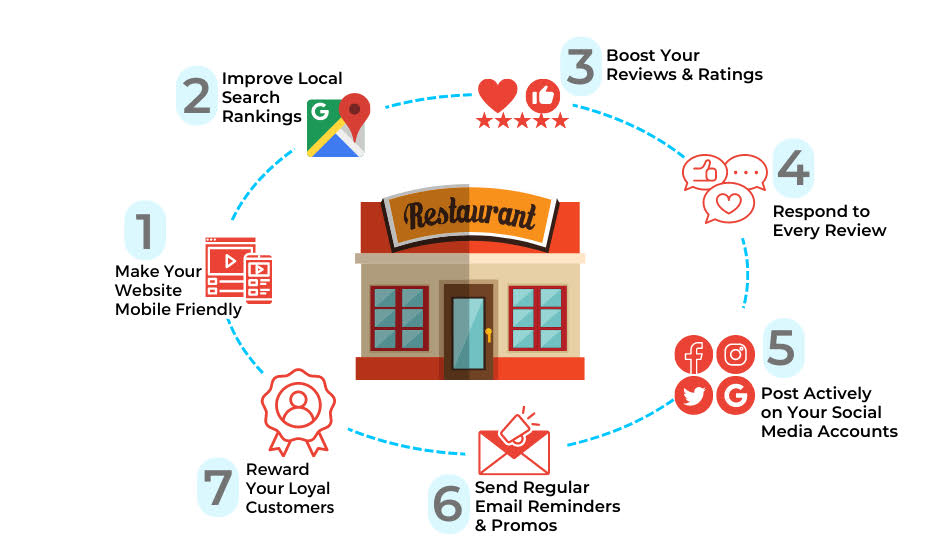
Key Highlights
- Multi-Faceted Variable Consideration: Incorporates dependent, independent, moderating, and control variables.
- Platform Specific & Content Preferences: Evaluation of engagement metrics, post frequency, visual and textual content nuances.
- Demographic and Environmental Factors: In-depth look at customer demographics and external influences for a robust analysis.
Introduction
In contemporary digital marketing, the role of social media is paramount in attracting and converting potential customers for fast-food restaurants. Employing social media platforms to drive tangible customer visits requires a multi-dimensional approach in research design and variable selection. The study examines the impact of various social media platforms, the effectiveness of content strategies, and influences stemming from both platform-specific metrics and audience demographics. This comprehensive analysis ensures that all relevant factors contributing to customer visits are considered, providing a robust foundation for identifying the optimal platform(s) for marketing efforts.
Framework and Research Objectives
The core aim of the study is to determine which social media platform is most effective in driving customer visits to fast food restaurants. To achieve this, several interrelated variables are included to provide a complete picture of both the digital tactics deployed and the audience response. The study thoroughly distinguishes between direct outcomes (such as actual visits) and the underlying drivers (engagement metrics, audience demographics, content preferences, and environmental conditions). By doing so, the research can isolate the effect of specific social media strategies and platforms, ultimately offering a detailed roadmap for improving restaurant marketing initiatives.
1. Dependent Variable
Customer Visits
The primary dependent variable is the number of customer visits to fast food restaurants, which can be quantified through the following measurable parameters:
- In-store Visits: The count of individuals who physically visit restaurants as a direct consequence of social media exposure.
- Foot Traffic: An aggregate measure of customer interactions, which may include conversion rates from online engagement to physical presence.
- Conversion Metrics: The ratio between engagements or impressions and actual visits, providing insight into the effectiveness of the campaign.
2. Independent Variables
Social Media Platforms
A core component of the study is the evaluation of various social media platforms. Each platform may have unique engagement features that influence its effectiveness in attracting restaurant visits. The platforms considered include, but are not limited to:
- Facebook: Known for its broad demographic appeal and extensive review-based interactions.
- Instagram: Valued for its visual-centric approach where vibrant images of food and ambience play a decisive role.
- TikTok: Rising in prominence for its short-form video content, influencing especially younger audiences.
- Twitter: Effective in disseminating timely brand updates and engaging through real-time interactions.
- YouTube: Focuses on longer, interactive video content, often used for detailed reviews or behind-the-scenes content.
- Snapchat: Utilized for ephemeral content and influencer takeovers, appealing to a younger demographic.
Platform-Specific Engagement Metrics
Engagement metrics provide insight into how actively the audience interacts with content on each platform. These metrics enable a finer analysis of performance and include:
- Likes, Shares, and Comments: Quantitative measures that assess content resonance. These interactions can be normalized by dividing by reach or impressions.
- Save and Bookmark Rates: Indicator of content value and its potential for influencing buying decisions.
- Click-Through Rates (CTR): The percentage of audience members engaging further by clicking a call-to-action, offering insight into conversion potential.
- Video Views and Watch Time: Especially critical for platforms that employ video content, such as TikTok or YouTube. Longer watch times can correlate with deeper engagement and interest.
- Hashtag Usage: For instance, popular hashtags like #food contribute to increased visibility and tracking across platforms such as Instagram.
Content Characteristics
The type and quality of content play an important role in driving customer engagement. Content variables include:
- Visual Appeal: High-quality images and videos showcasing the food, restaurant ambience, and promotional offers.
- Textual Information: Reviews, influencer endorsements, and user-generated content which provide authenticity and social proof.
- Content Format: Differentiating between static images, dynamic videos, stories, or live sessions, each with unique engagement patterns.
- Post Timing and Frequency: How often posts are published and at what times, ensuring that content aligns with peak hours of audience activity.
- Content Themes: These may range from promotions, behind-the-scenes glimpses, to user testimonials, all influencing restaurant visit decisions.
Advertisement Metrics
For studies involving paid promotions on social media, advertising metrics are critical. These include:
- Ad Spend: The total budget allocated for advertising campaigns across platforms.
- Cost-per-Click (CPC) and Cost-per-Impression: Financial metrics that help evaluate the efficiency of ad spend relative to the generated engagement.
- Return on Investment (ROI): A study metric determining financial gains relative to advertising expenses.
3. Control Variables
To isolate the impact of social media strategies on customer visits, the study accounts for several control variables that may influence behavior. By controlling for these factors, the research aims to minimize confounding effects.
Demographics and Consumer Profiles
Age, Gender, and Income
Recognizing the diverse characteristics of social media users, the study includes demographic profile variables. These factors provide insights into how usage patterns differ across various segments:
- Age: Different age groups may engage differently with social media content. Younger demographics, for example, might be more active on platforms like TikTok or Snapchat, while older users trend towards Facebook.
- Gender: The study examines gender variations in social media usage, content interaction, and consequent dining preferences.
- Income and Education: These metrics help in understanding how economic dynamics and educational levels correlate with both online engagement and dining decisions. Higher income and education levels often result in distinct content consumption habits and response to digital marketing.
In-Store and Promotional Variables
Promotional Offers and Baseline Popularity
Other important control variables include the presence of in-store promotions and existing customer base characteristics:
- Promotional Offers: Discounts, limited-time offers, bundled deals, and exclusive social media promotions can boost customer visits. Analyzing these offers provides clarity on their direct impact versus the inherent attractiveness of the restaurant.
- Baseline Popularity/Foot Traffic: The study also considers the natural popularity of restaurants. Establishing baseline traffic helps discern the actual impact of social media campaigns independent of existing customer trends.
- Seasonal and Temporal Factors: The timing of promotional campaigns, including special seasons, public holidays, or local events, can modulate customer response and needs to be factored into the overall analysis.
Environmental and Competitor Analysis
Local Market Conditions and Competitor Strategies
External conditions impacting restaurant visits cannot be overlooked. The competitive landscape and local market factors also play a crucial role:
- Competitor Activity: The social media strategies of competing fast food chains and their simultaneous campaigns may influence customer decisions by creating a dynamic environment of offers and promotions.
- Local Market Conditions: Regional trends, such as local festivals, weather conditions, and economic outlook, have a significant impact on customer turnout. These factors are taken into account to ensure that the effect attributed solely to social media is accurately isolated.
4. Moderating Variables
In addition to the independent and control variables, the study integrates moderating variables that affect the strength or direction of the relationship between social media engagement and customer visits.
Platform & Content Moderators
Engagement Moderators
Several moderating factors underline the effectiveness of content strategies and social media platform engagements. The following moderators are critical in adjusting the overall dynamics:
- Content Type and Format: The differential impact of photos versus videos, influencer-driven posts, and user-generated content may show variations in effectiveness across platforms.
- Post Timing and Frequency: The timing of post releases can moderate the effectiveness of the promotions. Higher engagement might be observed during peak hours or specific days of the week when the audience is most active.
- Response and Interaction Speed: The immediacy with which a brand responds to comments or questions (response time) can moderate customer perception and influence their ultimate decision to visit a restaurant.
Demographic Adaptability
Age Group and Cultural Preferences
Customer demographics, particularly age group distinctions, are essential moderating factors. Younger audiences, for instance, may have a higher predilection for mobile-centric platforms like TikTok and Instagram. In contrast, older demographics might value the detailed reviews and community engagement found on Facebook.
5. Measurement and Evaluation Metrics
To effectively capture the influence of various variables, the study uses rigorous measurement and evaluation standards. The metrics are designed to quantify both direct customer actions and underlying engagement:
Quantitative Metrics
Engagement Ratios and Foot Traffic
Quantitative measures form the backbone of the evaluation process. Metrics such as the engagement rate (total engagements divided by impressions), click-through rates, and conversion percentages are essential in determining the cost-effectiveness and direct impact of specific social media activities.
Qualitative Assessments
Content Quality and Customer Sentiment
Alongside numeric metrics, qualitative analysis examines the nature of customer interactions and sentiment expressed in online reviews, comments, and shared posts. The analysis provides insights into:
- How visually appealing content increases the desire to visit a restaurant.
- The persuasive power of influencer endorsements and customer testimonials on dining choices.
- Variations in sentiment based on different types of promotional offers or discounts.
6. Data Collection Methods and Research Design
A robust research design is crucial to ensure that all these variables are accurately captured and analyzed. The study employs a combination of methodologies to gather comprehensive data:
Surveys and Questionnaires
Direct Customer Feedback
Tailored surveys and questionnaires are distributed to customers to capture firsthand data on social media usage patterns and dining behaviors. These instruments collect:
- Detailed demographic information.
- Preferences for different types of content and social media platforms.
- Feedback on the influence of promotions and advertisements on actual visits.
Social Media Analytics
Platform-Based Metrics
Analytics tools provided by social media platforms are employed to track engagement metrics in real-time. This includes:
- Tracking post performance through likes, shares, comments, and video views.
- Monitoring follower growth and other behavioral metrics such as click-through rates.
- Utilizing platform-specific insights that correlate with customer potential to visit a restaurant.
Observational and Comparative Studies
Cross-Platform Analysis
By adopting a comparative lens, the research analytically contrasts the performance of different social media platforms over a given period. Observational studies focus on:
- Comparing customer visit rates associated with different platforms.
- Assessing the impact of similar content formats across platforms.
- Drawing inferences on the underlying reasons behind varying performance metrics.
7. Integrative Overview and Analytical Table
To consolidate the comprehensive variable landscape discussed above, the following table summarizes the key elements integrated into the study:
| Category | Variables | Measurement Method |
|---|---|---|
| Dependent Variable | Customer Visits, Foot Traffic, Conversion Rates | Store Data, Survey Responses, Conversion Metrics |
| Independent Variables | Social Media Platforms (Facebook, Instagram, TikTok, etc.) | Platform Analytics |
| Engagement Metrics (Likes, Shares, Comments, CTR) | Social Media Dashboards | |
| Content Characteristics (Visuals, Format, Timing) | Content Analysis Tools | |
| Advertisement Metrics (Ad Spend, CPC, ROI) | Marketing Reports | |
| Control Variables | Demographics (Age, Gender, Income, Education) | Surveys, Customer Profiles |
| Promotions and Baseline Popularity | Restaurant Data, In-store Promotions | |
| Local Market Conditions and Competitor Activity | Market Research, Observational Studies | |
| Moderating Variables | Content Type & Format, Post Timing & Frequency | Comparative Content Analysis |
| Demographic Influence & Response Times | Demographic Segmentation and Platform Analytics |
Discussion
The comprehensive variables outlined in the study design are essential to reliably determine the effectiveness of various social media platforms in driving customer visits to fast food restaurants. By delineating the study into dependent, independent, control, and moderating variables, researchers are equipped to analyze not just the direct influence of digital promotions, but also the contextual and demographic factors that condition customer travel behavior.
The intricate relationship between engagement metrics and customer visits becomes evident when evaluating both quantitative and qualitative data. For instance, increased engagement in the form of likes, shares, and comments on a well-designed Instagram post is likely to convert to a higher likelihood of dining at the featured restaurant. However, engagement alone does not guarantee conversion; factors such as the authenticity of customer reviews and influencer endorsements serve as pivotal elements that lend credibility to the marketing message.
Similarly, the study's inclusion of advertising metrics (such as CPC and ROI) enables a financial dimension to the analysis, which is critical for assessing the efficiency of social media investments. High ad spend may not always translate to proportionately increased foot traffic if the creative elements and platform choice are misaligned with the target audience’s preferences.
Demographic variables add another layer of complexity. Varying age groups exhibit distinct preferences for the type of social media engagement they find compelling. For example, while younger audiences might be swayed by dynamic, story-driven content on TikTok or Snapchat, older demographics might respond more favorably to detailed narratives and community posts on Facebook. Thus, targeted strategies that align with specific audience profiles are essential for maximizing the impact of social media campaigns.
Further, environmental influences—such as local market conditions and competitor activities—can either amplify or attenuate the effects of well-designed campaigns. In regions with high competitive activity, even subtle differences in content timing or creative appeal can set a brand apart, highlighting the importance of context-specific tuning of social media efforts.
Overall, the study's methodological rigor—inclusive of diverse variables and multi-platform analytical techniques—allows for a holistic understanding of digital marketing impacts in the restaurant sector. Through this comprehensive approach, stakeholders can effectively attribute customer visits to specific social media actions, thereby optimizing future marketing investments.
Recommendations for Future Research
Building on the insights from this study, future research can explore additional dimensions such as geographic segmentation, real-time behavioral analytics, and cross-cultural comparisons in social media usage patterns. Moreover, experiments that dynamically adjust content formats and advertising spend based on continuous feedback loops could further refine the understanding of causal relationships between online engagements and offline actions.
Also, employing mixed-method approaches that blend quantitative metrics with qualitative interviews can yield richer insights into consumer behavior. These approaches would not only enhance the robustness of the findings but also pave the way for innovative tactics in social media marketing strategies for fast food restaurants.
Conclusion
In conclusion, the study integrates a comprehensive range of variables to critically evaluate the effectiveness of social media in driving customer visits to fast food restaurants. The research design is systematically segmented into key areas: the dependent variable of customer visits, the independent variables covering multiple digital platforms and content criteria, and supporting control and moderating variables that account for demographic and environmental influences.
From detailed engagement metrics and targeted content characteristics to thorough demographic profiling and observational studies, every aspect of the digital campaign is meticulously quantified and analyzed. This rigorous methodology enables the derivation of actionable insights, ensuring that restaurant marketers can deploy data-driven strategies tailored to specific consumer behaviors and market conditions.
By incorporating both quantitative and qualitative data, the study provides a multi-dimensional picture of digital marketing efficacy, thereby guiding future research and strategy development. The variables discussed illuminate the nuanced relationship between content quality, promotional tactics, and the evolving dynamics of customer engagement across social media platforms. Administrators, marketers, and researchers alike can leverage these insights to refine their digital outreach and cultivate a more engaged, loyal customer base that translates virtual engagements into real-world visits.
References
- Social Media Marketing for Restaurants - Fishbowl
- Restaurant Social Media Statistics: Facts and Trends [2025] - Jobstik
- Restaurant Social Media Statistics and Facts (2025) - electroiq
- Restaurant Social Media Statistics - WiFitalents
- Sustainability Study on Restaurant Social Media - MDPI
Recommended Further Queries
Last updated February 20, 2025