
The Impact of Social Media on Political Voting Decisions
Exploring how digital platforms shape electoral behavior through information, influence, and engagement
Highlights
- Information Dissemination and Engagement: Social media amplifies political messaging and facilitates real-time voter engagement.
- Misinformation and Echo Chambers: The rise of misinformation, disinformation, and algorithm-driven echo chambers can skew perceptions and intensify polarization.
- Influence of Social Media Influencers: Influencers and targeted content contribute to shifts in political opinions, affecting the strategies of political campaigns and parties.
Introduction
Social media has revolutionized the way political information is shared and consumed, fundamentally altering electoral dynamics and voting decisions. In recent years, platforms such as Facebook, Twitter, Instagram, and newer services like TikTok have become central to the dissemination of political news, opinions, and campaign messages. With the capacity to reach millions of users, social media not only increases political awareness but also actively shapes voter behavior. In this comprehensive exploration, we will delve into the multifaceted impact of social media on political voting decisions, addressing mechanisms like information dissemination, the spread of misinformation, echo chambers, and the role of influencers.
Mechanisms of Influence
Information Dissemination and Voter Engagement
One of the most significant ways social media impacts voting is by serving as a robust platform for information dissemination. Political campaigns, interest groups, and even individual candidates leverage these platforms to share news, campaign messages, policy stances, and interactive content with a wide audience.
Rapid Information Sharing
The speed and reach of social media allow information to spread quickly and widely. Many voters now turn to these digital platforms as their primary source of political news. Updates about policy changes, candidate announcements, and real-time political events are shared instantaneously, ensuring that voters remain informed.
Real-Time Engagement
Social media encourages direct engagement between candidates and voters. By enabling features such as live broadcasts, Q&A sessions, and comment threads, these platforms provide a space where voters can ask questions, express opinions, and receive direct responses. This real-time engagement not only promotes transparency but also helps create a sense of community.
Echo Chambers, Filter Bubbles, and Polarization
While social media has democratized communication, it has also led to the formation of echo chambers and filter bubbles. These phenomena occur when algorithms tailor content to individual user preferences, thereby limiting exposure to diverse viewpoints.
Algorithm-Driven Content Curation
The algorithms that power social media platforms are designed to maximize user engagement by showing content that is most likely to generate clicks and interactions. However, this often means that users are primarily exposed to information that aligns with their existing beliefs and political ideologies.
Reinforcement of Biases and Polarization
The effect of these echo chambers is the reinforcement of pre-existing biases and the deepening of political divides. When voters are continually exposed to similar viewpoints, they are less likely to encounter counterarguments, which can lead to more extreme positions and a heightened level of polarization.
Misinformation, Disinformation, and Their Consequences
Alongside the spread of factual political information, social media platforms are also notorious for the rapid circulation of misinformation and disinformation. Misinformation refers to false or inaccurate information shared without an intent to deceive, while disinformation is deliberately misleading information.
Impact on Decision-Making
Both types of distorted information can have significant repercussions on voter behavior. When voters are exposed to misleading or diluted political messages, their ability to make informed decisions is compromised. This can lead to poor electoral outcomes on both individual and collective levels.
Scale and Speed of Misinformation Spread
The virality of social media ensures that misinformation spreads at a pace unmatched by traditional media outlets. This rapid diffusion can create widespread misconceptions about candidates, policies, or entire political movements, especially during critical periods such as election campaigns.
Role of Social Media Influencers and Celebrities
Social media influencers and celebrities wield significant power in shaping public opinion. Their endorsements or criticisms of political candidates and issues can serve as a form of social proof that sways voter sentiment.
Credibility and Reach
Influencers often have a large following and command considerable credibility within their communities. When they share political opinions or campaign endorsements, these messages can have a ripple effect, reaching voters who may otherwise be disengaged from political discourse.
Impact on Political Party Strategies
The influence of social media personalities extends beyond simple voter persuasion. Recognizing the sway that these figures carry, political parties may adjust their messaging and policy stances to capture the median voter while still appealing to the core base. This balancing act can lead to more centrist policies or alternatively increase polarization, depending on the nature of the influencer’s message and their audience.
Mobilization, Participation, and Peer Influence
Social media is not just a passive medium for political information—it is an active tool for mobilization and participation. Voters are often encouraged to express their political alignment, participate in online political challenges, and share reminders to vote.
Increasing Voter Turnout
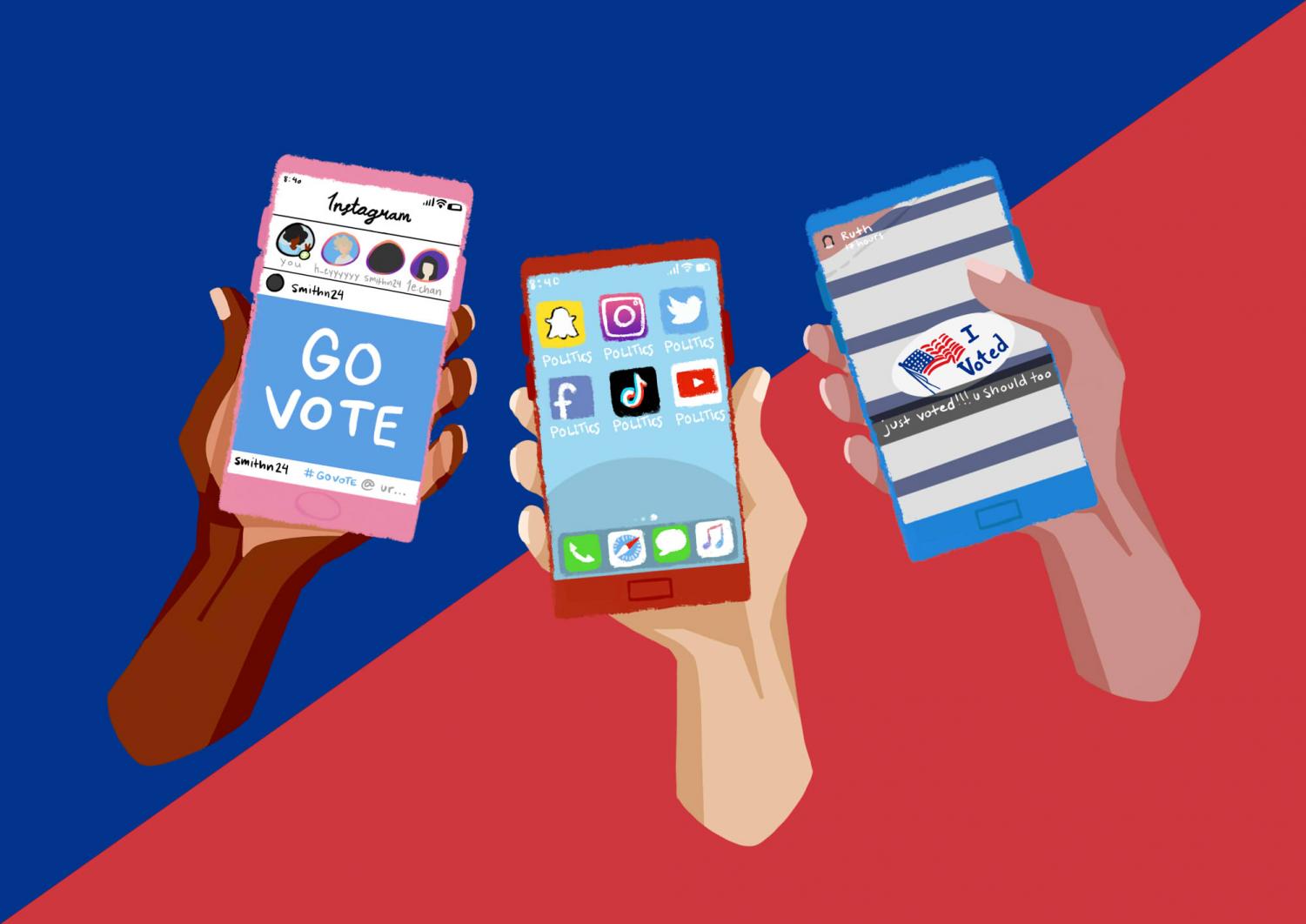
Through innovative campaign strategies like posting “I voted” selfies and interactive voter guides, social media platforms effectively promote civic engagement. Peer pressure and the public nature of voting announcements can play a crucial role in prompting individuals to head to the polls.
Organizational Tools for Campaigns
Political campaigns leverage social media for micro-targeting specific demographics and mobilizing grassroots support. By analyzing user data, campaigns can tailor messages to target regions, age groups, and even individual interests, thereby influencing voting behavior on a personalized level.
Data and Analysis: A Closer Look
Comparative Analysis of Social Media Impact
The influence of social media on political voting decisions can be examined through various parameters including information accessibility, peer impact, and susceptibility to misinformation. The table below synthesizes these parameters alongside their potential effects on voter behavior:
| Parameter | Mechanism | Potential Impact |
|---|---|---|
| Information Dissemination | Rapid spread of political news and candidate messaging | Enhanced political awareness and informed decision-making |
| Real-Time Engagement | Live interactions such as Q&As and comments | Strengthened voter-candidate connections and transparent communication |
| Echo Chambers | Algorithm-driven content curation | Reinforcement of biases and contribution to political polarization |
| Misinformation | Spread of false or deliberately misleading content | Potential distortion of political views and compromised decision-making |
| Influencer Endorsements | Celebrity and influencer political endorsements | Shifts in voter sentiment and modifications in political party strategies |
| Voter Mobilization | Public reminders and social media campaigns encouraging voting | Increased voter turnout and heightened civic participation |
Empirical Evidence on Social Media’s Political Influence
Numerous studies have investigated the relationship between social media use and voting behavior with compelling findings. Quantitative research indicates a direct correlation between exposure to political content on social media and voter turnout. For example, targeted campaign messages on platforms like Facebook have been shown to increase voter participation significantly, especially among younger demographics.
In addition to voter turnout, the quality of voter information is also influenced by the rapid spread of both accurate and inaccurate information. In many cases, voters are required to navigate these information streams, discerning fact from opinion, which can lead to more complex decision-making processes during elections.
Advanced Considerations and Emerging Trends
Foreign Interference and External Manipulation
With the globalization of political discourse, social media has become a tool not just for domestic campaigns but also for foreign actors. Evidence suggests that external entities have used these platforms to influence electoral outcomes in various countries by disseminating strategically crafted misinformation. This provides an added layer of complexity to discussions about the integrity of political processes and electoral accountability.
Regulatory and Moderation Challenges
Regulators and platform administrators face a continual challenge in identifying and mitigating the impact of malicious activity designed to disrupt political processes. Efforts at moderating content and verifying information aim to uphold the quality of public discourse while protecting the political rights of voters.
Platform-Specific Effects on Voting Decisions
It is important to note that not all social media platforms exert the same influence in political contexts. For example, platforms with a predominantly visual focus might affect voter perceptions differently compared to text-based platforms where detailed policy discussions can occur. As digital landscapes evolve, understanding the nuances of each platform’s user interaction can provide deeper insights into their distinct roles in shaping political behavior.
Diverse Engagement Across Platforms
For instance, Twitter’s fast-paced commentary can lead to rapid, sometimes reactionary political shifts, whereas platforms like Instagram or TikTok might rely more on visual narratives and storytelling to influence voter sentiment. This diversity in communication styles underscores the need for tailored political strategies and nuanced research in the field of digital politics.
Future Research and Policy Implications
As technological capabilities expand and political engagement on digital platforms grows increasingly sophisticated, ongoing research is needed to better understand these dynamics. Future studies may focus on:
- Comparative analyses of different platforms and their unique algorithmic biases.
- The long-term effects of sustained exposure to political misinformation.
- The evolution of voter attitudes in response to influencer-led campaigns.
- The balance between freedom of expression and the need for regulating harmful political content.
Policymakers must consider these complex dynamics when crafting regulatory frameworks to ensure election integrity while maintaining the freedom and engagement that social media facilitates. Balance is key to harnessing the positive aspects of social media—from increased voter participation and transparency—to mitigating adverse effects such as polarization and misinformation.
Conclusion
Social media has irrevocably altered the landscape of political voting decisions. Through rapid information dissemination, real-time voter engagement, and targeted political messaging, these platforms enhance the accessibility of political content and mobilize civic participation. However, challenges such as misinformation, echo chambers, and polarization present significant obstacles to informed and balanced electoral decision-making.
The multifaceted impact of social media on political voting decisions encompasses positive elements like enhanced voter turnout and direct engagement, as well as negative factors, including susceptibility to manipulation by foreign actors and societal polarization. As our political and digital landscapes continue to evolve, understanding these dynamics is crucial for both voters and policymakers. Establishing robust regulatory frameworks and promoting media literacy are essential steps toward ensuring that the influence of social media supports a healthy democratic process rather than undermining it.
References
- The Impact of Social Media on Voter Behavior - ResearchGate
- Misinformation on Social Media and Voting - PsyPost
- Social Media and Voting - Pew Research Center
- Social Media Influencers and Voter Opinions - Penn State University
- How Social Media Influences Voting Behavior - Toxigon
- Social Media Influence on Political Views - Modern Diplomacy
Recommended
Last updated February 21, 2025